How to pattern walleye on an unfamiliar Alberta lake
There’s nothing quite like the excitement of exploring a brand new lake in Alberta, imagining the incredible walleye you might pull from its depths. But let's be honest, that excitement can quickly turn to frustration when you get out there and the fish seem to have vanished. It's tough to know where to even begin on unfamiliar waters, and nobody wants to spend a precious day fishing blindly. This guide will walk you through the process of patterning walleye on any Alberta lake you haven't fished before, helping you transform that initial confusion into confident, successful angling.
The Initial Reconnaissance: More Than Just Looking at a Map
Before you even launch your boat or set foot on the shore, a little bit of homework can go a long, long way. Thinking of fishing an unfamiliar body of water without doing your research is a bit like going on a treasure hunt without a map – you might get lucky, but the odds are definitely stacked against you. The goal here is to gather as much intelligence as possible, allowing you to form an educated guess about where those elusive walleye might be hiding.
Gathering Pre-Trip Intelligence
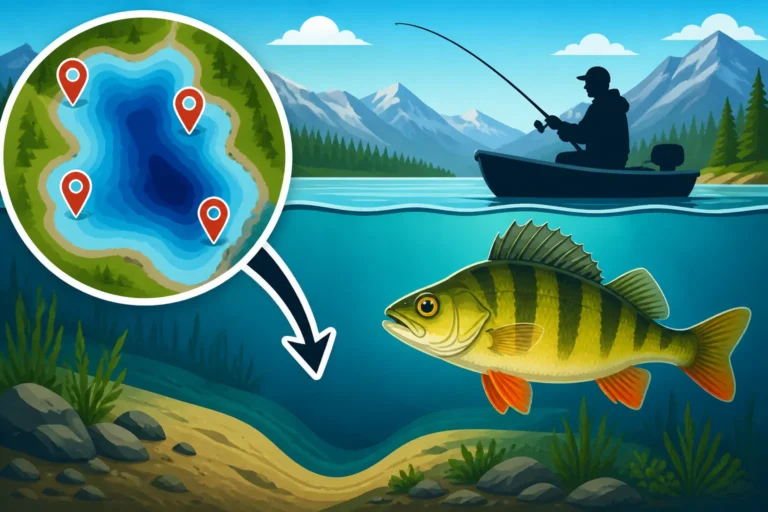
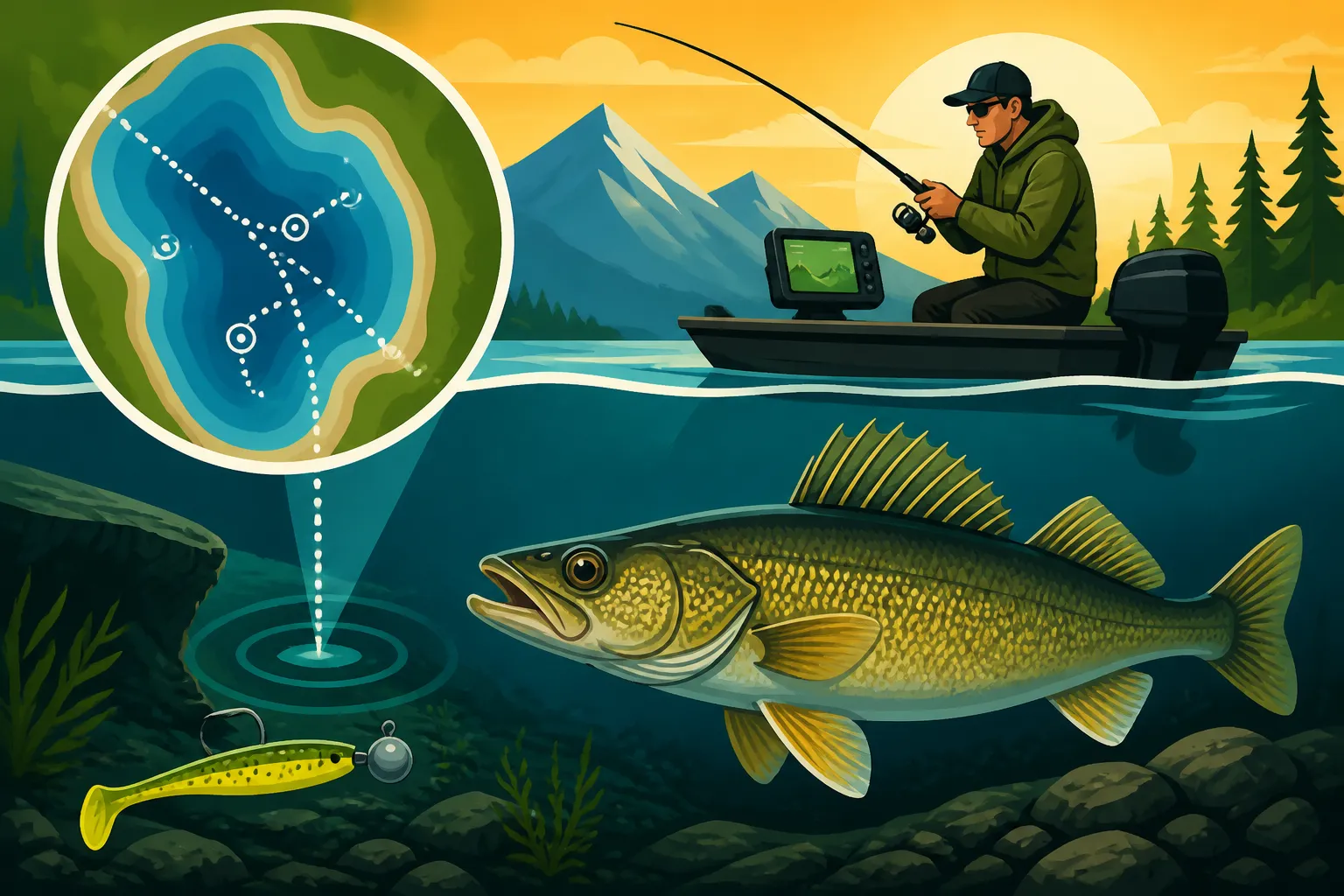
Your first step should always be to consult bathymetric charts and satellite images of the lake. These are goldmines of information. A good bathymetric chart, often available through apps like Navionics or physical map books, will show you the contours of the lake bottom: the deep holes, the humps, the drop-offs, and the old river channels. Walleye are creatures of structure and transition zones, so these maps instantly highlight potential hotspots. You’re looking for areas where depths change rapidly, or where underwater features like saddles between humps might funnel baitfish. Satellite images, easily found with a quick online search, can reveal shorelines, visible weed beds, public access points, and even potential current breaks around points or inlets. Knowing where the boat launches are, or where you can safely wade, saves valuable time on the water.
Beyond maps, scour online fishing forums, local angling groups on social media, or even the websites of bait shops near your destination. While you won't find specific GPS coordinates, you might pick up on general patterns: "the walleye bite has been good on the north end," or "they're hitting jigs on the deeper breaks." This kind of anecdotal evidence, when combined with your map study, starts to paint a picture. Remember that Alberta Fishing Regulations Explained often highlights specific areas or conditions, which can also provide clues about fish behavior or popular spots. These insights can save you hours of aimless searching.
Understanding the Lake's Unique Characteristics
Every lake has its own personality, and understanding these unique traits is crucial for patterning walleye. Is the water generally clear or stained? Walleye are notorious for being light-sensitive, so in clear lakes, they'll often hold deeper or tighter to cover during bright daylight, moving shallower at dawn, dusk, or under heavy cloud cover. In stained or murky water, they might be shallower throughout the day, as the reduced light penetration makes them feel more comfortable. Think about the bottom composition too: is it rocky, sandy, or mucky? Walleye typically prefer harder bottoms like rock or gravel, especially for spawning and feeding, but they'll also relate to weed lines in sandy or muddy areas where baitfish congregate.
Consider the presence and type of weeds. Dense cabbage or coontail beds can hold significant numbers of walleye, particularly if they have distinct edges or pockets. Knowing the common types of vegetation in Alberta lakes can help you anticipate where the fish might be. Finally, think about the general seasonal patterns in Alberta. Are you fishing in the spring when walleye are often shallower, relating to spawning grounds or early season feeding areas? Or is it the heat of summer, when they might push deeper to cooler, oxygen-rich water? Perhaps it's fall, and they're aggressively feeding on baitfish schools before winter sets in. While general rules apply, each lake might have subtle differences, so keep an open mind and be ready to adapt. You might find some excellent information in a general guide like Best Fishing Lakes in Alberta or Best Fishing Rivers in Alberta to give you a broad overview of the water body types.
On-the-Water Exploration: Finding the Walleye's Haunts
Once you've done your homework and are finally on the water, the real detective work begins. It’s no longer about guessing; it’s about actively searching, observing, and letting the lake tell you its secrets. This phase is where your pre-trip intel meets reality, and you start piecing together the puzzle of walleye location.
Systematic Search Strategies
Blindly cruising around hoping to stumble upon fish is a recipe for frustration. Instead, employ systematic search strategies. Start with the areas you identified during your reconnaissance as high-probability spots: prominent points, distinct humps, underwater reefs, deep-water breaks, or the edges of extensive weed beds. Walleye are often associated with these types of structures because they offer ambush points for feeding and protection. When you’re looking for How to Catch Walleye in Alberta, these are your starting points.
A common and effective strategy is to work these features methodically. For instance, if you're targeting a point, start by fishing its shallower sides, then move deeper along the breakline, covering different depths and angles. If you find one fish, there are often more. Pay close attention to your electronics. Your fish finder isn't just for showing fish; it's also crucial for understanding bottom contours, depth changes, and identifying hard vs. soft bottom. Look for schools of baitfish, which are often a telltale sign that predatory walleye are nearby. Mark any interesting bottom features or baitfish schools on your GPS with a waypoint. Even if you don't catch a walleye there immediately, it could be a productive spot at a different time of day or under different conditions. A quality fish finder, which you can often find a great selection of on Amazon, can make all the difference in uncovering these hidden structures. For more specifics, check out our guide on Best Fish Finders for Alberta Lakes.
Adjusting to Conditions: Weather and Time of Day
Walleye behavior is heavily influenced by external conditions, and a good angler learns to adapt. Wind, sun intensity, cloud cover, and even barometric pressure can dictate where walleye position themselves and how aggressively they feed. On bright, calm, sunny days, walleye tend to shy away from intense light, often moving deeper or tucking into dense cover like thick weed beds or under docks if available. They might become less active, requiring a slower, more subtle presentation. This is where patience is key, and it's easy to get frustrated on such days.
Conversely, cloudy days, choppy water (a "walleye chop"), or low light periods like dawn and dusk often bring walleye shallower and make them more active. The reduced light gives them a confidence boost, and the chop breaks up light penetration, obscuring them from their prey while also making them harder for prey to spot. Pay attention to changes in barometric pressure; a falling barometer often signals an approaching front, which can sometimes trigger a feeding frenzy before the weather really turns. Understanding Best Time of Day to Catch Walleye is critical. If you're encountering tough conditions, like a sudden drop in temperature, our article on Cold Front Fishing Tactics for Alberta Walleye might offer some valuable insights specific to Alberta's unpredictable weather. Always be ready to adjust your depth, lure presentation, and even your location based on what the weather is doing.
The Walleye Patterning Process: Cracking the Code
Once you've done your initial research and started exploring the lake, the real work of "patterning" begins. This isn't just about catching a fish; it's about figuring out why you caught it, and how to replicate that success. It's like being a detective, looking for clues and connecting the dots.
Identifying Key Variables
Patterning walleye involves breaking down every successful catch into its core variables. Think of it as creating a recipe for success on that particular day, on that specific lake.
- Depth: This is one of the most fundamental variables. Were the walleye shallow (say, 5-10 feet), in mid-depths (15-25 feet), or holding really deep (30+ feet)? The depth at which you find the first fish is a huge clue. If you catch one at 18 feet, odds are good that other active walleye will be at a similar depth around similar structure. Your fish finder is essential for determining the precise depth.
- Structure/Cover: What was the fish relating to when it bit? Was it on the tip of a rocky point, along a hard breakline, inside a pocket in a weed bed, on top of an isolated hump, or near submerged timber? Walleye are masters of using their environment for ambush. Knowing the type of structure is often more important than the exact GPS coordinate.
- Bait: What were the walleye feeding on? Sometimes, you can literally see baitfish on your sonar, or even spitting out minnows when you land a walleye. Understanding What walleye eat in Alberta lakes is critical for choosing the right lures. Are they targeting perch, ciscoes, shiners, or something else? Your lure choice should ideally "match the hatch" in terms of size and profile.
- Presentation: This is where technique comes in. Were they hitting a jig bounced slowly along the bottom, a crankbait trolled at a specific speed, or a spinner rig tipped with a minnow? What color was the lure? What size? Did a subtle twitch work, or a steady retrieve? Even the retrieve speed can be the difference between a bite and nothing. Don't be afraid to experiment with your retrieves.
- Time: Was there a specific time of day or light condition when the bite occurred? Walleye often have distinct feeding windows. If you caught fish at dawn, try to be on that same spot, with the same pattern, at dawn the next day. Sometimes, it's not just the time of day, but also factors like light intensity or wind direction that activate the fish. The What water temperature walleye prefer can also play a role, making certain times more productive as temperatures hit their sweet spot.
Experimentation and Adaptation
The journey to patterning walleye involves a lot of trial and error. Start your day with a "milk run" – hitting those high-percentage spots you identified during your pre-trip intel. Don't linger too long if you're not getting bites. Instead, try different presentations. If jigging isn't working, switch to trolling crankbaits or snap-jigging soft plastics. Vary your lure colors, sizes, and retrieve speeds. Maybe the fish aren't aggressive enough for a fast retrieve, and a slower, more methodical approach is needed.
The key is to apply the F.A.S.T. approach:
- Find them: Use your electronics and explore different structures.
- Analyze: Once you get a bite or see fish, stop and analyze all the variables mentioned above. What depth? What structure? What lure/bait?
- Select: Choose the right lure and presentation that matches your analysis.
- Tempt them: Stick with that pattern until it stops producing, then start the process again.
Don't be afraid to change things up. If your primary approach isn't working, try moving to a completely different type of structure or depth. Maybe the walleye aren't on the main lake points but are tucked into a quiet bay, or vice-versa. Adaptation is the name of the game, especially on an unfamiliar lake. Having a diverse tackle box, which you can easily stock up on from a retailer like Amazon, gives you the versatility you need to adapt. Our guide on Best Baits for Walleye on Lesser Slave Lake offers some specific bait ideas that can be adapted to many Alberta waters.
Gear and Tools for Success
Having the right equipment won't guarantee fish, but it certainly stacks the odds in your favor. On an unfamiliar lake, good gear helps you explore efficiently, understand the underwater world, and present your baits effectively.
Essential Electronics and Navigation
Modern electronics are indispensable for patterning walleye, especially when you're fishing new water. A reliable GPS unit, whether standalone or integrated into your fish finder, is crucial. Use it to mark waypoints for every fish caught, every school of baitfish spotted, and every interesting piece of structure you discover. Over time, these waypoints will reveal patterns, showing you where and when the walleye are most active.
Your fish finder is arguably the most important tool for on-the-water reconnaissance. It doesn't just show you fish; it reveals the lake's hidden topography. You'll be looking for changes in bottom hardness (which often appear as thicker lines on the sonar), drop-offs, humps, and the all-important schools of baitfish that walleye actively hunt. Some advanced units even offer side imaging or down imaging, giving you a crystal-clear view of structure around and below your boat. Pair this with detailed mapping software, either built into your unit or on a tablet, to cross-reference what you see on screen with the contours of the lake. This combination is your best friend for quickly deciphering a new lake's secrets. Many anglers find great deals on these essential electronics on Amazon.
Versatile Tackle and Lures
When you're exploring an unfamiliar lake, you can't assume what the walleye will be biting. Therefore, a versatile tackle selection is key. You need options for different depths, water clarities, and fish moods.
Start with a good selection of jigs:
- Jig Heads: Have a range of weights (1/8 oz to 1 oz) for different depths and wind conditions.
- Soft Plastics: Bring various colors and shapes like grubs, paddle tails, and minnow imitations. Natural colors (green pumpkin, black, white) are always good, but don't forget brighter options (chartreuse, orange) for stained water.
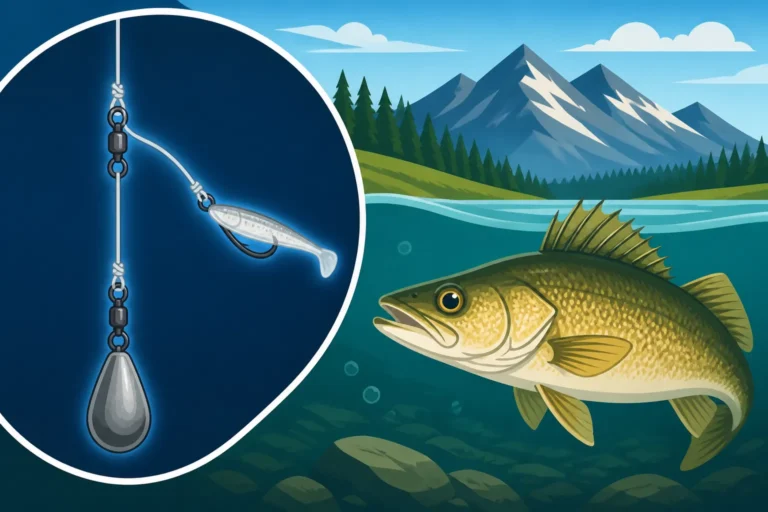
- Live Bait Rigs: Always have some spinner rigs, bottom bouncers, and plain snells ready to tip with live minnows, leeches, or nightcrawlers. Sometimes, natural bait is the only thing that will trigger a bite.
Crankbaits are also essential, particularly for trolling or covering water quickly:
- Diving Depths: Carry crankbaits that dive to various depths (shallow runners, medium divers, deep divers) so you can target different parts of the water column.
- Colors: Again, a mix of natural baitfish patterns and brighter, more aggressive colors is advisable.
- Sizes: Have a few different sizes to match the local forage.
Don't forget some spoons for vertical jigging, especially in deeper water or during cooler months. Having a well-organized tackle box, perhaps one you picked up from Amazon, with these versatile options will ensure you're prepared for whatever the lake throws at you. You can find more specific recommendations in our detailed guide on Best Tackle for Alberta Walleye. And remember, a good landing net is essential, not just for landing fish, but for safely releasing those you don't intend to keep.
| Variable | What to Look For | Why It Matters |
|---|---|---|
| Depth | Specific depths where bites occur (e.g., 15 feet) | Walleye school at specific depth ranges for comfort and feeding. |
| Structure/Cover | Points, humps, weed lines, breaklines, rock piles, timber | These offer ambush points, shelter, and hold baitfish. |
| Bottom Type | Hard bottom (rock, gravel) vs. soft (mud, sand) | Walleye often prefer harder bottoms; soft bottoms can hold weeds. |
| Baitfish | Schools on sonar, what's in walleye stomachs | Matching your lure to the primary forage is key. |
| Water Clarity | Clear, stained, or murky | Affects walleye comfort, depth, and lure color preference. |
| Weather/Light | Sunny, cloudy, windy, calm, time of day | Influences walleye activity levels and depth. |
| Lure Type | Jigs, crankbaits, spinner rigs, soft plastics | Different lures are effective for different moods and depths. |
| Lure Color | Natural, bright, dark | Can make a huge difference depending on water clarity and light. |
| Presentation | Slow jig, fast troll, steady retrieve, erratic twitch | How you work the lure can trigger bites. |
Disclaimer
This article is for general informational purposes only and does not constitute professional advice. Laws, prices and regulations vary by location and change over time. Consult a qualified professional for guidance on your specific situation.