How to catch trout right after stocking in Alberta
There's nothing quite like the excitement of hitting your favorite Alberta lake or pond right after it's been freshly stocked with trout. We've all been there: you see the notice, you get your gear ready, and you head out with high hopes, only to find that these "easy" fish can be surprisingly finicky. It's frustrating when you expect a quick bite and instead, you're left wondering if the fish are even there! This guide is going to walk you through the nuances of catching trout right after stocking in Alberta, helping you understand their immediate behavior and giving you the best strategies to get them to bite.
The Initial Shock: Understanding Freshly Stocked Trout Behavior
When trout are released from a hatchery into a new lake or pond, they're not exactly in their natural element. Imagine being plucked from your comfortable home and dropped into an entirely new neighborhood – you'd be a little disoriented, right? That's precisely what these fish experience, and it significantly impacts how they behave in those crucial first few days.
From Hatchery to Wild: The Acclimation Period
The journey from a controlled hatchery environment to a sprawling lake or pond is a massive shock for trout. In the hatchery, they're accustomed to a consistent diet of pellets, stable water temperatures, and the absence of natural predators. Once they hit the wild water, everything changes in an instant. The water temperature might be different, the light conditions are harsher, and there are strange smells, sounds, and movements all around them. This immediate stress can cause them to shut down initially, making them less inclined to feed aggressively. They're more focused on survival and finding a safe spot than chasing after your bait. This acclimation period can last anywhere from a few hours to a few days, depending on the fish and the conditions of the new water. Understanding this initial stress helps you adjust your expectations and your techniques.
Predator-Prey Instincts (or Lack Thereof)
One of the biggest differences between hatchery-raised trout and wild trout is their understanding of the food chain. Wild trout are finely tuned predators, instinctively knowing what to hunt and how to avoid being hunted themselves. Stocked trout, however, have lived a sheltered life. They've been hand-fed pellets, often without having to actively forage or chase their food. This means their natural predator-prey instincts are underdeveloped. They might not immediately recognize minnows, insects, or even worms as food. Instead, they might be drawn to things that visually or texturally resemble the pellets they're used to, or simply to something that looks easy to catch without much effort. This is why certain baits, which we'll discuss shortly, tend to work so well for them. It’s not about mimicking natural forage as much as it is about appealing to their conditioned feeding habits or triggering a pure reaction strike.
Schooling and Dispersal Patterns
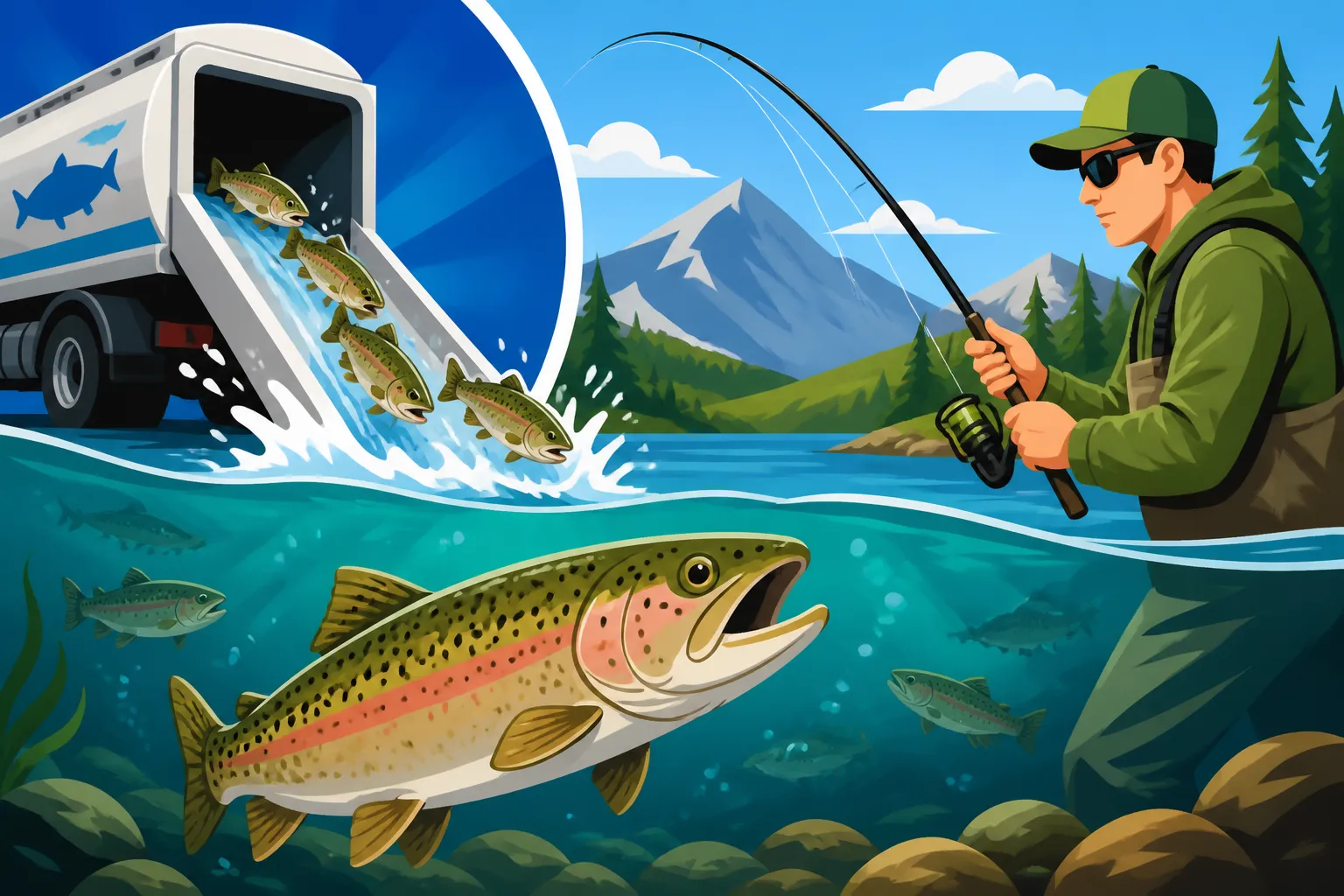
When a truckload of trout is dumped into a body of water, they often remain in a tightly packed school initially. This schooling behavior is a natural defense mechanism – there's safety in numbers, especially in an unfamiliar environment. They might mill around the release point for a while before slowly beginning to explore their new surroundings. Over the next few days, as they acclimate and feel more secure, they'll start to disperse throughout the lake or pond, seeking out different types of cover and food sources. This initial tight grouping means that if you find one, you'll likely find many! But it also means that if you're fishing far from the release point on day one, you might not have as much luck. Observing where other anglers are congregating, or simply starting your search near obvious access points, can be a good strategy.
Tried and True Tactics for Hungry Stockers
Now that we understand a bit more about what's going on in the trout's head, let's talk about the practical side of things. How do we actually entice these disoriented, pellet-fed fish to bite? It's all about making your offering irresistible and easy for them to find.
The Power of Bait: Pellet Imitations and Beyond
When it comes to newly stocked trout, bait is often king. These fish are conditioned to recognize a certain smell and texture from their hatchery food, and smart anglers leverage this.
- PowerBait and Dough Baits: Hands down, these are often the most effective. Brands like Berkley PowerBait come in various colours, scents, and forms (dough, nuggets). The key is that they often float, lifting your hook off the bottom and right into the trout's strike zone. They also have a strong, artificial scent that these fish are already familiar with. You can find a huge selection of these baits on Amazon, making it easy to experiment with different options. Try bright, fluorescent colours like chartreuse, orange, or rainbow. A small pea-sized ball is usually all you need.
- Corn: Believe it or not, a single kernel or two of canned corn on a small hook can be incredibly effective. It's often used in hatcheries as a 'treat' or for specific feeding regimes, so trout sometimes recognize it as food. It's also bright, has a distinct smell, and is easy for them to ingest.
- Worms: While not exactly a pellet imitation, a small piece of a garden worm or a whole tiny red wiggler is a classic for a reason. Worms offer natural movement, scent, and are a universal attractant for many fish species, including trout. Even if the trout aren't actively foraging for insects yet, the wiggling action can trigger an instinctive bite.
- Marshmallows: Small pieces of marshmallow, especially scented ones, can also work. Like PowerBait, they float, lifting your hook. The soft texture is easy for trout to mouth and swallow.
When fishing with bait, present it on a light line (4-6 lb test fluorocarbon or monofilament) with a small, sharp hook (size 8 or 10 is usually good). Use a very light sinker, just enough to cast, or fish it under a bobber to suspend your bait at various depths until you find where the fish are holding.
Simple Lures: Flash and Vibration
If bait isn't producing, or if the fish have been in the water for a day or two and are starting to become a little more active, lures can be incredibly effective. The goal here is to trigger a reaction strike, rather than relying on their feeding instinct.
- Small Spinners: Classic inline spinners like a Mepps or Rooster Tail, in sizes #0 to #2, are excellent. The flashing blade and vibration they create are highly attractive. Trout, even stocked ones, often can't resist a flashy, fleeing "prey" item. Silver and gold blades are always good, but don't be afraid to try some with bright painted blades in chartreuse or orange. A slow, steady retrieve is usually best to keep the blade spinning effectively.
- Spoons: Small casting spoons, think a Little Cleo or a Daredevil in the 1/16 to 1/8 oz range, are also fantastic. Their wobbling action and flash mimic a struggling baitfish. Again, silver, gold, or bright colour patterns work well. Cast them out and retrieve with a slow wobble, or use a jigging retrieve if you're fishing deeper water.
- Small Jigs: Tiny marabou jigs or even plastic grub jigs (1/32 to 1/8 oz) can be deadly. The key is to fish them slowly, imparting subtle twitches to give them a lifelike action. These can be particularly effective if the trout are holding deeper or if the water is a bit colder. Try white, black, or chartreuse colours. You might even find some specialized trout jigs on Amazon designed for these scenarios.
Fly Fishing for Recently Stocked Trout
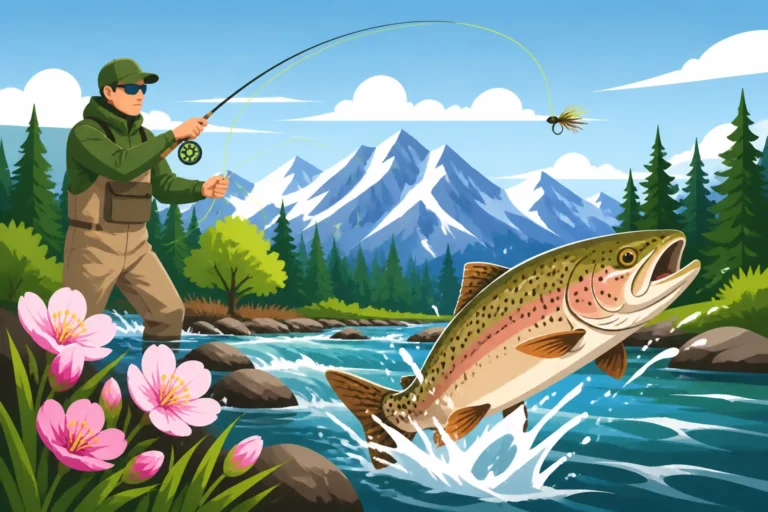
For the fly anglers out there, don't despair! While dry flies might not be the immediate go-to for freshly stocked fish, nymphs and attractor patterns can absolutely fool them.
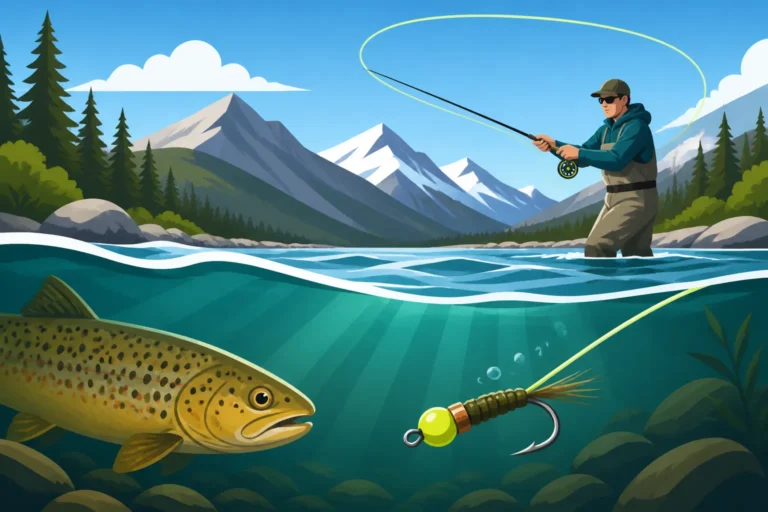
- Nymphs: Small, generic nymph patterns like a Prince Nymph, Pheasant Tail Nymph, or a Hare's Ear can work. These mimic aquatic insects, and while the trout may not be actively feeding on natural insects yet, the profile and movement can be enough to trigger a curious strike. Fish them under a strike indicator with a slow drift.
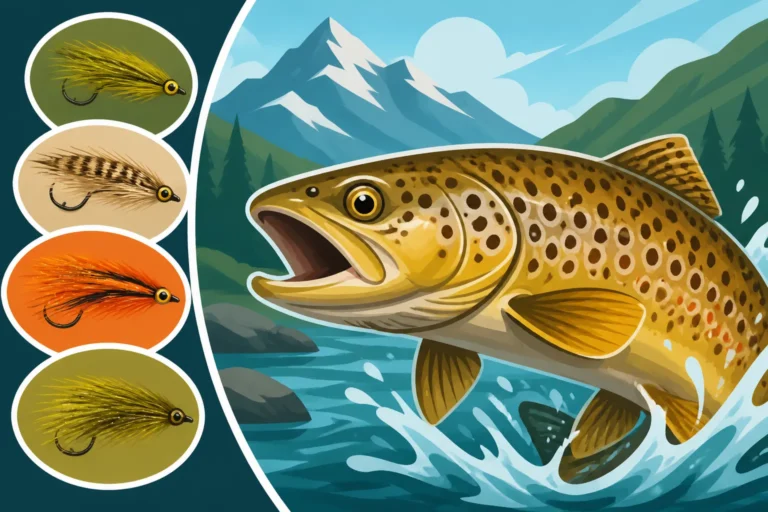
- Woolly Buggers: This is often the ultimate attractor pattern. A small black, olive, or white Woolly Bugger, slowly stripped or retrieved, can be incredibly effective. The movement of the marabou tail and hackle imitates many types of aquatic life, and its general buggy appearance is hard for a trout to ignore.
- Chironomids (Buzzers): In stillwater lakes, chironomid pupae are a common food source, and even stocked trout will key into them eventually. Fishing a small chironomid pattern suspended under an indicator can be very productive, especially a day or two after stocking.
The key with fly fishing these stocked trout is a delicate presentation and often slower retrieve speeds than you might use for aggressive wild trout. Think smaller patterns, lighter tippet, and gentle action. If you're new to fly fishing, this can be a great place to start, as the fish are less wary than truly wild trout.
Presentation is Key: Slow and Steady
Regardless of whether you're using bait or lures, how you present it makes a huge difference. These aren't typically fish that are going to chase your offering aggressively across the lake. They're often lethargic, a bit confused, and looking for an easy meal.
- Slow Retrieve: For lures, a slow, consistent retrieve is often more effective than fast reeling. Allow spinners to just barely turn, and spoons to wobble enticingly.
- Still Fishing: With bait, often the best approach is to simply cast it out and let it sit. The scent will draw them in, and the floating bait will position itself perfectly.
- Subtle Jigging: If you're using jigs, small twitches and pauses are better than aggressive jerking. Let the jig fall naturally, then give it a gentle lift.
- Finding the Depth: Experiment with different depths. Sometimes they're right near the surface, other times they've sunk to the bottom, or are suspended somewhere in between. A good bobber rig or a floating bait can help you explore these depths easily.
Here's a quick comparison of popular options for those fresh stockers:
| Method | Best For | Key Characteristics | Tips for Success |
|---|---|---|---|
| Dough Baits | Very recently stocked, shy fish | Strong scent, floats, pellet-like | Small glob, light sinker, let it sit on bottom |
| Worms | Slightly more active, natural appeal | Wiggling action, natural scent | Small piece on light hook, suspend under bobber |
| Spinners | Acclimating fish, reaction bites | Flash, vibration, mimics baitfish | Slow, steady retrieve, try different colours |
| Spoons | Deeper water, reaction bites | Wobble, flash, covers more water quickly | Cast and retrieve slowly, or jig vertically |
| Nymphs | Fly anglers, subtle approach | Mimics insects, natural drift | Under indicator, dead drift, small twitches |
| Woolly Buggers | Fly anglers, active presentation | Attractor pattern, general buggy imitation | Slow strips, varied retrieves, dark or olive colors |
Reading the Water: Where Stocked Trout Settle In
Knowing what to use is only half the battle; knowing where to use it is just as important. Stocked trout don't just spread out evenly across a lake. They tend to gravitate towards specific areas for comfort, safety, or perceived food sources.
Shoreline Access and Depth
Many stocking efforts happen at easily accessible points, like boat launches or designated fishing piers. This means that initially, a good number of fish will still be concentrated in these areas or will have moved only a short distance from them. Don't be afraid to fish directly off the pier or very close to shore in the days immediately following a stocking event.
Pay attention to depth contours close to shore. Often, trout will hug the bottom in slightly deeper pockets right off the bank. They feel safer there, away from the surface and direct sunlight, and it provides a sense of cover in an otherwise open environment. Look for areas where the bottom drops off sharply within a few feet of shore. If you can, slowly explore these drop-offs with your bait or lure, working it at different depths. For deeper insights into finding the best spots, check out our guide on Best Shore Fishing Spots in Alberta.
Structure and Cover: A Sense of Security
Even disoriented stocked trout will instinctively seek out structure and cover. This offers them protection from perceived threats (like you!) and a place to rest.
- Weed Beds: While thick weeds can be a nightmare to fish in, the edges of weed beds provide excellent cover. Trout will often cruise these edges, feeling secure and waiting for anything that might come their way. Fish just outside the densest part of the weeds, or try to find pockets within them where you can present your bait or lure without snagging.
- Submerged Logs and Rocks: Any underwater obstruction can act as a magnet for fish. These provide shade, a break from current (if any), and a sense of security. Cast your offering close to these structures, but be prepared for snags. Sometimes, casting slightly beyond the structure and retrieving past it will draw a fish out.
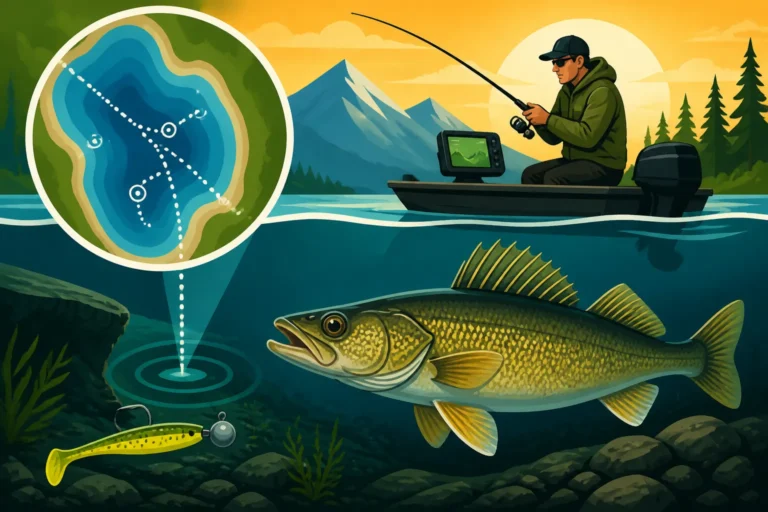
- Drop-offs and Ledges: As mentioned with shorelines, deeper water provides comfort. Look for areas where the lake bottom abruptly drops into deeper sections. These ledges are often highways for fish, and stocked trout will sometimes congregate along them. Your fish finder, if you have one, can be invaluable for locating these areas, or look for visible changes in water colour or texture on the surface.
Inlet and Outlet Zones: New Food Sources
If the stocked lake or pond has any incoming streams (inlets) or outgoing channels (outlets), these can be prime locations.
- Inlets: Streams flowing into a lake bring in fresh, oxygenated water, and often carry natural food sources like insects, larvae, and even small baitfish. This can be a natural attractant for trout as they start to explore and develop their feeding instincts. Fish your bait or lure right where the stream meets the lake, letting the current naturally carry your offering into the main body of water.
- Outlets: While less common for drawing in food, outlets can create subtle currents that concentrate food items or simply make the fish feel more at home in moving water. They can also be a point of curiosity for exploring fish. If you're lucky enough to find a stocked pond with a small outflow, it's worth checking out.
Always remember that fishing pressure can quickly make these fish wary. The first few days after stocking are usually the most productive, but as more anglers hit the water, the trout will become smarter and harder to catch.
Beyond the Catch: Maximizing Your Success and Enjoyment
Catching fish is fantastic, but a truly great day on the water involves more than just reeling them in. It's about respecting the resource, understanding the rules, and honing your skills.
Ethical Angling and Handling
When you're targeting stocked trout, especially if you plan on releasing some, ethical angling practices are paramount. Even though these fish are typically raised for harvest, gentle handling ensures that any fish you release have the best chance of survival.
- Minimize Handling: Try to keep the fish in the water as much as possible. If you must handle it, wet your hands first to protect its protective slime coat.
- Barbless Hooks: Many experienced anglers opt for barbless hooks, or simply crimp the barb on their existing hooks. This makes hook removal quicker and less damaging to the fish's mouth. In some Alberta waters, Alberta Barbless Hook Requirement Waters are actually mandated, so always check the regulations.
- Quick Release: If you're releasing a fish, do it quickly. Hold the fish gently in the water, facing into any current, until it regains its strength and swims away on its own. Avoid tossing it back.
- Know Your Limits: Stocked ponds are often managed with specific bag limits. Be aware of the Alberta Bag and Possession Limits by Species for trout in your specific zone.
Practicing these habits not only helps the fish but also contributes to a healthier fishery for everyone.
The Value of Patience and Observation
Fishing, especially for freshly stocked trout, isn't always an instant gratification game. There will be days when the fish are biting like crazy, and days when they seem to have lockjaw.
- Observe Other Anglers: When you arrive at a stocked pond, take a moment to observe what other anglers are doing. Are they catching fish? What are they using? Where are they casting? While you might not want to crowd them, their success (or lack thereof) can give you valuable clues.
- Experiment: Don't be afraid to switch baits, lures, or even locations. If one thing isn't working after 15-20 minutes, try something else. Vary your retrieve speed, try different depths, or change the color of your bait. Often, a slight adjustment is all it takes to find what the fish want.
- Time of Day: While stocked trout can bite all day, low light conditions (early morning and late evening) are often prime times when the fish feel more comfortable moving and feeding. Even a short trip during these windows can be more productive than a long midday session.
- Weather Conditions: Overcast days or light rain can often turn on the bite, as it can make the fish feel more secure. Conversely, bright, sunny days can make them retreat to deeper water or dense cover.
Checking Regulations: Know Before You Go
Before you even tie a knot, make sure you've got your ducks in a row with Alberta's fishing regulations. This is non-negotiable for a responsible angler.
- Alberta Fishing License: You absolutely need an Alberta Fishing License Guide for 2026. Make sure it's valid for the current season. You can generally purchase these online through the MyWildAlberta portal or at licensed vendors. You'll also need an Alberta WIN Card, Explained.
- Specific Waterbody Rules: Even though a lake is stocked, it might have specific regulations that differ from general provincial rules. These can include bait restrictions, special harvest limits, or even unique season dates. Always consult the current Reading the Alberta Guide to Sportfishing Regulations to confirm the rules for your chosen spot. Pay close attention to any "Special Regulation Waters" sections.
- Youth and Senior Exemptions: Remember, there are exemptions for younger anglers and seniors. For instance, you might be wondering, Do Alberta Residents Under 16 Need a Fishing License? and Do Alberta Seniors Over 65 Need a Fishing License? It's essential to understand these rules to avoid any issues.
Taking the time to understand and follow these regulations not only keeps you on the right side of the law but also helps conserve Alberta's fantastic fisheries for future generations of anglers. There's nothing worse than getting a fine because you weren't aware of a specific rule.
Stocked trout fishing can be some of the most accessible and rewarding angling Alberta has to offer, especially for families or beginners. With a little understanding of their unique behavior and the right approach, you can turn those frustrating slow days into memorable outings filled with plenty of action. Good luck out there, and tight lines!
Disclaimer
This article is for general informational purposes only and does not constitute professional advice. Laws, prices and regulations vary by location and change over time. Consult a qualified professional for guidance on your specific situation.