Alberta yellow perch limit
One of the trickiest parts about fishing in Alberta, especially for species like yellow perch, is navigating the ever-changing and often confusing regulations that dictate how many you can keep. It’s easy to feel overwhelmed by the sheer volume of rules, leading to worries about accidentally breaking them and facing unnecessary fines. This guide is here to cut through the confusion, clearly explaining Alberta's yellow perch limit and how to easily find the most up-to-date information for your next fishing adventure.
Understanding Alberta's Yellow Perch Regulations
It’s a common frustration among anglers: you head out to your favourite lake, reel in some beautiful yellow perch, and then suddenly realize you’re not entirely sure how many you’re actually allowed to keep. The regulations in Alberta are designed to protect our precious fisheries, but they can definitely feel like a maze at times.
Why Perch Limits Matter for Our Lakes
When we talk about bag limits for any species, including yellow perch, it’s not just about giving you a number to stick to. There's a much bigger picture at play here, one that directly impacts the health and longevity of our fishing opportunities. Yellow perch, while often seen as abundant, play a crucial role in the aquatic ecosystem. They're a favourite food source for larger predatory fish like walleye and pike, and their own populations need to remain healthy to support that food web.
Overharvesting, even of a seemingly common species, can lead to a decline in population numbers. This can throw off the balance of the entire lake, potentially impacting the size and health of other fish species you might target. Alberta Environment and Protected Areas (AEPA) sets these limits based on scientific assessments of fish populations, waterbody health, and angling pressure. These limits are a vital tool in ensuring that anglers today, and generations to come, can enjoy the thrill of catching perch. Think about it as an investment in your future fishing trips; adhering to these limits helps keep those populations robust and ready for your next cast.
The General Provincial Yellow Perch Limit
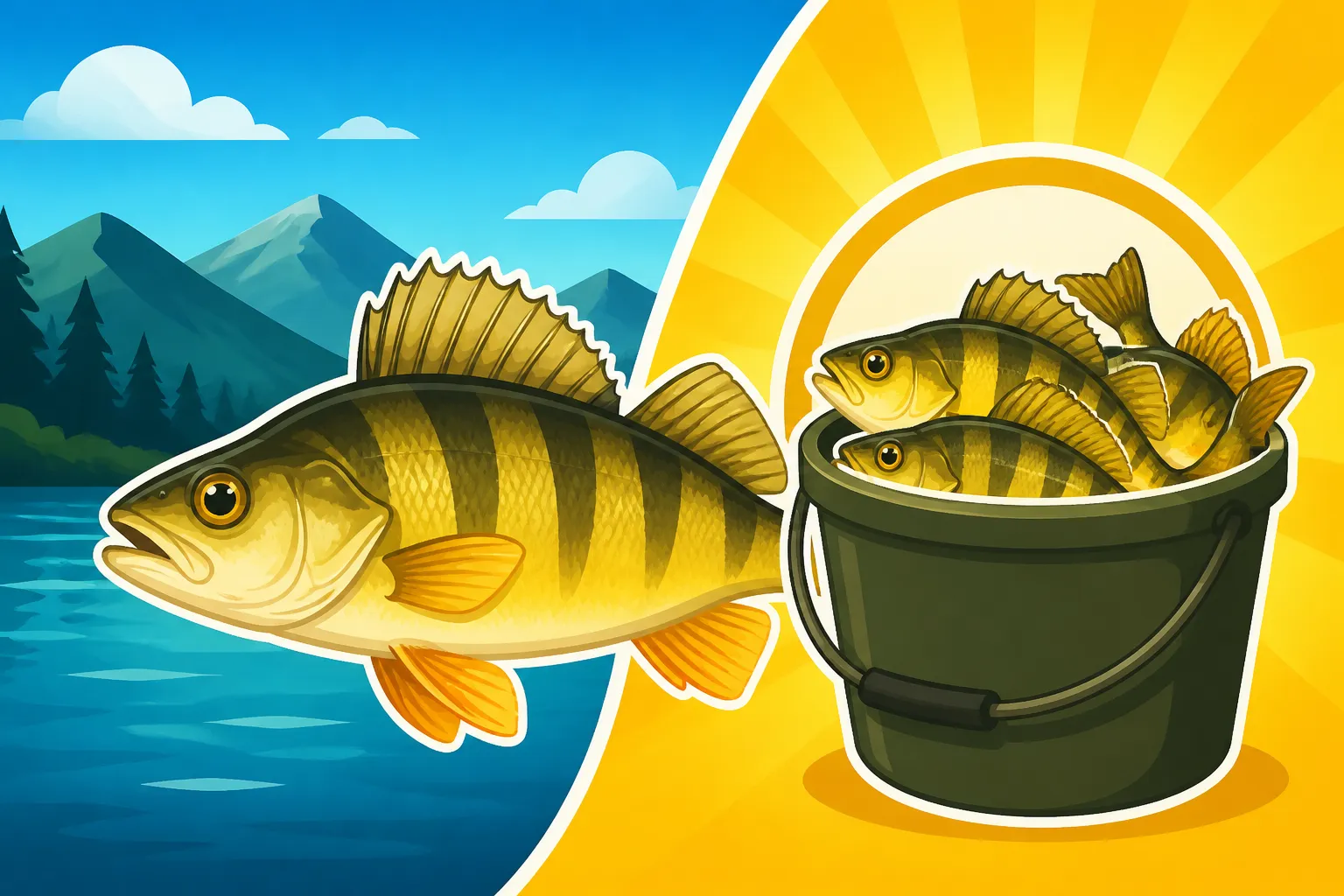
Alright, let's get down to the brass tacks: what's the general rule for yellow perch? Across much of the province, the default daily bag limit for yellow perch is 15 fish. This means that in any single day, you are generally permitted to harvest and keep up to 15 yellow perch. This is a pretty generous limit, reflecting the generally healthy populations of perch in many Alberta waters.
However, and this is where it gets a little tricky, it's absolutely critical to understand that this "general" limit is a starting point, not an absolute. Many specific waterbodies across Alberta will have their own unique regulations that might differ from this provincial standard. These special regulations can be more restrictive, sometimes even a lower limit, or in very rare cases, even a catch-and-release only rule for perch in certain sensitive areas. It’s never safe to assume the general limit applies everywhere.
Zone-Specific and Waterbody-Specific Exceptions
This is where the real complexity, and often the confusion, kicks in. Alberta is divided into several fishing management zones, and within those zones, individual lakes, rivers, and even sections of rivers, can have specific rules. For example, a small stocked pond just outside of Edmonton might have a different perch limit than a large natural lake in northern Alberta. The reasons for these variations are numerous: a particular lake might be experiencing higher angling pressure, or its perch population might be more susceptible to environmental factors, necessitating a stricter limit.
It's not uncommon to find a lake where the yellow perch limit is reduced to, say, 5 or 10 fish per day, or perhaps even where there's a specific size restriction in place to protect larger, spawning perch. These localized rules are crucial for maintaining the delicate balance in smaller ecosystems. This is why just knowing the provincial general limit isn't enough; you absolutely need to check the specific regulations for the precise body of water you plan to fish. Ignoring these specific rules is a common mistake that can easily lead to an Alberta fishing without a license penalty if you’re caught with an over-limit, even if it was unintentional.
How to Find the Current Yellow Perch Limit for Your Fishing Spot
Feeling a bit overwhelmed trying to keep all these specific rules straight? You're not alone. The good news is that Alberta provides excellent resources to help anglers stay compliant. The key is knowing where to look and how to use those tools effectively.
The Alberta Guide to Sportfishing Regulations
This is your Bible, your almanac, your go-to source for all things fishing regulations in Alberta. The Alberta Guide to Sportfishing Regulations is published annually and contains every single regulation you need to know, from general provincial rules to specific limits for individual waterbodies. You can pick up a physical copy at most tackle shops, outdoor retailers like Cabela's or Bass Pro Shops, or even some local convenience stores across Alberta. If you prefer to have it delivered right to your door, it's often available for purchase through online retailers like Amazon.
When you get your hands on a copy, don't just glance at it. Take the time to really read through the sections relevant to your fishing plans. You'll find sections dedicated to Alberta Bag and Possession Limits by Species, specific waterbody listings, and important general regulations. The guide is usually organized by fishing zones, then alphabetically by waterbody within each zone. This is where you’ll locate your specific lake or river and see if it has any special conditions that override the general provincial limit for yellow perch. Always double-check the year of the guide to ensure you're looking at the most current information, as regulations can and do change annually.
Using the MyWildAlberta Portal and App
In today’s digital age, relying solely on a physical booklet can be tough, especially if you’re out on the water and suddenly need to confirm a rule. Thankfully, the Alberta government has embraced technology to make this much easier. The MyWildAlberta website is an invaluable online resource, hosting a digital version of the sportfishing regulations. Even better, they have an official app, which is a total game-changer for many anglers.
The Alberta Fishing Regulations App and Zone Lookup, Explained is designed to be user-friendly. You can download it to your smartphone and use it to search for specific waterbodies by name or even by location. The app will then pull up all the relevant regulations for that particular spot, including the yellow perch limit, any size restrictions, and season dates. It’s incredibly convenient to have this information right in your pocket. Imagine you're exploring a new lake near Lesser Slave Lake for the first time; instead of guessing or driving back to town for a guide, you can just open the app, search for "Lesser Slave Lake" or the specific name of the smaller lake, and get instant clarity on the perch limit. This digital tool is regularly updated, so you can be confident you’re getting the most current information available, which is key to avoiding accidental infractions. If you're a serious angler, learning How to use the Alberta sportfishing regulations app is a must.
Practical Scenarios and Common Misconceptions About Perch Limits
Even with the guide and the app, there are still some nuanced aspects of fishing limits that can trip up even experienced anglers. Let's clear up some common areas of confusion, especially when it comes to yellow perch.
Daily Limit vs. Possession Limit
This is perhaps one of the most misunderstood concepts in fishing regulations. It’s absolutely vital to grasp the difference between a "daily limit" and a "possession limit."
- Daily Limit: This is the maximum number of fish of a particular species you are allowed to catch and keep in a single day (from midnight to midnight). For yellow perch, as we discussed, this is generally 15 across the province, but can vary. So, if you go out fishing, you can only keep 15 perch that day.
- Possession Limit: This is the maximum number of fish of a particular species you are allowed to have in your possession at any time, regardless of when or where they were caught. This includes fish in your livewell, cooler, freezer at home, or processed fillets. In Alberta, for most species, the possession limit is usually the same as the daily limit, but not always. For yellow perch, the general provincial possession limit is also 15 fish.
Here’s a common scenario to illustrate: Let's say you go fishing on Saturday and catch your daily limit of 15 yellow perch. You take them home and clean them. On Sunday, you decide to go fishing again. You can catch another 15 perch that day, bringing your total possession to 30 fish (15 from Saturday, 15 from Sunday). This is where the rules can get tricky. If the possession limit is also 15, then you cannot go out on Sunday and catch more perch until you have consumed or given away the fish from Saturday, reducing your total possession to below 15. For yellow perch, the general rule is that your possession limit is 15. So if you keep 15 on Saturday, you cannot keep any more until you are below that 15 fish possession limit. It's a continuous count of all fish you have retained, not just what you caught on a specific day. Always confirm this in the Alberta Fishing Regulations Explained for the specific species and waterbody.
Catching and Releasing Perch
Many anglers practice catch and release, either by choice or because they've reached their daily limit. But how does catch and release factor into your limit? In Alberta, any fish that you retain (keep) counts towards your daily and possession limit. Fish that you immediately and safely release do not count towards your limit.
However, there's a crucial caveat. If you're fishing in an area with a specific size limit for yellow perch, or any species for that matter, and you keep a fish that is undersized or oversized according to the regulations, that counts as a violation. So, while you can catch and release as many legal-sized perch as you want, if you decide to keep some, they must adhere to both the numerical limit and any potential size restrictions. Always handle released fish with care to give them the best chance of survival. A good quality landing net made of rubberized mesh can greatly reduce harm to fish you intend to release, and having a good pair of fishing pliers (available on Amazon) makes unhooking much easier.
Group Limits and Sharing Catches
Another question that often comes up is how limits apply when fishing with family or friends. If you're fishing with a group, each licensed angler is entitled to their own daily and possession limit. So, if there are two licensed adults fishing for yellow perch, and the limit is 15 per person, together they could potentially keep 30 fish.
However, there's a catch: you cannot combine your limits while still actively fishing to allow one person to exceed their individual limit. For instance, if one angler has caught their limit of 15 perch, they cannot continue to fish and contribute fish to another angler’s limit for the day. Once your personal limit is reached, you must stop retaining that species. Also, when transporting fish, it’s always best for each angler to have their catch clearly separated and identifiable as their own, especially if possession limits are tight. This helps avoid any confusion with enforcement officers.
Ensuring Sustainable Perch Fishing for Future Generations
It's clear that understanding the rules is fundamental, but responsible angling goes beyond just knowing the numbers. Every angler plays a critical role in the health of Alberta's fisheries.
The Role of Anglers in Conservation
Being an ethical angler means actively contributing to the conservation efforts that keep our lakes and rivers thriving. For yellow perch, this means not only respecting the Alberta yellow perch limit, but also practicing good catch and release techniques for those fish you don’t intend to keep. This includes minimizing handling time, using appropriate tackle (like barbless hooks, if not explicitly required, to make unhooking easier), and reviving fish gently before letting them go.
Beyond the actual act of fishing, conservation means being aware of your environmental impact. This includes not leaving litter behind, properly disposing of old fishing line (which can be incredibly harmful to wildlife), and being mindful of aquatic invasive species. Many bodies of water in Alberta have restrictions or requirements regarding boat cleaning to prevent the spread of invasive species like zebra mussels. Protecting the habitat where yellow perch and other fish live is just as important as managing their populations.
Reporting Violations and Supporting Fisheries Management
Sometimes, despite all the clear information available, you might encounter someone who isn’t following the rules. It can be frustrating to see others disregard the regulations, especially when you know how much effort goes into sustainable fisheries management. If you witness a suspected poaching or fishing violation, it's important to report it to the authorities. The Report a Poacher line (1-800-642-3800) is there for this very purpose. Provide as much detail as you can: location, time, vehicle description, and what you observed. Your report can help protect the resource for everyone.
Supporting fisheries management also extends to understanding why certain regulations are in place. Sometimes, the limits on a particular lake might seem overly restrictive, or a species might be catch-and-release only. These rules are usually based on extensive scientific research and monitoring. Staying informed, perhaps by occasionally checking the AEPA website for updates on specific projects or even participating in angler surveys when they're available, helps you understand the bigger picture and become a more informed advocate for our shared fishing heritage. Remember, a healthy yellow perch population contributes to a thriving ecosystem, making for better fishing experiences for everyone down the line, whether you're targeting perch, walleye, or pike in some of the Best Lakes in Alberta.
Alberta Yellow Perch Limit Quick Reference
| Category | General Provincial Limit (unless otherwise specified) | Where to Confirm Regulations | Important Considerations |
|---|---|---|---|
| Daily Bag Limit | 15 Yellow Perch | Alberta Guide to Sportfishing Regulations & MyWildAlberta App | Max fish you can keep in a single day (midnight to midnight). |
| Possession Limit | 15 Yellow Perch | Alberta Guide to Sportfishing Regulations & MyWildAlberta App | Max fish you can have at any time (cooler, freezer, etc.). |
| Waterbody-Specific Rules | Varies widely (can be lower, size-restricted, or C&R) | MyWildAlberta App (search by lake/river name) & Printed Guide | Always check for your specific fishing location. General limits are not universal. |
| Catch & Release | Does not count towards limit | Handle fish gently to ensure survival. | Use appropriate gear; fish you release do not count toward your limit if handled properly. |
| Group Limits | Each licensed angler has their own limit | Do not combine limits while actively fishing. | Ensure individual catches are separate for transport. |
Disclaimer
The information provided in this guide is for general informational purposes only and is not a substitute for the official Alberta Guide to Sportfishing Regulations. Regulations can change, and it is the sole responsibility of each angler to consult and adhere to the most current regulations published by Alberta Environment and Protected Areas before fishing.