Best time to fish for walleye at dusk
There's nothing quite like the feeling of watching the sun dip below the horizon after a long day, especially when you're out on an Alberta lake or river, rod in hand, hoping for that tell-tale tap of a walleye. Many anglers pack up as evening approaches, thinking the bite is over, but they're often missing out on some of the most consistent and exciting walleye action of the entire day. This guide is all about helping you understand why dusk is absolutely prime time for chasing Alberta walleye and giving you the practical strategies to make those twilight hours incredibly productive.
Why Dusk is a Walleye Angler's Golden Hour in Alberta
If you've ever wondered why walleye seem to come alive as the light fades, it's not just a coincidence; it's deeply rooted in their biology and feeding habits. Understanding this fundamental truth is the first step to consistently catching more fish during this magical time.
The Walleye's Biological Advantage in Low Light
Walleye are uniquely designed for low-light conditions, giving them a distinct edge over many of their prey species when the sun begins to set. Their eyes possess a reflective layer behind the retina called the tapetum lucidum. This incredible biological feature essentially acts like a natural amplifier, gathering and reflecting even the faintest available light back through the retina. This means that while other fish might be fumbling in the dimming light, a walleye can see with remarkable clarity.
Think about it this way: imagine you're trying to navigate a dimly lit room, and then suddenly, someone hands you a pair of night-vision goggles. That's essentially the advantage a walleye has over a yellow perch or a minnow when twilight descends. They can spot subtle movements, detect shapes, and track prey that would otherwise be invisible to their unfortunate dinner. This superior vision allows them to hunt efficiently and confidently, turning the fading light into their greatest ally.
This biological advantage shifts the hunting dynamics dramatically. During the bright parts of the day, walleye might be relegated to deeper, darker waters or tight cover to avoid intense light. But as dusk approaches, and the light levels drop to their preferred range, they become bold and active. They move out of their daytime haunts, confident in their ability to ambush and pursue prey, knowing that the playing field is now tilted heavily in their favour. It's truly a marvel of natural adaptation, and as anglers, we can capitalize on it.
The Evening Foraging Frenzy
Beyond just their eyesight, the entire ecosystem seems to shift gears as evening approaches, triggering what we often call the "evening foraging frenzy" for walleye. As the sun dips, water temperatures begin to cool, especially in shallower areas. This subtle drop in temperature, combined with the decreased light, signals to baitfish like shiners, minnows, and perch fry that it's time to become more active. They'll often move from deeper, safer waters into shallower feeding grounds, or simply become less wary, thinking the cover of darkness is arriving.
This increased activity from baitfish is like ringing a dinner bell for walleye. They instinctively know that this is a prime opportunity to fill their bellies. The shallow flats, the edges of weed beds, rocky points, and submerged humps that might have been quiet throughout the day suddenly become bustling cafeterias. Walleye will move into these zones, using their low-light vision to pick off unwary prey. It's a classic predator-prey interaction playing out in real-time, and you want to be there for it.
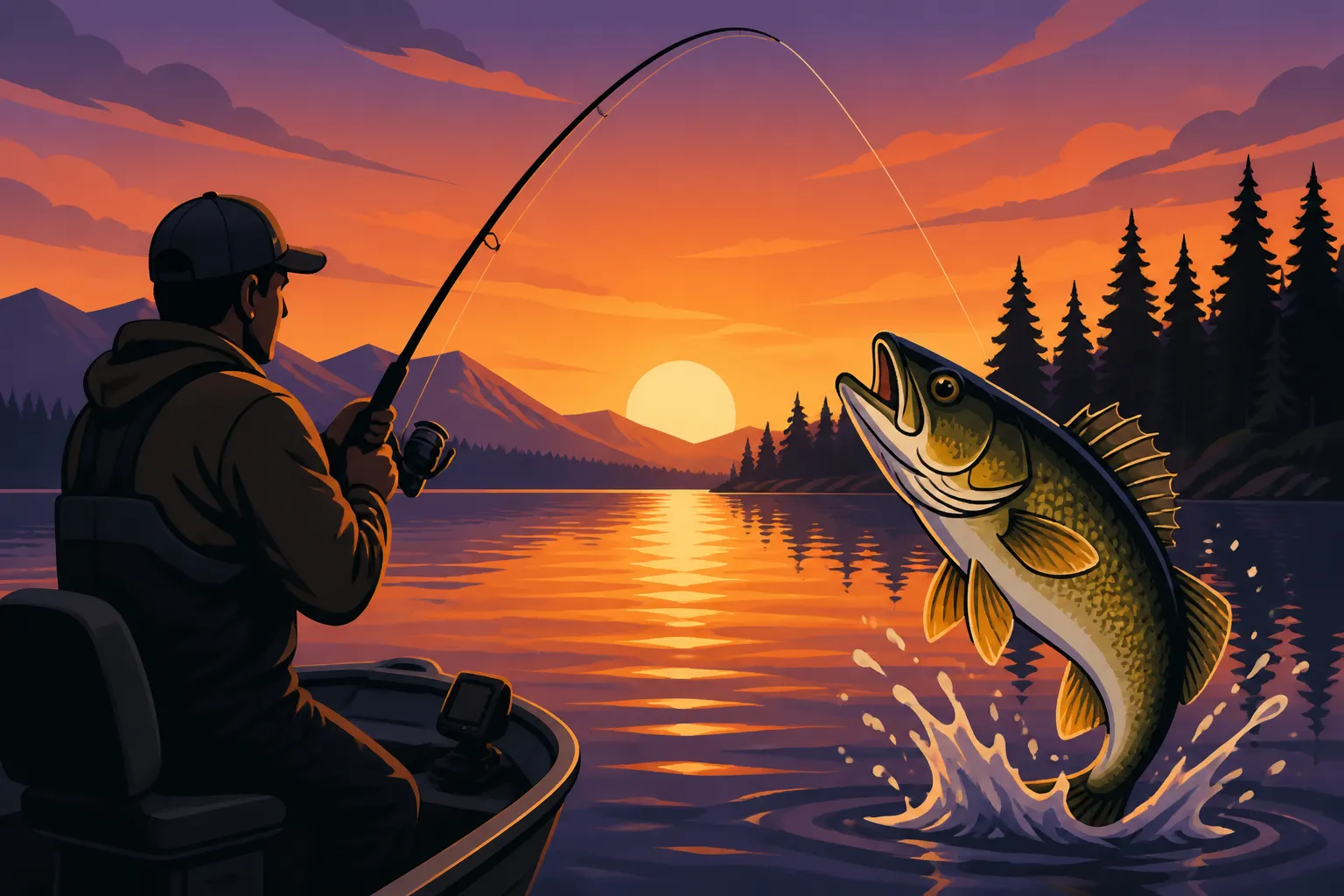
The transition from day to night creates a perfect storm of conditions: optimal light for walleye, active and often less cautious baitfish, and a general increase in underwater movement. This window, starting an hour or two before sunset and extending into the deep twilight, is when walleye are often at their most aggressive and least hesitant to strike. It’s why many dedicated walleye anglers consider it the best time to fish for walleye at dusk.
Prime Dusk Walleye Locations in Alberta Lakes and Rivers
Knowing why walleye bite at dusk is only half the battle; the other half is knowing where to find them. During the transition hours, walleye often move predictably, leaving their daytime haunts for prime feeding zones. Identifying these spots is crucial for success.
Transition Zones and Structure: Where Walleye Gather
As the light levels change, walleye often position themselves in what we call "transition zones." These are areas where deeper water quickly meets shallower feeding grounds, or where different types of bottom structure converge. Think of them as natural highways and ambush points. Walleye will stage in the deeper, darker water just off these zones, waiting for the optimal moment to move up and feed.
Excellent examples of such structures include the edges of dense weed lines, particularly where the weeds meet an open basin or a sharp drop-off. The walleye can hide within the cover or along the break, darting out to grab unsuspecting baitfish moving along the edge. Rocky reefs and humps that rise from deeper water are also magnets for walleye at dusk. These provide excellent ambush points and often hold schools of baitfish that seek shelter among the rocks. On large bodies of water like Lesser Slave Lake, knowing the specific transition zones can make all the difference. You might find success fishing just outside the main channels or where submerged points extend far into the lake, creating natural bottlenecks for moving prey.
Even in rivers, these transition zones are key. Deep bends with slower currents that abruptly meet shallower riffles, or stretches where the river channel narrows and deepens, can be highly productive. Walleye will often hold in these current breaks, expending minimal energy while waiting for food to drift by or move into shallower feeding areas. Look for submerged timber or rock piles that offer both cover and a current break. These subtle features, often overlooked during the day, become hotspots when the evening bite turns on. For a more general understanding of their haunts, you can explore guides on Where to Find Walleye in Alberta.
Shallow Flats and Points: The Evening Buffet
While structure and transition zones are great staging areas, the ultimate dinner table for walleye at dusk is often the shallow flat or point. As light fades, walleye, especially the larger ones, gain confidence and will move into surprisingly shallow water to hunt. These shallow areas, often 5 to 15 feet deep, are teeming with baitfish during the evening, making them irresistible to hungry walleye.
Picture a vast, sandy or gravely flat that might be quite barren during the harsh midday sun. As the sun gets low, baitfish like young perch or shiners, which have been holding in deeper water or tighter cover, will often disperse and move onto these flats to forage for invertebrates or algae. For walleye, this is a prime opportunity. They'll cruise these flats, using their superior low-light vision to actively hunt down their prey. A long, tapering point that extends from shore into the lake is another fantastic spot, as it acts as a natural funnel for baitfish moving between deep and shallow water, making it easy for walleye to intercept them.
When fishing these areas, look for flats that are adjacent to deeper channels or sharp drop-offs. The walleye will use the deeper water as their daytime refuge and then easily move up onto the flat when the conditions are right. This movement is incredibly predictable. Don't be afraid to cast into water that seems too shallow; you might be surprised by the size of the walleye cruising for a meal. Focusing your efforts on these shallow, open areas as the light truly fades can lead to some of the most memorable catches of the year.
Essential Techniques and Baits for Dusk Walleye Fishing
The changing light at dusk doesn't just affect where walleye are; it also influences how they perceive and react to your lures and baits. Adjusting your presentation to these conditions is paramount for maximizing your success.
Lure Selection and Presentation for Fading Light
When the light starts to dim, your choice of lure color and action becomes even more critical. Walleye rely heavily on their low-light vision, which means they're looking for silhouettes and vibrations. This is where darker-colored lures, or those with strong contrast, often excel. Colors like black, dark purple, or even a deep blue will create a more distinct silhouette against the fading sky or the slightly brighter surface, making it easier for walleye to track. For those really dark periods, lures with glow-in-the-dark or UV-reactive finishes can be incredibly effective, as they stand out under ambient light conditions or even reflect moonlight. You can find a fantastic selection of these specialized lures on platforms like Amazon, ensuring you're ready for any dusk scenario.
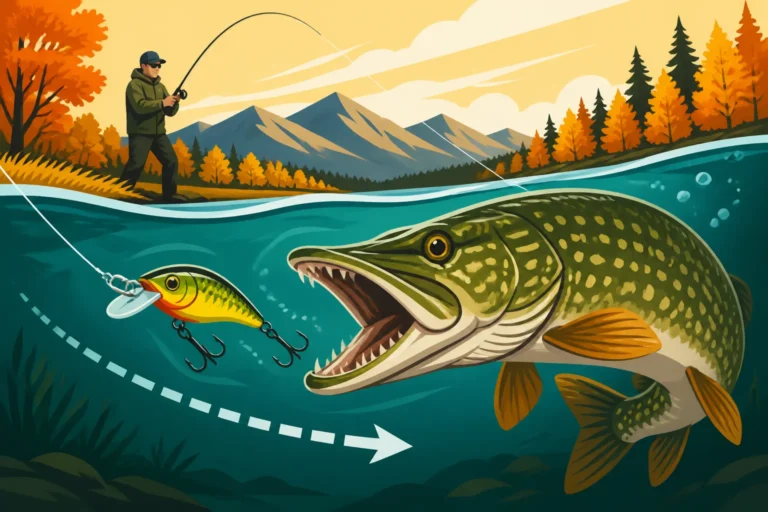
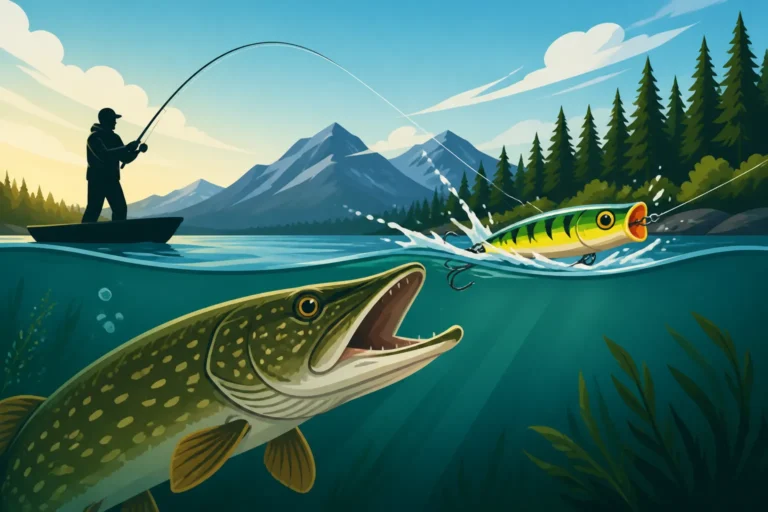
Beyond color, consider the action and vibration of your lure. Walleye have an excellent lateral line system, which detects subtle movements and vibrations in the water. Crankbaits with a tight wobble, lipless crankbaits that vibrate intensely on the retrieve, or jigs tipped with soft plastics that have paddle tails or curly tails (creating a strong thumping or wiggling action) are all great choices. A slow, methodical retrieve is often more effective than a fast one; it gives the walleye time to locate the lure and decide to strike. Don't be afraid to experiment with erratic movements – a sudden pause or twitch can often trigger a reaction strike from a hesitant fish. For specific lure ideas, check out resources like Best Walleye Lures for Lesser Slave Lake in Summer.
Think about how you're presenting these lures. Trolling shallow diving crankbaits along the edge of a flat, or casting jigs and slowly retrieving them back along a weed line, are proven dusk tactics. The goal is to imitate a vulnerable baitfish that is either foraging or trying to escape. Understanding How to Catch Walleye in Alberta will give you a great foundation for these presentations.
Live Bait Strategies for Dusk Success
While artificials can be incredibly effective, never underestimate the power of live bait for walleye, especially during the low-light conditions of dusk. Live bait offers a natural scent, taste, and movement that artificials can sometimes struggle to replicate perfectly, making it an irresistible meal for a hungry walleye. The key is to present it in a way that maximizes its natural appeal while ensuring it's in the strike zone.
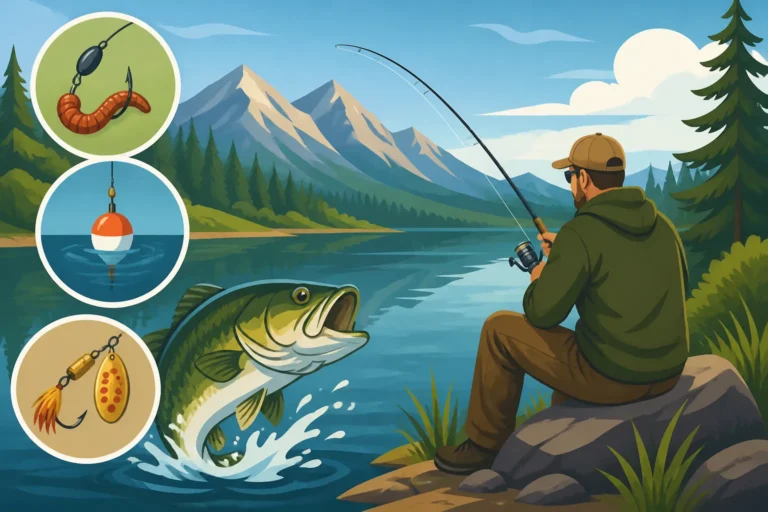
Minnows, leeches, and nightcrawlers are the holy trinity of walleye live bait. Minnows, hooked through the lips or dorsal fin, can be jigged vertically or suspended under a slip bobber. The natural struggles of a minnow are hard for a walleye to ignore in low light. Leeches, particularly large ones, are incredibly tough and active in the water, making them excellent choices for bobber fishing or slowly dragging behind a bottom bouncer. Nightcrawlers, often presented on a spinner rig or a simple jig head, provide both visual appeal and a strong scent trail. Remember to always check local regulations regarding live bait use, as some areas may have restrictions.
One highly effective dusk technique for live bait is using a slip bobber rig over shallow flats or alongside weed edges. You can set your depth so the bait is suspended just above the weeds or structure where walleye are likely to be cruising. The bobber allows the bait to move naturally with subtle currents or your boat's drift, presenting it in a realistic manner. Another excellent option is a bottom bouncer rig with a crawler harness, especially if you're slowly drifting or trolling along a breakline or across a flat. This keeps your bait near the bottom where walleye often feed. For detailed rigging, consider reading about How to rig a live minnow for walleye.
Stealth and Sensitivity: Key to Dusk Walleye
As crucial as lure choice and location are, your overall approach—your stealth and the sensitivity of your gear—can make or break your dusk walleye fishing. Walleye, especially in shallower water, can be surprisingly wary, and noisy anglers or clumsy presentations will send them scattering.
First, let's talk about stealth. If you're fishing from a boat, avoid slamming hatches, dropping anchors with a loud splash, or running your outboard motor unnecessarily close to prime fishing areas. Use your trolling motor, or if possible, drift quietly into position. If you're shore fishing, move slowly and deliberately, keeping your shadow off the water if you're still in brighter twilight. Walleye can be very sensitive to vibrations and sudden disturbances, particularly when they're actively moving into shallower water to feed. The less you disturb their environment, the more comfortable they'll feel approaching your offerings.
Second, gear sensitivity is absolutely vital. As the light fades, visual cues for detecting bites diminish. You need a rod that can transmit even the most subtle tap or mushy weight change to your hand. Graphite rods are excellent for this, offering superior sensitivity compared to fiberglass. Pair this with a good quality, low-stretch fishing line, such as a braided line with a fluorocarbon leader for abrasion resistance and stealth. A sensitive rod and line allow you to feel those soft, almost imperceptible "takes" that walleye are famous for, especially when they're just mouthing the bait. This is where investing in quality gear pays off. Many anglers find great options for sensitive rods on Amazon, which can significantly enhance their ability to detect those subtle bites. For recommendations on your primary tool, consider a guide on Best Fishing Rods for Alberta Rivers.
Overcoming Challenges and Maximizing Your Dusk Walleye Catch
While dusk presents an incredible opportunity for walleye, it also brings its own set of challenges. Successfully navigating these will elevate your fishing from good to exceptional.
Navigating in Low Light and Safety Considerations
As dusk turns to full darkness, visibility quickly diminishes, which can pose significant safety challenges, especially if you're on unfamiliar waters. It's easy to lose your bearings, misjudge distances, or overlook submerged hazards. Therefore, proper preparation and a strong focus on safety are non-negotiable.
Always have reliable lighting on hand. A good quality headlamp with adjustable brightness and a red-light option (to preserve your night vision) is essential. If you're in a boat, ensure all your navigation lights are functioning correctly and are turned on well before legal sunset. Familiarize yourself with the layout of the lake or river during daylight hours; make mental notes of any hazards, prominent landmarks, and your route back to the boat launch or shore access point. Carrying a GPS device or having a reliable mapping app on your phone can be a literal lifesaver if you get disoriented. For comprehensive information on boating requirements, refer to Alberta Boating Laws for Anglers.
Furthermore, never fish alone at night if possible. Having a fishing buddy adds an extra layer of safety and can make the experience more enjoyable. Always inform someone of your plans – where you're going, when you expect to return, and what to do if you don't check in. Life jackets are not just a good idea; they're often legally required and absolutely essential, especially in low light when an unexpected fall overboard can quickly become critical. Ensure everyone on board is wearing an appropriate personal flotation device. More details on this can be found in Life Jacket Requirements for Alberta Boaters. Always be aware of changing weather conditions; a calm evening can quickly turn into a windy, choppy nightmare in the dark.
Timing Your Attack: When to Arrive and Depart
The exact "best" time to fish for walleye at dusk isn't a single moment; it's a window, and understanding how to time your arrival and departure within this window is crucial. You don't want to arrive just as the bite is starting, nor do you want to leave too early.
A smart strategy is to arrive at your chosen fishing spot an hour to 90 minutes before official sunset. This gives you ample time to get set up, scout the area in decent light, identify any last-minute structure or baitfish activity, and make your first few casts while you can still see clearly. Those initial casts, as the sun begins its descent, can often be incredibly productive as walleye start to move out of their deeper holding patterns. This pre-sunset period allows you to establish a pattern, test different lures or baits, and understand how the fish are positioned.
The "magic hour" is often considered the period from about 30 minutes before sunset to 30 minutes after. This is when the light is at its absolute prime for walleye, and their activity levels are typically at their peak. Don't be surprised if your biggest fish of the day comes during this short, intense window. However, the bite often continues well into full darkness, sometimes for another hour or two, as walleye capitalize on their night vision. It can sometimes even extend into a dedicated Night Fishing for Walleye in Alberta session. Pay attention to how the bite changes; sometimes it's an intense flurry, other times it's a steady pick. Knowing when to depart is equally important. Once the bite completely tapers off, and you've given it a good hour or two after dark without much action, it's usually time to safely head back. For specific local advice, consider guides like Best time of day to catch walleye on Pigeon Lake.
Understanding Environmental Factors (Weather, Water)
Even within the prime dusk window, environmental factors like weather and water conditions can significantly influence how and where walleye bite. Being aware of these variables and adapting your approach will give you an even greater edge.
Cloud Cover vs. Clear Skies: Cloudy evenings can often extend the prime low-light bite. The diffused light from an overcast sky can make walleye feel more comfortable in shallower water for longer, meaning the bite might start earlier and last later. On crystal-clear evenings, the transition can be more abrupt, with fish moving into those prime shallow zones only once the sun is well below the horizon. Adapt your timing accordingly; on clear nights, the absolute darkest part of dusk might be most productive.
Water Clarity: Water clarity plays a huge role in lure and bait selection. In stained or turbid water, walleye will rely even more heavily on their lateral line system, making lures with strong vibrations and rattles excellent choices. Brighter or glow-in-the-dark lures can also be more visible. In clear water, subtle presentations and natural-colored baits or lures often perform better, as walleye can get a clearer look. This is where fluorocarbon leaders really shine for stealth.
Wind Conditions: A moderate chop on the water surface can often be a walleye angler's best friend at dusk. The ripple breaks up the light penetration, further aiding the walleye's low-light advantage, and also creates a "disguise" for your boat and movement. The wind also often pushes baitfish towards certain shorelines or structures, concentrating them and, by extension, the walleye. Always consider the wind direction and try to fish the "wind-blown" side of a structure or point, as this is where baitfish are likely to be stacked up. Conversely, dead calm water can make fish warier and bites more difficult to come by. For understanding how broader weather patterns affect fish, look into topics like Best time to fish before a cold front or How barometric pressure affects Alberta walleye fishing.
Remember, walleye fishing at dusk is an art as much as a science. Stay observant, be patient, and enjoy the beauty of an Alberta evening on the water.
Dusk Walleye Fishing Strategy Comparison
To help summarize some of the key approaches for fishing walleye at dusk, here's a handy comparison table. This isn't exhaustive, but it covers some common and effective strategies you can employ on your next evening adventure.
| Strategy | Lure/Bait Type | Prime Conditions | Ideal Depth/Location | Key Benefit | Considerations |
|---|---|---|---|---|---|
| Casting Jigs & Plastics | 3/8 – 1/2 oz jigs with paddle/curly tail plastics (dark colors, glow) | Stained to moderately clear water, some wind | Weed lines, rocky points, shallow flats (5-15 ft) | Excellent feel for subtle bites, versatile presentation | Can be snaggy in heavy cover; requires focus to detect bites |
| Crankbait Trolling/Casting | Shallow-diving crankbaits (dark backs, silver/gold sides, chartreuse) | Moderately clear to stained water, calm to choppy | Across shallow flats, along breaklines (8-18 ft) | Covers water efficiently, triggers reaction strikes | Can spook fish in very shallow, clear water; specific depth control needed |
| Slip Bobber & Live Bait | Large minnows, leeches, nightcrawlers (depending on regulations) | All water clarities, calm to light chop | Over isolated structure, edge of weed beds, drop-offs (5-20 ft) | Natural presentation, high scent appeal, easy to detect bites | Less mobile, can be slow; live bait availability |
| Bottom Bouncing & Harnesses | Crawler harnesses, minnow rigs | Stained to clear water, light to moderate wind | Along deeper breaklines, expansive flats (10-30 ft) | Excellent for covering ground, natural presentation | Requires boat control, can be challenging in very snaggy areas |
| Lipless Crankbaits | Vibrating lipless crankbaits (dark colors, chrome, gold) | Stained to moderately clear water, wind | Over shallow weeds, open flats (5-15 ft) | Strong vibration and sound, good for active fish | Can foul with weeds easily; heavy retrieve can be tiring |
Disclaimer
This article is for general informational purposes only and does not constitute professional advice. Laws, prices and regulations vary by location and change over time. Consult a qualified professional for guidance on your specific situation.