Where to Find Walleye in Alberta
Oh, the elusive walleye! You know they're out there, lurking in Alberta's vast waters, but sometimes it feels like they're playing hide-and-seek champions. It's truly frustrating when you've got your gear ready, the perfect weekend planned, and you just can't seem to pinpoint where these golden-eyed beauties are hanging out. This guide is all about demystifying the walleye's favourite haunts, helping you understand their patterns, and giving you the best chance to find them across our incredible province.
Understanding Walleye Habitat: What Makes a Walleye Happy?
Finding walleye isn't just about dropping a line into any body of water; it's about understanding what makes them tick, what kind of environment they prefer, and what keeps them thriving. These fish are creatures of habit, and if you can understand their preferred "home," you're already halfway to locating them. It's like knowing your friend always hangs out at the coffee shop with the comfy chairs and good Wi-Fi – you wouldn't look for them at a loud rock concert!
Preferred Water Conditions
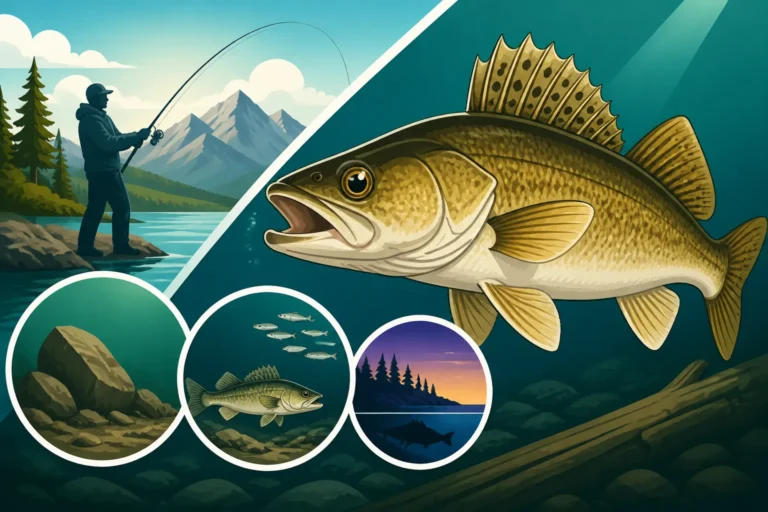
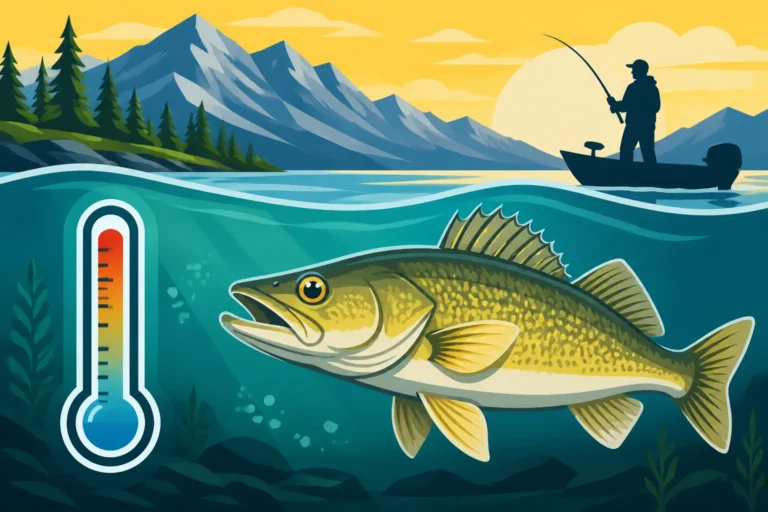
Walleye aren't generally fans of crystal-clear, shallow, sun-drenched waters. They're more about that slightly murky, cooler, and deeper environment. Think of them as the introverts of the fish world – they prefer to stay out of the direct spotlight. They thrive in lakes and rivers with a bit of a stain or turbidity, which helps them ambush prey, as their eyes are perfectly adapted for low-light conditions. This means they often favour deeper basins in lakes, the shade of thick weed beds, or the twilight hours of dawn and dusk. The water temperature is also critical; they prefer cooler waters, generally between 18-24°C (65-75°F), which influences their activity levels and where they'll seek refuge during warmer periods.
They also need well-oxygenated water, which is why you'll often find them around current breaks in rivers or near natural springs and inlets in lakes. Stagnant, overly warm, or oxygen-depleted areas are a definite no-go for these majestic fish. Understanding these fundamental preferences will help you rule out vast stretches of water and focus your efforts on areas where walleye are most likely to be comfortable and active.
Food Sources and Forage Base
A walleye is always looking for its next meal, and where the food is, the walleye will follow. Their diet primarily consists of smaller baitfish like cisco (lake herring), smelt, shiners, perch, and even juvenile whitefish. Crayfish, leeches, and aquatic insects can also make up a significant portion of their diet, especially in certain habitats or during specific times of the year. This connection to their food source is absolutely critical. If you can locate schools of baitfish, you're usually very close to finding walleye.
This often means targeting areas where baitfish congregate: deep flats, the edges of weed lines, submerged humps, or current breaks where smaller fish find shelter and food. Lakes like Lesser Slave Lake are phenomenal walleye fisheries precisely because they have an incredibly rich forage base of cisco and other baitfish. When scouting a new spot, ask yourself, "If I were a small fish, where would I feel safe and find food?" Then, look for the walleye to be lurking nearby, ready to pounce. Knowing What walleye eat in Alberta lakes can truly transform your fishing strategy.
Reproductive Needs: Spawning Habitats
Walleye spawning season is a crucial time, typically occurring in late April to mid-May, shortly after ice-out, when water temperatures reach around 4-10°C (40-50°F). During this period, walleye will migrate to specific areas to lay their eggs. They prefer shallow, rocky shoals, gravel beds, or areas with clean rubble and good current, often found in tributary rivers or along windswept shorelines of large lakes. These hard-bottom areas are essential for the eggs to settle and get sufficient oxygen, preventing them from being smothered by silt.
Once spawning is complete, the walleye will often linger in nearby deeper waters for a period to recover before dispersing to their summer feeding grounds. Understanding these spawning locations can give you a huge advantage during the early season. While it's vital to respect closures and regulations during this sensitive time, knowing where they spawn tells you where they've been, and often, where they'll likely return to stage before and after the event. Always check Walleye Spawning Season in Alberta for the latest information on specific water bodies and regulations.
Top Walleye Lakes in Alberta: Premier Destinations
Alberta boasts some truly incredible walleye fisheries, from massive northern lakes to smaller, accessible reservoirs. These lakes are renowned for their healthy populations, often due to dedicated management efforts and abundant forage. If you're looking for a consistent walleye bite, these are some of the places you absolutely need to explore.
Lesser Slave Lake: The Walleye Powerhouse
If there's one lake synonymous with fantastic walleye fishing in Alberta, it's Lesser Slave Lake. This massive, relatively shallow lake in northern Alberta is often called a "walleye factory" for a reason. Its vast expanses of fertile water, coupled with an incredible abundance of cisco (lake herring), provide the perfect conditions for walleye to thrive and grow to impressive sizes. It’s no wonder so many anglers make the pilgrimage here.
On Lesser Slave Lake, walleye can be found in a variety of habitats depending on the season. During spring and early summer, after they’ve recovered from spawning, they often disperse into shallower bays, around emergent weed beds, and along the extensive breaklines where the flats drop into deeper water. As summer progresses and water temperatures rise, many walleye will move to deeper main lake basins, congregating around submerged humps, reefs, and the deeper edges of those vast weed fields. Later in the fall, they often become more aggressive, schooling up and feeding heavily in preparation for winter. The sheer size of Lesser Slave Lake can be intimidating, but focusing on these key structures and seasonal patterns will greatly increase your success. Many dedicated anglers swear by specific points and deeper transitions found through persistent exploration, and a good boat is almost a must here. For those serious about fishing this lake, checking out Lesser Slave Lake Walleye Fishing is a fantastic next step.
Cold Lake: Deep Water Giants
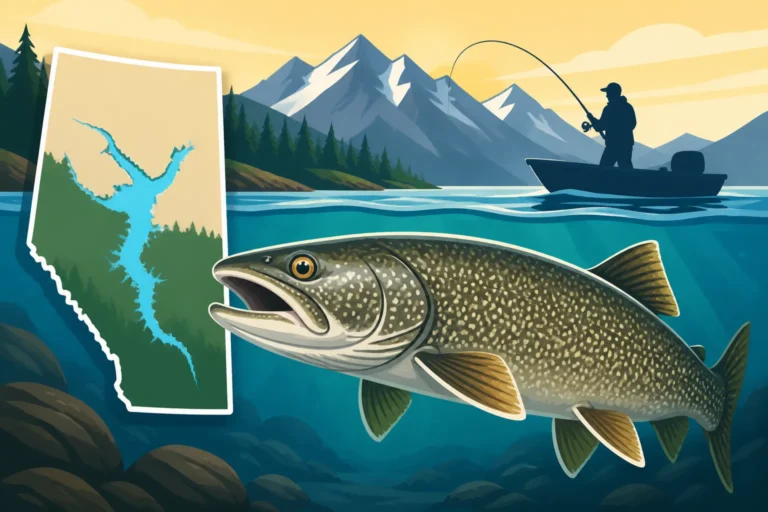
While Lesser Slave Lake is known for its sheer numbers, Cold Lake, straddling the Alberta-Saskatchewan border, offers a different kind of walleye challenge and reward. This is one of Alberta's deepest and clearest lakes, known more for its trophy lake trout. However, it also holds a respectable population of walleye, often found in different types of habitats compared to the shallower Lesser Slave. The walleye in Cold Lake tend to be found more closely associated with deeper structure, main lake points, and the edges of the thermocline during the warmer months.
Because of its depth and clarity, the walleye in Cold Lake can be a bit more challenging to locate, often requiring good electronics to find those specific depths and structures where they are holding. They will relate to drop-offs, underwater islands, and rocky reefs that provide cover and access to baitfish. Early mornings and evenings can be particularly productive as they move shallower to feed. In winter, ice anglers target them over similar deep structures and along main lake points. The average size of walleye from Cold Lake can be quite impressive, making the effort well worth it for anglers seeking quality over pure quantity.
Other Notable Lakes for Walleye
Beyond these two giants, Alberta offers a treasure trove of other walleye lakes. Each has its own unique character and challenges:
- Pigeon Lake: Located southwest of Edmonton, Pigeon Lake is a popular spot known for its consistent walleye fishing. It's shallower than Cold Lake, with extensive weed beds and mud flats that provide excellent habitat. Walleye here often relate to those weed lines, subtle depth changes, and points.
- Keho Lake: Southeast of Red Deer, Keho Lake is a smaller, often wind-swept lake that can produce some excellent walleye, especially for those who learn its subtleties. It has good structure and forage to support a healthy population.
- Gull Lake: Another popular central Alberta lake, Gull Lake has a healthy walleye population and can offer consistent action. Like Pigeon Lake, it features good weed lines and transition zones.
- Baptiste Lake: North of Athabasca, Baptiste Lake is known for its multi-species fishing, including a strong walleye presence. It features a varied bottom contour with points, bays, and drop-offs.
- Lac La Biche: A large lake in northeastern Alberta, Lac La Biche is home to a robust walleye population, often found around its many islands and submerged structures.
- North Buck Lake: East of Athabasca, this lake offers good walleye fishing, often overlooked by anglers heading to bigger names.
- Sturgeon Lake: Near Grande Prairie, Sturgeon Lake is another fantastic walleye fishery in the northern part of the province, known for its productive waters.
Each of these lakes requires a bit of local knowledge and scouting, but they all offer excellent opportunities to find walleye. Researching Best Walleye Lakes in Alberta will give you even more options and detailed insights.
Walleye Rivers and River Systems: Flowing Water Hotspots
While lakes often get the most attention for walleye, Alberta's rivers and river systems offer fantastic, often less-pressured, opportunities to catch these fish. River walleye behave a bit differently than their lake-dwelling cousins, with current being a major factor in their location and feeding habits. It’s a different game, but equally rewarding.
North Saskatchewan River System
The North Saskatchewan River, as it snakes its way through Edmonton and eastward, is a surprisingly productive walleye fishery. The key to finding walleye in a river system like this is to focus on current breaks and deeper holes. Walleye will expend minimal energy, so they'll sit just out of the main current, waiting for food to be swept past them. This means looking for areas downstream of islands, behind large rocks or log jams, along sharp bends where the current slows, and in deeper scour holes created by the flow.
Confluences, where smaller tributaries meet the main river, are also excellent spots, as they often create current seams and bring in new food sources. The river's flow and water clarity can change dramatically with rainfall, so adapting your approach is essential. Post-spawn, many walleye will move out of the smaller tributaries and begin to spread throughout the main river channel, setting up in these current-protected feeding stations. Don't be afraid to explore the river banks, looking for those slower pockets and deeper runs.
Red Deer and Oldman River Basins
The Red Deer River and the Oldman River are other significant river systems in Alberta that hold strong populations of walleye. Similar to the North Saskatchewan, the principle of current breaks and structure applies here. On the Red Deer River, especially in sections downstream of the city and through the badlands, you'll find walleye in deeper pools, along cut banks, and near submerged timber. The river's varying depths and substrate provide plenty of ambush points.
The Oldman River, particularly as it flows through the southern parts of the province, also offers excellent walleye fishing. Look for the fish to congregate below weirs and dams, in deeper holes, and along the edges of gravel bars where current creates distinct seams. These river systems are often less crowded than some of the popular lakes, offering a more serene and adventurous walleye fishing experience. Early morning and late evening often yield the best results, as walleye become more active during low light, moving out of their resting spots to feed. Float Fishing the Oldman River can be a particularly effective way to cover water and find these fish.
Peace-Athabasca Delta Waters
Further north, the vast Peace-Athabasca Delta and the lower reaches of the Athabasca and Peace Rivers offer incredible, albeit remote, walleye fishing. This immense freshwater delta system, with its countless channels, backwaters, and lakes, provides an ideal environment for walleye to thrive. The sheer scale of these waters means that finding walleye can be a challenge, but the rewards can be truly spectacular, with potential for larger fish.
Here, walleye often relate to the deeper channels, the edges of emergent vegetation in slower-moving sections, and the mouths of smaller rivers and creeks that feed into the main system. Look for areas with current breaks, submerged timber, and any kind of structural change that creates an ambush point. Access to these areas often requires a boat and a good understanding of navigation, as the delta can be a maze of interconnected waterways. These are truly wild walleye, and fishing them is an adventure in itself.
Seasonal Movements and Depths: Walleye on the Move
Walleye are incredibly responsive to seasonal changes, particularly water temperature and light conditions. Their location and preferred depths will shift throughout the year, meaning a spot that was hot in spring might be dead in summer. Understanding these seasonal migrations is paramount to consistently finding them.
Spring: Post-Spawn Dispersion
Spring is a time of transition for walleye. After the ice melts and the water warms slightly, walleye move into shallow, rocky areas to spawn. Once this intense activity is over, usually by late May or early June, they enter a post-spawn recovery phase. During this time, they often linger in areas adjacent to their spawning grounds, recuperating and beginning to feed again, albeit sometimes lethargically.
As the weeks progress and water temperatures continue to climb, they'll start to disperse from these shallow areas, moving towards their summer feeding grounds. You'll find them starting to gather around shallower points, the edges of emerging weed beds (especially cabbage weeds), and subtle drop-offs in 6-15 feet of water. Their metabolism is picking up, and they're actively hunting for easy meals. Fishing early and late in the day can be especially productive during this phase, as they might be less willing to chase in bright, midday sun.
Summer: Deep Water and Weedline Patterns
Summer brings warmer water temperatures and longer daylight hours, prompting walleye to make a significant move. In most Alberta lakes, particularly the clearer ones, walleye will retreat to deeper, cooler, and darker waters during the brightest parts of the day. This means targeting main lake basins, deep offshore humps, rock piles, and points that drop into significant depths, often 20-40 feet or more. A good fish finder is invaluable for identifying these deep-water structures and the thermocline, which is the layer of water where the temperature changes rapidly and often holds baitfish and, consequently, walleye.
However, not all walleye go deep. In shallower, murkier lakes or during low-light conditions (dawn, dusk, cloudy days, or even night fishing), many walleye will move shallower, often holding tight to the outside edges of extensive weed beds. These weed lines provide cover, cooler water within the canopy, and a ready supply of baitfish. Trolling or drifting along these weed edges, particularly at the depth where the weeds meet open water, can be incredibly effective. Consider How deep walleye go in summer to refine your strategy during these warmer months.
Fall: Feeding Frenzy and Migration
Fall is often considered one of the best times to target walleye, and for good reason. As water temperatures begin to drop and daylight shortens, walleye embark on a pre-winter feeding frenzy. They instinctively know that colder water means a slower metabolism and less food availability, so they gorge themselves. This often leads to aggressive bites and larger fish being caught.
During the fall, walleye will often move back to shallower and mid-depth structures that were productive in spring, but with a renewed urgency. They'll actively chase baitfish that are also schooling up in preparation for winter. Look for them on shallow to mid-depth humps, prominent points, rock piles, and along the edges of remaining healthy green weed beds. They might also begin staging in deeper holes in rivers or near the mouths of major bays in lakes where they plan to overwinter. This is a prime time for big numbers and trophy fish, as they are actively seeking out larger meals.
Winter: Ice Fishing Hotspots
When the lakes freeze over, the game changes to ice fishing, but walleye are still very catchable! During winter, walleye become less active, but they still feed regularly. The key to finding them under the ice is to target structures that offer both food and comfort. In deeper lakes, they'll often be found near the bottom, along deep main lake points, submerged humps, and inside turns where baitfish might be holding. They won't move as much as in open water, so precise hole placement is crucial.
In shallower lakes, they might relate more to deeper basins within those lakes or distinct structural features that stand out. Jigging spoons and live bait presentations are common tactics. The best times are often dawn and dusk, but on some lakes, a midday bite can be surprisingly strong. It's a fantastic experience to be out on the hard water, and those who brave the cold can be greatly rewarded.
Identifying Prime Walleye Structure: What to Look For
Once you're on the water, whether it's a vast lake or a winding river, the ability to "read" the water and identify prime walleye habitat is a huge advantage. It's not always about visually seeing structure; often, it's about understanding what lies beneath the surface.
Underwater Points and Humps
Underwater points and humps are absolute magnets for walleye. These are irregularities on the lake or river bottom that provide depth changes, current breaks, and prime ambush locations. A point is an extension of land that runs out into the water, continuing underwater. A hump is an offshore rise in the bottom, completely surrounded by deeper water. Both offer fantastic opportunities.
Walleye will often position themselves on the sides or tops of these structures, particularly on the "breaklines" where the shallower water of the point or hump drops off into deeper water. They use these areas to corral baitfish and ambush them as they swim past. The deeper side of a point or hump that faces the prevailing wind can be especially productive, as the wind often pushes baitfish and plankton (their food source) onto these structures. Learning to identify these features with your electronics, or by carefully studying bathymetric maps, is a game-changer.
Weed Beds and Edges
Not all weeds are created equal, but healthy, green weed beds are undeniably important walleye habitat. They provide cover, shade, and a bustling ecosystem for baitfish and invertebrates, which are all on the walleye's menu. Walleye often patrol the edges of these weed beds, particularly the deepest edge where the weeds terminate and meet open water or a sharp drop-off. They can dart into the weeds for cover or out into open water to strike.
Look for expansive beds of healthy submerged vegetation, such as cabbage weeds, coontail, or milfoil. Areas where different types of weeds meet, or where a weed line forms a point or a pocket, are particularly promising. In murkier waters, walleye will often bury themselves deeper within the weed canopy, emerging to feed during low light. Don't be afraid to fish right up against, and even occasionally into, these weed lines – that's where the action often is.
River Channels and Current Breaks
In rivers, current is king, but walleye don't like to fight it unnecessarily. Instead, they seek out current breaks and seams. A current break is any feature that disrupts the main flow of the river, creating an area of calmer water. This could be a large boulder, a log jam, a submerged tree, a bend in the river, or even a deep hole scoured out by the current.
Walleye will position themselves in these calmer pockets, just out of the main flow, waiting for the current to deliver a meal to them. They're incredibly efficient predators, and letting the river do the work is their preferred method. The seams where the fast water meets the slow water are prime ambush points. Deeper river channels, especially those with varying bottom contours and occasional scour holes, also hold walleye year-round. Learning to read the water's surface for subtle current changes can tell you a lot about what's happening underneath, indicating where those prized walleye might be holding.
Tips for Locating Walleye on the Water: Practical Approaches
So you've studied the maps, understood their habits, and you're out on the water. Now what? These practical tips will help you pinpoint those finicky walleye and turn your knowledge into success.
Using Sonar and Electronics
In today's fishing world, good quality sonar and fish finders are almost essential tools for consistently finding walleye, especially in larger or deeper bodies of water. These devices allow you to see what's happening beneath your boat, revealing depth changes, bottom composition, structure (like humps and points), baitfish schools, and often, the walleye themselves. Many excellent units are available on Amazon, catering to various budgets and features.
When using your electronics, look for key indicators:
- Hard vs. Soft Bottom: Walleye generally prefer harder bottoms (rock, gravel) over soft, mucky areas. Your sonar can often differentiate this.
- Depth Changes: Pay close attention to breaklines, drop-offs, and humps. Mark these areas on your GPS.
- Baitfish Schools: If you see large bait balls, walleye are usually not far behind. They might show up as larger, arched marks below or around the bait.
- Arches: While not every arch is a walleye, larger, distinct arches near the bottom or structure are usually good indicators of game fish.
- Thermocline: In summer, identifying the thermocline can show you the preferred depth range for walleye.
Don't just drive around; actively interpret what your screen is telling you. A deeper understanding of your fish finder, perhaps even watching some tutorial videos, will vastly improve your ability to locate fish. Getting a quality unit, such as those offered by Humminbird or Lowrance, is an investment that pays dividends. You can find many reviews and options for Best Fish Finders for Alberta Lakes online, including on Amazon.
Reading the Shoreline and Bottom
Even without fancy electronics, you can learn a lot by simply "reading" the shoreline and understanding how it relates to what's below. Imagine the shoreline extending underwater – a point on land likely continues as an underwater point; a steep bank probably means a quick drop-off. Areas with visible rocks on the shore often indicate rocky bottom structure extending out into the water.
Wind is also a major factor. A consistent wind pushing across a lake can stack baitfish and plankton on the downwind side of points, bays, and humps, bringing walleye along with them. Look for "walleye chop" – a light to moderate ripple on the surface – which breaks up light penetration, giving walleye a feeding advantage. In rivers, paying attention to eddies, current seams, and the way the water flows around visible obstacles can tell you exactly where walleye will be holding. It takes practice, but developing an eye for these subtle clues is incredibly rewarding.
Targeting Baitfish Schools
As mentioned before, where there are baitfish, there are usually walleye. Walleye are opportunistic predators, and they'll follow their food source. If you can locate large schools of cisco, smelt, or perch, you're on the right track. Often, these schools will show up as dense clouds or clumps on your sonar.
Once you find baitfish, either on your screen or visually (sometimes they'll ripple the surface), consider how the walleye might be attacking them. Are they pushing them against a breakline? Herding them into a bay? Position your boat and present your lures or bait in a way that intercepts walleye moving in to feed on these schools. Sometimes, a slow troll through and around baitfish can be incredibly effective, as it mimics a straggling, easy meal. Experiment with presentations that match the size and colour of the local forage to maximize your chances. Lures that mimic these baitfish, readily available on Amazon, can be your best bet. For a deeper dive into tactics, consider exploring How to Catch Walleye in Alberta.
Alberta Walleye Location Summary
To help summarize, here's a quick look at where walleye tend to hold during different seasons and in different environments:
| Season | Lake Location & Depth | River Location & Depth | Key Structure/Habitat |
|---|---|---|---|
| Spring | Shallow bays, rocky shoals (post-spawn), 6-15 ft | Below dams, current breaks, slack water adjacent to spawn | Rocky bottoms, emerging weed lines, current seams |
| Summer | Deep humps, points, main lake basins (20-40+ ft) | Deeper scour holes, log jams, strong current breaks | Thermocline, weed edges, offshore rock piles |
| Fall | Mid-depth humps, prominent points, large flats (10-25 ft) | Deeper pools, downstream of riffles, current seams | Healthy green weeds, baitfish schools, hard bottom |
| Winter | Deep main lake basins, offshore humps, deep points (20-50+ ft) | Deep holes, slower channels below rapids | Submerged structure, baitfish schools, hard bottom |
This information should give you a solid starting point for your next walleye adventure. Remember that local conditions and specific lake characteristics can always vary, so staying adaptable and observing the fish's behaviour is key. You'll soon be well on your way to finding those golden-eyed giants!
Disclaimer
This article is for general informational purposes only and does not constitute professional advice. Laws, prices and regulations vary by location and change over time. Consult a qualified professional for guidance on your specific situation.