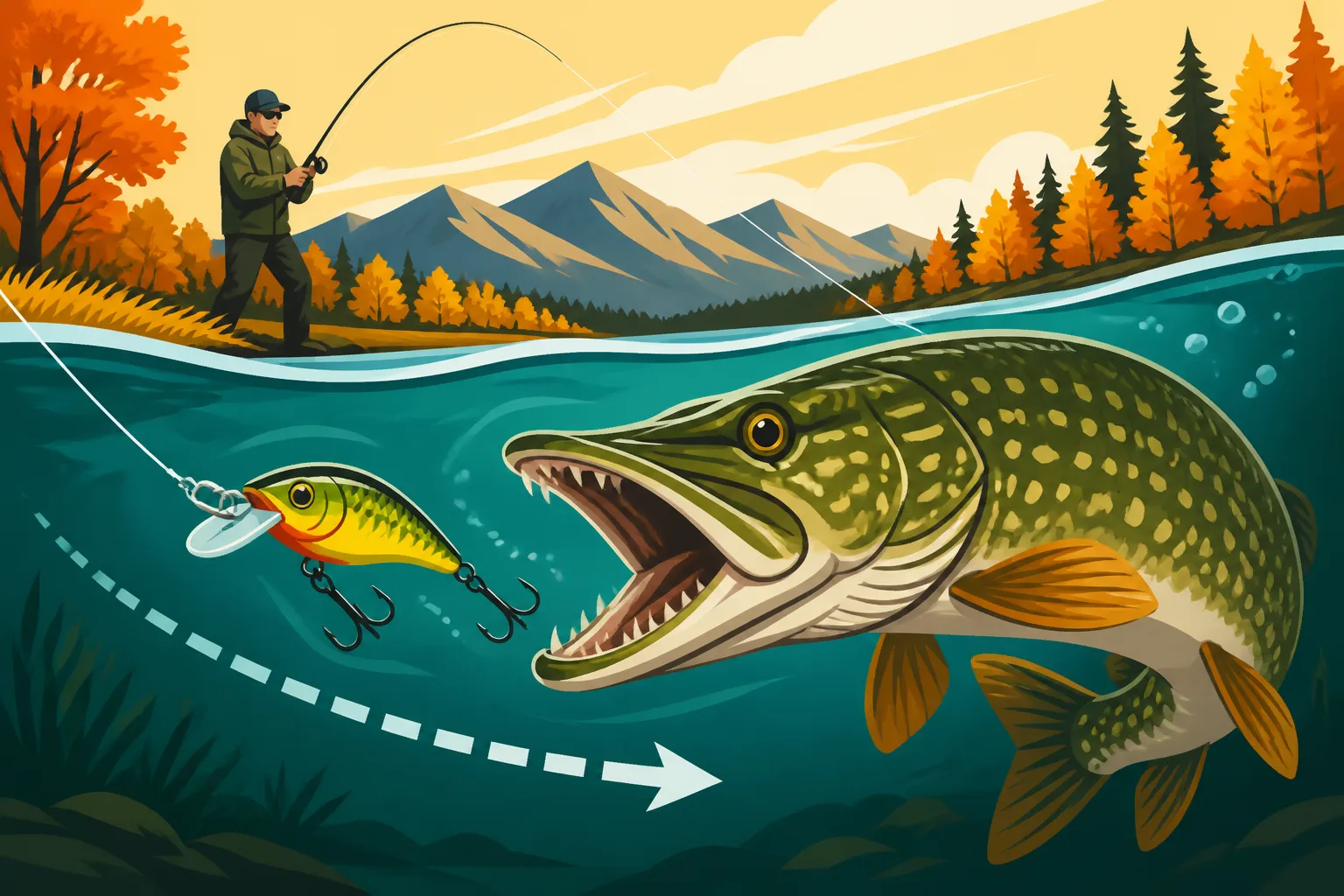
Best crankbait retrieve for pike in fall
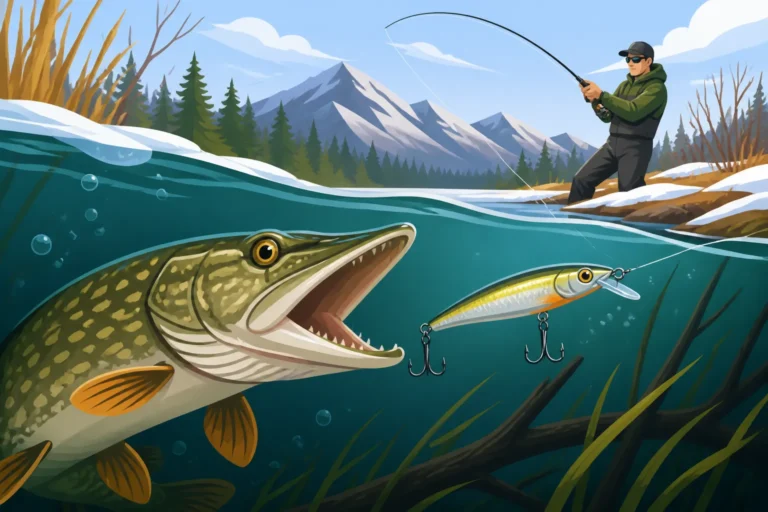
The crisp autumn air, the vibrant colours of the changing leaves, and the promise of aggressive fish – fall fishing in Alberta truly is something special. But let's be honest, sometimes you head out, expecting those big northern pike to be on the chew, only to find them completely unresponsive. It’s incredibly frustrating when you know they’re in there, but your usual tactics just aren't cutting it. This guide is dedicated to helping you unlock the secrets of fall pike, diving deep into the most effective crankbait retrieve techniques that consistently entice these toothy predators as the water cools.
Understanding Fall Pike Behavior and Their Aggression
As summer's warmth fades and the days shorten, Alberta's northern pike undergo a significant shift in behavior. It's not just a gradual cool-down; it's a critical period where they prepare for the long, lean winter ahead, and understanding this transformation is key to successful fall crankbaiting.
The Autumnal Feeding Frenzy
Unlike the dog days of summer when pike can be lethargic and spread out, fall triggers an intense feeding frenzy. They become aggressive, almost desperate, to pack on calories. This isn't just a casual snack; they're actively hunting larger prey to build up fat reserves. Think of it like a bear preparing for hibernation – they're driven by an instinctual urge to eat, eat, and eat some more. This means they're often less finicky about presentation and more willing to chase down a meal. You might find them in shallower water than expected, especially on sunny days, or patrolling specific structures where baitfish congregate. Their metabolism is still high enough to warrant intense pursuit, but the cooling water will eventually slow them down.
What this means for us anglers is that we can often use more aggressive retrieves and larger baits. Pike are less likely to inspect a lure closely and more likely to react instinctively. This is a prime time to trigger those powerful, jarring strikes that northern pike are famous for. However, as fall progresses and water temperatures drop further, the feeding frenzy can taper off, requiring a more nuanced approach, which we'll get into. The key is recognizing this seasonal window of opportunity for maximum aggression.
Where Pike Hold in Fall
As autumn progresses, pike movements are largely dictated by two factors: baitfish migration and water temperature. Initially, when waters are still relatively mild, pike might linger around the edges of summer haunts – weed lines, lily pads, and shallow bays that still hold some warmth and forage. But as the surface water cools, baitfish will inevitably start migrating towards deeper, more stable thermal zones. This could be main lake points, sharp drop-offs, deep weed edges, or even the mouths of feeder creeks that maintain a slightly warmer flow.
Pike will follow this food source religiously. Don't be afraid to target transitional areas where shallow water quickly gives way to deeper troughs, or submerged structures like humps, rock piles, and old timber. These are ambush points where pike can lie in wait for unsuspecting schools of ciscoes, perch, or suckers to pass by. In larger Alberta lakes like Lesser Slave Lake or Wabamun Lake, you might find pike relating to expansive flats adjacent to deep water, especially if those flats still hold some resilient weed growth or patchy rock. It's not uncommon to find several large pike stacked up in a relatively small area if they've found a consistent food source. Always pay attention to your electronics; if you see schools of baitfish, you can bet the pike aren't far behind.
Choosing the Right Crankbait for Fall Pike
Selecting the perfect crankbait is just as crucial as the retrieve itself. With the multitude of options available, it can feel overwhelming, but focusing on what works for fall pike can simplify your decision. You need a bait that not only matches their forage but also has the right action to provoke a strike.
Crankbait Types and Their Actions
Fall pike can be found at varying depths, making it essential to have a selection of crankbaits that can reach them.
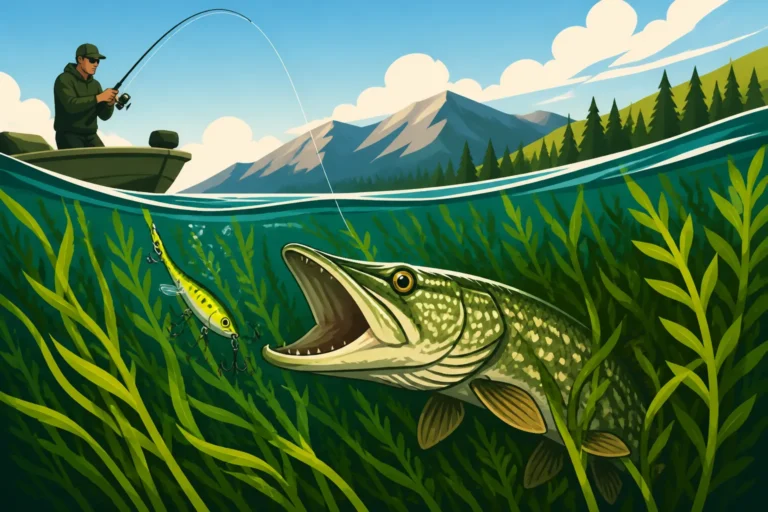
- Shallow Divers: These typically run from 1-5 feet deep. They are fantastic for covering shallower bays, weed flats, and rocky points, especially during early fall or on warmer, sunny days when pike push up to feed. Their wide wobble and subtle action can effectively imitate smaller baitfish darting through the shallows. Brands like Rapala Scatter Raps or classic Berkley Bad Shad can be very effective here. When pike are cruising just below the surface in areas like the shallows of Keho Lake, a shallow diver thrown over the remaining weed beds can be deadly.
- Medium Divers: These are your workhorses, designed to reach depths of 6-12 feet. They're incredibly versatile for those mid-range depths where baitfish often suspend or hug drop-offs. Their moderate dive and enticing wobble make them ideal for covering main lake points, submerged humps, and the edges of deeper weed lines. Think of lipped crankbaits that dive steadily and often have a more aggressive wiggle. They’re excellent for exploring contours that are too deep for shallow divers but not yet warranting deep divers.
- Deep Divers: When pike retreat to deeper water, often 12-25+ feet, deep-diving crankbaits are indispensable. These lures feature large, aggressive lips that allow them to plummet quickly and stay in the strike zone longer. They often have a tighter wobble, which can be more appealing to colder, less active fish. Think about fishing Cold Lake for lake trout, but in this case, we're targeting those deep-holding pike. Casting these over significant drop-offs or trolling them along structure can bring impressive results. Many anglers find success with models that feature internal rattles, adding an extra dimension of attraction in deeper, darker water.
- Lipless Crankbaits: While not strictly "lipped," lipless crankbaits deserve a mention for their incredible versatility. They sink quickly, allowing you to fish any depth by counting them down, and their tight, high-vibration action is irresistible to aggressive pike. They excel when ripping through submerged vegetation or across rocky bottoms, mimicking fleeing baitfish. They're especially effective when searching large areas or when you suspect pike are hiding within dense cover. The loud rattles in many lipless crankbaits can call fish in from a distance, making them great search baits.
Key Colors and Sizes for Autumn
Matching the forage is paramount. Fall pike are primarily keyed into schools of baitfish like ciscoes, perch, and suckers.
- Natural Baitfish Patterns: Silver, white, gold, and various perch or sucker patterns are always a solid bet. These mimic the natural forage that pike are accustomed to hunting. If the water is clear, like some of Alberta's mountain-fed lakes and rivers, a more realistic pattern will often outperform flashier options. Many successful anglers swear by patterns that closely resemble the dominant baitfish in a particular water body, even going so far as to inspect the stomach contents of the first fish caught.
- Flashy or Reactionary Colors: Don't shy away from some flash, especially in stained or slightly off-colour water. Firetiger, chartreuse, and bright orange can trigger reactionary strikes, particularly on cloudy days or in areas with lower light penetration. Sometimes, an unnatural color is exactly what's needed to stand out in a school of real baitfish and grab a pike's attention. Think about how a bright red or orange spot can trigger aggression in other predators – it's the same principle here. These colours are also excellent for covering water and identifying if fish are aggressive and willing to chase.
- Size Matters: In fall, pike are looking for a substantial meal. Don't be afraid to size up your crankbaits. Lures in the 4-7 inch range are often ideal, but trophy hunters might even go larger. A bigger profile means a bigger meal, and pike are generally not shy about attacking a lure that promises a high caloric reward. The general rule is to start with a size that matches the average baitfish, and then adjust larger if you're targeting bigger fish or smaller if the pike seem to be hesitant.
Mastering Fall Crankbait Retrieve Techniques
The "best" retrieve isn't a single speed or action; it's a dynamic approach that adapts to the mood of the fish, water temperature, and prevailing conditions. Fall pike can be incredibly aggressive, but as the season progresses and temperatures drop, they might become more sluggish. Having a repertoire of retrieves will make you a much more successful angler.
The Steady Burn and Pause
This is a fantastic starting point for active fall pike, especially during the early to mid-fall period when they are in full feeding frenzy mode. The technique involves a moderately fast, consistent retrieve, interspersed with strategic pauses.
Here's how it works:
- Cast it out: Make a long cast to cover as much water as possible, aiming near structure or suspected holding areas.
- Steady Retrieve: Begin reeling at a brisk, consistent pace. The goal is to make the crankbait wobble and dive, covering water quickly and attracting attention. This retrieve alone can often draw strikes from aggressive fish that are actively patrolling. Imagine a baitfish swimming quickly through open water.
- The Pause: After reeling for several seconds, abruptly stop your retrieve for 1-3 seconds. This sudden halt makes the crankbait suspend or slowly float up (depending on if it's a suspending or floating model). Often, a pike will follow the bait, and this pause is exactly what triggers their predatory instinct. They see the "injured" or "confused" baitfish and decide to strike. Many times, the strike will come just as you resume your retrieve, so be ready! This technique is particularly effective when fish are somewhat spread out but still willing to chase. It's excellent for covering large sections of a lake, like the expansive bays of Lesser Slave Lake, to locate active fish.
Rip and Stop
When pike are aggressive but perhaps a bit more reactive, the "rip and stop" retrieve can be absolutely deadly. This technique relies on short, violent movements of the rod to impart an erratic, fleeing action to your crankbait.
This is what you do:
- Cast and Engage: Cast your crankbait and engage the reel. Let it dive to its running depth or slightly above the target structure.
- Rip It: With your rod tip pointed towards the water, make a sharp, short upward or sideways rip with your rod. This causes the crankbait to dart erratically, often flashing its sides. It's not a gentle twitch; it's a strong, deliberate movement.
- Stop and Slack: Immediately after the rip, drop your rod tip and allow some slack in the line. This causes the crankbait to suspend or float upward in a very natural, vulnerable way. This is often when the strike occurs, as the pike capitalizes on the "injured" baitfish. The slack also helps the fish get the bait deeper in its mouth.
- Repeat: Reel up the slack and repeat the rip-and-stop sequence. Vary the length of your rips and pauses until you find what triggers bites. This retrieve is excellent for fishing around submerged cover like log piles or rocky outcroppings, as the erratic movement can provoke a strike from a pike ambushing its prey. It’s a very visual retrieve for the fish, mimicking a panicking baitfish trying to escape.
Slow Roll and Bump
As fall progresses into late autumn and water temperatures drop significantly, pike can become more lethargic. Their metabolism slows, and they're less likely to chase a fast-moving bait. This is when the "slow roll and bump" retrieve shines. It's about presenting a subtle, easy meal.
Try this method:
- Target Structure: Cast your deep or medium-diving crankbait to areas where pike are likely holding in colder water – deep edges, channel bends, or isolated humps.
- Slow and Steady: Reel your crankbait at the slowest possible speed while still maintaining its wobble. The goal is a deliberate, consistent movement that keeps the bait just above the bottom or structure. You want it to appear as an easy, non-threatening meal.
- The Bump: As you retrieve, occasionally let the crankbait make contact with the bottom or any submerged structure (like rocks or timber). This "bump" creates a puff of sediment and an erratic deflection, mimicking a feeding baitfish or one that's struggling. This subtle disturbance can be just enough to trigger a strike from an otherwise uninterested pike. This technique requires patience and a good feel for your lure and the bottom. It's particularly effective in places where you know pike are hunkering down in specific spots. Imagine fishing a slow current on a river, letting your bait just tick along the bottom.
Matching the Hatch Retrieve
Sometimes, pike are highly keyed into a specific type of forage and how it behaves. If you can observe baitfish (either visually or on your fish finder), try to emulate their swimming patterns. This is often referred to as "matching the hatch."
Here's how to apply it:
- Observe Baitfish Behavior: Are the baitfish swimming in tight schools, or are they scattered? Are they hugging the bottom, or suspending mid-water? Do they dart quickly, or move slowly? For example, if you see small perch schooling near a weed line, a crankbait that mimics a lone, slightly injured perch can be incredibly effective.
- Mimic Wounded Prey: A wounded baitfish often swims erratically, makes sudden stops, or struggles to maintain its direction. Incorporate subtle twitches, short pauses, and changes in retrieve speed to make your crankbait look like an easy target. This might mean a few quick turns of the reel handle, then a momentary pause, followed by another short burst of speed.
- Vary Depth and Speed: If baitfish are suspending at a certain depth, try to keep your crankbait at that exact level using a consistent retrieve. If they are darting away from predators, use a faster retrieve with sudden stops. This adaptive approach, informed by real-time observations, can significantly increase your success. The beauty of this retrieve is its adaptability – it's less about a fixed pattern and more about responsiveness to what the fish are actually feeding on.
Tactical Considerations for Fall Crankbaiting
Beyond the retrieve itself, several environmental and equipment factors can profoundly impact your fall pike success. Ignoring these elements can lead to a frustrating day on the water, even with the perfect retrieve.
Reading the Water and Conditions
Fall weather in Alberta can be notoriously fickle, swinging from warm, sunny days to cold, blustery ones in a blink. Each condition demands a slightly different approach.
- Water Temperature: This is perhaps the most critical factor. In early fall, when water temperatures are still relatively warm (say, 10-15°C or 50-60°F), pike will be more active and willing to chase fast retrieves. As temperatures drop below 10°C (50°F), their metabolism slows, and they become more sluggish. This is when you'll need to slow down your retrieve, focus on the "slow roll and bump," and generally offer an easier meal. You can usually find surface temperature readings through fish finders or even dedicated water thermometers. Knowing the ideal water temperature for walleye is a similar principle, but pike are often a bit more tolerant of colder water, especially for feeding.
- Water Clarity: Clear water, often found in glacial-fed systems like the Bow River or parts of the Crowsnest River, demands more natural crankbait colors and potentially longer casts to avoid spooking fish. In stained or murky water (common in some prairie lakes after rain), brighter, more vibrant colors like chartreuse or firetiger, along with baits that produce strong vibrations (like lipless crankbaits), can be more effective. The low visibility means your lure needs to stand out and generate sensory appeal beyond just sight.
- Wind and Weather: A gentle chop on the water can actually be your friend, as it breaks up the surface, making it harder for pike to see you and often stimulating their feeding activity. Overcast days can also be excellent, as they allow pike to be more active in shallower water throughout the day. However, high winds can make boat control and casting difficult. If it's very windy, consider fishing the leeward side of islands or points where the water might be calmer and baitfish might be pushed. Always remember to check local conditions before heading out, especially for mountain regions where weather can change rapidly.
- Barometric Pressure: While often debated, many seasoned anglers believe that stable or slowly falling barometric pressure is ideal for active fishing. A rapidly dropping pressure before a storm can sometimes turn the bite off, while a rising pressure after a front passes can make fish sluggish. Being aware of these subtle changes can help you adjust your expectations and techniques.
Gear Setup for Optimal Crankbait Performance
Having the right rod, reel, and line combination isn't just about comfort; it's about maximizing your crankbait's action, feeling the subtle bites, and effectively fighting a strong northern pike.
- Rod Selection: For crankbaiting pike, you generally want a medium-heavy to heavy power rod with a moderate or moderate-fast action. The moderate action is crucial because it allows the rod to load up more gradually, which helps prevent tearing hooks out of a pike's mouth during the fight and provides better casting distance for heavier crankbaits. A good quality graphite rod will offer sensitivity to feel your crankbait working and detect subtle bumps. Look for rod lengths between 6'6" and 7'6" for versatility. If you're looking for quality options, you can often find a great selection of rods on Amazon, suitable for a variety of fishing styles.
- Reel Choice: A baitcasting reel is generally preferred for crankbaiting pike due to its superior casting distance and power. Look for a reel with a moderate gear ratio, somewhere between 6.1:1 and 7.1:1. This allows you to retrieve your crankbait efficiently and still have enough torque to battle a big fish. A reel with a smooth drag system is non-negotiable for pike fishing, as they can make powerful runs. Consider a model with a good line capacity, especially if you're making long casts with large lures. For beginners, a well-balanced spinning rod and reel combo can also be effective, particularly with lighter crankbaits.
- Line: Braided line (30-50 lb test) is an excellent choice for crankbaiting pike. It has virtually no stretch, which provides superior sensitivity for feeling your bait and detecting strikes, and its strength is invaluable when fighting powerful fish around cover. However, due to its visibility, you'll almost always want to tie on a fluorocarbon leader (20-40 lb test, depending on the lure size and water clarity) using a strong knot like an Albright or an FG knot. The fluorocarbon is nearly invisible underwater and offers excellent abrasion resistance against pike's sharp teeth and abrasive cover. Some anglers prefer a steel or titanium leader, especially if they are frequently losing baits to cut-offs, but this can sometimes dampen the crankbait's action. Finding suitable leader material and line on Amazon is usually straightforward and offers a wide variety of brands.
| Crankbait Type | Primary Depth Range | Ideal Fall Conditions | Retrieve Focus | Pike Behavior Targeted |
|---|---|---|---|---|
| Shallow Diver | 1-5 feet | Early fall, warm days, shallow weeds, rocky flats | Steady burn with short pauses | Active, cruising |
| Medium Diver | 6-12 feet | Mid-fall, general purpose, drop-offs, humps | Steady burn, rip and stop, slow roll | Active, moderately aggressive |
| Deep Diver | 12-25+ feet | Late fall, cold water, deep structure, channel edges | Slow roll and bump, long pauses | Lethargic, holding deep |
| Lipless Crankbait | Any (count-down) | Searching, dense cover, stained water, aggressive fish | Rip and stop, jigging, steady fast retrieve | Aggressive, reactionary |
No matter which retrieve you're using, remember to always be ready for a strike. Pike often hit crankbaits with incredible force, so maintain a firm grip on your rod and be prepared to set the hook quickly and powerfully. Fall pike fishing can be incredibly rewarding, offering some of the best opportunities for trophy fish in Alberta, as long as you match your retrieve to their mood and location. And don't forget to understand Alberta's Northern Pike Limit before you head out.
Disclaimer
The information provided in this guide is for general informational purposes only and is not intended as legal advice. Fishing regulations in Alberta can change, and it is the angler's responsibility to review and comply with the most current Alberta Guide to Sportfishing Regulations. Always exercise caution and practice safe fishing techniques.