Best time to fish a stocked lake
One of the most common questions I hear from fellow anglers, especially those just starting out or looking for a more relaxed day on the water, is "When is the best time to fish a stocked lake?" It’s a completely valid question, because let's be real, going out and coming home empty-handed is a real bummer. Stocked lakes offer a fantastic opportunity for consistent action, but their unique dynamics mean that timing can make all the difference between a memorable day of bending rods and a quiet, fish-less afternoon. This guide will dive deep into the optimal times and conditions to hit those wonderfully maintained Alberta stocked lakes, helping you maximize your chances of success.
Why Stocked Lakes Have Their Own Rules
Stocked lakes aren't quite the same as fishing for wild, native populations. While both offer incredible experiences, the fish in stocked ponds operate on a slightly different schedule and have different behaviors, especially right after they've been introduced. Understanding these nuances is key to figuring out the best time to cast your line.
Understanding Stocking Programs
Alberta's fish stocking program is truly a blessing for anglers, providing opportunities in waters that might not otherwise support robust fisheries. Generally, these programs focus on species like rainbow trout, brook trout, and occasionally brown trout, aiming to create easily accessible fishing experiences, especially for families and beginners. These fish are raised in hatcheries and then released into designated lakes and ponds throughout the province. The frequency and timing of these stockings vary widely, from early spring to late fall, and even sometimes during winter for ice fishing. Knowing when a particular lake was last stocked is like having a secret weapon. Sometimes, local tackle shops or even the provincial fisheries websites will provide general schedules or updates, so it's always worth doing a little bit of homework.
What's important to remember is that these hatchery-raised fish are accustomed to a very different environment. They're used to being fed regularly, often pelleted food, and aren't as naturally wary as their wild counterparts. This plays a huge role in how they behave and when they're most vulnerable to anglers. They're essentially little eating machines looking for an easy meal, which is fantastic news for us!
The Immediate Post-Stocking Frenzy
Alright, let's talk about the absolute sweet spot: right after a stocking event. There's almost nothing quite like the "post-stocking frenzy." When thousands of hungry trout are dumped into a new environment, they're often disoriented, a little stressed, and, most importantly, hungry. For the first few days, sometimes even up to a week, after a fresh stocking, these fish are incredibly active and much less picky. It's like an all-you-can-eat buffet has just opened, and they haven't quite figured out the menu yet.
During this period, fishing can be absolutely phenomenal. Anglers often report catching fish on almost every cast, sometimes even seeing fish jump right out of the water trying to grab whatever is thrown their way. This is prime time for volume. If you can get to a lake within 24-48 hours of a stocking event, you are likely in for an incredible day. This also means these periods can draw a crowd, so if you prefer solitude, it might be something to consider. However, for sheer action and the thrill of consistent bites, this is the golden window. This is also a fantastic time to introduce kids to fishing, as the fast action keeps them engaged and excited. You'll often find that even simple techniques and baits work wonders during this initial period.
Prime Time for Stocked Lake Action
While the post-stocking frenzy is undeniably fantastic, it's not the only time to have success. Even after the initial chaos settles, there are specific times and conditions that consistently produce better results on stocked lakes. These often revolve around the fish adjusting to their new home and becoming more selective, but still very catchable.
Early Season Success
When those first signs of spring appear and the ice finally melts off our Alberta lakes, it's a huge green light for fishing stocked waters. The early spring season, typically from April through May, is often considered one of the best times to fish stocked lakes. Why? Because the water is still very cold, which trout absolutely love. They're more active, their metabolism is high, and they're cruising the shallower parts of the lake looking for food. The cooler water also means there's more oxygen uniformly distributed, so fish aren't concentrated in deeper, cooler pockets yet.
Furthermore, many lakes receive their first stocking of the year right around the ice-off period. This combines the post-stocking enthusiasm with ideal water temperatures. Spring Trout Fishing Techniques for Alberta Streams might give you some ideas, even though we're talking about lakes here – the principle of active trout in cool water is similar. Focus on shorelines, shallow flats, and areas where feeder creeks might be bringing in fresh nutrients. As the season progresses into early summer, these fish will begin to spread out more and potentially move into deeper, cooler water, but spring is absolutely prime for accessible shore fishing.
Weather and Water Temperature Influences
Just like us, fish respond to the weather. Overcast days, especially those with a light drizzle, can be surprisingly productive. The reduced light penetration makes fish feel safer and more willing to venture out of cover. Conversely, bright, sunny days, particularly in the middle of summer, often push trout into deeper, cooler water where they feel less exposed. If you're out on a bluebird day, you might need to adjust your tactics and target deeper water or fish closer to dawn or dusk.
Water temperature is perhaps the single most critical factor for trout in stocked lakes. Rainbow and brook trout thrive in cooler water, ideally between 10-18°C (50-65°F). In the spring and fall, most of the lake will fall within this optimal range, making fish active throughout the water column. As summer progresses, the shallower water heats up, forcing the trout to seek refuge in deeper, cooler sections or near springs if the lake has them. This means you might need to use techniques like trolling or deeper jigging to reach them. Keep an eye on local temperature reports or use a thermometer if you have one. You can find some excellent portable thermometers on Amazon that clip right onto your tackle box.
Time of Day Tactics
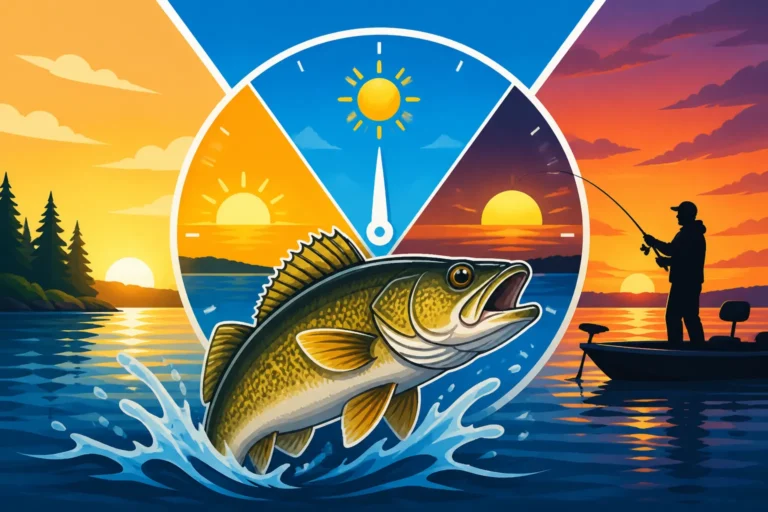
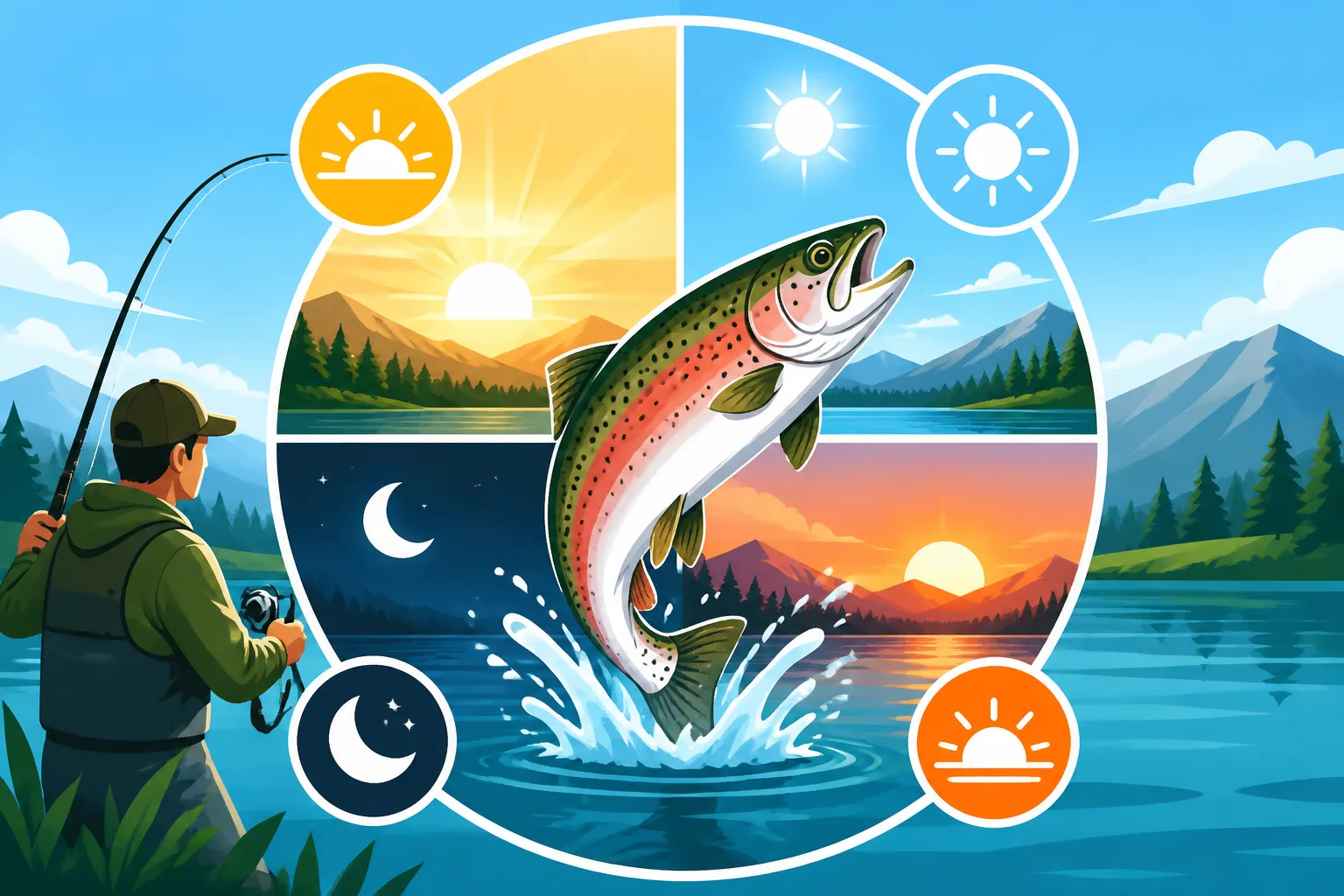
Beyond the season, the time of day can significantly impact your success. For stocked lakes, particularly as the water warms, the "golden hours" of dawn and dusk are often the most productive.
- Sunrise: As the sun just begins to peek over the horizon, the water is at its coolest, and light levels are low. Fish that have been resting or were less active during the night often start to feed aggressively. This is an excellent time for topwater presentations or fishing shallow. The peacefulness of the morning also adds to the enjoyment.
- Sunset: Similar to sunrise, the evening bite can be fantastic. As the sun dips, the water begins to cool, and the light diminishes, triggering another feeding window for trout. Often, fish will move closer to shore in the evenings, making them more accessible for bank anglers. Many successful walleye anglers adhere to this principle, and it often applies to stocked trout as well, though perhaps not as dramatically as for larger predators like walleye. Best time of day to catch walleye on Pigeon Lake elaborates on how light influences bigger game fish, which is a good parallel.
During the middle of the day, especially on bright, warm days, fishing can slow down considerably. If you must fish midday, try targeting shaded areas, deeper sections, or areas with submerged structure.
Here's a quick reference table for optimal timing on stocked lakes:
| Time of Year | Water Temperature | Fish Activity | Recommended Time of Day | Notes |
|---|---|---|---|---|
| Early Spring (Ice-off to May) | Cold to Cool | High | All Day, especially mid-morning/afternoon | Post-stocking frenzy likely; fish shallow |
| Early Summer (June) | Cool to Mild | Moderate | Dawn, Dusk, Overcast Days | Fish might start moving deeper midday |
| Mid-Summer (July-August) | Warm | Lower | Early Morning, Late Evening | Focus on deep water or shade |
| Fall (Sept-Oct) | Cool to Cold | High | All Day, especially mid-morning/afternoon | Fish fattening up; cooler water means active fish |
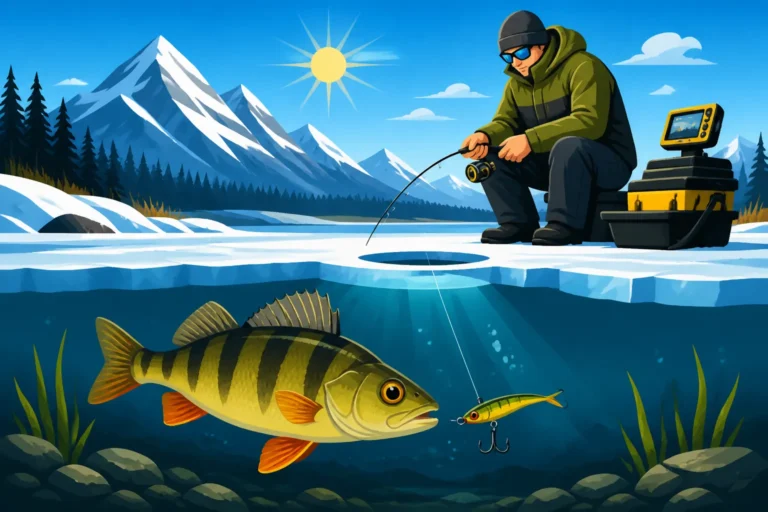
| Winter (Ice Fishing) | Very Cold | Moderate | Midday (less light penetration) | Less active, but concentrated under ice; check Alberta Fishing Season Dates by Zone for ice fishing dates |
Beyond the Initial Rush: Sustaining the Catch
While the immediate post-stocking period and the early season are fantastic, these lakes offer opportunities throughout the year if you're willing to adapt. The fish, once they've been in the lake for a while, become a bit more "educated" and behave more like wild fish, making them a fun challenge.
Mid-Season Adaptations
As spring gives way to summer and water temperatures rise, fish in stocked lakes will start to adapt more to their environment. The surface water can become too warm and low in oxygen for trout, pushing them into deeper, cooler zones. This means your shallow-water tactics might not work as effectively. Mid-season success often requires a change in approach:
- Go Deeper: Use weighted lures, sink tips on fly lines, or drop-shot rigs to get your bait down to where the fish are holding. This might be in the middle of the lake, near a drop-off, or around any submerged structure.
- Fish Structure: Look for underwater humps, points, fallen trees, or even old creek channels. These provide cover and cooler water, attracting baitfish and, consequently, the trout. A portable fish finder can be a game-changer here, helping you locate these hidden gems.
- Downsize Your Lures: As fish become more wary, smaller, more natural-looking presentations can often be more effective. Think tiny jigs, small spoons, or subtle fly patterns.
- Morning and Evening: These times become even more critical during the heat of summer. The brief periods of cooler water and lower light often trigger feeding activity.
This is where a good Best Tackle for Panfish setup, if you consider small stocked trout like panfish, can really shine. Lighter lines, smaller hooks, and subtle baits are often key.
Late Season Opportunities
Don't write off stocked lakes when fall rolls around! The late season, from September to October, can be another incredibly productive time, often rivaling early spring. As air temperatures drop, the lake water begins to cool down significantly. This "fall turnover" or simply cooler temperatures means the entire water column becomes more hospitable for trout. They spread out again, become more active, and often feed aggressively to fatten up for the winter ahead.
During the fall, trout in stocked lakes are often at their largest size for the year, having had a full season of feeding. They might also be more aggressive as they sense the approaching cold. This is a great time to experiment with slightly larger lures or flies, or even try some small streamers if you're fly fishing. The vibrant fall colours reflecting on the water only add to the beauty of a late-season fishing trip. Just remember that daylight hours are shorter, so plan your trip accordingly to make the most of the available fishing time.
Gear and Tactics for Success
Having the right gear and knowing a few simple techniques can dramatically improve your experience on stocked lakes, regardless of when you go. You don't need fancy equipment, but a thoughtful setup helps.
Simple Bait and Lure Choices
Hatchery trout are often conditioned to eat pellet food, so baits that mimic this, or are easily digestible, work wonders.
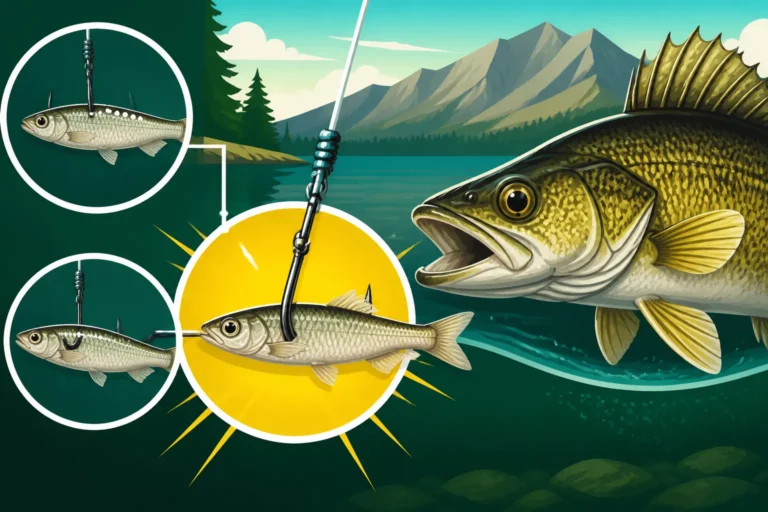
- PowerBait or Berkley Gulp: These scented dough baits are absolute staples for stocked trout. They come in various colours and scents, and often float, making them ideal for suspending off the bottom with a small split shot. A simple hook, a split shot, and a piece of PowerBait is often all you need. You can find massive selections of these on Amazon.
- Worms: Good old earthworms are always a winner. They're natural, irresistible to most fish, and easy to present. Again, a small hook and a split shot will do the trick.
- Small Spinners and Spoons: Lures like a Mepps Aglia, Blue Fox Vibrax, or small Kastmaster spoons are incredibly effective. Their flash and vibration mimic small baitfish or aquatic insects, triggering a predatory response. Look for sizes generally under 1/8 oz for consistent success.
- Jigs: Small marabou jigs or tube jigs, often used for panfish, can also be deadly for stocked trout, especially when tipped with a small piece of worm or scented soft plastic.
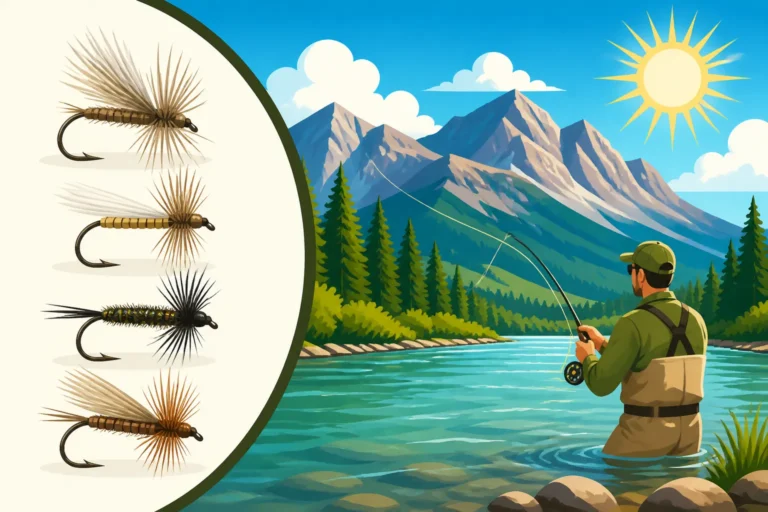
- Flies: If you're into fly fishing, basic nymph patterns (like Prince Nymphs, Hare's Ears) and small wet flies can be very effective, especially once the fish have settled in. For the post-stocking frenzy, even a simple Woolly Bugger can get a lot of attention.
Knowing Best Bait for Opening Day Trout in Alberta can give you an edge, as those early season fish are often freshly stocked and eager to bite.
Essential Gear Considerations
You really don't need to break the bank to fish stocked lakes. A basic, light setup is often perfect.
- Rod and Reel: A light to ultralight spinning rod (5-6 feet) paired with a small spinning reel spooled with 4-6 lb test monofilament or fluorocarbon line is ideal. This setup provides sensitivity for those subtle bites and enough backbone to handle a feisty trout. If you're looking for recommendations, Best Fishing Rods for Alberta Rivers will give you an idea of quality, albeit for rivers. A lighter setup is great for lakes.
- Tackle Box Basics: Beyond your chosen baits and lures, make sure you have a selection of small hooks (size 8-12), split shot weights, small swivels, and a pair of small pliers for unhooking fish. A small cooler to keep your catches fresh is also a good idea.
- Landing Net: A small, soft-mesh landing net is invaluable, especially if you plan to practice catch and release. It helps minimize stress on the fish. You can find many affordable and effective options on Amazon.
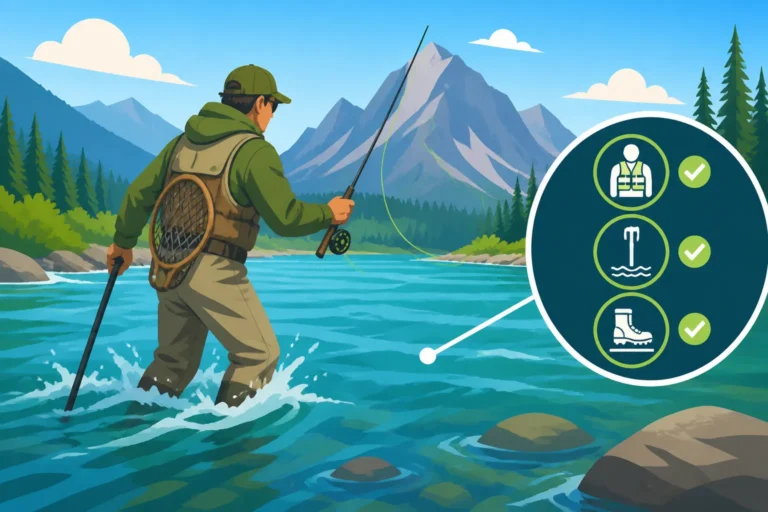
- Waders/Boots: While many stocked lakes offer great bank access, having a pair of waterproof boots or even chest waders can open up more casting angles and allow you to reach areas further from shore, especially in cooler weather.
- Alberta Fishing License: Always, always, always make sure you have a current Alberta Fishing License Guide for 2026 and a WIN Card. It's the law, and fines for fishing without one can be significant. Don't forget to check if there are any specific regulations for the lake you plan to visit, as some might have special limits or gear restrictions. Remember, Alberta Youth Fishing License Exemption Under 16 is a thing, so check the age rules for any young anglers you bring along!
Ultimately, the best time to fish a stocked lake is often any time you can get out there. However, by understanding the dynamics of stocking programs, paying attention to the calendar and the clock, and adapting your techniques, you can significantly increase your chances of a successful and rewarding day on the water. Happy fishing!
Disclaimer
This article is for general informational purposes only and does not constitute professional advice. Laws, prices and regulations vary by location and change over time. Consult a qualified professional for guidance on your specific situation.