Best time of day to catch walleye on Pigeon Lake
There's nothing quite like the thrill of a walleye tugging on your line, but let's be honest, those elusive fish can sometimes feel like ghosts in the water, especially on a popular lake like Pigeon Lake. Many anglers spend hours staring at their sonar, wondering if they're even in the right place, let alone the right time. This comprehensive guide is dedicated to helping you decipher the daily rhythms of Pigeon Lake walleye, ensuring your next trip is packed with more action and less head-scratching.
Understanding Walleye Behavior on Pigeon Lake
Before we dive into specific times, it’s crucial to understand the very nature of the walleye, particularly how they behave in a lake like Pigeon Lake. These fish aren't just swimming around aimlessly; they have specific preferences that dictate their movements and feeding habits throughout the day. Grasping these fundamentals will empower you to make informed decisions, regardless of what the clock says.
Walleye Habitat Preferences in Pigeon Lake
Pigeon Lake, being a relatively shallow and highly productive lake, offers a distinct set of habitats for walleye. Unlike deep, clear mountain lakes, Pigeon Lake features extensive weed beds, subtle breaks, and a predominantly soft bottom with scattered rocky patches. Walleye in this environment aren't always looking for dramatic drop-offs; instead, they often key in on the edges of large weed flats, particularly where vegetation transitions from dense to sparse, or where harder bottom areas emerge.
Imagine spending a sunny afternoon cruising the lake. You might notice thick patches of cabbage or coontail reaching towards the surface. These aren't just obstacles; they're prime real estate for walleye. The edges of these weed beds provide ambush points for predatory walleye, allowing them to hide from direct sunlight and dart out to intercept unsuspecting baitfish. Key areas to focus on might be the extensive weed lines off Mulhurst Bay or the subtler breaks near Ma-Me-O Beach. Even a slight depth change from 8 feet to 12 feet can be a significant "structure" in Pigeon Lake. These transition zones often concentrate baitfish like yellow perch and various shiner species, making them magnetic for hungry walleye. Understanding their preferred hangouts is the first step in being in the right place at the right time.
Feeding Patterns and Opportunistic Nature
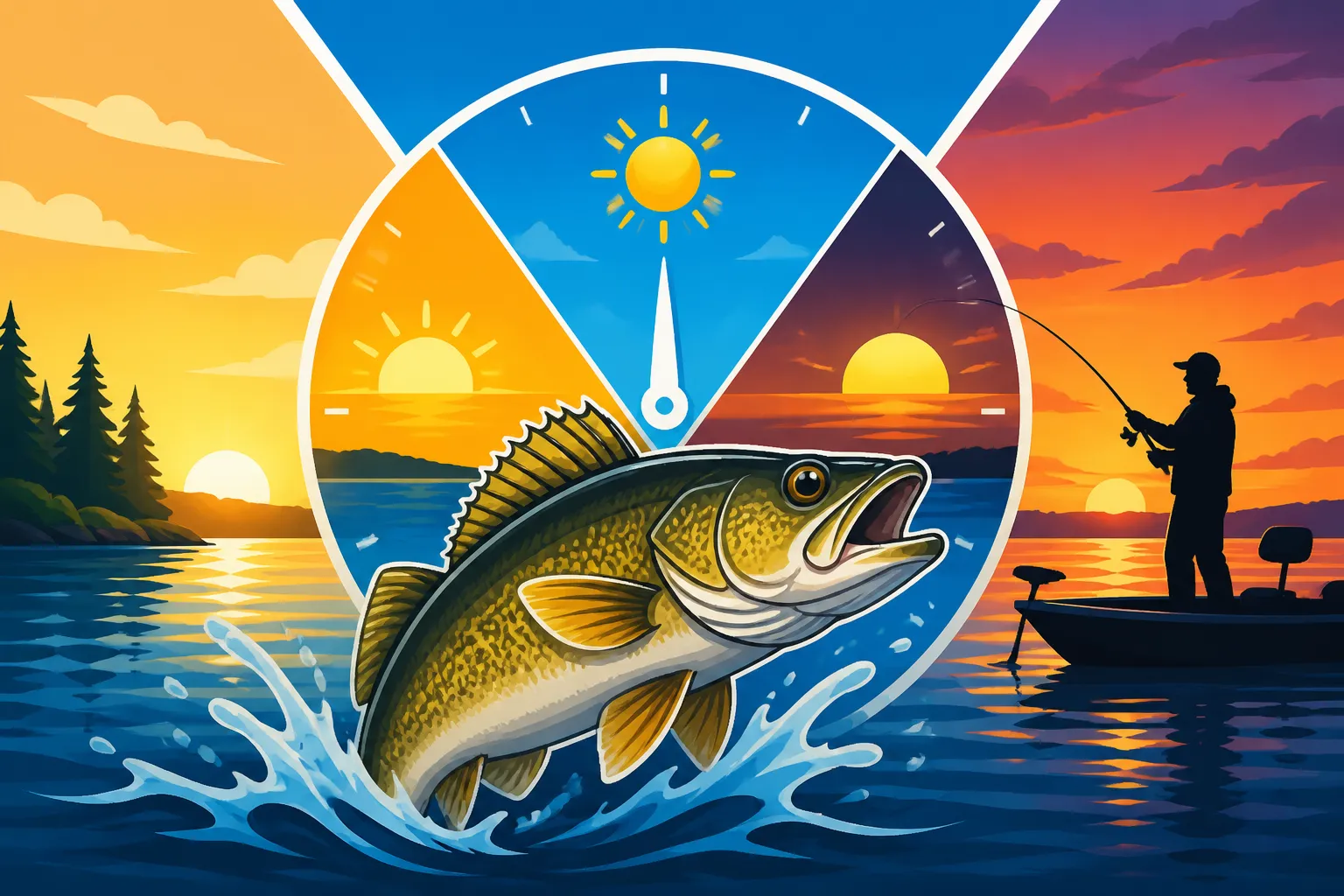
Walleye are renowned for their superior low-light vision, a characteristic that fundamentally shapes their feeding patterns. They possess a reflective layer in their eyes called the tapetum lucidum, which gives them an edge in dim conditions. This means they are primarily crepuscular, actively hunting during dawn and dusk, and often extending their feeding into the night. It's during these periods that baitfish become more vulnerable, unable to see the approaching walleye as effectively.
However, labeling walleye as only low-light feeders would be a disservice to their opportunistic nature. While dawn and dusk are often peak times, these fish will absolutely feed during the day if the conditions are right. A cloudy, overcast day, a strong wind chop breaking up light penetration, or even a sudden drop in barometric pressure can all trigger a daytime feeding frenzy. Their activity isn't solely dictated by the sun's position but also by comfort, cover, and the availability of easy meals. This means that while we often focus on "prime times," a savvy angler understands that walleye are always on the hunt, just perhaps in different locations or requiring different presentations outside of those golden hours. For a deeper dive into their feeding habits, you might find our guide on What walleye eat in Alberta lakes particularly helpful.
Prime Time Fishing: Dawn and Dusk Explained
If there's one piece of advice you'll hear consistently for walleye fishing, it's to fish at dawn and dusk. This isn't just an old wives' tale; it's rooted in the biological advantages walleye have in low-light conditions. On Pigeon Lake, these periods are often when the most aggressive bites occur, and knowing how to capitalize on them can dramatically increase your success.
Why Low Light Offers the Best Advantage
The science behind the dawn and dusk bite for walleye is fascinating. As mentioned, their tapetum lucidum acts like a built-in night vision enhancer, allowing them to see far better than most prey fish and even humans in dim light. When the sun dips below the horizon or has yet to make its full appearance, the lake's surface becomes a shadowy world. Baitfish, which rely heavily on visual cues, are at a disadvantage, making them easier targets for the stealthy walleye.
Beyond the biological edge, low-light conditions often coincide with other favorable factors. The water temperature is typically cooler and more stable, providing comfort for walleye that might have been pushed deeper by midday heat. There's also generally less boat traffic during these times, leading to a quieter, less disturbed environment where fish feel more secure to roam and feed in shallower, more accessible areas. For anglers, this means less competition and a serene experience, often culminating in explosive strikes. If you want to learn more about walleye fishing techniques in general, be sure to check out our comprehensive guide on How to Catch Walleye in Alberta.
Strategies for Dawn Bites on Pigeon Lake
To truly capitalize on the dawn bite on Pigeon Lake, preparation is key. You need to be on the water, with your lines wet, before the first hint of sunrise. Walleye will often move into shallower water, particularly along weed edges, rocky points, and submerged humps, to hunt. These shallow forays are typically short-lived, lasting an hour or two after sunrise, making it crucial to be ready.
For tackle, consider medium-diving crankbaits like Rapala Shad Raps or Berkley Flicker Shads in natural perch or silver patterns, especially if you're trolling parallel to weed lines in 6-12 feet of water. Casting stickbaits (such as a Husky Jerk or a X-Rap) towards the shore and retrieving them slowly can also be incredibly effective. Jigs tipped with live bait, like a minnow or a leech, are timeless choices, fished slowly along the bottom or jigged subtly near structural elements. The cool, calm morning air often means the walleye are less pressured and more willing to chase. Don't be afraid to experiment with brighter colours early on, as the low light can make them more visible, but switch to more natural tones as the sky brightens.
Maximizing Dusk and Night Fishing Opportunities
The dusk bite on Pigeon Lake can be even more intense than the dawn bite, as walleye often have an extended feeding window stretching well into the night. As the sun sets, these fish will aggressively move from their daytime holding areas into shallower feeding flats and along prominent weed edges. This transition period is prime for action, as fish are actively hunting.
For dusk fishing, focus your efforts on the same shallow weed lines and points you'd target at dawn, but pay extra attention to areas where baitfish are congregating. Consider using crankbaits that dive to the depth of the weed tops, or try throwing larger soft plastic paddle tails on jig heads, allowing them to swim just above the vegetation. If night fishing is something you're considering, always double-check the Alberta Fishing Regulations Explained for any specific night fishing rules or restrictions on Pigeon Lake. When fishing after dark, lures with rattles or those that create strong vibrations can be incredibly effective, as walleye will rely even more on their lateral line to detect prey. Darker colors, like black, purple, or blue, can sometimes create a more distinct silhouette against the dim sky, making them easier for walleye to ambush. A good headlamp (with a red light option to preserve night vision) and careful navigation are essential for safe and successful night excursions.
Daytime Strategies: When the Sun is High
Just because the sun is high in the sky doesn't mean you should pack up and go home. While the intense feeding windows of dawn and dusk might pass, walleye don't simply vanish. They adapt, seeking refuge and often remaining catchable for anglers willing to adjust their approach. Pigeon Lake's characteristics lend themselves to specific daytime strategies that can still yield impressive results.
Adapting to Bright Conditions and Deeper Water
When the sun is blazing over Pigeon Lake, walleye typically retreat from the shallower, exposed areas. They seek comfort and cover, which, in a lake like Pigeon Lake, often means tucking into the densest parts of weed beds, finding any slight depressions or "holes" on the lake bottom, or congregating around whatever limited deeper structure is available. They might also relate to submerged timber or even the shade cast by docks or larger boats if allowed to fish near them.
Your tactics need to shift from aggressive searching to more precise, often slower, presentations. Think about vertical jigging directly over marked fish or structure. A simple jig tipped with a leech, a piece of nightcrawler, or even a small plastic grub can be deadly when fished subtly. Sometimes, simply letting a jig sit motionless on the bottom for extended periods can trigger a hesitant bite. The key is to present your bait in a way that minimizes effort for the walleye, as they are less likely to chase in bright, high-pressure conditions. Focusing on areas with denser cover, even if it's just a thick clump of weeds in 10 feet of water, will significantly improve your chances during these midday hours.
Leveraging Technology: Fish Finders and Sonar
In the bright light of day on Pigeon Lake, your eyes might not be enough to locate the elusive walleye. This is where modern technology, specifically fish finders and sonar, becomes an invaluable asset. A quality fish finder isn't just for showing you depth; it's your window into the underwater world, helping you identify subtle bottom changes, dense weed lines, baitfish schools, and, most importantly, the walleye themselves.
Using a unit with side imaging or down imaging capabilities can be particularly effective. While cruising, you can scan wide swaths of the lake, pinpointing those crucial weed edges or isolated humps where walleye might be holding. Once you mark fish, you can then switch to traditional 2D sonar to get a clearer picture of their depth and numbers. A good fish finder, many excellent models of which are available on Amazon, can help you interpret the bottom contour, distinguish between weeds and actual fish, and even show you the size of bait balls. Don't just look for fish arches; look for baitfish congregating, as walleye are rarely far from their food source. Understanding how to use and interpret your sonar readings, as discussed in detail in our guide to the Best Fish Finders for Alberta Lakes, will be a game-changer for your daytime walleye success on Pigeon Lake.
Alternative Daytime Tactics for Pigeon Lake
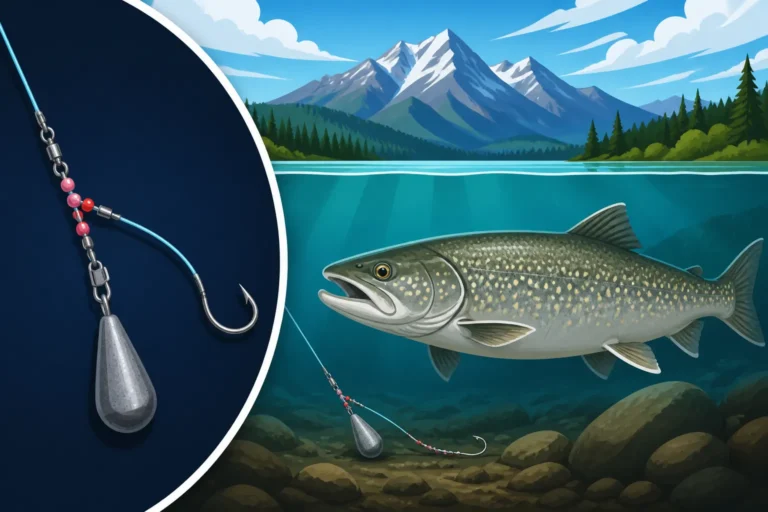
Beyond just finding them, you need specific techniques to entice daytime walleye on Pigeon Lake. One highly effective method is bottom bouncing with spinner rigs. This involves using a weighted bottom bouncer to keep your bait (often a worm or leech on a snelled hook) just above the lakebed. Troll this slowly along weed lines or across flats, keeping the line just ticking the bottom. The spinner blade adds flash and vibration, attracting walleye in the murkier or deeper water.
Another excellent tactic is slip bobber fishing. This allows you to present live bait (like a large leech or a shiner minnow) at a precise depth, often suspended just above the tops of submerged weeds or near a marked school of fish. Set your bobber stop to position your bait where the walleye are holding, then let the wind drift your boat slowly or use your trolling motor to move along target areas. When the walleye are less active, a natural presentation like a slowly drifting live bait can often be irresistible. You might also consider vertically jigging small spoons or blade baits. Drop these directly to the bottom in deeper pockets or over dense weed cover, then lift and drop, letting the lure flutter. This aggressive action can sometimes trigger a reaction strike from otherwise lethargic fish. The key is patience and persistent presentation in known fish-holding areas.
Factors Beyond the Clock Influencing Walleye Activity
While dawn and dusk are often touted as the "best" times, smart anglers know that many other elements can override or enhance these windows. Weather, seasonal changes, and water conditions play a monumental role in walleye behavior on Pigeon Lake, sometimes making midday more productive than prime time, or vice versa. Ignoring these factors means missing out on crucial opportunities.
The Impact of Weather and Barometric Pressure
Weather isn't just about comfort for the angler; it profoundly impacts walleye. One of the most significant factors is barometric pressure. A stable, high-pressure system typically leads to slower fishing, as fish often feel less comfortable and might retreat to deeper water or denser cover. Conversely, a falling barometric pressure, often signaling an approaching weather front, frequently triggers aggressive feeding. Walleye sense these changes and will gorge themselves before the storm hits. After a front passes, and pressure rises sharply, fishing can be tough again as the fish become lethargic. You can explore more about these specific responses in our guide on Cold Front Fishing Tactics for Alberta Walleye.
Cloud cover is another massive factor. Overcast skies effectively extend the low-light conditions that walleye love, often making them more active and willing to chase lures even at midday. A cloudy day on Pigeon Lake can rival a good dawn or dusk bite. Wind, surprisingly, is often a walleye angler's best friend. A good "walleye chop"—a moderate wind creating ripples and small waves—breaks up light penetration into the water, further enhancing the walleye's low-light advantage. It also disorients baitfish and creates current, which can trigger feeding. Anglers often find success by casting into the wind or drifting with it, allowing the waves to naturally impart action to their baits.
Seasonal Shifts and Spawning Patterns
The time of year dictates drastic shifts in walleye behavior on Pigeon Lake, completely altering the "best time of day" equation.
- Spring (Post-Spawn): After the walleye spawn, typically in late spring when water temperatures rise to 4-7°C, the fish enter a recovery phase. The immediate post-spawn period can be tough as fish are exhausted. However, shortly after, they begin to feed aggressively to regain lost energy. During this time, they might be found in shallower bays and flats warming up, often moving in and out with daylight. For details on this critical period, refer to Walleye Spawning Season in Alberta.
- Summer: As Pigeon Lake warms up, walleye will often move deeper during the day, seeking cooler temperatures and stable oxygen levels. The dawn and dusk bites remain incredibly strong, but during midday, they'll congregate around the densest weed beds, submerged humps, or any subtle structure that offers shade and cooler water. They're often targeting the abundance of baitfish that have also proliferated in the warmer waters. Summer often means more consistent early morning and late evening action, with daytime success requiring more precise, slower presentations in specific areas. You might adapt tactics from our article on Best lures for walleye on Lesser Slave Lake in summer, as many principles apply to Pigeon Lake.
- Fall: This is often considered the most productive time of year for trophy walleye on Pigeon Lake. As water temperatures cool, walleye go on a massive feeding frenzy to bulk up for winter. They can often be caught throughout the day, especially on overcast or windy days, moving into shallower water to chase schools of baitfish. Look for them on points, flats, and deep weed lines. The "best time of day" in fall often extends far beyond just dawn and dusk, offering excellent midday action.
- Winter (Ice Fishing): While a different discipline, ice fishing for walleye on Pigeon Lake still sees low-light periods as prime, often around sunrise and sunset. However, midday bites can be strong too, especially if you're set up over active feeding grounds or find roaming schools.
Understanding these seasonal transitions allows you to anticipate where walleye will be and, consequently, when they'll be most active, regardless of the clock.
Water Clarity and Temperature
Water clarity and temperature are foundational elements that heavily influence walleye behavior. On Pigeon Lake, water clarity can vary throughout the season and with weather events. In clearer water conditions, walleye's incredible eyesight can work against them during bright daylight, making them more wary and prone to retreating to deeper, darker areas or dense cover. Here, subtle presentations, natural baits, or fluorocarbon leaders (like those sold on Amazon) are often necessary. In contrast, stained or turbid water, common after heavy rains or due to natural algae blooms, plays right into the walleye's advantage. Their low-light vision helps them navigate and hunt effectively, even during bright parts of the day, making them less shy and potentially more active. In these conditions, brighter lures, those with strong vibration, or darker silhouettes can be very effective.
Water temperature is another critical environmental cue. Walleye are cold-blooded and their metabolism is directly tied to water temperature. They have preferred temperature ranges for feeding and spawning. In Pigeon Lake, knowing the optimal temperature (typically 18-24°C for peak feeding in summer) can help you pinpoint where they might be holding. If the surface water is too warm, they'll seek deeper, cooler water. If it's too cold, their metabolism slows, and they might become lethargic. Using a thermometer to check water temperatures in different areas of the lake can give you a significant edge, guiding you to the most comfortable and active fish.
Optimal Walleye Fishing Times on Pigeon Lake
To make things a little clearer, here's a quick overview of when you might find the best walleye action on Pigeon Lake, considering the variables we've discussed. Remember, these are guidelines, and walleye often surprise us!
| Season | Time of Day | Key Conditions | Best Tactics |
|---|---|---|---|
| Spring | Early Morning/Late Evening | Post-spawn, rising temps, moderate wind | Shallow crankbaits, jigs with live bait on weed edges |
| Midday | Overcast, light chop, rising temps | Slower presentations, slip bobbers, light jigs in warmer bays | |
| Summer | Dawn/Dusk | Stable weather, low light, warm water | Trolling crankbaits along weed lines, casting soft plastics, live bait on submerged humps |
| Midday | Overcast/Windy, stable pressure | Bottom bouncing, vertical jigging deep weed edges, fish finder essential | |
| Fall | Throughout the Day | Cooling water, cloudy/windy, pre-winter feed | Aggressive crankbait trolling, jigging spoons, larger soft plastics on deeper flats |
| Low Light | Falling temps, stable pressure | Same as above, focusing on prime feeding windows for maximum activity | |
| Winter | Sunrise/Sunset | Ice fishing conditions, stable pressure | Jigging spoons, minnow baits, lipless crankbaits, focus on main lake basins and structural elements |
| Midday | Cloudy, stable pressure | Slower jigging, deadsticking live bait, focus on holes or depressions |
Remember, this table provides a general framework. Walleye are unpredictable, and the "best" time often boils down to being on the water when the fish decide to bite, which can happen at any moment given the right combination of factors.
Disclaimer
Fishing involves inherent risks, and conditions can change rapidly. Always prioritize safety, check local weather forecasts, and ensure your boat and gear are in proper working order. This guide provides general information and recommendations. It is your responsibility to familiarize yourself with and strictly adhere to all current Alberta fishing regulations, including licensing, bag limits (like the Alberta Walleye Limit by Zone), and any specific rules for Pigeon Lake, as these can change annually. The information provided here is for recreational purposes only and should not replace official regulatory documents.