How to figure eight a pike boatside
It's one of the most disheartening experiences for any angler: you've fought hard, reeled in a massive northern pike, and it's right there, boatside, only to have it turn its head, make one last furious surge, and snap the line or spit the hook. That heart-stopping moment of watching a trophy fish disappear back into the depths is agonizing. This guide will walk you through the "figure eight" technique, a proven method to convert those frustrating boatside follows into hooked fish, giving you the edge you need to land more of Alberta's incredible pike.
Understanding the "Boatside Pike" Problem
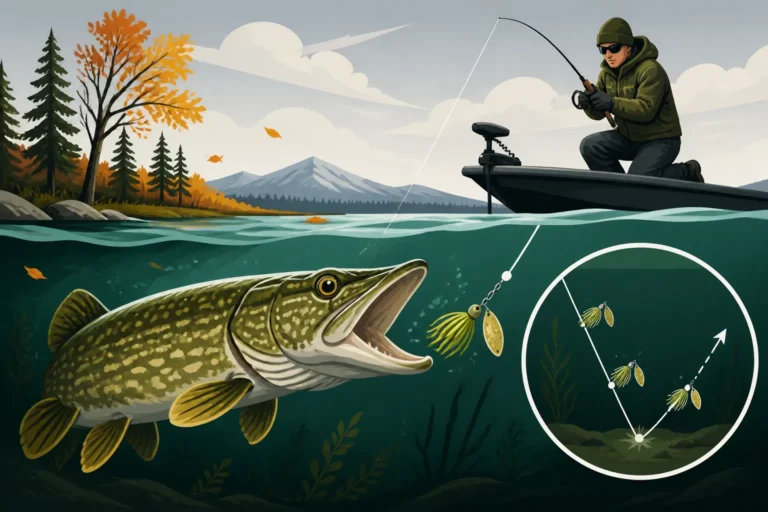
We've all been there, right? You're casting tirelessly, maybe trying out a new swimbait or a big spoon, and suddenly, you see it: a dark, torpedo-shaped shadow materializing behind your lure. Your heart starts pounding. It's a pike, and it's big! But then, instead of crushing your offering, it just follows, nose almost touching the lure, all the way to the boat. And then, without warning, it turns and disappears. It's enough to make you throw your rod in frustration.
The Pike's Last Stand: Why They Bolt at the Boat
Northern pike are incredibly curious and aggressive predators. They'll often track a lure for a long distance, assessing it, before deciding to strike. However, when that lure reaches the boat, a few things typically happen. First, the fish runs out of "open water" to chase in. The boat itself, or the sudden emergence into the bright surface light, can spook it. Second, the retrieve usually stops or becomes awkward, making the lure no longer look like a fleeing, vulnerable prey item. That hesitation is often all the fish needs to break off the chase and vanish. They've followed, they've observed, and they've decided it's not worth the effort, or perhaps something about the environment suddenly feels off.
The Role of Adrenaline: Both Yours and the Fish's
Let's be honest, seeing a monster pike follow your lure ignites a primal adrenaline rush in us, the anglers. Our hands might shake, our breathing hitches, and our focus narrows. This can sometimes lead to mistakes, like pulling the lure out of the water too quickly or making a sudden, unnatural movement. Simultaneously, the pike itself is in a high-alert, predatory state. Its adrenaline is pumping, its senses are heightened, and it's looking for any sign of weakness or escape from its "prey." When that escape doesn't happen naturally, or when the environment changes too abruptly (like hitting the boat), its instinct shifts from chase-and-strike to evade-and-retreat. The figure eight technique essentially tricks both our brains and the fish's into extending that predatory dance.
What is the Figure Eight Technique?
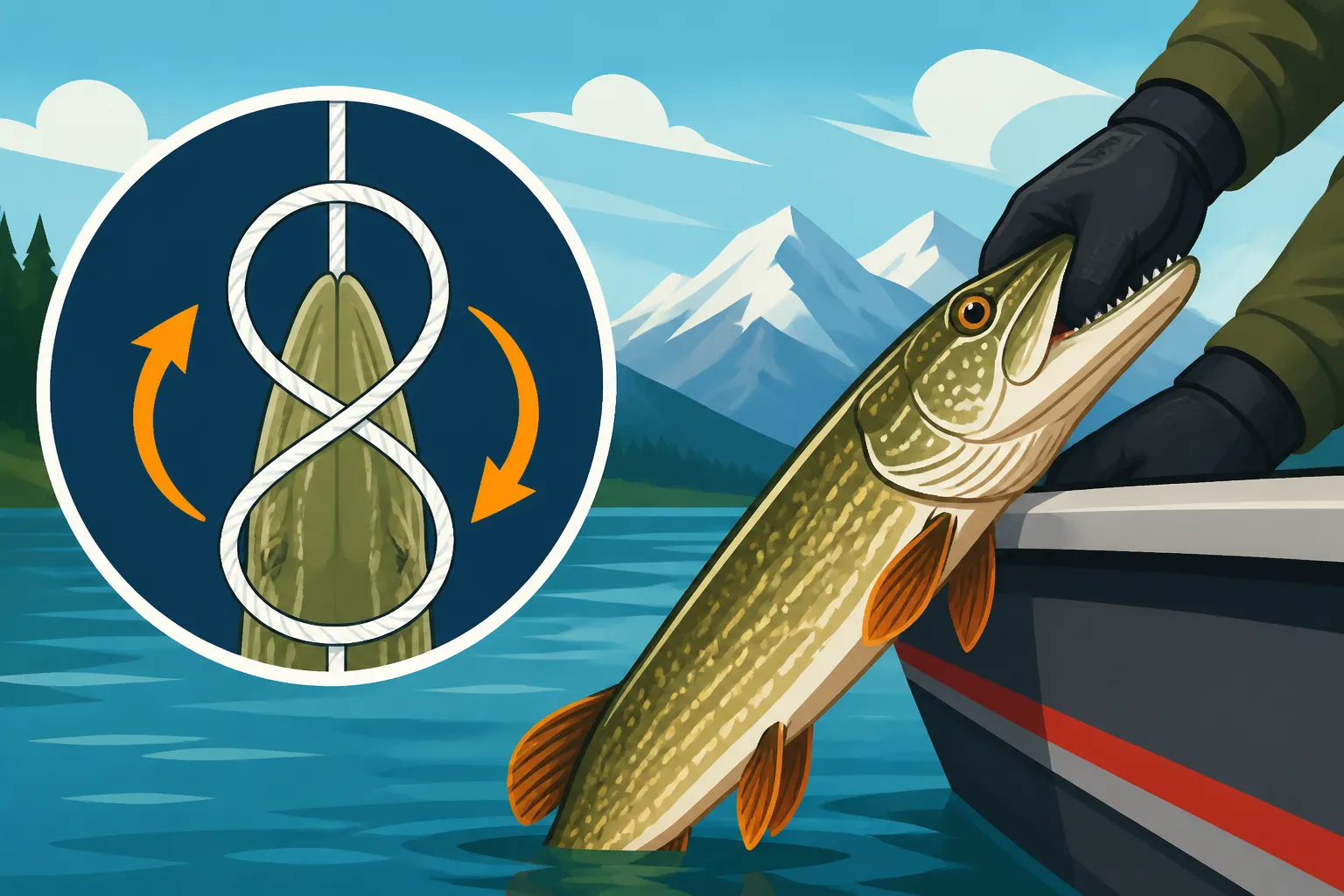
The figure eight technique is a high-octane, incredibly effective maneuver used to trigger strikes from follow-up fish, particularly large, aggressive predators like northern pike and muskellunge, right at the boat. Instead of pulling your lure out of the water after a follow, you smoothly transition into a continuous, sweeping motion that keeps the lure in the water and simulates a panicked, fleeing baitfish.
Visualizing the Move: Creating the Pattern
Imagine drawing a large, elongated figure "8" with the tip of your fishing rod in the water, right beside the boat. That's essentially the movement. As your lure approaches the boat and you spot a pike following, you don't stop reeling. Instead, you keep the rod tip submerged a few inches, or just at the surface, and begin a wide, sweeping motion. The key is to make smooth, continuous curves, transitioning from one loop of the "8" to the next without any jerking or pausing. The lure remains under tension, moving erratically but fluidly, just like a baitfish trying desperately to escape. This action keeps the pike's attention glued to the lure, often triggering a violent strike.
The Purpose: Extending the Strike Zone
The core purpose of the figure eight is to extend the "strike zone." Normally, when your lure reaches the boat, that's the end of the line, literally. The figure eight effectively turns the side of your boat into a continuation of the fishing grounds. It capitalizes on the pike's predatory instinct. When a pike follows a lure, it's often because it's assessing it, waiting for the opportune moment or a sign of weakness. By performing the figure eight, you're presenting a "vulnerable" target that seems to be trying to escape right at the edge of its perceived safety zone. This sudden, frantic movement often pushes the pike over the edge, causing it to commit to a strike it might have otherwise aborted. It's a brilliant way to turn frustrating follows into exhilarating catches.
Mastering the Figure Eight: A Step-by-Step Guide
Executing a perfect figure eight might seem daunting at first, but with practice, it becomes second nature. It's about combining smooth rod work with an understanding of the fish's behavior. This technique can turn a disappointing follow into a memorable catch.
Getting Ready: Line, Rod, and Boat Positioning
Before you even start casting, be prepared. For northern pike in Alberta, you absolutely need robust gear. A medium-heavy to heavy action rod is crucial – something with enough backbone to control a large, thrashing pike and impart the necessary action to your lure. Pair this with a reliable baitcasting reel that has a smooth drag system. When it comes to line, braided line in the 50-80 lb test range is ideal, offering zero stretch for solid hooksets and incredible abrasion resistance. Always, and I mean always, attach a heavy-duty wire or fluorocarbon leader (80-130 lb test) to prevent those razor-sharp pike teeth from severing your line. Check out Best Pike Gear for Alberta Lakes for more details on suitable equipment.
Your boat's position matters too. Ideally, you want to be fishing perpendicular to the direction your boat is drifting or moving. This allows you to perform the figure eight along the side of the boat, rather than having to reach too far forward or back. If you're stationary, try to fish off the bow or stern where you have ample clear space to maneuver your rod. You don't want to be bumping into a gunwale or transducer while trying to make the move.
Executing the Figure Eight: The Continuous Motion
As your lure approaches the boat, keep your eyes peeled for that tell-tale follow. The moment you see a pike behind your lure, don't stop reeling! Continue the retrieve until the lure is just about to come out of the water. This is where the magic happens.
- Keep it in the water: Submerge your rod tip slightly, usually 6-12 inches deep, depending on your lure and the pike's position.
- Start the first loop: In one smooth, continuous motion, sweep your rod tip out wide, away from the boat, creating a large, semi-circular path. Imagine the arc of a big "C."
- Transition to the second loop: As you complete that first sweep, immediately transition into the opposite direction, bringing the rod tip back across the front of the boat and sweeping it out in the other direction. This creates the bottom curve of your "8."
- Repeat and Vary: Continue this figure eight pattern. The size of your loops should be generous, giving the pike room to maneuver and strike. Sometimes, varying the speed of your sweeps – a quicker turn, then a slightly slower, wider loop – can trigger an undecided fish.
- Watch the fish: The most critical part is to watch the pike. Is it staying tight to the lure? Is it speeding up? Slowing down? Let its movements dictate the subtle variations in your figure eight. If it looks like it's about to strike, hold your breath!
This fluid, non-stop action prevents the lure from stalling and maintains the illusion of a struggling baitfish. The pike, driven by its predatory instincts, often can't resist a target that appears to be trying desperately to get away.
The Strike and Hookset: Timing is Everything
When a pike commits to the figure eight, it's often an explosive, boat-rocking strike. They'll inhale the lure with incredible force, sometimes right at your feet!
- Don't pull away: Your immediate instinct might be to pull the lure away from the fish. Fight it! Let the pike take the lure.
- Feel the weight: Once you feel the solid weight of the fish and the pressure on your rod, set the hook with a powerful, sweeping motion. Since you're likely using braided line and a stiff rod, a firm sweep is usually all it takes to drive those hooks home. Don't go for a giant, overhead hookset, as you're likely fishing with a very short amount of line out. A sideways sweep or a short, upward snap is often more effective.
- Hold on! A hooked pike boatside will immediately begin a furious fight. Be ready for powerful runs, headshakes, and potential aerial acrobatics. Keep the rod tip loaded and maintain steady pressure. For more on catching these toothy critters, check out How to Catch Northern Pike in Alberta.
Gear Considerations for Figure-Eighting Pike
Having the right equipment isn't just about comfort; it's absolutely vital for successfully executing the figure eight and landing those big Alberta pike. The demands of this technique, combined with the power of these fish, mean you need gear you can trust.
The Right Rod and Reel: Power and Control
When selecting a rod for figure-eighting pike, think power and length. A rod between 7'6" and 9' is often preferred. The extra length gives you a wider sweep for the figure eight, making the motion smoother and more appealing to the fish. Look for a heavy or extra-heavy power rating with a fast or moderate-fast action. This provides the backbone needed to control large lures, muscle a big pike, and make a solid hookset when a fish strikes right at the boat. Shorter rods can make the figure eight feel cramped and less fluid.
For reels, a sturdy baitcasting reel is typically the go-to choice. You need something with a strong, smooth drag system that can handle the explosive runs of a big pike. A high-quality reel also offers the cranking power to retrieve large, resistant lures and the durability to stand up to repeated battles. Brands like Shimano and Daiwa offer excellent options that you can find easily on platforms like Amazon. Ensure your reel can hold ample line, as even a short fight can involve significant runs.
Heavy-Duty Line and Leaders: Essential for Toothy Critters
Line choice is non-negotiable for pike. Braided line, in the 50-80 lb test range, is almost universally recommended. Its lack of stretch provides incredible sensitivity, allowing you to feel every bump and follow. More importantly, it delivers maximum power for hooksets, crucial when a pike clamps down on a lure. If you're looking for high-quality braid, you can find many reputable options on Amazon.
Now, for the leader: this is where many anglers make a critical mistake. Pike have mouths full of razor-sharp teeth that will make short work of monofilament or fluorocarbon main lines. You must use a bite-proof leader.
- Wire Leaders: These are the most common and effective. Multi-strand, coated wire leaders are very flexible and nearly indestructible. Look for leaders around 9-12 inches long, rated for at least 80-100 lbs.
- Heavy Fluorocarbon Leaders: Some anglers prefer thick fluorocarbon (100-130 lb test) for its invisibility, but it can still be cut by a particularly determined pike, especially if the fish gets multiple teeth on it. If you choose fluorocarbon, ensure it's incredibly heavy and frequently check it for nicks and abrasions.
Always use high-quality snaps and swivels rated for heavy fish. A weak snap can open during a powerful strike, leading to heartbreak. For more insights into specialized line and leaders, refer to Best Line Weight for Pike Fishing and Best Wire Leader for Pike Fishing.
Lure Choice: Designed for the Move
Not all lures are created equal when it comes to the figure eight. The best lures are those that have a wide, erratic action, even at slower speeds, and displace a lot of water.
- Large Crankbaits and Swimbaits: These are perfect. Their wide wobbles and realistic profiles make them irresistible during the frantic figure eight motion. Look for models with strong hooks and sturdy construction. Best swimbait size for big pike can offer guidance.
- Jerkbaits: Long, slender jerkbaits can be highly effective, mimicking a panicked baitfish.
- Bucktail Spinners and Spinnerbaits: These can also work, especially those with large blades that create significant vibration and flash. The flash and pulsating skirt of a good spinnerbait can be a visual trigger.
The most important thing is to ensure your lure has at least two sharp, strong treble hooks. A pike striking during a figure eight often slashes at the lure, and multiple hooks increase your chances of a solid hookup. Regularly sharpen your hooks or replace dull ones. You can find an extensive selection of pike-specific lures on Amazon, including some excellent options discussed in Best Lures for Northern Pike in Alberta.
Common Mistakes and Troubleshooting
Even with the best gear and intentions, the figure eight can be tricky. Knowing what pitfalls to avoid and how to adjust can save you from missed opportunities.
Rushing the Process: Patience is Key
One of the most common mistakes anglers make when executing the figure eight is rushing. When you see that monster pike following, it's easy to get excited and speed up your retrieve, or make jerky, frantic motions with your rod. This often has the opposite effect. A rushed figure eight looks unnatural, uncoordinated, and can easily spook a cautious pike.
Instead, remember that the figure eight is about a continuous, fluid motion. Take a deep breath. Focus on making those wide, smooth curves. The speed should be consistent enough to keep the lure's action alive, but not so fast that it appears panicked in an unrealistic way. Think of a desperate, but still graceful, escape. Sometimes, a slightly slower, more deliberate figure eight can be more enticing, giving the pike an extra second to commit. Practice the motion with a lure tied on, even without a fish, to get a feel for the rhythm. This isn't a race; it's a dance with a predator.
Ignoring the Pike's Body Language: Watch for Cues
Pike are incredibly expressive fish, and their body language can tell you a lot about whether they're about to strike or bolt. Ignoring these cues is another frequent error.
- Speed and Proximity: Is the pike staying tight to your lure? If it's lagging far behind, it might not be interested enough. If it's nose-to-tail, it's highly engaged.
- Fin Flares: A pike that flares its fins is often getting ready for an attack.
- Head Turns: If the pike turns its head sharply away from the lure or the boat, it's probably done with the chase.
- Accelerated Chase: If the pike suddenly accelerates, mimicking a true chase, be ready – a strike is imminent.
If a pike is showing strong interest – staying close, perhaps even nudging the lure – that's your cue to keep the figure eight consistent and enticing. If it starts to lag or turn away, try a subtle change: a slightly faster or slower loop, a wider or tighter curve. Sometimes, an abrupt change in direction within the "8" can be the trigger. The ability to read the fish and adapt your figure eight accordingly is what separates good anglers from great ones.
Incorrect Boat Positioning: Creating Awkward Angles
Where you stand and how you position yourself in the boat can significantly impact your ability to perform a good figure eight. Trying to do it over the transom while battling a crosswind, for example, is a recipe for disaster.
The goal is to have ample clear space directly beside the boat where you can sweep your rod. Ideally, stand on a flat casting deck, like you'd find on a bass boat or a dedicated fishing vessel, where you have an unobstructed view and plenty of room. If you're in a smaller utility boat, you might need to adjust your position so you're not constantly bumping into obstacles. If you're fishing from a kayak, ensure your setup allows for a wide, unobstructed rod sweep without entanglement. Check out Best Kayak Fishing Spots in Alberta for ideas on where to try this from a paddle craft.
Avoid reaching too far out or angling your body awkwardly, as this compromises your balance and the fluidity of your motion. The figure eight should be an extension of your natural casting arm, not an acrobatic feat. Sometimes, simply taking a step or two to reposition yourself can make all the difference in executing a smooth, effective move.
When to Use (and Not Use) the Figure Eight
While the figure eight is a potent weapon in your pike fishing arsenal, it's not a universal solution for every scenario. Knowing when to deploy it, and when to opt for other tactics, is key to consistent success.
Ideal Scenarios: Aggressive Pike, Clear Water
The figure eight truly shines in specific conditions where pike are actively engaged and visible.
- Aggressive Follows: This technique is tailor-made for those frustrating moments when a pike follows your lure right to the boat but won't commit. If you're consistently getting follows but no strikes, the figure eight is your best bet to convert those fish. It speaks directly to their predatory instinct to chase and kill.
- Clear Water Conditions: In clear water, you can often see the pike following from a distance. This gives you ample time to prepare and smoothly transition into the figure eight as the fish gets closer. Being able to see the fish's reaction and adjust your motion accordingly is a huge advantage. On the flip side, if the water is murky, it's much harder to know if a fish is even there, making the technique less practical.
- High-Visibility Lures: Lures that create a strong visual presence – think large swimbaits, bright crankbaits, or flashy spinnerbaits – are excellent for figure-eighting. The figure eight relies on provoking a visual strike, so a lure that stands out will be more effective. You can find a huge variety of these lures on Amazon.
- Pre-Spawn and Post-Spawn Periods: Pike are often highly aggressive and active during these times, making them more likely to chase and commit to a figure eight. Their metabolic rates are high, and they're looking for substantial meals.
When to Skip It: Exhausted Fish, Heavy Cover
There are times when forcing a figure eight might be counterproductive or even detrimental.
- Exhausted or Lightly Hooked Fish: If you've just battled a pike for a long time and it comes to the boat completely exhausted, forcing it into a figure eight is unnecessary stress on the fish. It's better to net it quickly and release it safely. Similarly, if a fish is barely hooked, trying a figure eight risks tearing the hook out. In these cases, focus on a swift, clean landing using a proper Best Landing Net for Pike.
- Heavy Cover and Obstructions: Trying to perform a wide figure eight around thick weeds, submerged timber, or docks is a recipe for getting snagged or wrapping your line around an obstacle. The technique requires clear, open water beside the boat for effective execution. If you're fishing tight to cover, focus on short, targeted casts and hooksets away from the boat.
- Non-Aggressive Fish: If pike are lethargic, perhaps due to a cold front or extreme heat, they might not be in the mood to chase. A subtle, slower presentation might be more effective than trying to trigger an aggressive response with a figure eight. Cold Front Fishing Tactics for Alberta Walleye might give you some transferable ideas, even though it's walleye-focused.
Here's a quick comparison of scenarios:
| Scenario | When to Figure Eight? | When to Skip It? | Key Considerations |
|---|---|---|---|
| Pike Aggression | High, follows lure | Low, lethargic | Match technique to fish mood. |
| Water Clarity | Clear | Murky, stained | Visibility is crucial for seeing the follow. |
| Boatside Area | Open, unobstructed | Heavy cover, snags | Avoid snags, ensure smooth rod movement. |
| Fish Condition | Energetic, strong | Exhausted, lightly hooked | Prioritize fish welfare and landing success. |
| Lure Type | Large, erratic action | Small, subtle | Lure must maintain enticing action during the "8." |
| Angler Visibility of Fish | Excellent | Poor | You need to see the fish to react appropriately. |
The figure eight is a fantastic skill to add to your Alberta fishing toolkit. It takes practice and patience, but the payoff of landing those giant pike that would have otherwise just waved goodbye at the boat is absolutely priceless. So next time you see that shadow, don't give up! Get that rod tip in the water and draw the "8" of destiny.
Disclaimer
This article is for general informational purposes only and does not constitute professional advice. Laws, prices and regulations vary by location and change over time. Consult a qualified professional for guidance on your specific situation.