Best Techniques for Fall Trout Fishing
The crisp air of autumn brings a unique magic to Alberta's rivers and lakes, but it also brings a whole new set of challenges for trout anglers. Gone are the predictable summer hatches, replaced by fluctuating temperatures and trout that can be incredibly finicky or surprisingly aggressive. Many anglers get frustrated trying to crack the code of fall trout, especially when the fish seem to vanish or ignore every fly and lure in their box. This guide will walk you through the very best techniques to embrace the nuances of fall trout fishing in Alberta, helping you find success and truly enjoy this beautiful, often overlooked, season.
Why Fall is a Special Time for Trout in Alberta
Fall isn't just about the stunning colours of the aspens and the quieter waters; it's a critical period for trout, making them behave very differently than during the warmer months. Understanding these shifts is key to unlocking some incredible fishing opportunities.
The Influence of Cooling Water Temperatures
As the days shorten and the nights grow colder, Alberta's rivers and lakes gradually shed their summer warmth. This cooling trend is perhaps the single most important factor influencing fall trout behavior. Trout, being cold-blooded, become more active and energetic as water temperatures settle into their preferred range, usually between 8-15°C (46-59°F). This often means they’re less sluggish than in the dog days of summer and more willing to chase a meal. You'll notice a significant change from the Spring Trout Fishing Techniques for Alberta Streams where warming waters were the primary driver. In fall, consistent cooling stabilizes their metabolism, preparing them for the long winter ahead.
However, it's not a uniform cool-down. Rivers like the Bow River or the Crowsnest River will cool faster than deeper lakes like Cold Lake, which retain heat longer. This means the prime fishing window for active trout might vary by location. Keep an eye on local water temperature reports, if available, or invest in a small thermometer to check the water yourself. These temperature shifts also reduce insect activity on the surface, pushing trout to feed more opportunistically below.
Pre-Spawn Aggression and Winter Preparation
For many trout species, fall is when they prepare to spawn, or are actively spawning. Brown trout, for instance, are fall spawners, and during this period, males especially become incredibly aggressive, defending their redds (spawning beds) and feeding voraciously to build up energy reserves. This aggression makes them particularly susceptible to larger, more imitative flies and lures. Rainbow and cutthroat trout might not be spawning themselves, but they are often present in the same waters, feeding on eggs or other opportunistic meals.
Beyond spawning, all trout in Alberta are focused on packing on calories for winter. As insect hatches dwindle, they become less selective and more inclined to chase larger prey items like baitfish, sculpins, or even other trout eggs. This metabolic drive means they're looking for bigger meals with more caloric value. This provides a fantastic opportunity for anglers willing to size up their offerings and target aggressive fish. Understanding this pre-winter feeding frenzy is crucial, and it's a stark contrast to their more selective feeding during the Best Time of Year to Fish in Alberta in the height of summer.
Understanding Fall Trout Behavior and Feeding Patterns
To consistently catch fall trout, you need to think like a trout. Their priorities change dramatically from summer, and so should your approach.
Locating Productive Fall Trout Lies
In fall, trout often move away from their shallower, summer holding spots. As water levels can drop in some rivers and lakes, and temperatures stabilize, they seek out different types of structure. Look for deeper pools with good current breaks, especially those with overhead cover from fallen logs, undercut banks, or large boulders. These spots offer safety from predators, a steady flow of oxygenated water, and ambush points for passing prey. On bigger rivers, trout might congregate in the slower seams of runs, where they can conserve energy but still dart out into faster currents for food.
In lakes, trout will often move from shallow weed beds to deeper drop-offs, submerged points, or rock piles. They might be following baitfish that are also moving deeper. Don't be afraid to explore new water, focusing on areas with significant depth changes or structure that breaks the current. A good fish finder can be invaluable for identifying these subtle changes in lake environments. Remember, trout are often conserving energy in fall, so finding them in these "comfort zones" is paramount.
The Shift to Subsurface and Opportunistic Feeding
With fewer insects hatching on the surface, especially later in the fall, trout largely shift their feeding to what's available below the water's surface. This means aquatic invertebrates (nymphs, larva), sculpins, minnows, and, critically, fish eggs become primary food sources. Fall-spawning species like brown trout or whitefish lay eggs that become a high-protein buffet for other trout species, even those not spawning themselves. Therefore, flies and lures that imitate these food items become incredibly effective.
This opportunistic feeding also means trout are less wary and more willing to strike at a broader range of presentations. They're trying to put on weight, so they're less likely to pass up an easy meal. This allows for experimenting with larger patterns, streamers, and aggressive retrieves that might spook them in the summer. For those keen on Reading the Alberta Guide to Sportfishing Regulations, always double-check specific stream regulations around spawning grounds, as some areas may have temporary closures or specific restrictions to protect vulnerable fish.
Essential Gear and Tackle for Autumn Angling
While you might have your go-to summer setup, fall fishing in Alberta often calls for slight adjustments to your gear to handle the colder weather, larger fish, and different techniques.
Rods, Reels, and Lines for Fall Trout
For river fishing, a 9-foot, 5-weight fly rod is a versatile choice for most trout species, capable of handling nymphs, streamers, and dry flies if a late hatch occurs. However, if you're specifically targeting larger brown trout with big streamers, a 6- or even 7-weight rod will give you more casting power and control. For spinning gear, a medium-light to medium power rod (6'6" to 7'6") with a fast action is ideal, paired with a 1000-2500 size reel. This setup provides the sensitivity to detect subtle bites and the backbone to fight strong fish. You can find excellent options for Best Fishing Rods for Alberta Rivers on Amazon, with brands like St. Croix or Fenwick offering great performance.
Line selection is also crucial. For fly fishing, a weight-forward floating line is standard, but having a sink-tip line or a heavier leader for throwing streamers can make a huge difference in getting your flies down quickly. For spinning, 6-8lb fluorocarbon or braided line with a fluorocarbon leader is excellent. Fluorocarbon is less visible in clear fall waters and has good abrasion resistance, essential when fishing around structure. Remember to check out Best Fluorocarbon Line for Clear Water Trout for more detailed recommendations.
Cold Weather Apparel and Wading Gear
The biggest mistake anglers make in the fall is underestimating the cold. Alberta fall mornings can be frosty, and sudden changes in weather are common. Layering is paramount. Start with a moisture-wicking base layer, add insulating layers (fleece or down), and top it off with a waterproof and windproof outer shell. A warm hat, gloves, and neck gaiter are non-negotiable. It’s always better to be overdressed and shed layers than to be shivering.
Your wading gear also becomes critical. Breathable chest waders are essential for staying dry and comfortable, paired with good quality wading boots that offer excellent grip on slippery rocks. If you’re often in deeper, colder water, consider thicker neoprene waders. Don't forget a reliable Best Waders for Alberta Trout Rivers selection. Neoprene socks or wool socks inside your waders will add extra warmth. A wading staff is also a smart addition for navigating slick, fast-moving rivers, especially with colder, potentially numb hands.
Essential Fall Tackle Box Additions
Your tackle box needs a fall overhaul to match the trout's changing diet.
For Fly Anglers:
- Streamers: Think big and flashy! Patterns like Sculpzillas, Woolly Buggers (black, olive, white), and various Articulated Streamers in natural baitfish colours (olive, brown, white) are deadly. Don't be afraid to use sizes 2-8.
- Nymphs: Larger, heavier nymphs that imitate stoneflies, caddis larva, and even some larger mayfly nymphs are key. Pat's Rubber Legs, Copper Johns, and Prince Nymphs in sizes 8-14 are good starting points.
- Egg Patterns: Globugs, Roe patterns, and even yarn eggs in various colours (peach, orange, pink) can be incredibly effective, especially when brown trout or whitefish are actively spawning.
- Dry Flies: While less frequent, late-season blue-winged olives or midges can still hatch. Have a few small BWO imitations (sizes 18-22) and Griffith's Gnats for opportunistic feeders. For specific patterns, consult
Best Fly Patterns for the Bow River.
For Spin Anglers:
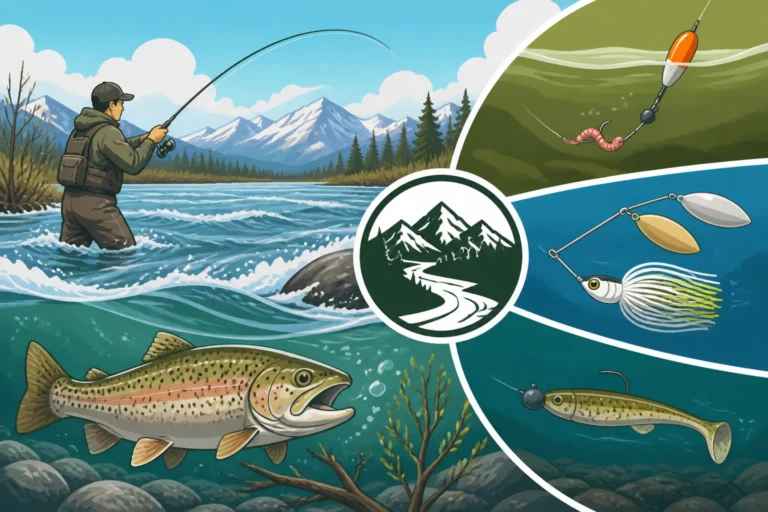
- Spoons: Classic metal spoons like Len Thompson or Mepps Cyclops in silver, gold, or brass are excellent for casting to deep pools or trolling in lakes.
- Spinners: Heavier spinners that can get down into the current are great. Mepps Aglia or Blue Fox Vibrax in sizes 3-5 with silver or gold blades are reliable choices.
- Jigs: Soft plastic paddle tail swimbaits on jig heads (1/8 oz to 1/4 oz) in natural baitfish colours are very effective. Marabou jigs can also be deadly when drifted through current seams.
- Plugs/Crankbaits: Small, shallow-diving crankbaits that imitate minnows can be deadly for aggressive trout. Rapala Countdown or F7 floating minnows are excellent, especially in natural colours.
- Bait: If regulations allow, live worms or even cured roe can be incredibly effective, particularly when fish are less active.
Top Techniques for Targeting Fall Trout
Fall demands a more versatile approach. Being able to switch between techniques and adapt to changing conditions is the mark of a successful fall angler.
Streamer Fishing for Aggressive Trout
Streamer fishing truly shines in the fall. As trout become more aggressive and focused on larger prey, stripping a baitfish or sculpin imitation through prime lies can elicit violent strikes. This technique is particularly effective for targeting larger, more predatory trout, including those aggressive brown trout gearing up for their spawn. You're not just hoping a fish will eat; you're provoking a reaction strike.
When streamer fishing, vary your retrieve. Sometimes a fast, erratic strip works best to mimic a fleeing baitfish. Other times, a slower, more deliberate retrieve with pauses can entice a fish that's not actively chasing but is still looking for an easy meal. Focus your casts on current seams, undercut banks, deep pools, and around submerged structure. A heavier fly line or a sink-tip can help get your streamer down to the fish quickly, especially in deeper or faster water. Many anglers swear by a short leader (3-5 feet) for better control and turnover of larger flies.
Nymphing Deeper Runs and Pools
Even with a focus on larger meals, trout still consume a lot of subsurface insects, especially in the consistent currents of Alberta's rivers. Nymphing remains a highly effective method, particularly in deeper runs and pools where trout are often concentrated. The key in fall is often to go with heavier, larger nymphs to quickly reach the feeding zone near the bottom. Techniques like Euro Nymphing the Bow River, where you maintain direct contact with your flies, can be incredibly productive for detecting subtle takes.
A two-fly nymph rig, with a heavier "point fly" to get down quickly and a smaller "dropper fly" trailing, can cover different depths and present multiple options. Indicators are crucial for detecting strikes, as fall takes can be very subtle. Watch your indicator carefully for any hesitation, drag, or movement. Fish these rigs through every promising piece of water, letting them drift naturally with the current, aiming to tick the bottom without constantly snagging.
Employing Lures and Bait for Spin Anglers
Spin anglers have a distinct advantage when it comes to covering water and presenting larger, more substantial offerings to fall trout. Spoons, spinners, and jigs are all fantastic choices. When casting spoons or spinners, target the edges of currents, deep seams, and plunge pools. Vary your retrieve speed – a slow, steady retrieve can be deadly, but don't hesitate to add some pauses and twitches to mimic an injured baitfish.
Jigs, especially those rigged with soft plastic swimbaits, can be deadly when fished close to the bottom. Cast upstream and let the jig bounce along the bottom as it drifts downstream, or simply retrieve it with a jigging motion. If allowed, live bait like worms or cured roe can be irresistible to hungry, pre-winter trout. Present bait on a simple bottom rig or under a float, allowing it to drift naturally into trout holding areas. For specific gear, check out Amazon for brands like Blue Fox or Rapala, which offer reliable options for Best Crankbaits for Alberta Walleye (though often effective for trout too).
Best Fall Trout Fishing Spots in Alberta
Alberta offers a wealth of incredible trout fishing, and fall can be a prime time to explore some of its most famous, and often quieter, waters.
Renowned Rivers for Autumn Trout
Many of Alberta's legendary rivers truly come alive in the fall. The Bow River near Calgary is perhaps the most famous, offering unparalleled opportunities for trophy rainbow and brown trout. Its cooler, clearer waters in autumn make for fantastic sight fishing on calmer days, and the trout are often eager to hit streamers and nymphs. For more on this river, check out Rainbow Trout Fishing on the Bow River for year-round strategies. The Crowsnest River in the southwest also offers fantastic fall fishing for rainbows and cutthroat, with aggressive brown trout providing an added bonus as they stage for spawning. How to Fish the Crowsnest River for Trout can offer additional insights for this particular fishery.
Further north, the Ram and Clearwater rivers, if accessible, can provide remote and stunning fall experiences for bull trout and cutthroat, though remember the Alberta Bull Trout Zero Possession Rule is crucial here. These rivers, along with the Oldman River, often feature excellent nymph and streamer fishing as the fish become more active in the cooling waters. Always consult Alberta Fishing Season Dates by Zone before heading out, as some river sections may have specific closures or regulations.
Mountain Lakes and Foothills Streams
While rivers often get the most attention, Alberta's mountain lakes and foothills streams can offer exceptional fall trout fishing, especially for species like lake trout and cutthroat. Lakes like the Upper and Lower Kananaskis Lakes or Barrier Lake often see lake trout moving shallower in the fall as the thermocline breaks down, making them more accessible to anglers casting from shore or small boats. Trolling spoons or large swimbaits is a popular and effective method here.
High alpine lakes, though requiring more effort to reach, can offer incredible experiences for cutthroat and even golden trout in the fall. The fish are often fat and active, eager to gorge before winter. Streams throughout Kananaskis Country and along the Eastern Slopes, particularly those with good populations of Cutthroat Trout in Alberta's Mountain Streams, become prime territory for anglers drifting nymphs or stripping small streamers. Just be mindful of bear activity in these areas, as they are also preparing for winter.
Safety Considerations for Cold Weather Fishing
Fall fishing can be incredibly rewarding, but the cooler temperatures and unpredictable weather demand extra vigilance and preparation to ensure a safe and enjoyable outing.
Hypothermia and Cold Water Immersion Risks
The most significant danger when fishing in fall is cold water. A sudden fall into a river or lake when water temperatures are low can quickly lead to hypothermia, even on a mild autumn day. Always wear a PFD (Personal Flotation Device), especially if you're fishing from a boat, kayak, or wading in unfamiliar or swift waters. Even skilled swimmers can be quickly incapacitated by cold shock.
Be aware of your surroundings, especially if wading. Rocks can be slick with algae, and current speeds can increase with recent rainfall. A Wading Staff for Fast Current is not just for stability; it's a vital safety tool. If fishing alone, inform someone of your plans and expected return time. Carry a dry bag with extra warm clothes, a first-aid kit, and an emergency blanket. If you or a companion start shivering uncontrollably, become disoriented, or experience slurred speech, seek immediate warmth and medical attention.
Wildlife Encounters and Remote Access Challenges
Fall is a period of heightened wildlife activity as animals prepare for winter. Bear encounters, particularly with grizzlies, are more common as they gorge on berries and other food sources. Always carry bear spray, know how to use it, and make noise while hiking or fishing, especially in dense brush. Be aware of fresh scat or tracks. Remember that the pristine beauty of Alberta's remote fishing spots often comes with the inherent risk of wildlife.
Many prime fall fishing locations, especially in the mountains or foothills, involve remote access, poor cell service, and limited facilities. Ensure your vehicle is in good working order, have a full tank of gas, and carry emergency supplies like extra food, water, and a shovel. A satellite messenger device (like a Garmin inReach, available on Amazon) can be a lifesaver for communicating in areas without cell reception. Check weather forecasts meticulously before heading out, as sudden snowfalls or heavy rains can make remote roads impassable. Being prepared is not just about catching fish; it's about getting home safely.
Table: Key Differences in Summer vs. Fall Trout Fishing
| Feature | Summer Trout Fishing | Fall Trout Fishing |
|---|---|---|
| Water Temperature | Warmer, often stressful for trout in midday | Cooling, ideal for trout activity and metabolism |
| Insect Hatches | Abundant dry fly opportunities (mayflies, caddis) | Fewer dry flies, more midges/BWOs late season |
| Primary Food Source | Insects (surface and subsurface), some baitfish | Baitfish, sculpins, eggs, larger nymphs |
| Trout Behavior | Often selective, can be lethargic in heat | Aggressive (especially pre-spawn), opportunistic |
| Preferred Lies | Oxygenated riffles, shaded banks, cooler depths | Deeper pools, current breaks, spawning beds (browns) |
| Top Techniques | Dry fly fishing, light nymphing, small streamers | Streamer fishing, heavy nymphing, lures, egg patterns |
| Apparel Needs | Light, breathable, sun protection | Layered, waterproof, windproof, heavy insulation |
| Safety Concerns | Heatstroke, sunburn, thunderstorms | Hypothermia, wildlife encounters, remote access |
Disclaimer
The information provided in this guide is for general informational purposes only and is not intended as legal advice. Fishing regulations in Alberta are subject to change, and it is the responsibility of each angler to consult the most current Alberta Fishing Regulations Explained before heading out. Always adhere to local regulations, practice responsible angling, and prioritize safety.