Best rig for bottom fishing for lake trout
It's a common frustration, isn't it? You head out onto Alberta's vast, shimmering lakes, dreaming of that powerful tug of a lake trout, only to spend hours trolling or casting without a solid bite. Many anglers struggle to consistently connect with these deep-dwelling giants, especially when they're hunkered down in the cooler depths. This comprehensive guide is dedicated to equipping you with the knowledge and techniques for the best rig for bottom fishing for lake trout, ensuring you can confidently target these magnificent fish where they live.
Why Bottom Fishing for Lake Trout is a Game Changer
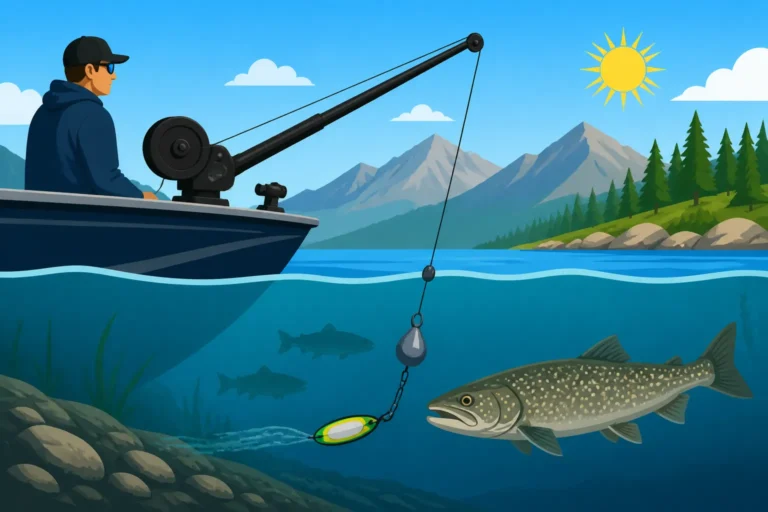
Lake trout, unlike some of their shallower-dwelling cousins, are often found hugging the bottom in deep water, especially during warmer months or when they're less active. While trolling can cover a lot of water, and jigging can be effective, sometimes you need to get right into their living room and offer them a meal they can't refuse. Bottom fishing offers that precise, deliberate presentation that often makes all the difference.
When Lake Trout Go Deep
Lake trout are cold-water creatures, thriving in temperatures generally between 8-12°C (46-54°F). As Alberta's summers heat up, the surface waters warm significantly, forcing lake trout to seek refuge in the deeper, cooler parts of the lake. This often means suspending near or right on the bottom, sometimes at depths ranging from 50 to over 200 feet, depending on the lake's thermocline and overall depth. Even in winter, when ice fishing, lake trout will often patrol the bottom structure, looking for an easy meal. This deep-water habit is why understanding how to effectively present bait right on the bottom is so crucial. If you're not putting your offering in their strike zone, you're simply not going to get bit.
Consider a hot July day on Cold Lake, for example. The surface might be a balmy 20°C, but down at 80 feet, it's a comfortable 10°C, and that's exactly where the lakers will be. Trying to catch them with shallow techniques would be futile. This is also true for other renowned lake trout waters like Lake Athabasca or Barrier Lake. When the fish are deep, you need to go deep.
The Benefits Over Trolling or Jigging
While trolling with downriggers or heavy weights is a popular method for covering water and finding active lake trout, and vertical jigging can entice aggressive fish, bottom fishing offers unique advantages:
- Precision Presentation: You're putting your bait exactly where the fish are holding, often right on top of structure like ledges, humps, or rock piles where lake trout ambush prey. You're not just hoping to cross paths; you're knocking on their door.
- Targeting Inactive Fish: Lake trout that are "snoozing" or less inclined to chase a fast-moving trolled lure might be more apt to pick up a stationary or slowly drifting bait right in front of them. This is especially true after a cold front or during periods of low pressure.
- Natural Bait Presentation: Often, bottom fishing utilizes natural baits like minnows or cut bait, which can be irresistible to lake trout looking for a substantial meal without expending too much energy. The subtle movement of a suspended bait above the bottom can be incredibly enticing.
- Feel for the Bottom: With a good bottom rig, you can constantly feel the lakebed, identifying subtle changes in structure and composition, which are key areas where lake trout congregate. This tactile feedback is hard to replicate with other methods.
If you've been primarily relying on Trolling Techniques for Alberta Lake Trout, you'll find bottom fishing offers a different, often more direct, approach when the fish aren't cooperating with faster presentations.
Deconstructing the Best Lake Trout Bottom Rig
When we talk about the "best" rig, we're really looking for something reliable, easy to tie, and effective at presenting bait near or on the bottom while allowing the fish to take the bait naturally. For lake trout, this usually means a setup that can handle heavy weights and robust fish, while also being somewhat sensitive to those often subtle deep-water bites.
Essential Components You'll Need
Before diving into specific rig styles, let's break down the fundamental elements that make up an effective lake trout bottom rig. Each component plays a vital role in getting your bait down and ensuring a successful hook-up.
- Main Line: For serious deep-water bottom fishing, braided line is almost a necessity. Its lack of stretch provides incredible sensitivity, allowing you to feel the slightest nibble or detect changes in bottom composition. A good 30-50 lb test braided line is ideal, offering the strength to fight big lakers and pull snagged weights free. Brands like PowerPro or Sufix are popular choices.
- Leader Material: You'll want a leader that offers abrasion resistance and some invisibility in the water. Fluorocarbon is the gold standard here, typically in the 15-30 lb test range. It's nearly invisible underwater and has excellent knot strength. The length of your leader can vary, but usually 3-6 feet is a good starting point.
- Swivels: High-quality barrel swivels or ball-bearing swivels are crucial for preventing line twist, especially when using natural baits that might spin. They also create a clean connection point between your main line and leader.
- Weight (Sinker): This is what gets your bait down to the desired depth. Pyramid, bell, or round cannonball sinkers are common. The weight required will depend on depth, current, and wind, but expect to use anywhere from 1 oz up to 6 oz or more. Having a variety on hand is wise. You can find a good selection of sinkers on Amazon to match different conditions.
- Hook: The size and type of hook will depend on your bait. A sturdy, sharp octopus hook (sizes 2/0 to 5/0) is a versatile choice for minnows or cut bait. Circle hooks are also excellent for ensuring good hook sets in the corner of the fish's mouth, especially if you're leaving your rod in a holder.
Understanding the right line choices is key, and many of the principles for heavy-duty setups are also discussed in articles like Best braided line for pike fishing or Best fluorocarbon leader for clear water walleye, even if the target species differs slightly.
The Classic Sinker Slide (Carolina Rig Variant)
One of the most effective and popular rigs for bottom fishing lake trout is a variant of what many call a "Carolina Rig" or simply a "sinker slide rig." This setup offers sensitivity and a natural presentation by allowing the fish to pick up the bait without immediately feeling the full weight of the sinker.
How it works:
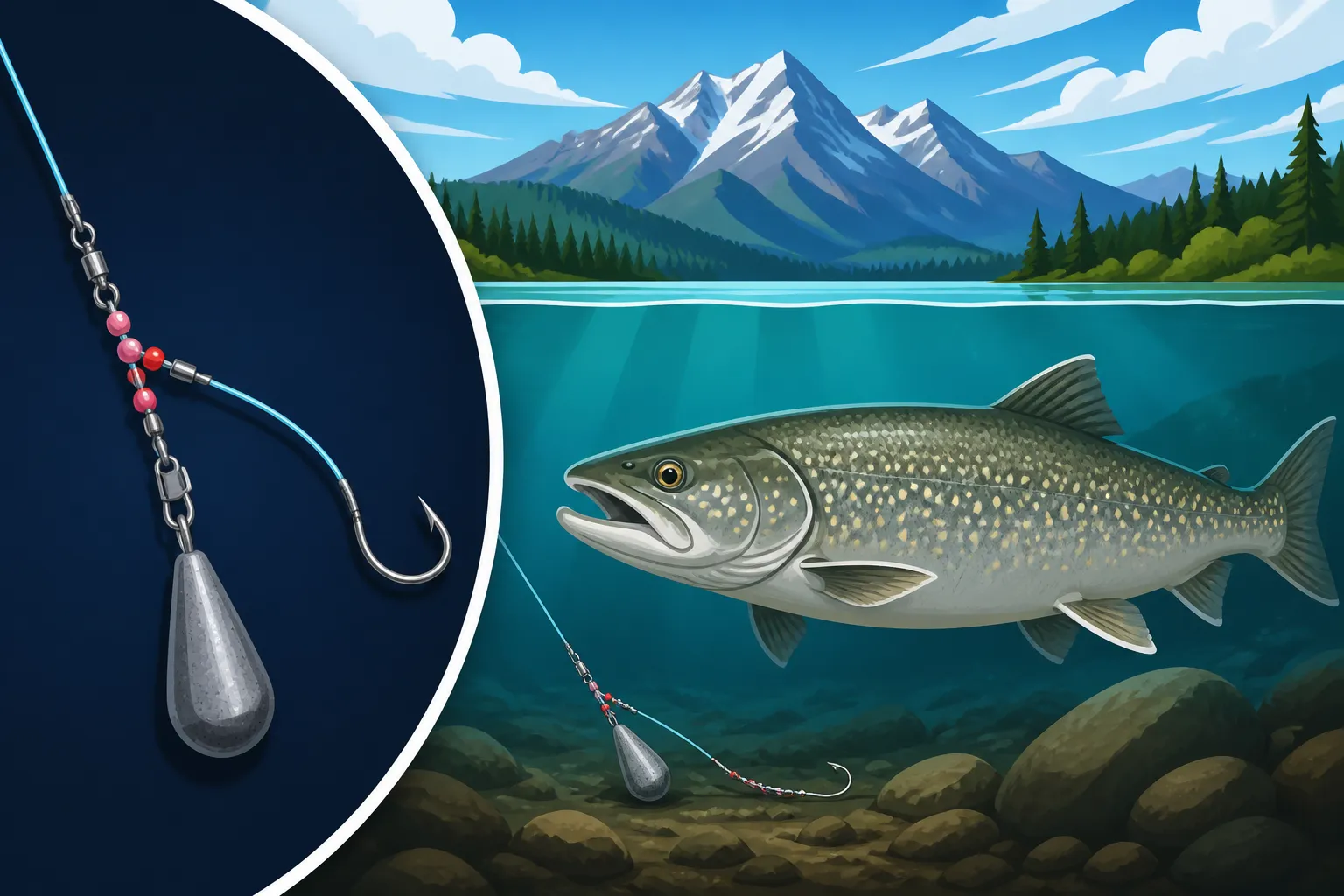
The main line runs through a small plastic sleeve or a specific "sinker slide" attachment, which is then tied to a swivel. The sinker is attached to this slide. Below the swivel, a fluorocarbon leader (typically 3-6 feet) is tied, and at the end of the leader is your hook.
Advantages:
- Minimal Resistance: When a lake trout takes the bait, the line slides freely through the sinker, providing very little resistance. This encourages the fish to hold onto the bait longer, giving you time to set the hook.
- Natural Bait Action: The long leader allows your bait (live minnow, cut bait) to drift naturally above the bottom, mimicking a wounded baitfish or piece of forage.
- Direct Feel: Because the main line runs directly to the swivel, you maintain a good feel for the bottom composition and subtle bites, especially with braided line.
This rig is particularly deadly when lake trout are being finicky or when you're using live bait and want to give them some freedom of movement.
The Three-Way Swivel Rig for Multiple Presentations
Another fantastic option, especially when you want to experiment with different depths off the bottom or run multiple baits, is the three-way swivel rig. This rig allows for a versatile presentation and can be adapted to various situations.
How it works:
Your main line is tied to one eye of a three-way swivel. To the second eye, you tie a short dropper line (usually 1-2 feet of lighter mono or fluoro, say 10-15 lb test) to which your sinker is attached. To the third eye, you tie your main leader (typically 3-6 feet of fluorocarbon) with your hook and bait at the end.
Advantages:
- Controlled Depth: The dropper line for the sinker means your bait will always be suspended a set distance off the bottom, preventing it from getting buried in silt or snags. You can easily adjust this distance by changing the length of your dropper.
- Reduced Snags: If your sinker gets snagged, you'll likely only lose the cheaper dropper line and the sinker, saving your main line, leader, and hook.
- Versatility: You can run two different baits or lures if regulations allow (check the Alberta Fishing Regulations Explained for your zone), or even add another dropper off the main leader for a secondary presentation, though this can get tangled. Some anglers will even replace the sinker dropper with a heavy jig.
This rig is a workhorse for vertical presentations and is excellent for probing specific areas of structure.
| Feature | Sinker Slide Rig (Carolina Rig Variant) | Three-Way Swivel Rig |
|---|---|---|
| Sinker Attachment | Sinker slides freely on the main line above the swivel | Sinker attached to a short dropper line off one swivel eye |
| Bite Sensitivity | High, direct feel as line slides through sinker | Good, but slight delay due to swivel and dropper |
| Bait Presentation | Natural, free-moving bait on a long leader, close to bottom | Bait suspended at a precise, adjustable height off the bottom |
| Snagging Risk | Higher risk of losing entire rig if main hook snags | Lower risk, often only lose sinker and dropper line if snagged |
| Versatility | Great for single, natural bait presentation | Excellent for controlling bait height, can run multiple offerings (if legal) |
| Best For | Finicky fish, natural bait, feeling subtle bottom changes | Probing specific depths, avoiding bottom snags, varying presentation |
Rigging Up and Presenting Your Bait Effectively
Knowing the components is one thing; putting it all together and effectively presenting your bait is where the real magic happens. Getting your rig set up correctly and understanding how to read the water are critical steps to success when bottom fishing for lake trout.
Step-by-Step Assembly of Your Chosen Rig
Let's walk through rigging up the versatile Sinker Slide rig, as it's often a go-to for many anglers.
- Thread the Sinker: Take your main braided line and thread it through the eye of your sinker slide or directly through the hole of a pyramid or bell sinker.
- Tie on the Swivel: Slide the sinker up your main line, away from the end. Now, tie a high-quality barrel or ball-bearing swivel to the end of your main line using a strong knot like a Palomar or uni knot.
- Attach the Leader: To the other end of the swivel, tie your fluorocarbon leader. A good length is typically 3-6 feet. This gives your bait plenty of natural movement. Use another strong knot suitable for fluorocarbon, such as a double uni knot or improved clinch knot.
- Tie on the Hook: Finally, tie your chosen hook (e.g., a 3/0 octopus hook) to the end of the fluorocarbon leader. Again, a Palomar or improved clinch knot works well.
- Test Your Knots: Before you even think about putting bait on, give each knot a good, firm pull to ensure it's secure. There's nothing worse than losing a trophy fish to a bad knot.
For the three-way swivel rig, the steps are similar but involve tying your main line, sinker dropper, and leader to the three separate eyes of the swivel. Ensure the sinker dropper is lighter line so it breaks away first if snagged.
Bait Choices and Presentation Secrets
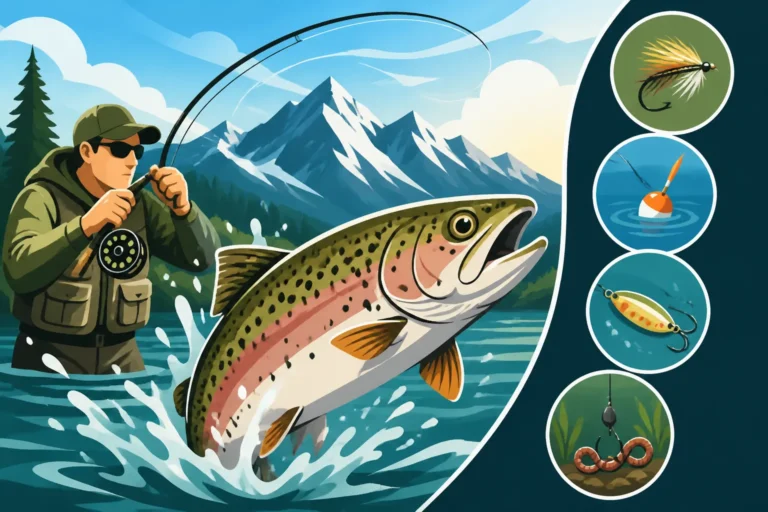
When it comes to lake trout, they're often opportunistic feeders. While artificial lures can work, natural bait can be incredibly effective when bottom fishing.
- Live Minnows: If legal in your area (always check provincial regulations and specific lake rules!), a lively minnow is hard to beat. Hook it lightly through the lips or just behind the dorsal fin to keep it active. This provides natural scent and movement.
- Cut Bait: Pieces of herring, smelt, or even oily fish like mackerel can be highly attractive due to their scent trail. Cut them into strips or chunks and thread them onto your hook. The scent disperses well in deep water.
- Artificial Baits: Soft plastic tubes, grubs, or even scent-infused artificial minnows can also work. These mimic natural forage and come in a variety of colours and sizes.
Presentation Secrets:
Once your rig is down, don't just let it sit there entirely motionless.
- Slow Drifting: If there's a slight current or wind, allow your boat to slowly drift, dragging the sinker along the bottom. This covers water and gives your bait a natural, meandering action.
- Subtle Lifts: Every minute or so, lift your rod tip a foot or two and then slowly lower it. This lifts your bait off the bottom, then lets it flutter back down, often triggering a strike from curious fish.
- Maintain Contact: Always keep a slight tension on your line so you can feel bites. With braided line, even the lightest "tap-tap" can signal a lake trout mouthing your bait.
You might be surprised how effective a subtle presentation can be compared to more aggressive Best Baits for Walleye on Lesser Slave Lake, as lake trout often prefer a less erratic meal.
Locating the Right Structure and Depth
You can have the best rig in the world, but if you're not fishing where the lake trout are, you won't catch anything. Locating prime lake trout habitat is paramount, and it requires a combination of tools and knowledge.
- Fish Finders (Sonar): This is your most valuable tool. Modern fish finders like those from Lowrance or Humminbird can show you depth, bottom contour, structure (like humps, ledges, or old creek beds), and even individual fish. Look for "arches" (fish) near the bottom or schools of baitfish that lake trout will be hunting. Pay close attention to the thermocline, which often appears as a distinct line on your sonar, indicating the depth where the water temperature changes drastically. The trout will be below this.
For more on this crucial tech, check out Best Fish Finders for Alberta Lakes. - Topographical Maps: Before you even launch your boat, study a detailed bathymetric (depth) map of the lake. Look for abrupt depth changes, deep points, underwater islands, and submerged humps. These are classic lake trout holding areas. Many fishing apps now integrate these maps.
- Understanding Lake Trout Habitat: Lake trout are drawn to structure that offers both ambush points and access to deep, cold water. Rocky points that drop off into deep water, underwater ledges, and deep main lake basins are all prime locations. On lakes like Cold Lake, for instance, targeting deep structure is a known tactic for success. Knowing How deep to troll for lake trout on Cold Lake will also give you an idea of the depths to target with your bottom rig. You can often find excellent maps or even dedicated books on Amazon that cover Alberta's fishing lakes.
Mark any promising spots on your GPS so you can return to them later. Sometimes, a subtle difference in depth or a small rock pile can hold a school of fish.
Complementary Gear and Tips for Success
Beyond the rig itself, having the right supporting gear and understanding some key techniques will significantly boost your success rate when bottom fishing for lake trout. This isn't just about getting the bait down; it's about detecting the bite, fighting the fish, and ultimately landing it.
Rod, Reel, and Line for Deep Water Dominance
Your rod, reel, and line are extensions of your rig, and they need to be up to the task of handling heavy weights and strong fish from significant depths.
- Rods: Look for a medium-heavy to heavy power rod, typically 7-8 feet in length. The longer length helps with casting heavier weights and absorbing the shock of a powerful run. A sensitive tip will help detect subtle bites, while a strong backbone is essential for setting the hook and fighting deep-water lakers. A good general-purpose spinning rod or a baitcasting setup can work, but for heavy deep water work, a conventional or baitcasting reel paired with a strong rod is often preferred. While primarily for rivers, the discussion in Best Fishing Rods for Alberta Rivers provides good general principles for rod selection.
- Reels: A robust reel with a smooth, powerful drag system and high line capacity is crucial. For spinning reels, a 4000-6000 series is usually sufficient. For baitcasting or conventional reels, look for models designed for saltwater or heavy freshwater use that can hold at least 200 yards of your chosen main line. Smoothness in retrieve is also important for managing line effectively.
- Line: As mentioned earlier, braided line (30-50 lb test) for your main line is king due to its sensitivity and low stretch. Pair this with a high-quality fluorocarbon leader (15-30 lb test) for abrasion resistance and stealth. Ensure all your knots are tied correctly and cinched down tight.
Investing in quality gear is an investment in your fishing success, especially when you're battling fish that can reach Alberta record lake trout weight.
Reading the Bites and Setting the Hook
Deep-water lake trout bites can sometimes be incredibly subtle. Unlike a pike smashing a topwater lure, a laker might just "lean" on the line or give a faint "thump."
- Pay Attention to Your Rod Tip: With braided line, you'll often see the rod tip slowly load up, or you'll feel a faint vibration or tap. Sometimes it's just a light pull, as if you're dragging over a small weed, but more consistent.
- Don't Set Too Early: Lake trout often mouth the bait before fully committing. If you feel a light tap, resist the urge to immediately set the hook. Instead, drop your rod tip slightly, give a count of 2-3 seconds, and then firmly sweep the rod backward to set the hook.
- Feel the Weight: Once you feel the distinct weight of the fish, that's your cue. A lake trout will often swim away slowly but powerfully once it has the bait, so be ready for that initial surge.
Patience is a virtue here. Many anglers miss deep-water bites by setting the hook prematurely.
Battling Deep Water Lake Trout
Landing a lake trout from deep water presents its own set of challenges, particularly the issue of barotrauma.
- Pumping and Reeling: To fight a deep-water fish efficiently, use a "pump and reel" technique. Lift the rod tip smoothly to gain line, then lower the tip quickly while simultaneously reeling in the slack. Repeat this motion, allowing the rod's power to do most of the work. Avoid simply "cranking" on the reel, as this puts excessive strain on your gear and can wear you out.
- Manage Your Drag: A properly set drag is paramount. It should be tight enough to gain line but loose enough to allow the fish to run when it needs to, preventing snapped lines or pulled hooks. Adjust it as needed during the fight.
- Barotrauma: When lake trout are brought up from extreme depths (generally 60+ feet) too quickly, the sudden change in pressure can cause their swim bladder to expand, leading to a condition called barotrauma. This makes it difficult for them to swim back down.
- Minimize Fight Time: Try to land the fish as quickly as possible without overstressing it.
- Fizzing (Venting): For fish you intend to release and if you're comfortable and knowledgeable, "fizzing" or venting involves carefully puncturing the swim bladder with a hypodermic needle to release the excess gas. However, this should only be done by experienced anglers, as improper technique can harm the fish.
- Descender Devices: These are tools that attach to the fish's jaw and use a weight to quickly return the fish to its capture depth, recompressing the swim bladder. They are an excellent option for safe release.
Always prioritize the fish's health, especially if you're practicing catch and release, as is often the case for species like bull trout (which have Alberta Bull Trout Zero Possession Rule). Knowing how to handle these deep-water species carefully is part of being a responsible angler.
Disclaimer
Fishing regulations, license requirements, and catch limits can change. Always consult the most current Alberta Guide to Sportfishing Regulations before heading out. This guide is for informational purposes only and does not supersede official government regulations.