Cutthroat Trout in Alberta’s Mountain Streams
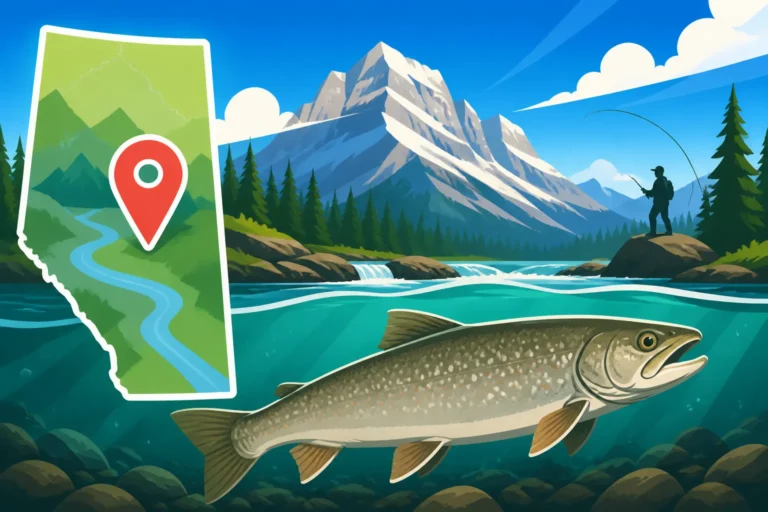
For many Alberta anglers, the dream of hooking a cutthroat trout is deeply rooted in the province's wild, untamed headwaters. These stunning native fish symbolize the pristine beauty of our Rocky Mountains, but finding them can be a challenge, and ensuring their survival is paramount. This comprehensive guide will equip you with the knowledge, techniques, and respect needed to successfully and responsibly pursue cutthroat trout in Alberta's incredible mountain streams and lakes.
Understanding Alberta's Cutthroat Trout: A Mountain Gem
There’s something truly special about our cutthroat trout here in Alberta. They're not just another fish; they're a vibrant, living connection to the wild, untamed history of our mountain ecosystems. When you hold a cutthroat in your hand, you're not just admiring its beauty; you're admiring a creature that has carved out an existence in some of the most challenging yet breathtaking environments Alberta has to offer. They are an intrinsic part of what makes our provincial waters so unique.
What Makes Cutthroat Trout Unique?
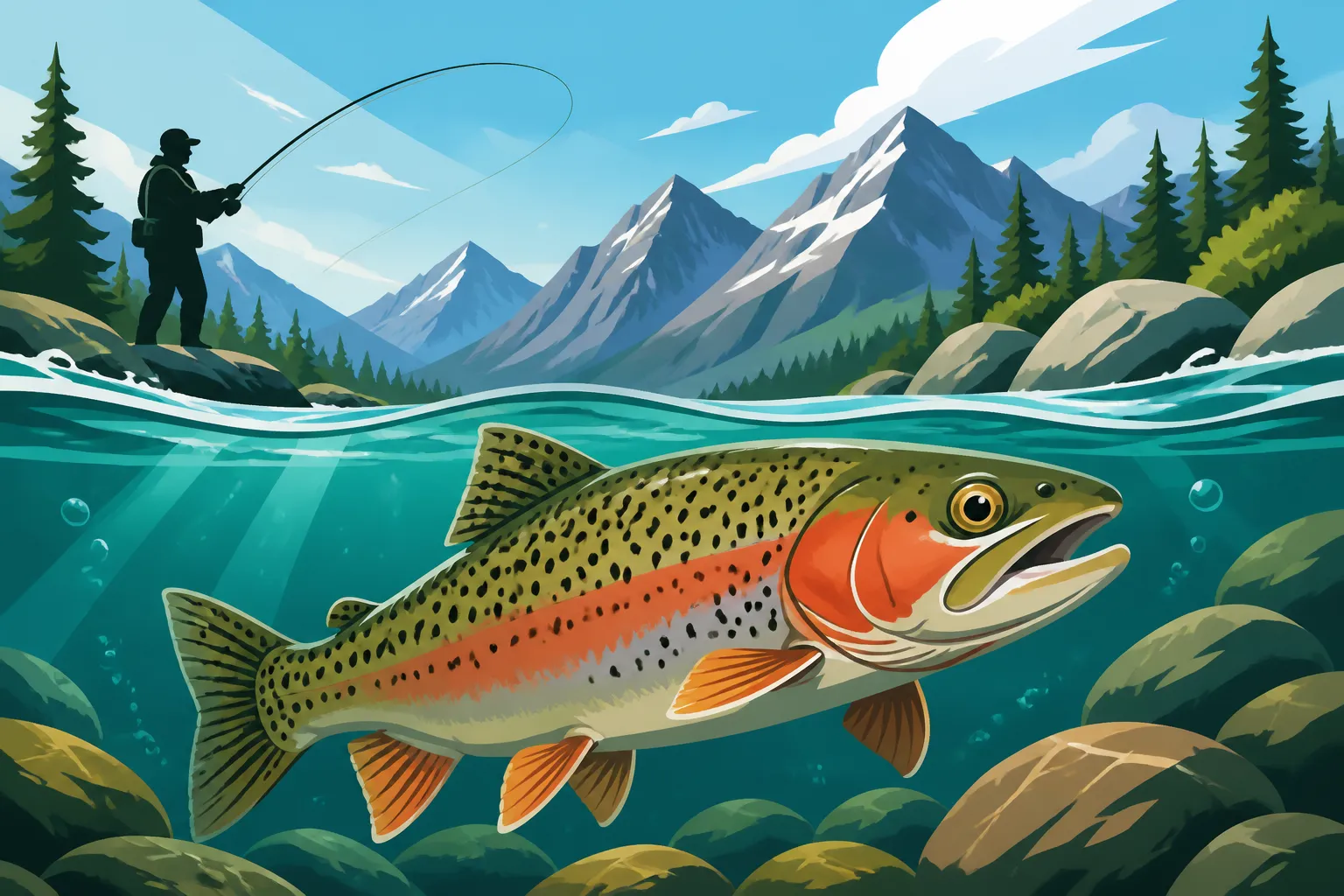
Cutthroat trout (Oncorhynchus clarkii) get their distinctive name from the bright red or orange slash marks found under their lower jaw, a striking feature that immediately sets them apart from other trout species. This isn't just a pretty marking; it's a badge of identity, a natural artwork that signifies their wild heritage. Beyond this visual cue, their body shape is typically sleek and torpedo-like, perfectly adapted for navigating the swift currents of mountain streams. Their coloration can vary wildly, from olive green on their backs to golden flanks and often heavily spotted sides, depending on the specific stream, water clarity, and diet.
They are also incredibly opportunistic feeders, which makes them a blast to fish for. While they might appear delicate, cutthroat trout are survivors, perfectly evolved to thrive in the cold, clear, oxygen-rich waters of high-elevation streams and lakes. Their diets consist primarily of aquatic insects, terrestrial insects that fall into the water, and small baitfish, meaning they respond well to a variety of presentations. This adaptability is what has allowed them to persist in these often harsh environments, showcasing their resilience and importance to the mountain food web.
Westslope vs. Yellowstone: The Alberta Connection
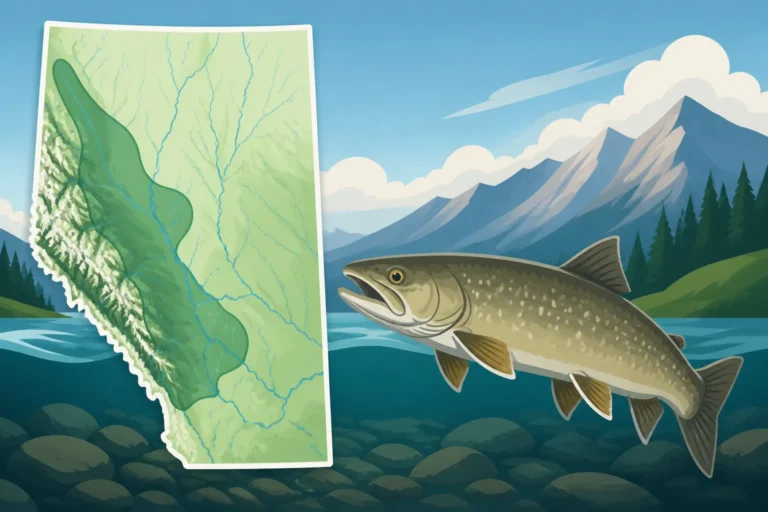
When we talk about cutthroat trout in Alberta, we're primarily referring to two subspecies: the Westslope Cutthroat Trout (Oncorhynchus clarkii lewisi) and, to a lesser extent, the Yellowstone Cutthroat Trout (Oncorhynchus clarkii bouvieri), which historically had a small presence in some extreme southeastern drainages. The Westslope cutthroat is the native subspecies of concern in most of Alberta's mountain watersheds. They are particularly adapted to the headwater streams of the Pacific watershed (though they are found in some non-Pacific drainages in Alberta too), characterized by their smaller, more compact spots, particularly concentrated towards the tail.
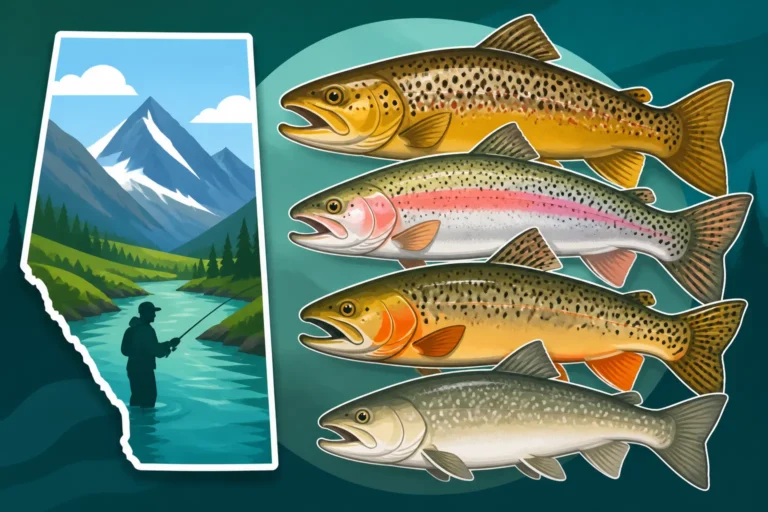
Unfortunately, both subspecies face significant challenges, especially the Westslope cutthroat. Hybridization with non-native rainbow trout, habitat degradation from land use, and competition from other introduced species have severely impacted their pure genetic strains and population numbers. This is why when you're out fishing for cutthroat, you might hear conservationists talk about "pure strain" fish, highlighting the critical importance of protecting these genetic lineages. Understanding the differences and the threats helps us appreciate just how precious these fish are and why our angling practices need to be so responsible. You can learn more about identifying different trout in our Trout Species Identification Guide for Alberta.
Their Natural Habitat and Why It's Special
Cutthroat trout are true high-country specialists, preferring the pristine, often chilly, and oxygen-rich waters that tumble down from the Rocky Mountains. Their ideal habitat consists of clear, cold mountain streams, rivers, and high-alpine lakes, often nestled within incredible scenery. These waters are characterized by a mix of riffles, runs, and deep pools, offering a diverse array of feeding lanes and protective cover. The presence of undercut banks, submerged logs, and overhanging vegetation provides crucial shelter from predators and strong currents.
The ecosystems these fish call home are incredibly fragile and sensitive to disturbance. The short growing seasons, cold temperatures, and limited nutrient availability mean that any disruption can have a cascading effect on the entire food web, including the cutthroat trout. This is why respecting their environment is not just good practice; it’s essential for the survival of these beautiful fish. Anglers visiting these areas must embrace a "leave no trace" ethic, understanding that their actions directly impact the delicate balance of these special places.
Where to Find Cutthroat Trout in Alberta's Headwaters
Finding cutthroat trout in Alberta isn't like casting a line in a stocked pond. It's an adventure, often requiring a bit of effort and a willingness to explore some of the province's most stunning, yet remote, wilderness areas. Their preference for cold, clean water naturally draws them to the higher elevations and less disturbed drainages of the Rocky Mountains. You’re not just going fishing; you’re embarking on a journey into Alberta's breathtaking backcountry.
Key Rivers and Streams in the Southern Rockies
When it comes to prime cutthroat territory, your sights should be set on the headwaters and smaller tributaries of the major river systems in Alberta's Southern Rockies. Think of drainages feeding into the Oldman, Livingstone, and Highwood Rivers, especially those higher up in the mountains. These areas often feature a mosaic of small streams, freestone rivers, and pristine alpine lakes that provide the perfect cold-water refuge for cutthroat. These aren't always easy-access spots, and often require some hiking or even backpacking to reach.
Many of these smaller, high-gradient streams are where pure or near-pure strains of Westslope Cutthroat Trout have managed to persist, shielded somewhat from the pressures of hybridization found in more accessible, lower-elevation waters. However, it's crucial to remember that some of these specific streams may have special regulations, including catch-and-release only rules or even closures, to protect these vulnerable populations. Always consult the current Alberta Guide to Sportfishing Regulations before you head out. Exploring these Best Trout Streams in Alberta and Best Fly Fishing Rivers in Alberta will give you a good starting point.
Identifying Prime Cutthroat Waters
Beyond just knowing the general area, being able to "read the water" is key to finding cutthroat. They prefer areas with good cover and a steady food supply. Look for deep pools created by logjams or boulders, undercut banks where they can hide from predators and ambush prey, and the slower seams next to faster currents that funnel insects their way. Clear, cold water is non-negotiable for cutthroat, so if the water looks murky or warm, you're likely in the wrong spot.
The presence of specific aquatic insect life can also indicate healthy cutthroat habitat. If you see abundant caddisflies, stoneflies, or mayflies, it's a good sign that the ecosystem is thriving. Also, pay attention to the surrounding vegetation. Healthy riparian zones (the areas along the riverbanks) with native trees and shrubs help stabilize banks, provide shade, and contribute terrestrial insects to the water, all of which benefit cutthroat trout. These pristine environments are where cutthroat truly flourish, offering both sustenance and sanctuary.
Accessing Remote Mountain Lakes and High-Altitude Creeks
Some of Alberta's most incredible cutthroat fishing lies tucked away in remote mountain lakes and high-altitude creeks, often requiring significant effort to reach. These locations are usually accessed via challenging hiking trails, sometimes involving overnight backpacking trips into designated wilderness areas or provincial parks. The reward, however, is often solitude and the chance to fish for truly wild cutthroat that see very little pressure. The journey becomes as much a part of the experience as the fishing itself.
Before embarking on such an adventure, thorough preparation is essential. This includes checking trail conditions, understanding backcountry permits (if required), carrying appropriate safety gear like bear spray, a first-aid kit, and reliable navigation tools. A sturdy backpack, quality hiking boots, and weather-appropriate clothing are a must, as mountain weather can change rapidly. For those truly remote spots, a good lightweight backpacking rod and a compact tackle kit are vital. Don't forget that many of these pristine areas may have specific rules about camping, fires, and even off-trail travel, so always check with Alberta Parks or the local land management authority.
The Importance of Conservation: Protecting a Vulnerable Species
Fishing for cutthroat trout in Alberta isn't just a recreational pursuit; it's an act that carries significant responsibility. These fish are not only beautiful but also ecologically vital and increasingly vulnerable. Their pure genetic strains are a precious resource, and their survival is intrinsically linked to the health of our mountain ecosystems. As anglers, we have a profound role to play in ensuring these fish continue to thrive for generations to come.
Why Cutthroat Trout Face Challenges
Cutthroat trout populations in Alberta face a daunting array of threats that have led to their precarious status, particularly the Westslope subspecies. The most significant challenge is hybridization with non-native rainbow trout, often referred to as "rainbow-cutthroat hybrids." When rainbow trout were introduced into many systems, they interbred with the native cutthroat, diluting the genetic purity of the cutthroat populations. This loss of unique genetic traits can make them less resilient to environmental changes and diseases, severely impacting their long-term survival.
Beyond hybridization, habitat degradation is a massive concern. Logging, road building, industrial development, and even intensive recreational use can lead to increased siltation in streams, warmer water temperatures, and altered stream flows. Cutthroat trout require cold, clear, stable water, and any changes to these conditions directly threaten their ability to spawn, feed, and find refuge. Furthermore, competition and predation from other introduced species, like brook trout, can also stress native cutthroat populations, pushing them further towards decline.
Catch and Release Practices for Cutthroat
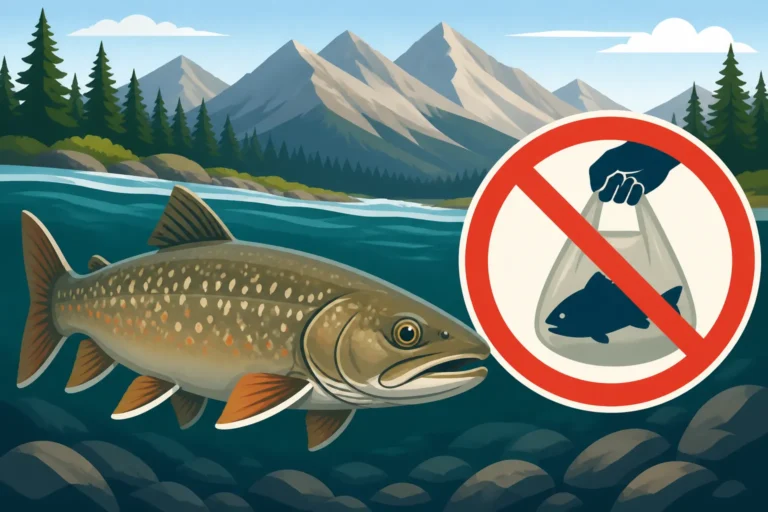
Given the vulnerability of cutthroat trout, practicing responsible catch and release is not just encouraged, it's often legally mandated in many of their waters. This means minimizing stress and injury to the fish to give them the best possible chance of survival after being caught. The goal is to get the fish back into the water quickly and safely, almost as if it was never caught at all. This mindset changes the entire fishing experience, shifting focus from "the take" to the successful, unharmed release.
Key practices for successful catch and release include using barbless hooks, which makes hook removal much easier and less damaging. You can crimp the barb on any hook with a pair of pliers, and many hooks are sold barbless nowadays. Avoid playing the fish to exhaustion, especially in warmer water conditions, as this can severely deplete their energy reserves. Keep the fish in the water as much as possible; if you must handle it, do so with wet hands and support its body horizontally. Never squeeze the fish or place your fingers in its gills. Gently remove the hook, and if the fish needs to recover, hold it upright in the current until it swims away under its own power. These efforts directly contribute to the conservation of these beautiful fish. You can find more detailed information on techniques for sensitive species in How to Catch Bull Trout and Release Them Safely.
Regulations and Restrictions for Cutthroat Trout
Alberta's fishing regulations are designed to protect vulnerable fish populations, and cutthroat trout often have some of the most stringent rules. It is absolutely paramount that you familiarize yourself with the current Alberta Guide to Sportfishing Regulations before every fishing trip, as specific rules can change annually and vary significantly from one water body to another. Many prime cutthroat waters are designated as "catch-and-release only," meaning absolutely no fish can be kept. Alberta Catch and Release Only Waters will provide a good overview.
Additionally, some areas might have specific gear restrictions, such as "fly-fishing only" or "single barbless hook" rules, which are implemented to further minimize harm to the fish. There may also be specific season closures to protect spawning fish or critical life stages. Ignorance of the regulations is never an excuse, and violating them can result in significant fines and penalties. By diligently checking the regulations and adhering to them without exception, you become an active participant in the conservation efforts for these precious fish, ensuring that the opportunity to fish for them continues for future generations.
Gear Up for Cutthroat: Essential Tackle and Equipment
Successfully pursuing cutthroat trout in Alberta's mountain streams isn't necessarily about having the most expensive gear, but rather the right gear for the specific conditions. These aren't huge fish, but they live in environments that demand a certain level of finesse and durability from your tackle. Being prepared with the right setup will not only increase your chances of success but also make your time on the water more enjoyable and productive.
Fly Fishing Gear for Mountain Streams
Fly fishing is arguably the most popular and often most effective method for targeting cutthroat trout in their native mountain environments. A lightweight and sensitive setup is key. For most Alberta cutthroat streams, a 3-weight or 4-weight fly rod, typically between 7 and 8.5 feet in length, is ideal. This lighter rod offers the delicacy needed to present small flies naturally and makes even modest-sized cutthroat feel like a trophy. A matching fly reel with a smooth drag system and a floating weight-forward fly line is perfect. For a deeper dive into this, check out Best Fly Rods for the Bow River, as many principles apply.
Your leader and tippet selection are also crucial for success. A tapered leader, typically 7.5 to 9 feet long, ending in 4x, 5x, or even 6x fluorocarbon or monofilament tippet, will provide the stealth needed for clear, shallow mountain waters. Having a small fly box stocked with a variety of dry flies (like Elk Hair Caddis, Parachute Adams, or Royal Wulff), nymphs (such as Pheasant Tail or Hare's Ear), and perhaps a few small streamers is essential. A good quality pair of fishing pliers (for crimping barbs and removing hooks), line nippers, and a floatant for your dry flies are also invaluable. You can find many of these essentials, from fly boxes to tippet, easily on Amazon, often with quick delivery right to your door before your next trip.
Spin Fishing Setups for Cutthroat Trout
While fly fishing is traditional, spin fishing can be equally effective for cutthroat, especially for those new to trout fishing or in situations where casting a fly line might be challenging, such as overgrown banks. A lightweight spinning rod, typically 5 to 6.5 feet in length with an ultralight or light action, paired with a small spinning reel (size 1000 or 2000) spooled with 4-pound or 6-pound test monofilament or fluorocarbon line, is a fantastic setup. The key here is finesse and sensitivity, allowing you to feel subtle bites and present small lures naturally.
For lures, think small and subtle. Tiny inline spinners (size 0 or 1), small spoons, and micro jigs are often highly effective. Colors that mimic natural forage, such as silver, gold, black, or natural trout patterns, tend to work best. Remember to replace any treble hooks on your lures with single, barbless hooks to adhere to catch-and-release ethics and regulations. Carrying a small selection of these lures in a compact tackle box ensures you’re ready for different conditions. For anglers starting out, beginner-friendly spin fishing combos can be found with good reviews on Amazon, making it easy to get started without a huge investment.
Essential Wading and Safety Gear
Beyond your rod and reel, proper wading gear is non-negotiable when fishing Alberta's mountain streams. These waters are often cold, rocky, and have strong currents. A good pair of breathable chest waders, paired with sturdy wading boots that have excellent grip (felt or rubber soles, sometimes with studs, depending on regulations and personal preference), will keep you comfortable and safe. A wading belt is crucial, not just for comfort but for safety, preventing water from rushing into your waders if you happen to slip. For more on this, check out Best Waders for Alberta Trout Rivers.
Safety gear is just as important, especially when venturing into remote backcountry areas. Always carry bear spray and know how to use it. A first-aid kit, a reliable knife or multi-tool, and some form of communication (like a satellite messenger for areas without cell service) are vital. Hydration is also key; a water bottle or hydration pack is a must. Lastly, a good quality polarized pair of sunglasses will help you spot fish and submerged obstacles, while also protecting your eyes from UV rays and errant hooks. Being prepared for the elements and potential hazards will ensure a safe and enjoyable cutthroat fishing experience.
Mastering Cutthroat Techniques: Tactics for Mountain Success
Catching cutthroat trout is deeply rewarding, not just because of their beauty, but because it often requires a thoughtful approach to presentation and understanding their unique behaviors in mountain environments. These aren't always the easiest fish to fool, and a well-executed cast or drift can make all the difference. Patience and observation are your best friends when targeting these native gems.
Fly Fishing Strategies: Dry Flies, Nymphs, and Streamers
Fly fishing for cutthroat offers a diverse range of strategies, each effective in different conditions.
- Dry Fly Fishing: This is often the most exciting way to catch cutthroat. When cutthroat are actively rising to surface insects, presenting a well-matched dry fly with a delicate, drag-free drift is incredibly effective. Focus on seams, eddies, and tailouts of pools where insects collect. Classic patterns like Parachute Adams, Elk Hair Caddis, and Royal Wulff in sizes 12-18 are often irresistible. Being able to spot a rising fish and making an accurate cast to it is pure poetry for fly anglers.
- Nymphing: When fish aren't looking up, nymphing subsurface is the way to go. Dead-drifting small nymph patterns (like a Pheasant Tail, Hare's Ear, or Prince Nymph in sizes 14-20) under a strike indicator, or using Euro nymphing techniques in faster currents, can be incredibly productive. Cutthroat spend a significant portion of their lives feeding on aquatic insects drifting along the bottom, so getting your flies down to their feeding zone is critical. Pay attention to structure and deeper pockets where fish might hold.
- Streamers: Don't underestimate the effectiveness of small streamers, especially when targeting larger cutthroat or when the water is slightly off-color. Patterns like Woolly Buggers (black, olive, or brown) in sizes 8-12, stripped aggressively or swung through deeper pools, can trigger an aggressive strike from a predatory cutthroat looking for a larger meal. This method often appeals to the fish's territorial instincts, making for some truly exciting takes.
For a general guide on how to approach these techniques, you might find some useful insights in Fly Fishing for Trout on the Bow River, even though it's a different river, the principles often carry over.
Spin Fishing Tactics: Lure Selection and Presentation
Spin fishing for cutthroat, when done thoughtfully, can be just as artful and effective as fly fishing. The key is to match your lure to the conditions and present it with finesse.
- Inline Spinners: These are a cutthroat classic. Small inline spinners, such as Mepps Aglias or Panther Martins, with silver, gold, or copper blades, are highly effective. Cast them upstream or up-and-across, allowing them to swing through current seams and past structure while retrieving slowly enough to keep the blade spinning. The flash and vibration mimic small baitfish or larger insects.
- Small Spoons: Tiny casting spoons, like Little Cleos or Kastmasters, in sizes typically under 1/8 oz, can also be deadly. Their wobbling action is enticing, especially when jigged through deeper pools or retrieved with an erratic stop-and-go motion. Again, metallic finishes or natural trout patterns are often most effective.
- Micro Jigs: Small marabou jigs or plastic grub jigs, often tipped with a piece of worm or scented bait (check regulations for bait use!), can be very effective when dead-drifted or slowly jigged along the bottom. The soft, undulating action of the marabou or grub can be irresistible to cutthroat that are feeding on subsurface insects or small crustaceans. Remember to use ultralight tackle to maximize your feel and casting accuracy with these lighter presentations.
No matter the lure, focus on casting accuracy and stealth. Cutthroat in clear mountain streams can be spooky, so make your first cast count and approach spots carefully.
Reading the Water: Locating Cutthroat in Their Lairs
Becoming proficient at "reading the water" is perhaps the most critical skill for consistently catching cutthroat trout. These fish, like all trout, position themselves in places where they can expend the least amount of energy while having access to a steady food supply and protection.
- Current Seams: Look for the boundary lines where fast water meets slow water. Cutthroat will often hold in the slower water, darting into the faster current to snatch drifting food items.
- Pools: Especially at the head and tail of pools, where current slows and food concentrates. Deeper pools with submerged rocks, logs, or undercut banks offer prime holding lies.
- Riffles and Runs: While these areas look chaotic, the oxygenated water and broken surface can hold actively feeding fish. Target the deeper pockets and depressions within these areas.
- Structure: Any natural or man-made feature that breaks the current or provides cover is a potential fish lie. This includes large boulders, log jams, overhanging vegetation, and even small changes in bottom contour. Cutthroat are masters of using these features to their advantage.
- Shade: On bright, sunny days, fish will often seek out shaded areas provided by overhanging trees or cliff faces. This offers thermal refuge and helps them feel more secure.
By carefully observing the water and understanding these holding patterns, you can make more effective casts and increase your chances of finding these elusive and beautiful fish.
Seasonal Considerations for Chasing Cutthroat
Just like any other wild fish, cutthroat trout behavior and location are heavily influenced by the seasons. The extreme environmental changes in Alberta’s mountain regions mean that understanding these seasonal shifts is critical for planning your trips and adapting your techniques. What works in July might be completely ineffective in May.
Spring Fishing: Post-Spawn and Runoff Challenges
Spring in Alberta’s mountains brings a mix of excitement and challenges for cutthroat anglers. Early spring, often just after ice-out in higher elevations, can offer some incredible fishing opportunities as cutthroat become more active and begin to feed aggressively after the long winter. However, this is also a crucial time for their spawning, so many areas might have delayed openers or specific regulations to protect fish on redds (spawning beds). Always double-check Alberta Fishing Season Dates by Zone for the specific areas you plan to visit.
The biggest challenge in spring is often the spring runoff. As the snow melts rapidly from the mountains, rivers swell, become cold, and can be laden with sediment, making them high and murky. Fishing during heavy runoff can be difficult and even dangerous. During these times, focus on smaller tributaries that might clear up faster, or target lakes that are less affected by fluctuating water levels. As the runoff subsides, usually by late May or early June, the waters will begin to clear and fishing can pick up dramatically as fish start to look for food.
Summer Fishing: Prime Dry Fly Action
Summer is often considered prime time for cutthroat trout, especially for dry fly enthusiasts. As water temperatures stabilize and insect hatches become more prolific, cutthroat will frequently rise to the surface to feed. This is when sight fishing for rising fish and delicate presentations become the order of the day. Warm, sunny days often bring out terrestrial insects like grasshoppers, ants, and beetles, which can also be fantastic food sources for cutthroat, especially along grassy banks.
However, even in summer, conditions can vary. Hot spells can warm water temperatures in lower elevation sections of streams, making fish sluggish or causing them to seek out colder, oxygenated water in spring-fed areas or at the mouths of cool tributaries. During these periods, consider fishing early in the morning or late in the evening when water temperatures are at their coolest. Always monitor stream temperatures if you carry a thermometer; if the water gets above 65°F (18°C), it's often best to stop fishing for trout to avoid undue stress, as their survival rate dramatically decreases when released in warm water.
Fall Fishing: Cooler Waters and Pre-Winter Feeding
Fall fishing for cutthroat can be incredibly rewarding, offering a beautiful blend of vibrant autumn colors and actively feeding fish. As air temperatures drop, stream temperatures cool, often leading to a resurgence in insect activity and fish feeding. Cutthroat will actively feed to pack on calories in preparation for the upcoming winter, making them less selective and often more aggressive. This can be a great time for both dry fly fishing (especially with smaller midges or late-season caddis) and subsurface nymphing or streamer fishing.
The changing light conditions and cooler, stable water often provide excellent fishing throughout the day. However, as winter approaches, daylight hours shorten, and freezing temperatures can become a factor. Be prepared for cold mornings and potential snow, especially in higher elevations. Access to some remote areas might become challenging as roads and trails can become impassable. Always keep an eye on weather forecasts and be prepared for rapidly changing conditions. The crisp air and quiet solitude of fall can make for some of the most memorable cutthroat fishing experiences.
Respecting the Environment: Leave No Trace Principles
Fishing for cutthroat trout, by its very nature, takes us into some of Alberta's most stunning and often fragile wilderness areas. With that privilege comes a profound responsibility to protect these places and the fish that call them home. Adhering to "Leave No Trace" principles isn't just a suggestion; it's a critical component of ethical angling and ensuring these wild spaces remain pristine for generations to come.
Minimizing Your Impact on Fragile Ecosystems
Every action we take in the backcountry has an impact, no matter how small. Our goal as responsible anglers is to minimize that impact to the absolute greatest extent possible.
- Stay on Trails: When approaching streams or lakes, stick to existing trails. Bushwhacking can lead to erosion, trample delicate vegetation, and disturb wildlife. If there isn't a trail, spread out to avoid creating a new, obvious path.
- Dispose of Waste Properly: Pack out everything you pack in, and then some. This includes all trash, food scraps, and fishing line. Even biodegradable items like orange peels can take a long time to break down and are unsightly. Consider picking up any trash you find left by others.
- Respect Wildlife: Observe wildlife from a distance and never disturb them. Avoid sensitive areas during nesting or breeding seasons. Bears and other large animals are present in cutthroat country, so always be "bear aware" and carry bear spray.
- Manage Campfires: If fires are permitted and you choose to have one, use established fire rings, keep fires small, and ensure they are completely extinguished before you leave. Better yet, consider using a camp stove for cooking to minimize fire impact. For example, a small backpacking stove purchased from Amazon can reduce reliance on campfires for cooking.
By consciously making these choices, we contribute to the preservation of the delicate ecosystems that cutthroat trout depend on.
Ethical Angling and Coexisting with Wildlife
Ethical angling extends beyond just following regulations; it's about a deeper respect for the fish and their environment. This includes practicing responsible catch and release as discussed earlier, but also extends to how we interact with other anglers and the broader ecosystem.
- Share the Water: Many of Alberta’s cutthroat streams are small, and overcrowding can quickly diminish the experience for everyone and stress the fish. Be mindful of other anglers and give them plenty of space.
- Protect Spawning Beds: Avoid wading through or disturbing redds (spawning beds), which appear as clean, gravelly depressions in the streambed. Stepping on these can destroy eggs and future generations of fish.
- Know Your Limits: Don't push yourself or your gear beyond safe limits, especially in remote areas. It's better to turn back than to put yourself or rescue personnel at risk.
By practicing these ethics, we ensure that our pursuit of cutthroat trout remains sustainable and respectful, contributing to the overall health of Alberta's wilderness areas.
Preparing for Remote Mountain Expeditions
Many of Alberta's best cutthroat waters are in truly remote, rugged terrain. This means you need to be self-sufficient and prepared for anything.
- Detailed Planning: Research your route thoroughly. Know your access points, potential hazards, water sources, and emergency exits. Use detailed maps and a GPS device (and know how to use both).
- Layered Clothing: Mountain weather is notoriously unpredictable. Dress in layers that can be added or removed as conditions change, always including waterproof outer layers. Wool or synthetic materials are best for moisture wicking.
- Emergency Gear: Beyond your fishing tackle, carry essentials like a headlamp, extra food and water, a shelter (even a lightweight tarp or emergency blanket), and a fire starter. A small battery bank for charging your phone (if you have service) or other electronics can be useful. Reliable tools like a Leatherman or Gerber multi-tool (also easily found on Amazon) are also incredibly useful for field repairs.
- Tell Someone: Always inform a trusted person of your itinerary, including where you're going, when you expect to return, and what to do if they don't hear from you. This simple step can be life-saving in an emergency.
Approaching remote cutthroat fishing with this level of preparation ensures not only your safety but also your ability to fully immerse yourself in the experience, knowing you've done everything to respect the wild places you visit.
Here is a quick comparison of common trout species you might encounter in Alberta, highlighting some key differences:
| Feature | Westslope Cutthroat Trout | Rainbow Trout | Brown Trout | Bull Trout |
|---|---|---|---|---|
| Native Status | Native to Alberta (specific drainages) | Introduced | Introduced | Native to Alberta (threatened status) |
| Jaw Mark | Red/orange slash under lower jaw | Typically absent, sometimes faint pink | Typically absent, sometimes faint yellow | Absent |
| Spots | Small, numerous spots, concentrated towards tail | Evenly distributed black spots, often on fins | Large, dark spots with pale halos; red/orange spots | Large, pale spots on a dark body; no black spots |
| Preferred Habitat | Cold, clear mountain streams & high-alpine lakes | Diverse: streams, rivers, lakes, sometimes warmer | Often larger rivers, undercut banks, woody debris | Cold, clear headwaters, large rivers, deep lakes |
| Conservation Status | Sensitive/Threatened (due to hybridization/habitat loss) | Healthy, widely stocked | Healthy, widely established | Threatened/Zero Possession in most areas |
| Typical Diet | Aquatic & terrestrial insects, small baitfish | Insects, crustaceans, small fish | Large insects, baitfish, rodents, other fish | Primarily fish, large insects, small mammals/birds |
Disclaimer
This article is for general informational purposes only and does not constitute professional advice. Laws, prices and regulations vary by location and change over time. Consult a qualified professional for guidance on your specific situation.