Cold Front Fishing Tactics for Alberta Walleye
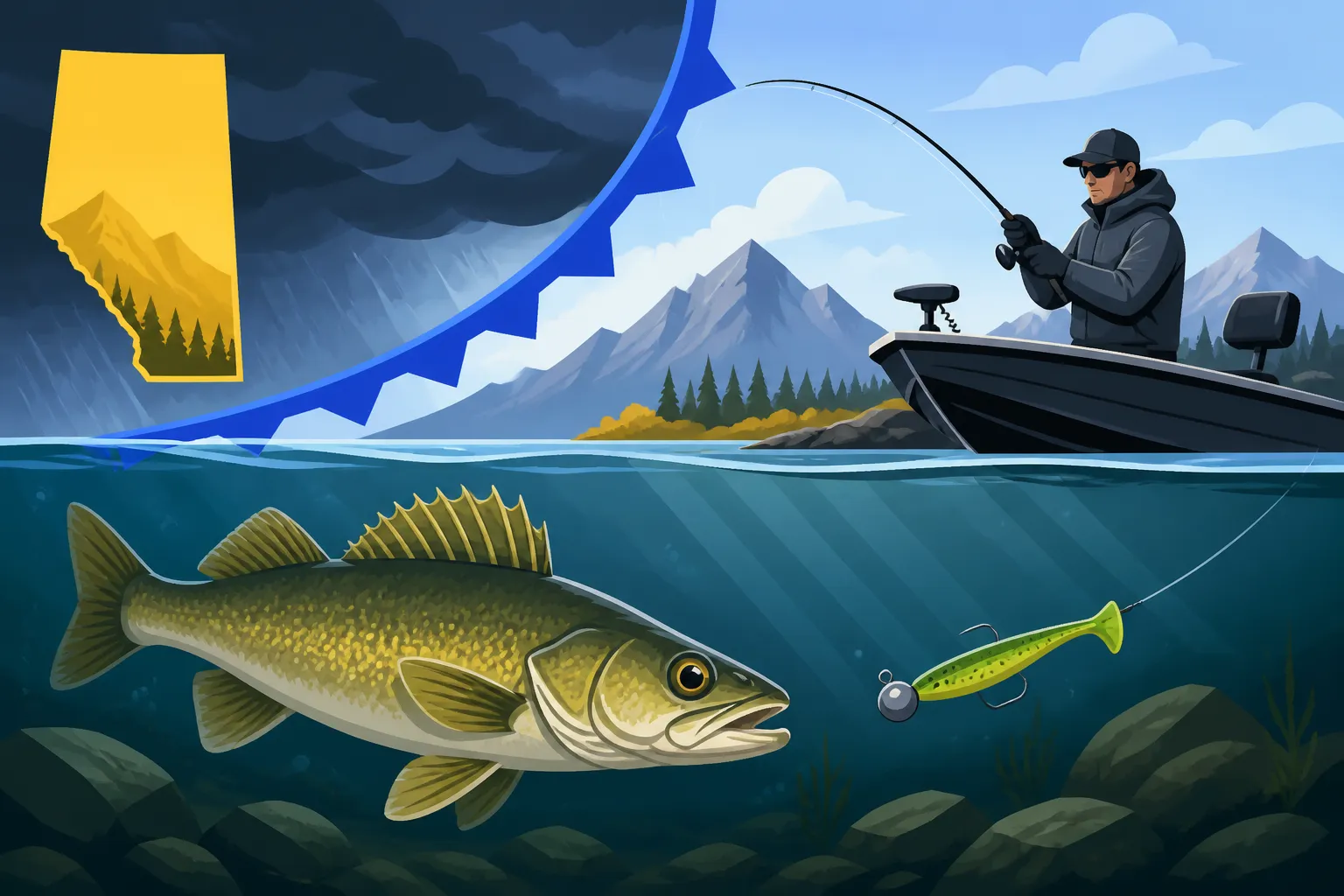
There’s nothing quite as frustrating as waking up to a gorgeous, calm day, only to find the barometer has plummeted overnight, signaling the arrival of a cold front. You had plans to hit your favorite walleye spot on Lesser Slave Lake or Pigeon Lake, full of optimism, but now you’re left wondering if it’s even worth it. Walleye, known for being finicky at the best of times, can become incredibly challenging when a cold front rolls through. This comprehensive guide will walk you through the subtle art of adjusting your approach to successfully target these elusive fish, even when Mother Nature throws a wrench in your plans.
Understanding the Impact of a Cold Front on Walleye Behavior
A cold front isn't just a drop in air temperature; it's a whole chain reaction that sends ripples through the aquatic environment, deeply affecting how walleye behave and where they choose to hang out. Ignoring these changes is a surefire way to come home empty-handed. Understanding the science behind it will empower you to make smarter decisions on the water.
Barometric Pressure Drops and Fish Physiology
One of the most significant indicators of an approaching cold front is a sharp drop in barometric pressure. Think of it like a weight pressing down on the water. Fish, with their swim bladders, are highly sensitive to these changes. When the pressure drops quickly, it can cause discomfort in their swim bladders, akin to how some people feel joint pain before a storm. This discomfort often sends them seeking deeper water where the pressure is more stable, or they'll hunker down tight to structure.
Once the front passes and the pressure stabilizes and rises, fish tend to recover, but they often remain lethargic for a period. This initial shock means their feeding windows become much shorter and less aggressive. You’re not dealing with hungry, actively chasing fish anymore; you’re dealing with fish that might be hunkered down, conserving energy, and only willing to expend minimal effort for an easy meal. This is where subtle presentations become key, moving away from aggressive tactics.
Metabolic Slowdown and Reduced Activity
The drop in water temperature that often accompanies a cold front, especially in fall or late spring, directly impacts a walleye's metabolism. Like many cold-blooded creatures, their body functions slow down as the water cools. This means they digest food slower, require less energy, and become generally less active. They won't be cruising open water or chasing fast-moving baits as readily.
Instead, they'll become more stationary, holding tight to cover or structure, waiting for an easy meal to come to them. Their bites can become incredibly subtle – sometimes feeling like nothing more than extra weight on your line, or a slight tap rather than a definitive strike. This metabolic slowdown is why you need to adjust your retrieval speed and presentations dramatically, focusing on finesse and making your lure irresistible without requiring much effort from the fish.
Changes in Forage Fish Behavior
Walleye aren't the only ones affected by cold fronts; their prey also reacts to these environmental shifts. Baitfish, like perch or shiners, might move to deeper, more stable water, or they could school up tighter around specific structures to escape the sudden changes and avoid predators. This relocation of forage can also influence where walleye decide to position themselves.
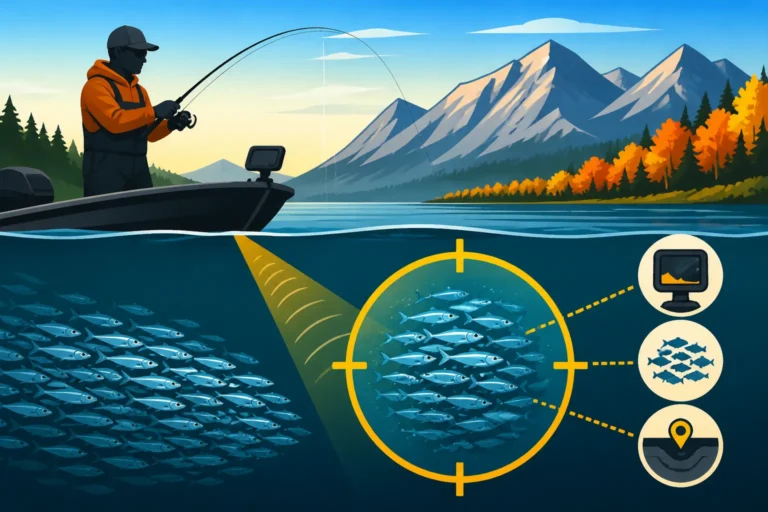
If the baitfish move, the walleye will eventually follow, but perhaps not immediately or aggressively. They might hold nearby, waiting for an opportunity. Understanding what walleye eat in Alberta lakes is crucial here. If their primary food source has moved to deeper flats or tight to a submerged rock pile, that's a good place for you to start your search, albeit with a more patient approach. Keeping an eye on your fish finder for baitfish schools is more important than ever.
Gear and Lure Adjustments for Post-Front Walleye
When walleye get lockjaw after a cold front, the flashy, aggressive presentations that worked yesterday are likely to be ignored today. This is the time to really dial in your gear and lure choices, embracing the art of subtlety and finesse. It’s about coaxing a bite, not forcing one.
Downsizing and Finesse Lures
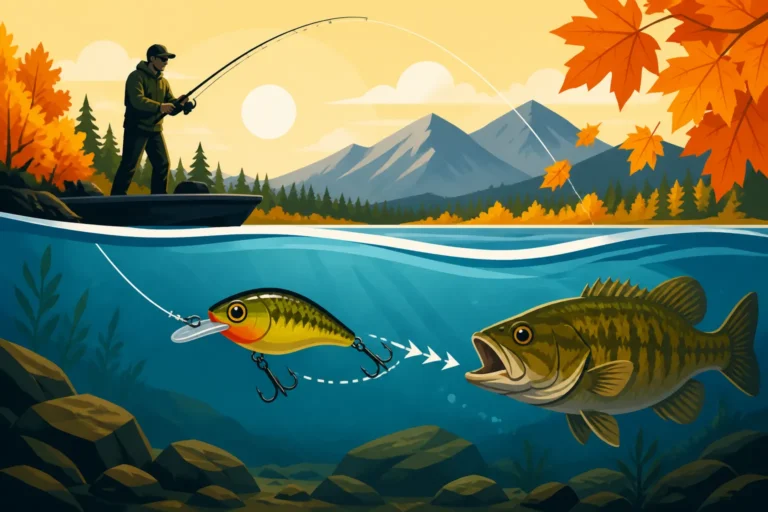
Big, bulky baits that create a lot of commotion might have triggered strikes before the front, but now they often just spook wary walleye. The key after a cold front is to downsize everything. This means smaller jigs, lighter lines, and more natural-looking presentations. Instead of a large crankbait, opt for a slender minnow-profile jerkbait, or better yet, a small jig paired with a soft plastic.
Think about a 1/8 to 1/4 ounce jig head, tipped with a small grub, a tiny tube, or even just a plastic minnow imitation. Colors become critical too; natural, muted tones like greens, browns, and grays often outperform bright, flashy colors. If you're buying online from a retailer like Amazon, search for "finesse walleye jigs" or "small plastic grubs" to stock up on these essential cold front tools. Remember, the goal is to present a small, easy meal that requires minimal energy expenditure from the fish.
Natural Bait Presentations
Sometimes, no matter how realistic your artificial lure is, nothing beats the real thing when walleye are super finicky. Live bait, presented naturally, can be an absolute game-changer after a cold front. Minnows, leeches, or nightcrawlers are staples for a reason, and their natural scent and subtle movements are often enough to trigger a strike from even the most lethargic walleye.
A classic rig is a simple slip bobber with a live minnow, allowing it to suspend at the depth where walleye are holding. Or, try a simple jig head tipped with a live minnow or a piece of nightcrawler. The key is to let the bait do the work, imparting very little action yourself. A slow, almost deadsticked approach with live bait can be incredibly effective. Make sure your presentation is as weed-free as possible, as a snagged bait will not entice a cautious fish. This is also where knowing how to catch walleye in Alberta often involves patience and a willingness to adapt your bait selection.
Line and Leader Choices
Your line choice can make a bigger difference than you might think, especially when fishing for cold front walleye. Heavy, visible line can easily put off a wary fish in clear water. This is the time to opt for lighter fluorocarbon leaders, or even switch to a full fluorocarbon main line if conditions allow. Fluorocarbon is nearly invisible underwater and has less stretch than monofilament, giving you better feel for those incredibly subtle bites.
Consider dropping down in line strength as well. If you typically throw 10-pound test, try 6 or 8-pound fluorocarbon. The reduced diameter will also allow your lighter lures to sink more naturally and get to the strike zone faster. Just remember to check your knots frequently, as lighter line can be more prone to breaking, especially around sharp structures. It's a delicate balance between stealth and strength, but for cold front walleye, stealth often wins. For more in-depth info, check out our guide on the best fishing rods for Alberta rivers, which often covers sensitivity and line choices.
| Feature | Pre-Front Tactics | Post-Front Tactics |
|---|---|---|
| Walleye Behavior | Active, chasing, aggressive | Lethargic, holding tight to cover, finicky |
| Lure Size | Medium to Large (crankbaits, swimbaits, large jigs) | Small to Ultralight (finesse jigs, small plastics) |
| Lure Action | Aggressive, erratic, fast retrieves | Subtle, minimal action, slow presentations |
| Bait Type | Artificial lures (crankbaits, spinnerbaits) | Live bait (minnows, leeches, crawlers) or finesse plastics |
| Line Type | Braided main line, fluorocarbon leader | Lighter fluorocarbon main line or long leader |
| Retrieval Speed | Moderate to Fast | Extremely Slow, Deadsticking, Soaking |
| Location Focus | Weed lines, points, open water flats | Deeper edges of structure, bottom transitions, cover |
| Bite Sensation | Aggressive strike, definite pull | Light tap, added weight, subtle thud |
Strategic Locations to Find Walleye After a Cold Front
Cold fronts don't just change how walleye bite; they also force them to relocate. The spots that were hot yesterday might be completely barren today. Knowing where to start looking can save you hours of fruitless casting and help you dial in on those hidden pockets where walleye seek refuge.
Deeper Water Shelters
When the barometric pressure drops and surface temperatures cool, walleye often retreat to deeper, more stable water. This isn't just about escaping discomfort; it's also about finding consistent temperatures and cover where they can conserve energy. Look for areas adjacent to their typical feeding grounds that offer a quick escape to depth. This could be a deep weed line, a steep drop-off, or a submerged hump near deeper basins.
On a lake like Cold Lake, this might mean moving off the shallow flats into deeper sections, perhaps around 20-30 feet, or even deeper if the lake structure allows. They're not necessarily going to the absolute deepest part of the lake, but rather to the deepest available stable water that's still close to potential feeding lanes. Using your fish finder to mark these deeper transition zones is crucial. Once you locate a likely area, don't be afraid to sit on it for a while, working it thoroughly with slow, deliberate presentations.
Structure and Cover
Even in deeper water, walleye will seek out some form of structure or cover to relate to. This could be anything from a rock pile, a submerged timber field, a deep weed bed, or even a subtle contour change on the bottom. These features offer protection from current, provide ambush points, and often hold baitfish seeking similar refuge.
Consider a large underwater humps that tops out in 15-20 feet of water, with steep breaks falling into 30+ feet. Walleye might hold right on the deep edge of that hump, hugging the bottom. Another prime example would be the deep side of a significant point extending into the lake. They won't be actively cruising the top of the point anymore, but rather sitting just off the edge, waiting for something easy to drift by. For instance, in areas like the North Saskatchewan River near Edmonton, structure can be anything from submerged logs to deeper scour holes. Pay close attention to your electronics, mapping out these underwater features, and present your bait right into their living room.
Transition Zones
Walleye are often found in transition zones where two different types of habitat meet. After a cold front, these zones become even more critical, as they offer a convenient staging area between deep-water refuge and potential, albeit slower, feeding areas. Think of the seam where a hard rock bottom meets a soft mud flat, or where a deep channel brushes against a shallower shelf.
These areas provide a diverse habitat that can hold both walleye and their prey. For example, if you're fishing a large lake like Lac La Biche, look for where a rocky point tapers into a sandy bay, or where a sharp break line transitions from a steep drop to a more gradual slope. Walleye will often sit right on that edge, slightly deeper than you might expect, facing towards the shallower water but ready to retreat if necessary. These subtle changes can be easily overlooked, but they are often where you’ll find the holding fish. This is especially relevant when considering Walleye Fishing in Alberta, where finding these transition zones can unlock a tough bite.
Retrieval Techniques for Finicky Post-Front Walleye
After a cold front, the way you present your lure or bait is arguably more important than what you're presenting. Walleye aren't in a chasing mood; they need to be tempted, almost hand-fed, with a presentation that screams "easy meal." Fast, erratic retrieves will often be ignored, or worse, they'll spook the fish.
Slow and Steady Presentations
The golden rule for post-front walleye is to slow down, and then slow down some more. Think glacial pace. Whether you're using a jig, a spinner rig, or a crankbait, every movement should be deliberate, subtle, and unhurried. For jigs, this means tiny lifts, barely enough to get the bait off the bottom, followed by long pauses. We're talking 5-10 second pauses sometimes. Let the lure sit there, giving the fish ample time to inspect it and decide to strike.
If you're trolling, reduce your speed significantly. What might have been 1.5-2.0 mph before the front could now be 0.5-0.8 mph. The goal is to keep your bait in the strike zone for as long as possible, mimicking a lethargic or injured baitfish. This approach allows walleye to expend minimal energy to intercept the lure, making it a much more appealing target. Remember, the Best Time of Day to Catch Walleye might shift to midday or late afternoon as the water slightly warms after the initial chill.
Vertical Jigging
When walleye are tightly schooled and hugging bottom structure in deeper water, vertical jigging can be incredibly effective. This technique involves positioning your boat directly over the fish (using your fish finder) and dropping a jig straight down to them. This allows for pinpoint accuracy and ensures your bait stays in the small strike zone.
Using a light jig (1/4 to 1/2 ounce depending on depth and current) tipped with a minnow or a soft plastic, you'll make subtle lifts and drops, keeping the lure within a foot or two of the bottom. The key here is sensitivity; you need to feel every tap, every change in weight. Sometimes, a "bite" will just feel like your jig stopped sinking a bit too early. This is where a sensitive rod, like those discussed in Best Fishing Rods for Alberta Rivers, truly shines. The slow, controlled movement directly in front of their face often coaxes a reaction strike, even from uninterested fish.
Deadsticking and Soaking
Sometimes, the best action is no action at all. This is where deadsticking or soaking a bait comes into play. If you’re using live bait, like a minnow or a leech under a slip bobber, let it sit perfectly still. The natural movements of the live bait are often enough to tempt a strike. For artificials, this means casting out a jig or a weighted plastic and letting it sit on the bottom for an extended period, imparting only the occasional, very slight twitch to make it look like an easy meal.
This technique requires immense patience. You might feel nothing for minutes, then a subtle tick. This is often the retrieve that works when walleye are at their most uncooperative, especially in clear, cold water where they have plenty of time to scrutinize your offering. Think of it as leaving a buffet plate right in front of them and letting them decide on their own terms. This can be particularly effective when considering Best Baits for Walleye on Lesser Slave Lake where live bait presentations are often favored. Don't be afraid to experiment with how long you let your bait sit; sometimes the longer, the better.
Safety Considerations When Fishing Cold Fronts
While the focus is often on catching fish, safety should always be your number one priority, especially when dealing with the unpredictable conditions that come with cold fronts. Being prepared for rapidly changing weather can mean the difference between a great day on the water and a dangerous one.
Dressing for the Cold
Cold fronts bring chilly temperatures, often accompanied by strong winds that amplify the cold significantly (the wind chill factor). Dressing in layers is absolutely essential. Start with a moisture-wicking base layer to draw sweat away from your skin, followed by insulating mid-layers like fleece or wool, and finally, a waterproof and windproof outer shell. Don't forget a warm hat, gloves, and thick socks. Your extremities are most susceptible to cold.
It’s always better to overdress and be able to remove layers than to be underdressed and freezing. Hypothermia can set in quickly, especially if you get wet. Even if the forecast calls for a "mild" cold front, conditions on the water can be dramatically different from shore. Packing an extra set of dry clothes in a waterproof bag, even if you don't plan on going for a swim, is a smart move. When you're bundling up for a chilly day, an extra pair of quality gloves or a thermal base layer purchased from Amazon can make all the difference in comfort and safety.
Ice Safety in Relevant Seasons
If you're fishing during the colder months when ice is present or forming, cold fronts can have a drastic impact on ice safety. A sudden drop in air temperature will strengthen existing good ice, but a weak front with strong winds can also cause shifting and cracking in marginal ice. Always check local ice conditions before heading out, and never assume ice is safe.
Before venturing onto the ice, familiarize yourself with guidelines for safe ice thickness, and always carry safety equipment like ice picks, a rope, and a flotation device. Fish with a buddy and inform someone of your plans and expected return time. Ice conditions can vary wildly even on the same lake, so be vigilant, especially around currents, inlets, and outlets. When checking the Alberta Fishing Seasons by Zone and Month, be extra careful if you're out during transition periods when ice is forming or melting.
Weather Monitoring and Planning
Cold fronts are often preceded by significant weather changes, including high winds, rain, or snow. Always check the detailed weather forecast before you head out, and continue to monitor it throughout the day. Modern smartphone apps provide real-time radar and wind predictions, which can be invaluable.
If you see ominous clouds rolling in, or if the wind picks up suddenly, don't hesitate to head back to shore. It's never worth risking your safety for a few more bites. Being aware of the specific Alberta Boating Laws for Anglers and having the necessary safety equipment on your boat, like a life jacket for every person onboard, is crucial. Pay attention to how the sky looks, how the wind feels, and if you hear any distant thunder. A cold front might be the main weather system, but it can bring other dangerous conditions along with it.
Disclaimer
The information provided in this guide is for general informational purposes only and is not a substitute for official regulations. Always consult the most current Alberta Guide to Sportfishing Regulations before heading out. Fishing conditions and regulations can change without notice. Stay safe and fish responsibly.