Best Techniques for High Water Spring Conditions
Ah, spring in Alberta! It's a time of renewal, longer days, and the promise of open water fishing. But for many of us, it also brings a unique challenge: high water conditions. Rivers swell with snowmelt, lakes rise, and the fishing spots we know and love can look completely different, often leaving us scratching our heads about where the fish have gone and what gear to use. This guide is here to unravel the mysteries of high water spring fishing, equipping you with the techniques and knowledge to still find success when the water's roaring.
Understanding High Water Spring Conditions in Alberta
When the snow starts to melt and the spring rains kick in, Alberta's waterways transform. This isn't just a slight increase in flow; we're talking about significant changes that can alter the entire ecosystem you're trying to fish. Understanding the root causes and effects of these conditions is your first step to adapting and finding fish.
The Why Behind Spring Runoff
Spring runoff in Alberta is a massive event, driven primarily by the melting snowpack from the Rockies and foothills, coupled with spring rains that saturate the ground. Think of it like a giant, slow-motion faucet turning on, funneling water from vast areas into our rivers and lakes. This process doesn't happen overnight; it can last for weeks, with peaks and valleys depending on temperature fluctuations and precipitation. Early spring might see cold, clear flows, but as temperatures climb, the volume increases dramatically, often bringing with it a characteristic "glacial till" cloudiness or heavy sediment load from erosion. This surge of water carries debris, nutrients, and sadly, sometimes pollutants, downstream, drastically changing the aquatic environment for fish and anglers alike.
Impact on Fish Behavior
Fish are incredibly sensitive to changes in their environment, and high, fast, and often cold water can throw them for a loop. Their primary concerns become energy conservation, finding refuge from the strong currents, and locating food that hasn't been swept away. You'll find that fish, whether it's a mighty walleye or a wary rainbow trout, will typically abandon their usual haunts in favor of areas with reduced current. This means they'll hug the banks, seek out eddies behind large structures like boulders or fallen trees, or tuck into flooded backwater areas and submerged vegetation. Their feeding behavior often slows down because of the colder water and the increased energy expenditure required to fight the current, but they'll still opportunistically strike at disoriented baitfish or anything that looks like an easy meal. This is where your understanding of their new holding patterns becomes crucial; you need to think like a fish trying to survive a torrent.
Essential Gear Adjustments for High Water
Fishing in high water isn't about brute force; it's about smart adjustments to your tackle to compensate for the challenging conditions. The gear you'd use during a placid summer day simply won't cut it when the river is roaring, or the lake levels are exceptionally high.
Rods, Reels, and Lines for Strong Currents
When you're facing down strong currents, your usual light setup is going to struggle. You'll want to move to a slightly heavier power rod, perhaps a medium-heavy spinning rod or a baitcasting setup, which provides the backbone needed to cast heavier lures and, more importantly, to fight fish in strong flows. A longer rod, say 7 to 8 feet, can also help with line management and keeping your lure in the strike zone longer without it being immediately swept away. Reels should have a smooth, powerful drag system, as fish caught in current will put up an even tougher fight.
For lines, braided line truly shines in high water. Its lack of stretch provides excellent sensitivity, allowing you to feel subtle bites even with heavy current pulling at your line. More critically, its thin diameter for its breaking strength means less drag in the water, helping your lures get deeper and stay there. I'd recommend 15-20 lb braid for most walleye or pike scenarios, perhaps even 30 lb if you're throwing big swimbaits or fishing around heavy cover. Pair this with a fluorocarbon leader, typically 10-20 lb test, for abrasion resistance and invisibility, especially if the water isn't completely opaque. You can find a wide range of these robust line options on Amazon, ensuring you have the strength you need.
Lure and Bait Considerations
High, murky water significantly impacts what fish can see and how they react. Therefore, your lure choices need to prioritize vibration, scent, and visibility. Forget those subtle, natural colors you love in clear water; now is the time for loud and proud!
- Vibration is Key: Crankbaits with aggressive wobbles, spinnerbaits with large thumping blades, and jig-and-soft-plastic combos that displace a lot of water are your best friends. Think about what a fish can "feel" in low visibility – those strong vibrations act like a beacon.
- Scent Power: If fish can't see well, they'll rely on their other senses. Adding scent to your soft plastics or using natural baits like nightcrawlers, minnows, or leeches can be incredibly effective. Consider power baits or Gulp! products that release strong scent trails.
- Visibility (Color and Size): Bright, contrasting colors like chartreuse, orange, firetiger, or pearl white can stand out in turbid water. Don't be afraid to go a size or two larger than you normally would; a bigger profile is easier for fish to spot. For example, instead of a 1/4 oz jig, you might opt for a 3/8 or 1/2 oz to get down faster and stay down.
- Weight Matters: You'll need heavier jigs, sinkers, and deep-diving crankbaits to cut through the current and reach the fish holding closer to the bottom or in slower pockets. Having a variety of weights is crucial for adapting to different current speeds and depths.
Wading and Safety Equipment
Fishing during high water conditions introduces significant safety concerns, especially if you plan on wading or using a boat. Never underestimate the power of fast-moving water.
For waders, prioritize a sturdy pair with good insulation if the water is cold, as it often is in spring. More importantly, invest in wading boots with aggressive traction – felt soles for slick rocks, or rubber soles with studs for mixed terrain – to prevent slips and falls. A good wading belt is non-negotiable; it helps create a seal and prevents your waders from filling completely with water should you take an unexpected dip.
A reliable wading staff is another indispensable tool. It provides a crucial third point of contact with the bottom, helping you maintain balance and probe the depth and stability of the riverbed before committing your weight. Always carry a knife for emergencies, and a whistle to signal for help. If you're wading in currents above your knees, or in any situation that makes you uneasy, strongly consider wearing an inflatable personal flotation device (PFD). Remember, staying safe is always the top priority, and knowing the Life Jacket Requirements for Alberta Boaters is a must even for wade anglers venturing near larger waterways.
Tactical Approaches for Different Species
High water makes fish change their routines, so you need to change yours too. Different species react in unique ways, and understanding these patterns is key to putting fish in the net.
Targeting Walleye in Murky Inflows
Walleye are masters of ambush, and high water conditions often create prime ambush points. These fish will typically move out of the main current and seek refuge in slower water, often congregating at the mouths of tributaries, flooded sections of rivers, or along the edges of current breaks in lakes where turbid water meets clearer water. They're looking for areas where disoriented baitfish might get swept into their path without them having to expend too much energy.
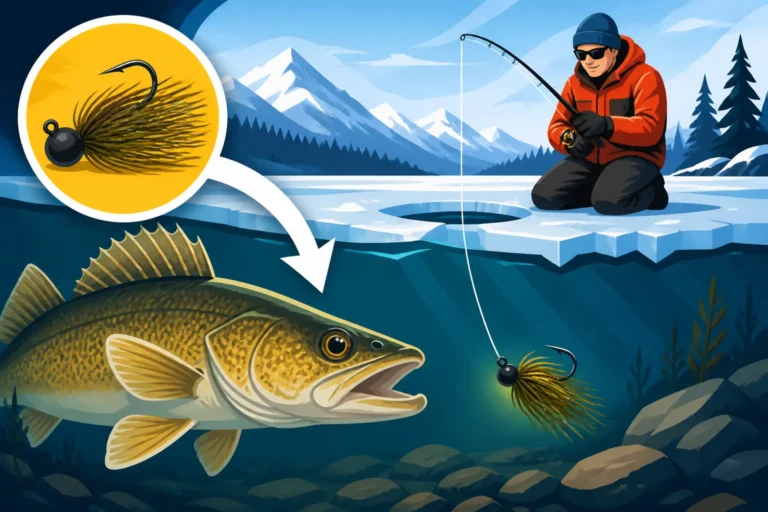
Focus your efforts on the seams where fast water meets slow water, or any natural or man-made structure that breaks the current. Think bridge pilings, large boulders, fallen trees, or sudden changes in bottom contour. Vertical jigging with heavy jigs (1/2 to 3/4 oz) tipped with a soft plastic or live minnow can be incredibly effective when you pinpoint their holding areas. Let the jig hit the bottom, then use short, sharp lifts. For casting, deep-diving crankbaits in bright colors (chartreuse, firetiger) that can reach depths of 10-15 feet are excellent for covering water. Cast upstream and across, letting the current help sweep your lure down and across the strike zone. Remember, walleye bites can be very subtle in these conditions, so pay close attention to any resistance or abnormal weight on your line. Learn more about How to Catch Walleye in Alberta by focusing on these strategic high-water spots.
Chasing Northern Pike in Flooded Areas
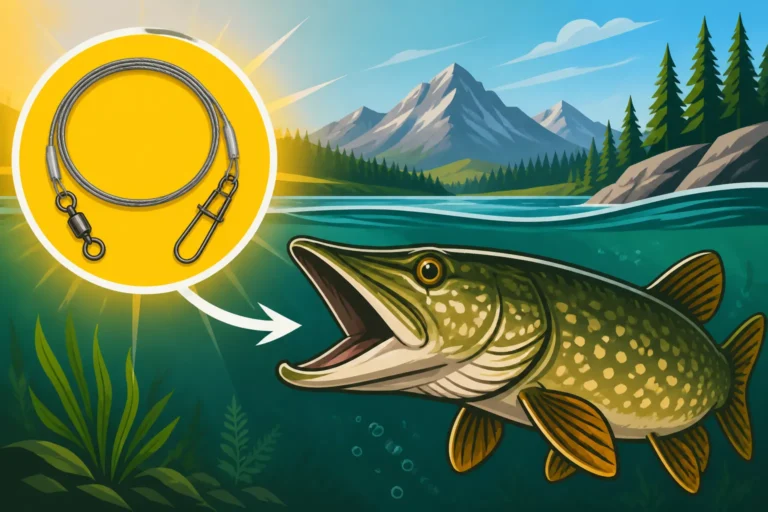
Northern pike are notorious for their adaptability, and high water often presents them with new hunting grounds. As rivers swell and lakes rise, shoreline vegetation and shallow flats become submerged, creating perfect ambush cover for these toothy predators. Pike will move into these newly flooded areas, especially where there's dense grass, downed timber, or brush, waiting for unsuspecting prey.
Look for areas with significant new cover, such as flooded cattails along lake edges or submerged brush in slow-moving back channels of rivers. These spots offer both protection from current and prime ambush opportunities. Large spinnerbaits with big thumping blades (e.g., Colorado blades), oversized spoons in bright or flashy colors, and large swimbaits are excellent choices. Pike rely heavily on lateral line senses, so lures that create strong vibrations are paramount. Cast these lures into the heaviest cover you can find, working them slowly enough for the pike to react, but fast enough to trigger a predatory response. Don't be afraid to try topwater frogs or soft plastic creature baits in these flooded areas if there's enough room to work them without getting snagged immediately. This is particularly effective on warmer spring days when pike are more active.
Finding Trout in High, Fast Rivers
High, fast-moving rivers can be incredibly intimidating for trout anglers, but trout are still there, simply repositioned. They're trying to conserve energy and avoid the main current, so they'll seek out predictable holding lies. This means focusing on the "soft water" areas – anything that offers a reprieve from the relentless flow.
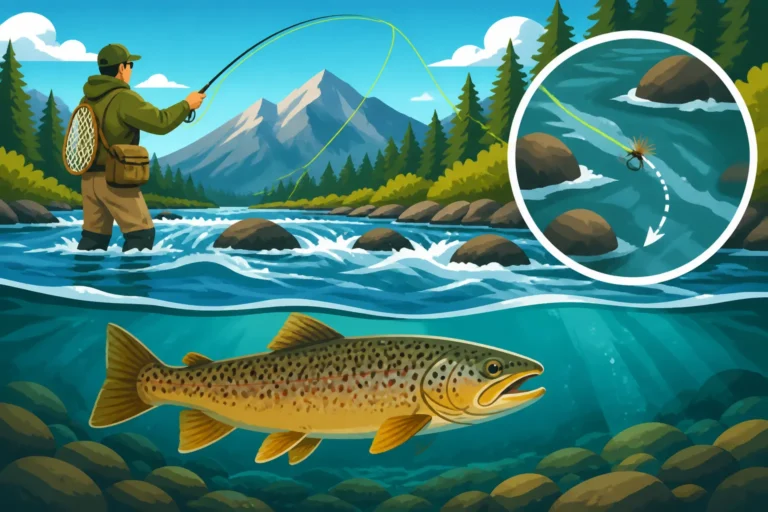
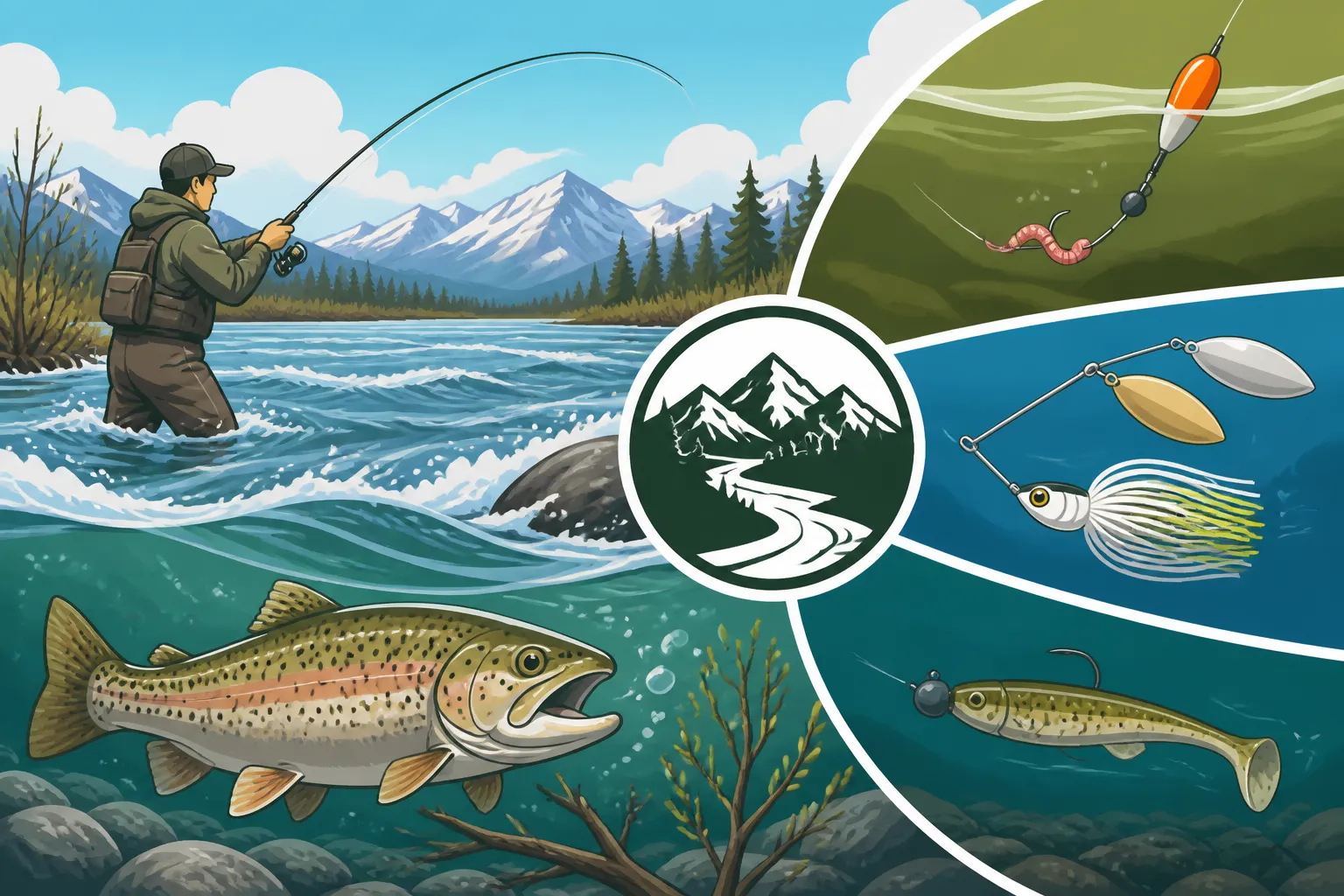
Look for distinct current breaks: the inside bends of rivers, behind large boulders, fallen trees, log jams, or any substantial bankside structure. Eddies, where the water swirls back upstream, are prime spots as they offer calm water and often concentrate food. Trout will also hug the bank incredibly tight, sometimes in just inches of water, escaping the main flow. When fishing these areas, you'll need heavier nymphing rigs for fly fishing, or weighted spin-fishing setups. For spin anglers, throwing heavier spoons, spinners, or soft plastic swimbaits on a jig head directly into the seams and allowing them to swing into the slower water can be very productive. For fly anglers, deep nymph rigs with large, heavy patterns (like stoneflies or San Juan Worms) under an indicator are often key. Add extra weight (split shot) to get your flies down quickly. Cast slightly upstream of the holding water and allow your rig to drift naturally, mending your line to minimize drag. For more detailed insights, check out Spring Trout Fishing Techniques for Alberta Streams.
Reading the Water and Locating Fish
High water demands a keen eye and a strategic approach to decipher where fish might be hiding. It's less about covering vast amounts of water and more about carefully analyzing the subtle clues the river or lake provides.
Identifying Current Breaks and Eddies
Current breaks are your absolute best friends in high water. These are areas where the fast-moving water encounters an obstruction, creating a zone of slower, calmer water. Think of a giant rock in the middle of a river: the water crashes against the upstream side, then flows around it, creating a "cushion" of slower water directly upstream, and a significant, often swirling eddy downstream. Fish will stack up in these calmer zones, expending minimal energy while waiting for food to be swept into their waiting mouths.
Beyond single rocks, look for entire stretches of riverbank that have less flow due to protruding points, large log jams, or even the subtle contour of the riverbed. The inside bends of rivers are classic examples of current breaks, where the water slows down considerably compared to the outside bends. Bridge pilings and culverts also create excellent seams. Your goal is to identify these transition zones and understand how the current dictates where fish will sit. Focus your casts on the very edge of the fast and slow water, allowing your lure or bait to drift naturally from the faster water into the calmer holding lie. This presentation often mimics disoriented baitfish or insects being swept along.
Using Water Clarity to Your Advantage
High water often means reduced visibility, but not all parts of the water column or all areas will be equally murky. Understanding variations in water clarity can give you a significant edge. In rivers, you might find clearer water hugging the banks, especially if there's less bankside erosion in that particular spot, or behind a large obstruction where sediment has settled. Sometimes, a smaller tributary might be running clearer than the main stem, creating a distinct "seam" where the two bodies of water meet.
In lakes, high water can push murky river inflows into specific bays or sections. While very turbid water can be tough, a slight tint or "stain" can actually be beneficial, offering fish more cover from predators (including you!) and making them feel more secure. However, extremely muddy water often means fish shut down or move to cleaner areas. Use your eyes: if you see a distinct color change in the water, that transition line is often a prime target. Fish will sit on the cleaner side, looking into the murk for food, or in the murk itself if it offers significant cover. This is where bright, vibrant lures with strong vibration become even more important, as they can be detected in low light or stained conditions. For help identifying these nuances, the Alberta Fishing Regulations App and Zone Lookup can sometimes provide real-time or recent water condition updates for specific areas.
Scouting High Water Holding Lies
Locating fish in high water is a dynamic process that often requires a bit of detective work. Instead of blindly casting, take some time to observe the water. Look for any boils, swirls, or subtle changes in the surface texture that might indicate an eddy or a submerged obstruction. Pay attention to floating debris – where does it slow down? Where does it collect? These are often indicators of softer water where fish might be holding.
Walk the bank (safely!) and look for visible structures like submerged trees, root wads, or rock piles that extend into the current. Remember, fish will be tightly pinned to these structures to conserve energy. If you're using a boat on one of the Best Fishing Lakes in Alberta or a larger river, use your fish finder to scan for submerged features and any congregations of fish near them. Don't overlook newly flooded areas like fields or wooded sections along a lake or river bank. These can offer temporary havens for fish, especially pike and walleye, seeking food and shelter in the newly available habitat. It's about thinking strategically: where would you hide if a flood was raging, and you needed to conserve energy and find an easy meal?
Effective Lure Presentation and Retrieval Techniques
Once you've located potential fish holding areas in high water, the next challenge is presenting your lure in a way that triggers a strike. This often means adjusting your speed, depth, and even the "personality" of your retrieve.
Slow and Deep for Bottom Dwellers
When water levels are high and the current is strong, many fish, especially walleye and trout, will hunker down close to the bottom to avoid the main flow. This means your lure needs to get down to them and stay there. A slow, methodical retrieve is often the most effective approach.
For jigs, whether tipped with soft plastics, live bait, or scent, let them sink all the way to the bottom. Once there, employ a slow lift-and-drop or a subtle drag-and-pause motion, keeping contact with the bottom as much as possible. This mimics a struggling baitfish or a crayfish scuttling along the riverbed, presenting an easy meal. For crankbaits, choose models with a deep diving lip that are designed to "dig" into the bottom. Cast them upstream or upstream-and-across, and retrieve just fast enough to get them diving, allowing the current to help push them down and impart a natural wobble. The key is to keep your lure in the strike zone for as long as possible, close to the bottom where fish are holding. This isn't the time for fast, aggressive retrieves unless you're targeting specific reaction strikes in very dirty water.
Aggressive Presentations for Reaction Strikes
While a slow, deep presentation is often the rule, there are situations in high, turbid water where an aggressive presentation can trigger reaction strikes. When visibility is extremely low, fish rely heavily on their lateral line to detect vibrations. A fast, erratic retrieve with a high-vibration lure can essentially "smack" a fish in the face with a strong sensory signal, provoking an instinctual strike rather than a predatory hunt.
This technique is particularly effective for active pike and sometimes for walleye in very stained water. Large spinnerbaits, chatterbaits, or noisy crankbaits retrieved with a stop-and-go or twitching motion can be deadly. Think about creating a "search pattern" with your lure, generating as much sound and vibration as possible. Cast into suspected holding areas – eddies, current breaks, flooded cover – and work your lure quickly through these zones. Don't be afraid to experiment with different speeds and jerks until you find what triggers a response. Sometimes, that sudden, unexpected movement or burst of vibration is exactly what it takes to get a fish to ambush the lure without thinking twice. When fishing for Northern Pike Fishing in Alberta, these aggressive tactics often pay off big time, especially in newly flooded vegetation.
Mimicking Disoriented Baitfish
High water often disorients baitfish and other forage, making them easy targets for opportunistic predators. Your presentation should aim to replicate this vulnerability. Baitfish get swept out of cover, struggle against the current, and become easy meals.
Soft plastic swimbaits, especially those with a paddle tail, rigged on a weighted jig head are excellent for this. Cast them into current seams or eddies and allow them to drift or swim with a subtle, wounded action. The key is to make the lure look like it's struggling, not swimming purposefully. Jerkbaits are another fantastic option; their erratic, darting action perfectly mimics a disoriented baitfish. Pause them frequently during your retrieve, letting them hang in the current for a moment, which often triggers a strike from a following fish. Even a simple spoon, cast out and allowed to flutter on the drop, can imitate a wounded minnow. When working these lures, imagine what a real baitfish would do if caught in a strong current – it wouldn't be swimming smoothly or quickly, but rather fighting for its life. This vulnerability is what predators key into during challenging high-water periods.
Safety First: Navigating High Water Environments
I can't stress this enough: safety is paramount when fishing high water. The conditions are dynamic, often unpredictable, and can turn dangerous very quickly. A momentary lapse in judgment can have serious consequences.
Wading Safety Best Practices
Wading in high water, especially in Alberta's fast-flowing rivers like sections of the Best Fishing Rivers in Alberta, requires extreme caution. Before you even step into the water, scout your entry and exit points thoroughly. Look for areas with slower current and a relatively stable bottom. A sturdy wading staff is not optional; it's a critical tool. Use it to probe the depth and test the bottom for stability before each step.
Never wade alone, and always let someone know where you're going and when you expect to return. Wear a PFD, even if you're a strong swimmer. The sheer force of high water can knock you off your feet, and the cold temperatures in spring can quickly lead to hypothermia, severely impairing your ability to swim. Always face upstream when wading, so you can see obstacles approaching and brace against the current. If you feel uncomfortable or the water level starts rising unexpectedly, get out immediately. No fish is worth risking your life over. It's also wise to check current conditions and forecasts, as unexpected rain or rapid melt can turn a mild stream into a raging torrent in hours.
Boating Precautions in Swollen Rivers
Boating in swollen rivers or high-level lakes also demands a heightened level of vigilance. The increased current in rivers means you'll have less time to react to obstacles and will require more power to maintain control. Debris is a major concern; everything from small branches to entire trees can be swept downstream, posing a significant hazard to your boat and propeller.
Always wear a PFD, regardless of your swimming ability. Inspect your boat thoroughly before launching, ensuring all safety equipment is on board and in working order. This includes a whistle, bailer, spare paddle, and a first aid kit. Maintain a slower speed than usual to allow for more reaction time. Be extra cautious around bridge abutments, log jams, and any areas where the current creates turbulent water or boils. If you're unfamiliar with a particular stretch of river during high water, it's best to avoid it altogether or seek guidance from experienced local anglers. Always check the weather forecast for high wind warnings or sudden changes in conditions that could make boating even more hazardous. Make sure your boat adheres to all Alberta Boating Laws for Anglers and is properly equipped for the conditions.
Monitoring Conditions and Weather
The spring weather in Alberta is famously fickle, and conditions can change rapidly. Before heading out, always check the current weather forecast, paying close attention to precipitation and temperature. A sudden warm spell can trigger a rapid increase in snowmelt, causing water levels to spike. Heavy rainfall can do the same, and often adds more sediment to the water, reducing visibility even further.
Beyond weather, monitor local river flow data and lake levels if available. Websites like the Alberta Rivers website or Water Survey of Canada can provide real-time data for many major waterways. Compare current levels to historical averages to get a sense of just how "high" the water truly is. If river flows are spiking rapidly, it's often a good indication to postpone your trip. Understanding these dynamic changes will not only keep you safer but also help you predict fish behavior and make more informed decisions about where and how to fish. Being prepared with knowledge is just as important as being prepared with the right tackle.
Disclaimer
Fishing involves inherent risks. This guide provides general information and recommendations. Always consult the most current Alberta Guide to Sportfishing Regulations, available from MyWildAlberta or local license vendors, before heading out. Conditions can change rapidly, and it is the angler's responsibility to ensure their safety and comply with all provincial laws and regulations.