Do Trout Reproduce Naturally in Alberta Streams?
It's a question every passionate angler in Alberta eventually asks, usually while standing knee-deep in a pristine mountain stream or gazing across a shimmering lake: do the trout we love to catch actually reproduce naturally here? It’s a completely valid curiosity, born from a desire to connect with truly wild fish and understand the health of our aquatic ecosystems. The simple answer is yes, many do, but the full picture is, as with most things in nature, far more complex and nuanced than a simple "yes" or "no." This guide will help us dive deep into the fascinating world of trout reproduction in Alberta, exploring which species sustain themselves, where they thrive, and the challenges they face.
The Nuance of "Natural Reproduction" in Alberta Trout Fisheries
When we talk about natural reproduction, we're really talking about a population of fish that can sustain itself without human intervention, like stocking. Alberta has a truly diverse landscape, from the glacial-fed rivers of the Rockies to the vast, winding prairie streams and countless lakes. This variety means that some trout species absolutely flourish on their own, while others rely heavily on stocking programs to maintain fishable populations. It’s a balance, one that hinges on habitat quality, environmental conditions, and the inherent resilience of each species.
Native Trout Species and Their Strongholds
Alberta is blessed with several native trout species that are truly wild at heart, relying on our clean, cold streams to complete their life cycles. These fish are a testament to the health of their particular ecosystems.
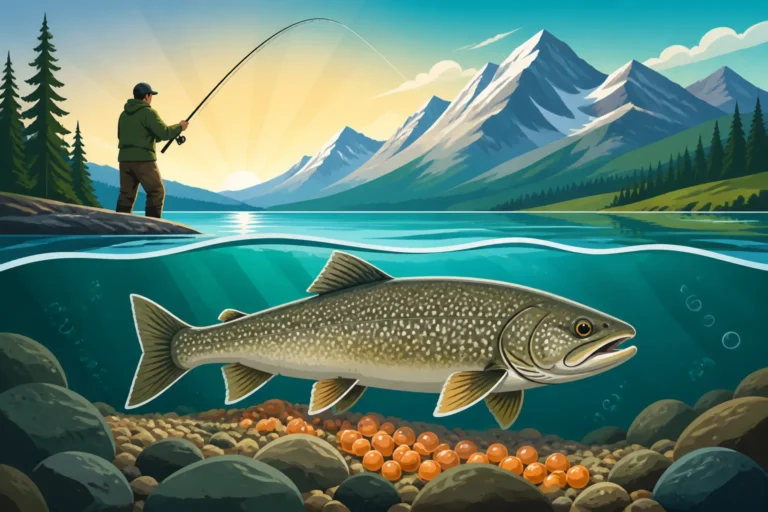
One of the most iconic is the Bull Trout, a char species that is both magnificent and unfortunately, threatened in many parts of its range. These incredible fish are entirely dependent on cold, clear, unpolluted waters with complex habitats for spawning and rearing their young. They need gravelly streambeds, deep pools, and plenty of cover. You'll find their strongholds primarily in the headwater streams of the Rocky Mountains and foothills, particularly in areas like the upper Oldman, Ram, Clearwater, and Red Deer River systems. Catching a wild bull trout is a privilege, and often, anglers are reminded of their delicate status by Why Bull Trout Have a Zero Possession Limit in Alberta. For a deeper look into these incredible fish, you might want to read Bull Trout: Alberta's Threatened Native Fish.
Then there are the Cutthroat Trout, particularly the Westslope Cutthroat Trout, which are also native to Alberta's mountain streams. These beautiful fish require similar pristine conditions to the bull trout – cold, clean water, suitable spawning gravels, and good riparian cover. Their native range is generally restricted to the southwestern corner of the province, in drainages flowing into the Pacific Ocean, like parts of the Oldman River system and tributaries of the St. Mary and Waterton Rivers. Their ability to reproduce naturally here is a key indicator of water quality and habitat integrity in these sensitive areas. Learning more about these amazing fish can be found in Cutthroat Trout in Alberta's Mountain Streams.
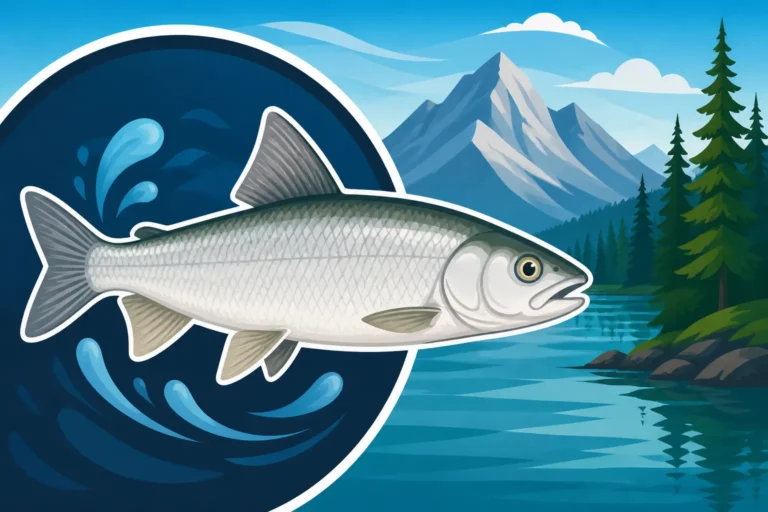
You also have Rainbow Trout in certain native populations, though the Bow River, famous for its rainbows, is largely supported by non-native, wild-spawning populations that originated from past stocking efforts, now naturalized. And let's not forget the Mountain Whitefish, another native species found in many of our rivers and streams, which also reproduce naturally and are a delightful catch on a light fly rod. Understanding their Bull Trout Native Range in Alberta and Cutthroat Trout Native Range in Alberta can guide you to some incredible wild fishing experiences.
Stocked vs. Wild Trout
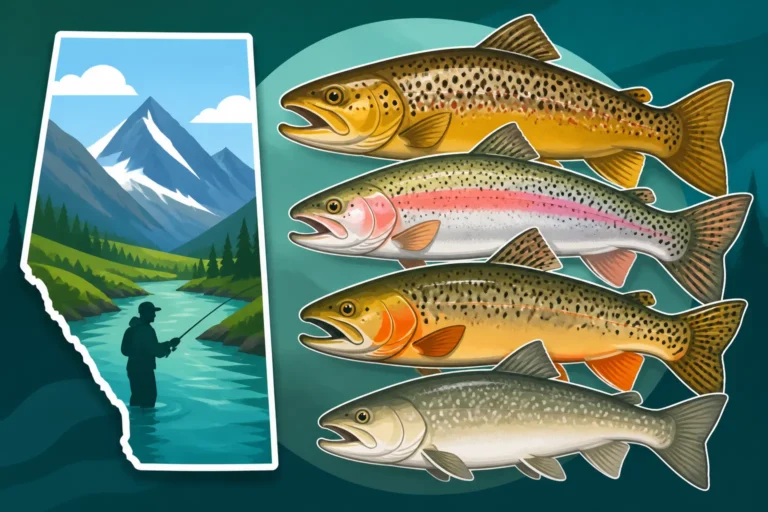
This is where the picture gets a bit clearer about why we have so many fish in certain places. Many of Alberta's fisheries, especially in easily accessible lakes and ponds closer to urban centers, are maintained primarily through stocking programs. The provincial government's fish culture program raises millions of fish each year, predominantly Rainbow Trout, but also species like Brown Trout, Brook Trout, and Tiger Trout, which are then released into designated waters.
These stocked fish provide fantastic angling opportunities for countless Albertans, introducing new anglers to the sport and providing a consistent fishery where natural reproduction might be limited or impossible due to habitat constraints (e.g., shallow prairie ponds that warm up too much in summer, or lack suitable spawning habitat). While some stocked fish might survive and grow large, they often don't contribute significantly to natural reproduction, either because the habitat isn't ideal for spawning, or because they are sterile hybrids (like Tiger Trout) specifically designed not to reproduce. So, while you're catching a trout, it might not be one born right there in that stream or lake. It’s important to appreciate both: the wild fish for their ecological significance and the stocked fish for the sheer joy of the sport they provide.
Factors Affecting Natural Trout Reproduction
Natural reproduction isn't a given; it's a delicate dance with nature, influenced by a myriad of environmental factors. When these factors are out of balance, even the most robust populations can struggle to sustain themselves.
Habitat Requirements for Successful Spawning
For trout to successfully reproduce, they need very specific conditions, and they're quite particular about their nurseries.
- Cold, Clean Water: This is non-negotiable. Trout eggs and fry need consistently cold water (typically below 10-12°C or 50-54°F) to develop properly. Warmer water holds less oxygen, which is detrimental to developing embryos. Any form of pollution, be it chemical runoff or excessive sediment, can suffocate eggs and fry, or simply make the water uninhabitable.
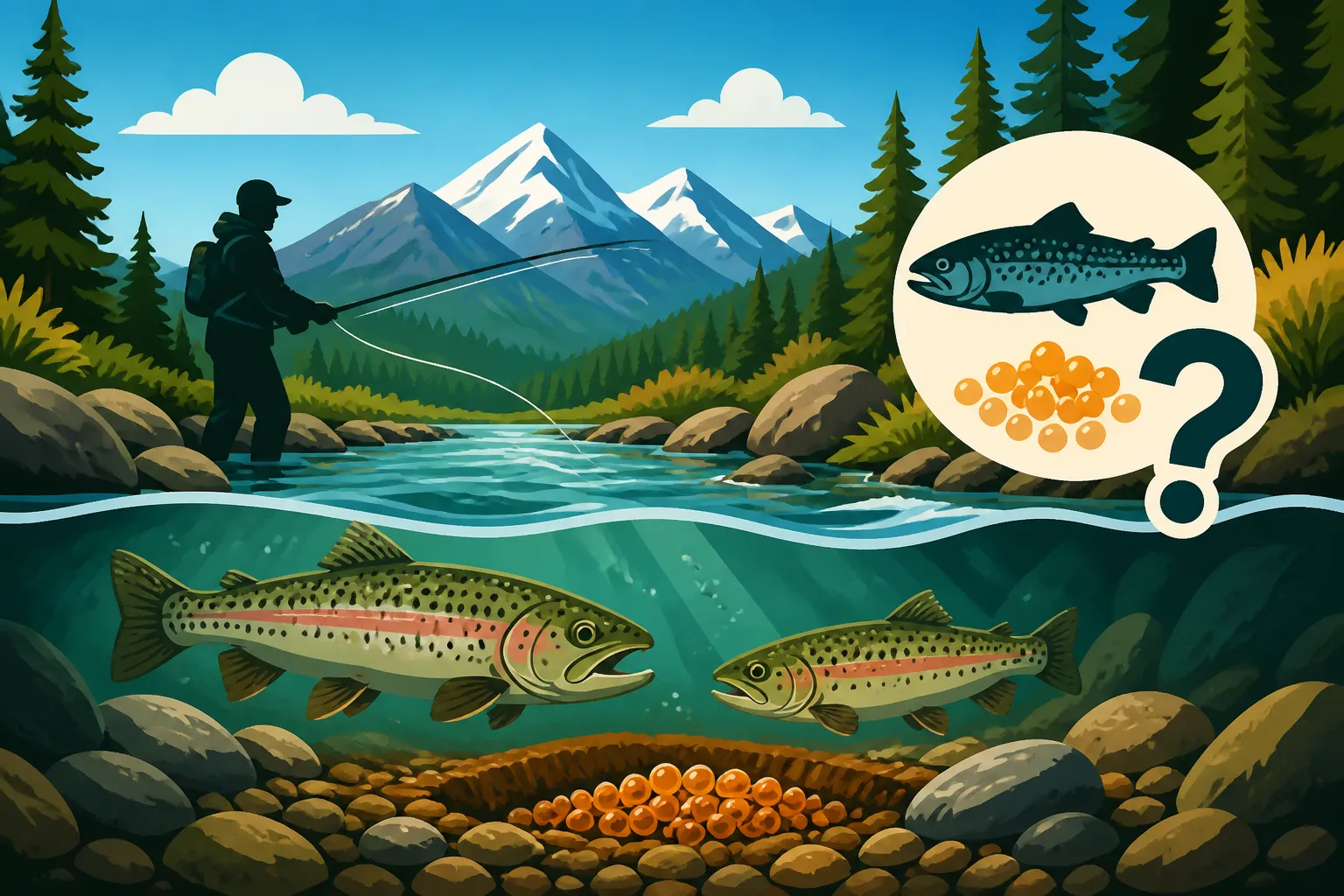
- Gravel Beds for Spawning (Redds): Female trout will select areas with suitable gravels to dig their "redds" – nests where they deposit their eggs. These gravels need to be clean, well-oxygenated, and of a specific size that allows water to flow through, keeping the eggs fresh and free of silt. Fine sediments, often from erosion caused by land use, can quickly smother redds, preventing hatching.
- Riparian Vegetation and Cover: The plants and trees along the stream banks play a crucial role. They provide shade, keeping water temperatures cool, and their root systems stabilize the banks, preventing erosion and keeping sediment out of the water. Overhanging vegetation and submerged woody debris also offer essential cover for young fish, protecting them from predators and strong currents.
- Stream Connectivity: Trout, especially native species like Bull Trout, are migratory. They often move between larger rivers and smaller headwater streams to spawn, or between lakes and tributary streams. Road crossings, culverts that are too high or too small, and other barriers can block these essential migration routes, preventing adults from reaching their spawning grounds or isolating populations. This fragmentation can lead to genetic bottlenecks and reduced resilience.
Environmental Challenges and Human Impacts
Even in a place as wild as Alberta, human activity and broader environmental shifts have a profound impact on the ability of trout to reproduce naturally.
- Climate Change and Water Temperatures: We're seeing changes in seasonal weather patterns, leading to warmer water temperatures in many streams. Prolonged periods of high water temperatures can stress trout, reduce oxygen levels, and directly impact egg and fry survival. Lower summer flows due to less snowpack also exacerbate this issue, reducing available habitat.
- Land Use and Siltation: Activities like agriculture, forestry, and urban development in watersheds can significantly increase erosion. When sediment washes into streams, it settles on spawning gravels, smothering eggs and making it impossible for young fish to emerge. Runoff can also introduce pollutants, reducing water quality.
- Water Withdrawals: In many parts of Alberta, water is diverted from rivers and streams for irrigation, municipal use, and industrial purposes. These withdrawals can drastically reduce stream flows, especially in drier periods, leaving less habitat for trout and making their eggs and fry more vulnerable.
- Habitat Degradation and Fragmentation: Beyond siltation, actual physical changes to stream habitats, such as channelization, removal of riparian vegetation, and poorly designed crossings, destroy the complexity that wild trout need. Without suitable pools, riffles, and cover, survival rates plummet. It's a complex web, and every thread matters. Sometimes, even the smallest changes can have a ripple effect through the entire system.
Conservation Efforts and the Angler's Role
Understanding that many of Alberta's trout populations are naturally reproducing, or striving to, puts a special responsibility on all of us who enjoy these waters. Fortunately, there's a lot being done, and a lot we can do, to help.
Protecting and Restoring Wild Trout Habitats
There are numerous dedicated individuals, non-profit organizations, and government agencies working tirelessly to ensure the survival of Alberta's wild trout. These efforts often focus on:
- Habitat Restoration Projects: This can involve stabilizing eroding stream banks by planting native vegetation, removing barriers to fish passage (like old culverts), re-creating complex in-stream habitats with large woody debris, and improving water quality. Groups like Cows and Fish, Alberta Conservation Association (ACA), and various watershed stewardship groups are often at the forefront of this work. Bull Trout Recovery Efforts in Alberta is a great example of focused conservation.
- Strict Regulations and Special Areas: The Alberta government implements specific regulations to protect vulnerable trout populations. This includes designating certain streams as "catch and release only," implementing bait bans, or specific gear restrictions (e.g., Alberta Barbless Hook Requirement Waters). Some areas are also designated as "critical habitat" with enhanced protections. These rules are in place for a reason – to give wild fish the best possible chance to thrive.
- Research and Monitoring: Scientists continuously study trout populations, their habitat needs, and the impacts of environmental changes. This data is crucial for informing conservation strategies and ensuring that efforts are directed where they can do the most good.
Catch and Release and Ethical Angling
As anglers, we are often the first line of defense for wild trout. Our actions on the water can directly impact the health of naturally reproducing populations.
- Practice Responsible Catch and Release: If you're fishing in waters known for wild trout, especially sensitive species like Bull Trout or Cutthroat Trout, practicing careful catch and release is paramount. This means using appropriate gear, minimizing handling time, keeping the fish in the water as much as possible, and using barbless hooks. A good quality knotless net, like those you can find on Amazon, can greatly reduce stress on the fish. For more tips, check out Bull trout catch and release survival tips.
- Know and Follow the Regulations: Always, always consult the most current Alberta Guide to Sportfishing Regulations before heading out. Regulations can vary significantly from one stream or lake to another, and ignorance is no excuse. These rules are designed to protect specific species and their reproductive cycles. Don't be that angler who accidentally harms a sensitive population because you didn't check the zone or species limits.
- Minimize Your Impact: When fishing, tread lightly. Avoid disturbing stream banks or wading unnecessarily through spawning areas (redds). Pack out everything you pack in, and never leave litter. Simple choices, like picking up any discarded fishing line you find, can make a huge difference to aquatic wildlife.
- Report Concerns: If you notice signs of pollution, habitat degradation, or illegal fishing activity, report it to the appropriate authorities. Being an extra set of eyes and ears on the water is invaluable for conservation efforts.
Identifying Wild vs. Stocked Trout
Being able to tell the difference between a wild trout and a stocked one isn't just a fun challenge; it helps you appreciate the fish you've caught and informs your understanding of the fishery.
Visual Cues and Characteristics
While it's not always 100% foolproof, there are some common indicators that can help you distinguish between a truly wild trout and one that came from a hatchery.
- Fins: This is often the biggest giveaway. Wild trout typically have perfectly formed, unblemished fins – especially the dorsal, pectoral, and caudal (tail) fins. Hatchery-raised fish, due to crowding in tanks and sometimes handling, often have worn, ragged, or stubby fins. Their pectoral fins, in particular, might look a bit rounded or chewed up. Sometimes, stocked fish might even have a fin clipped (adipose fin is a common one) as a marker for research or identification.
- Colouration: Wild trout generally exhibit more vibrant, natural, and often camouflaged colour patterns that vary significantly depending on their specific habitat. They tend to be darker and more richly coloured. Stocked fish, particularly those recently released, might appear paler, more uniformly silver, or have a less distinct pattern. Their colours often deepen and become more vibrant the longer they've been in a natural environment.
- Body Shape and Condition: Wild trout tend to be leaner, more streamlined, and incredibly muscular, built for navigating strong currents and hunting effectively. Stocked fish, especially those newly released, can sometimes appear a bit heavier-bodied or "plump" from their pellet-fed diet, and might not have the same athletic build.
It's a rewarding experience to land a fish and immediately recognize the tell-tale signs of a truly wild specimen. It connects you directly to the natural processes of the stream and the resilience of these incredible creatures. If you're keen to learn more about the different species you might encounter, a good resource to explore is Trout Species Identification Guide for Alberta.
Understanding whether trout reproduce naturally in Alberta streams adds a whole new layer of appreciation to our fishing adventures. It highlights the importance of every ripple, every clean gravel bed, and every protective overhang in keeping these precious populations alive and thriving. As anglers, we’re not just chasing fish; we’re part of a larger ecosystem, and our choices can help ensure that wild trout continue to grace our waters for generations to come. Many resources, including books on native fish or river conservation available on Amazon, can further deepen your knowledge and connection to these efforts.
Disclaimer
This article is for general informational purposes only and does not constitute professional advice. Laws, prices and regulations vary by location and change over time. Consult a qualified professional for guidance on your specific situation.