Why Bull Trout Have a Zero Possession Limit in Alberta
It's incredibly frustrating when you're out on a beautiful Alberta stream, casting for trout, and you hook into a magnificent fish only to realize it's a Bull Trout – meaning you absolutely cannot keep it. You know the rules, but sometimes you just wonder why this particular species is under such strict protection. This guide is here to unravel the crucial reasons behind Alberta's zero possession limit for Bull Trout, helping you understand their fragile existence and how your actions on the water contribute to their survival.
The Story of Alberta's Bull Trout: A Fragile Legacy
For many of us who love Alberta's wild spaces, there's a certain magic to the province's native fish. The Bull Trout, with its striking colours and powerful build, embodies that wild spirit like few others. But beneath that beauty lies a delicate story of survival and an urgent need for our protection.
What Makes Bull Trout So Special?
Imagine a fish that absolutely thrives in the coldest, clearest, most pristine mountain streams and lakes – that's our Bull Trout. They're part of the char family, distinct from other trout species, and they are truly native to these western Canadian waters. Unlike some other trout that have been introduced over the years, Bull Trout have called these watersheds home for thousands of years, playing a critical role in the natural balance of these aquatic ecosystems.
Their appearance alone is captivating: dark olive to blue-grey backs, fading to silvery sides, often with pale yellow to reddish spots scattered across their bodies. And that large, broad head and jaw? It’s a dead giveaway, showcasing their predatory nature. Bull Trout are apex predators in many of their native habitats, keeping other fish populations in check and indicating a healthy, well-functioning ecosystem. They require specific conditions – very cold water, clean gravel for spawning, and complex river habitats with deep pools and undercut banks for cover. When you find Bull Trout, you know you're in a truly special, untouched place. Their presence is a natural barometer for the health of Alberta's wild rivers and lakes. You can dive deeper into their specific characteristics and habitats by reading Bull Trout Native Range in Alberta.
Historical Decline and the Urgent Need for Protection
Despite their resilience in wild environments, Bull Trout populations in Alberta have faced significant challenges over the last century, leading to a dramatic decline. It’s a classic tale of environmental pressures colliding with a sensitive species. Early settlers and anglers, not fully understanding the delicate balance, harvested Bull Trout heavily, often catching them in large numbers during their spawning runs when they were most vulnerable.
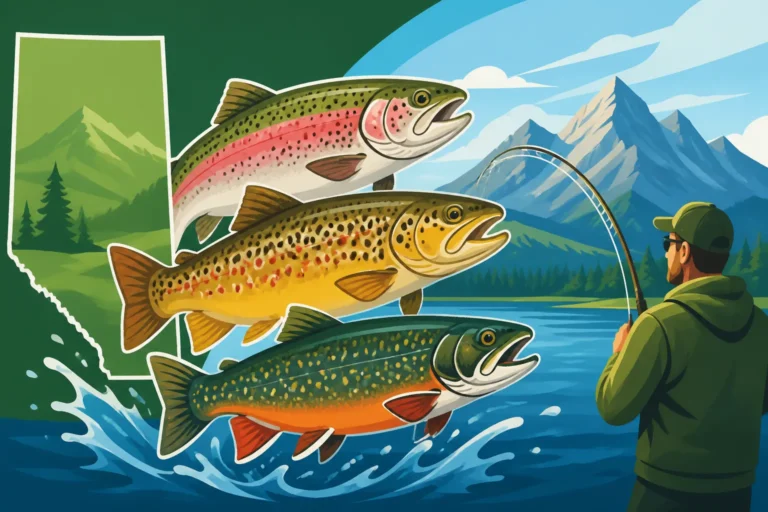
But overfishing was just one piece of the puzzle. As Alberta grew, so did the impacts on their critical habitats. Logging practices often led to increased sedimentation in streams, clogging the clean gravel beds essential for spawning. Road construction, agricultural runoff, and industrial development contributed to habitat fragmentation and water quality degradation. The introduction of non-native fish species, like Brook Trout and Brown Trout, also created competition for food and space, and in some cases, led to hybridization, further threatening the genetic purity of wild Bull Trout. These combined pressures pushed many Bull Trout populations to critically low levels, making the need for strict conservation measures undeniable. This decline isn't just a concern for anglers; it's a stark indicator of broader environmental changes impacting our precious wild ecosystems, a situation explored further in Endangered and Protected Fish Species in Alberta.
Unpacking the Zero Possession Limit: What Does It Really Mean for Anglers?
When the Alberta government implemented the zero possession limit for Bull Trout, it wasn't a decision made lightly. It was a clear, unambiguous message born from scientific necessity: these fish are in trouble, and every single one needs to be given the best possible chance to survive and reproduce.
The "Catch and Release Only" Mandate Explained
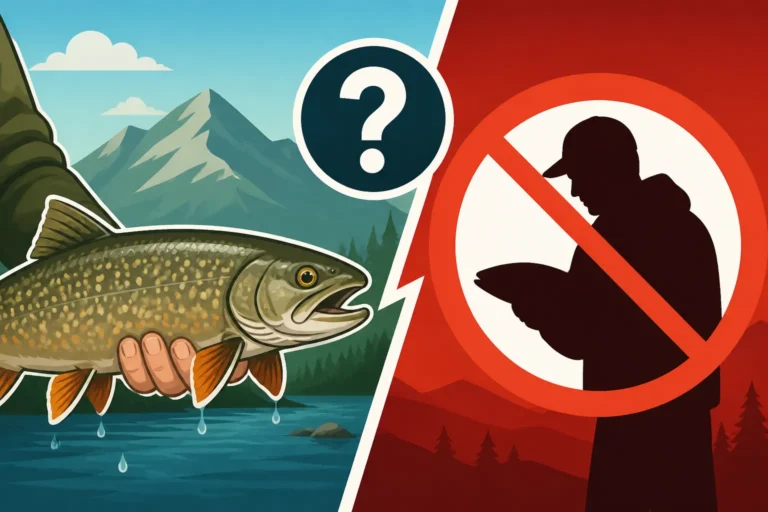
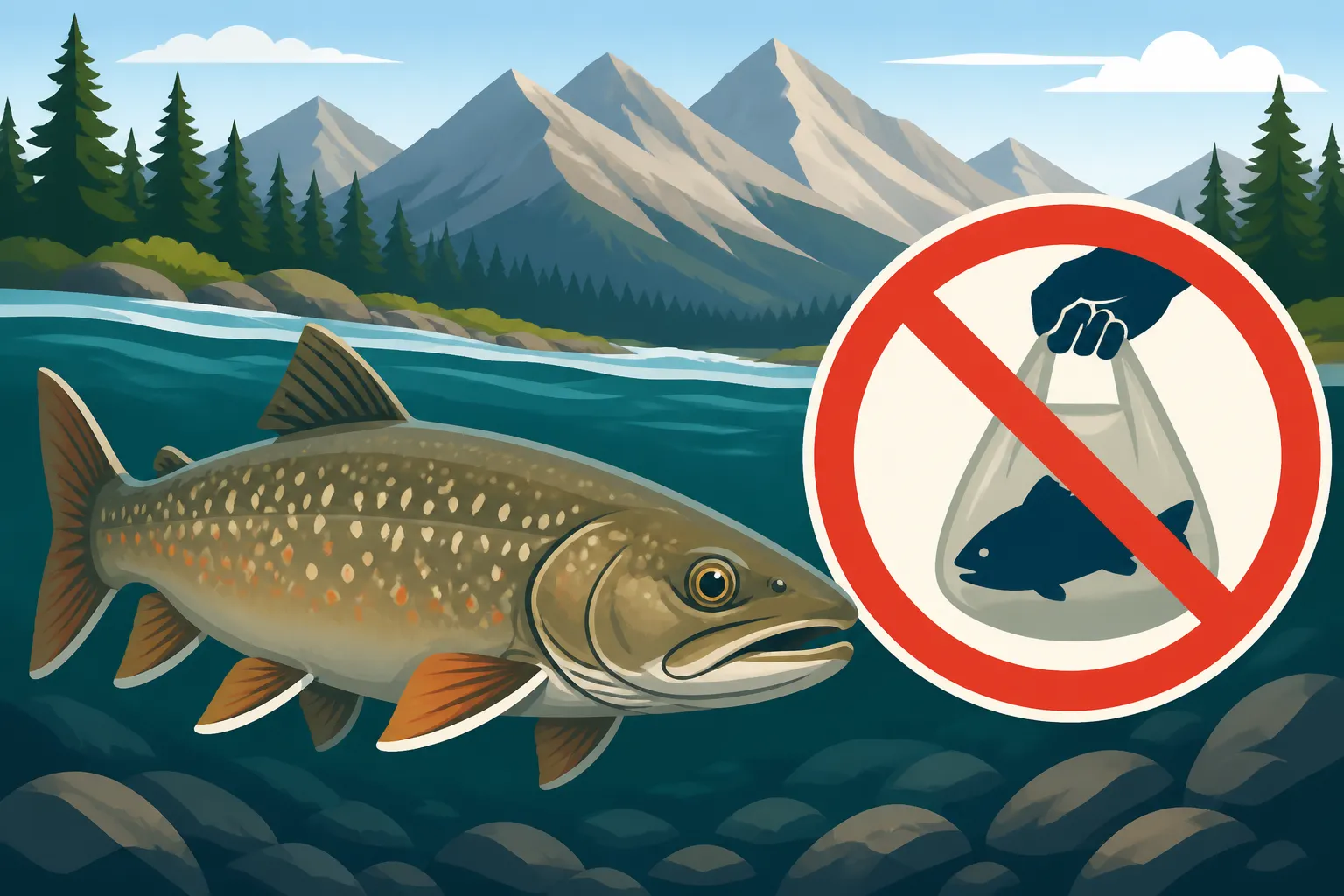
A "zero possession limit" means exactly what it sounds like: you are not allowed to keep a Bull Trout under any circumstances. It doesn't matter if it's big, small, accidentally hooked, or if you think it's dying – the moment you identify it as a Bull Trout, it must be released immediately and with the utmost care. This isn't just a suggestion; it's a legal requirement designed to ensure that every Bull Trout that bites your hook lives to swim another day and, hopefully, contribute to the next generation.
This mandate is fundamental to the recovery strategy for this species. It's a recognition that even limited harvest, or "bag limits," would be detrimental given their precarious numbers. For anglers, this means a shift in mindset. Instead of fishing for dinner, you're fishing for the pure joy of the catch and the privilege of interacting with one of Alberta's most magnificent native fish. It means being prepared with the right tools – like a good pair of hemostats or pliers – that you can easily find on sites like Amazon, to ensure a quick and clean release. Understanding these rules is a key part of Alberta Fishing Regulations Explained.
Why Even One Bull Trout Matters: Ecological Impact
You might think, "What's the harm in keeping just one fish?" For a species like the Bull Trout, the impact of even a single removal is profound. Bull Trout are slow-growing fish; they don't reach maturity for several years. This means it takes a long time for them to become reproductively active. They also don't reproduce as prolifically as some other fish species.
Consider this: a large, mature female Bull Trout represents years of survival against odds and the potential for hundreds, if not thousands, of future offspring. Removing that one fish doesn't just reduce the current population by one; it removes all the potential future generations that fish could have contributed. This cascading effect can cripple already fragile local populations. In some remote, headwater streams, populations might be very small and isolated, making them even more vulnerable to the loss of individuals. The zero possession limit is a safeguard against these compounding losses, recognizing that every Bull Trout is a vital piece of the puzzle for the species' long-term survival. This importance is underlined by the efforts detailed in Bull Trout Recovery Efforts in Alberta.
The Role of Scientific Research and Conservation Efforts
The zero possession limit isn't a random rule; it's a direct outcome of extensive scientific research and ongoing monitoring programs conducted by fisheries biologists. Teams regularly assess Bull Trout populations, track their spawning success, analyze habitat conditions, and identify threats. This data provides a clear picture of where populations are stable, where they are struggling, and what measures are most effective for their recovery.
Conservation efforts extend beyond just fishing regulations. There are ongoing projects focused on habitat restoration, such as stabilizing stream banks, planting riparian vegetation, and removing barriers to fish migration. Efforts are also made to control invasive species and educate the public about the importance of Bull Trout. The zero possession limit works in conjunction with these broader initiatives, forming a comprehensive strategy to give this iconic species a fighting chance. These are complex ecosystems, and managing them requires careful study, much like how specific regulations are set for Alberta Bag and Possession Limits by Species for other fish.
Fishing Responsibly: Best Practices for Bull Trout Waters
If you're going to fish in areas known to hold Bull Trout – and many of Alberta's most beautiful and remote waters do – it's crucial to be a responsible angler. This means not only adhering to the regulations but also adopting practices that ensure the fish you encounter remain healthy after release.
Identifying Bull Trout: Know Your Species
One of the biggest challenges for anglers is accurately identifying Bull Trout, especially since they can sometimes be confused with other trout or char species found in Alberta, particularly Lake Trout or even larger Brook Trout. Mistaking a Bull Trout for another species and inadvertently retaining it could lead to significant penalties, not to mention harming a vulnerable fish.
Here are some key identification features to look for:
- Spots: Bull Trout have pale, often yellow, orange, or reddish spots on a darker background. These spots are larger than the pupil of the eye. Lake Trout, by contrast, tend to have smaller, lighter spots on a darker background, and Brook Trout have worm-like markings (vermiculations) on their backs, along with red and blue spots (halos) on their sides.
- Head Shape: Bull Trout have a distinctively large, broad head with a long, flattened snout. Their mouth extends well past the eye.
- Fin Colouration: Often, the lower fins (pectoral, pelvic, anal) have a white leading edge, without the black outline often seen on Brook Trout.
- Tail Fin: Their tail fin is typically slightly forked.
- Overall Colour: They generally have an olive-green to brown body, sometimes with a purplish sheen, and a white or cream belly.
Always carry a copy of the Alberta Guide to Sportfishing Regulations or use the Alberta Sportfishing Regulations App and Zone Lookup, Explained on your phone if you're unsure. When in doubt, apply catch and release principles to any fish that fits the general description. For a more detailed comparison, check out Trout Species Identification Guide for Alberta.
Minimizing Harm: Catch and Release Techniques
Since a Bull Trout catch means an immediate release, perfecting your catch and release technique is non-negotiable. The goal is to minimize stress and physical harm to the fish, giving it the best chance of survival.
Here are the crucial steps:
- Use Barbless Hooks: This is perhaps the single most important thing you can do. Barbless hooks, or hooks with the barb crimped down, allow for quick and easy removal with minimal tissue damage. In many Bull Trout waters, barbless hooks are legally mandated, so always check the regulations for your specific fishing location. Knowing Which Alberta rivers mandate barbless hooks only is vital.
- Minimize Fight Time: Bring the fish in quickly but gently. Prolonged fights exhaust the fish, reducing its chances of recovery.
- Keep the Fish Wet: Never, ever lay a Bull Trout on dry ground, rocks, or boat surfaces. The protective slime coat can be easily damaged, making the fish vulnerable to disease. If possible, unhook the fish in the water. If you need to bring it close for a photo, keep it submerged as much as possible, only lifting it briefly for the shot.
- Handle Gently: If you must handle the fish, use wet hands. Avoid squeezing or touching the gills and eyes. Support the fish horizontally, ideally with one hand under the belly and the other gently gripping the base of the tail.
- Use Proper Tools: A good pair of long-nosed pliers or hemostats is invaluable for quickly and safely removing hooks, especially if they are deeply set. You can find excellent options on Amazon. A knotless rubberized landing net is also a fantastic tool; it supports the fish's body and doesn't damage its fins or slime coat like traditional knotted nets.
- Revive the Fish: Once unhooked, hold the fish gently in the water, facing upstream into the current. If the current is weak, gently move the fish back and forth to help push water over its gills. Only release it when it can hold itself upright and swims away strongly.
Practicing these techniques not only helps Bull Trout but also contributes to the overall health of all fish populations you encounter, reinforcing the principles of How to Catch Bull Trout and Release Them Safely.
Reporting Encounters and Protecting Habitats
Being a responsible angler extends beyond just catch and release. You are an extra set of eyes and ears on the water, and your observations can be incredibly valuable to conservation efforts.
If you witness any suspicious activity that could harm Bull Trout or their habitat – such as illegal netting, snagging, or someone attempting to keep a Bull Trout – it's crucial to report it to the Report A Poacher line. These reports are confidential and play a vital role in protecting vulnerable fish populations.
Beyond enforcement, simply being mindful of your impact on the environment around you is key. Pack out all your trash, avoid disturbing stream banks, and adhere to any access restrictions in sensitive areas. Bull Trout rely on pristine environments, so maintaining the health of the entire watershed, not just the water itself, is a collective responsibility. Even something as simple as choosing eco-friendly fishing line or lures (which you can often research on Amazon) can make a difference. These small acts collectively safeguard the future of Bull Trout in Alberta's wilderness.
Looking Ahead: The Future of Bull Trout in Alberta
The plight of the Bull Trout is a stark reminder of how interconnected our actions are with the health of the natural world. However, the story isn't one of despair, but one of ongoing dedication and cautious optimism thanks to the efforts of conservationists and responsible anglers alike.
Hope for Recovery: Signs of Improvement
While Bull Trout populations still face significant challenges, there are encouraging signs of recovery in certain watersheds across Alberta. Years of dedicated conservation work, including habitat restoration projects, improved land management practices, and strict fishing regulations like the zero possession limit, are beginning to show positive results. In some areas, biologists are observing increases in spawning numbers and better survival rates for juvenile fish.
These improvements are often slow and incremental, requiring sustained effort and patience. The recovery of a sensitive, slow-growing species like the Bull Trout isn't a quick fix; it's a marathon, not a sprint. However, these glimmers of hope demonstrate that when we commit to conservation, when we respect the needs of the environment, and when anglers embrace their role as stewards, nature can begin to heal. The fact that we are seeing these signs is a testament to the effectiveness of the zero possession rule and the broader conservation strategies that are actively being pursued.
The Angler's Ongoing Role in Conservation
Ultimately, the future of Alberta's Bull Trout rests largely in our hands, the angling community. We have a unique connection to these fish and their habitats, and with that connection comes a profound responsibility. Continuing to adhere strictly to the zero possession limit, employing best practices for catch and release, and actively promoting responsible angling among our peers are crucial contributions.
Beyond the regulations, it’s about fostering a culture of conservation. It means educating ourselves and others about why these rules exist, understanding the ecological significance of Bull Trout, and advocating for policies that protect their precious cold-water habitats. It's about taking pride in the fact that we share our wild spaces with such magnificent creatures and doing everything we can to ensure they thrive for generations to come. By doing so, we not only protect the Bull Trout but also preserve the wild, pristine angling experiences that make Alberta so special. This collective stewardship ensures that the legacy of this incredible native fish endures in the beautiful waters of our province.
Bull Trout vs. Similar Species Identification Guide
To help you distinguish Bull Trout from other species you might encounter in Alberta, here's a quick comparison of key identification features. Remember, if you're ever unsure, practice catch and release!
| Feature | Bull Trout (Salvelinus confluentus) | Lake Trout (Salvelinus namaycush) | Brook Trout (Salvelinus fontinalis) |
|---|---|---|---|
| Native Status | Native to Western North America | Native to Northern North America | Introduced to Alberta |
| Spotting | Pale spots (yellow/orange/red) on a darker body; spots usually larger than eye pupil. | White/grey spots on a darker body; spots generally smaller than eye pupil. | Red spots with blue halos, and pale worm-like markings (vermiculations) on back/dorsal fin. |
| Head Shape | Large, broad, flattened head; mouth extends past eye. | Large head, but typically less blunt; mouth extends past eye. | Smaller head; mouth usually does not extend past eye. |
| Tail Fin | Slightly forked | Deeply forked | Square or slightly forked |
| Lower Fins | White leading edge, no black line | White leading edge, no black line | White leading edge with a distinct black line behind it. |
| Overall Colour | Olive-green to brown back, silvery sides, white belly. | Dark grey to green back, paler sides, white belly. | Olive-green back, often with mottled pattern, red/orange belly in spawning males. |
| Preferred Habitat | Very cold, clear mountain streams and lakes. | Deep, cold, oxygenated lakes and large rivers. | Cold, clear streams, ponds, and small lakes. |
Disclaimer
This article is for general informational purposes only and does not constitute professional advice. Laws, prices and regulations vary by location and change over time. Consult a qualified professional for guidance on your specific situation.