When walleye spawn in Alberta
Understanding when walleye spawn in Alberta can feel like trying to crack a secret code, with water temperatures, daylight, and specific lake conditions all playing a part. It's a critical time for the fish, directly impacting their populations, and it profoundly influences how and when we can fish for them. This guide will take you through the precise timing of the walleye spawn in Alberta, what triggers it, and how this vital period shapes their behavior, helping you become a more knowledgeable and respectful angler.
The Walleye Spawning Cycle in Alberta: Timing and Conditions
Walleye are one of Alberta's most sought-after game fish, known for their delicious fillets and feisty fights. But before we can enjoy catching them, we need to appreciate the natural cycle that ensures their future: the spawn. This isn't just a single day event; it's a window of time dictated by environmental cues.
When Walleye Typically Spawn
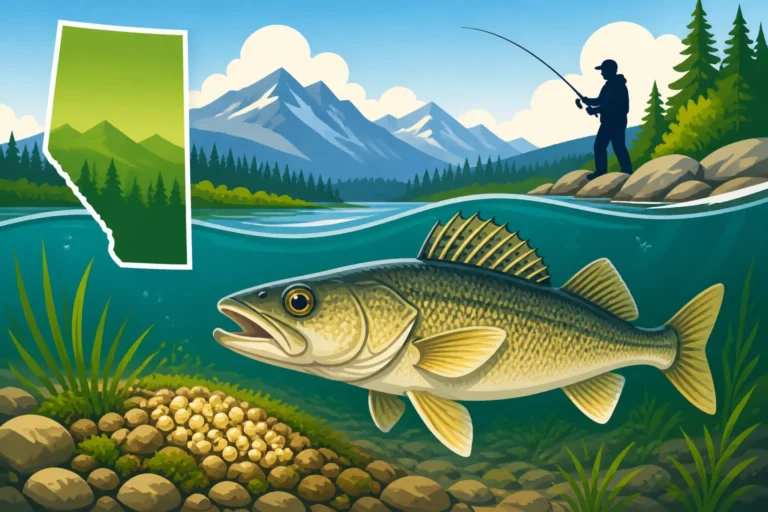
Generally speaking, walleye in Alberta kick off their spawning activities in the early spring, as soon as the ice leaves the lakes and rivers. This usually means sometime between late April and mid-May, though it can certainly stretch into early June in colder, more northern waters or during particularly late springs. It’s not a calendar date they adhere to; it’s all about the water. They are incredibly sensitive to temperature changes, and this is the primary trigger.
Imagine the ice slowly receding from Lesser Slave Lake or the northern reaches of Lake Athabasca. As the sun warms the shallow bays, that's when the walleye begin to stage. They've been relatively dormant under the ice, conserving energy, and now their biological clock is screaming "time to reproduce!" This precise timing can vary by a week or two, sometimes even more, from year to year, depending on how quickly spring arrives and melts the ice. A quick spring thaw will bring an earlier spawn, while a prolonged cold spell will push it back. This is why paying attention to local conditions rather than just a fixed date is so important. For more comprehensive insights into the annual rhythms, you might want to check out Alberta Fishing Season Dates by Zone.
Key Water Temperature Triggers
The most crucial factor in the walleye spawn is water temperature. Walleye are what we call "cool-water species," and they have a very specific temperature range that gets them in the mood to spawn. They typically begin to move into their spawning grounds when water temperatures hit around 4-6°C (39-43°F). The actual spawning activity, where eggs and milt are released, usually peaks when the water warms up to about 6-9°C (43-48°F).
Anything below or above this ideal range will delay or potentially disrupt the spawn. If the water warms too quickly, they might spawn earlier than usual. If there’s a sudden cold snap after the ice-out, they might hold off for a bit, waiting for conditions to stabilize. This sensitivity to water temperature also means that shallower, darker-bottomed lakes will often see an earlier spawn than deeper, colder bodies of water. You can find some excellent digital water thermometers on Amazon to help you keep track of these crucial temperatures in your favorite fishing spots. Knowing What water temperature walleye prefer extends beyond just the spawn and can be helpful year-round.
Ideal Spawning Habitats
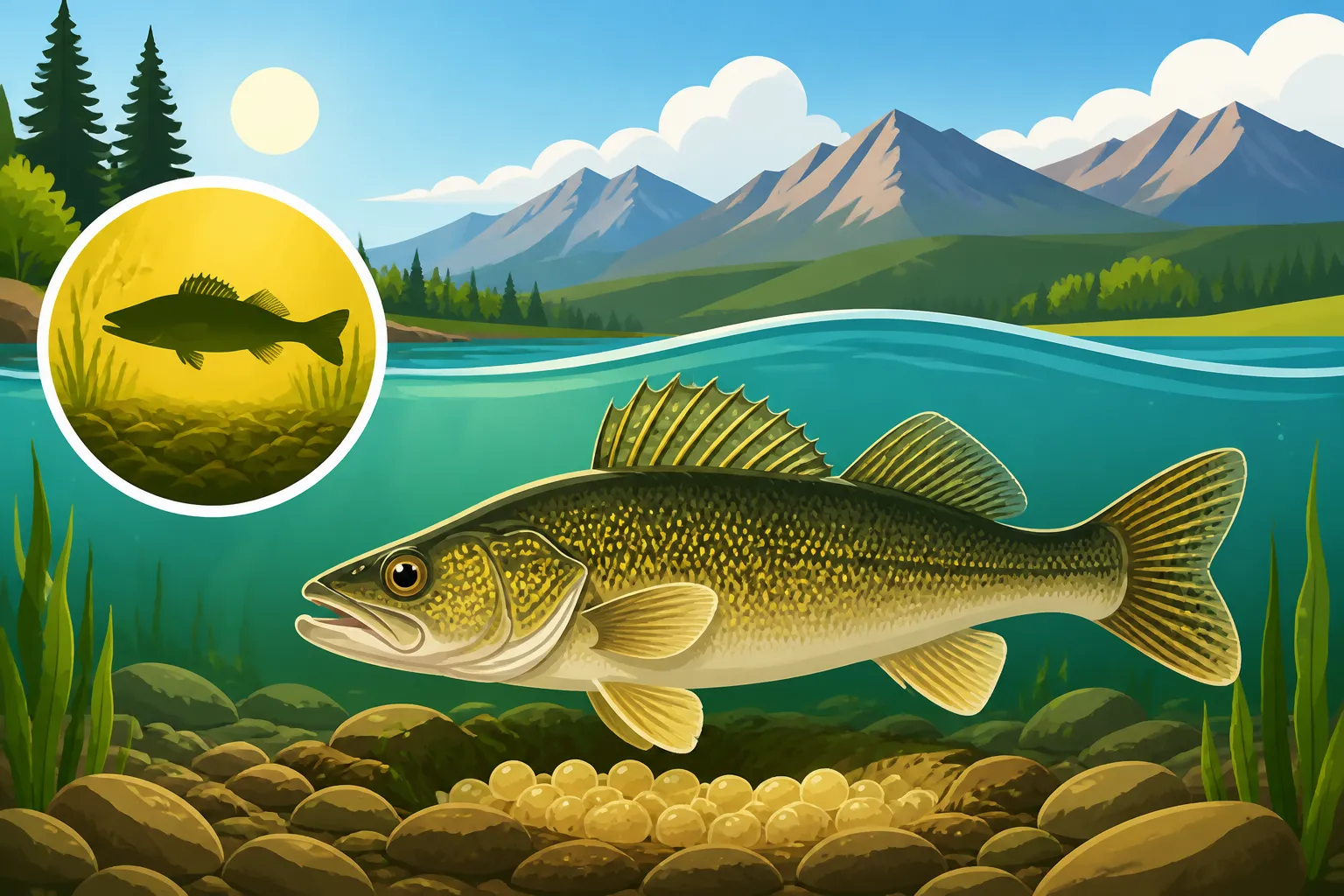
Walleye don't just spawn anywhere. They have very particular preferences for their nurseries. They are typically broadcast spawners, meaning they don't build nests or guard their eggs. Instead, the females release their eggs, and males release their milt, fertilizing them in the water column. For this method to be successful, they need specific habitats:
- Shallow, Rocky Shoals: These are prime real estate. The rocks, gravel, and rubble provide ideal surfaces for the sticky walleye eggs to adhere to. This prevents them from being washed away or settling into oxygen-deprived mud. The shallower water also warms up faster and has better oxygenation.
- Moving Water: In rivers like the North Saskatchewan or the Red Deer, walleye will migrate upstream to areas with current, often around rapids, riffles, or rocky bottom stretches. The current helps keep the eggs oxygenated and prevents silt from settling on them.
- Wind-Swept Shorelines: In large lakes, wind action can create natural current and wave action on certain shorelines, which can mimic riverine conditions and provide the necessary oxygenation and egg dispersal.
These areas are usually free of dense vegetation, as decaying plant matter can deplete oxygen crucial for egg development. They also prefer areas away from heavy predation, although many fish species will actively predate on walleye eggs if given the chance.
Pre-Spawn and Post-Spawn: How Walleye Behavior Changes
The walleye spawn isn't just a brief biological event; it's a distinct phase in their annual cycle that profoundly impacts their behavior, their location, and, of course, their susceptibility to being caught. As anglers, understanding these shifts is key to success.
Pre-Spawn Walleye Behavior
Before the actual spawning begins, walleye undergo a critical pre-spawn phase. This period is often considered one of the best times for anglers to target larger fish. Why? Because the walleye are actively feeding to build up energy reserves for the strenuous act of spawning. Think of it like athletes carb-loading before a big race.
As the water temperatures creep up from just above freezing to the lower end of their spawning range (around 4-6°C), walleye will begin to move from their deeper wintering grounds towards the shallower spawning areas. They'll often stage in nearby drop-offs, channel edges, or even slightly deeper bays adjacent to the eventual spawning grounds. During this time, they are hungry and aggressive. They need to pack on the calories, so they're often willing to chase down bait. This is a fantastic time to use larger baits and lures that imitate minnows or perch. What walleye eat in Alberta lakes can give you an idea of their preferred forage during this crucial period. You might find some excellent lipless crankbaits or swimbaits for this stage on Amazon.
Post-Spawn Walleye Behavior
Once the spawning act is complete, walleye enter the post-spawn phase, and their behavior shifts dramatically. Initially, they are often exhausted and lethargic. Females, especially, are completely spent, having expended a tremendous amount of energy producing and releasing tens of thousands of eggs. They need to recover.
Immediately after spawning, walleye will typically retreat from the shallow, exposed spawning grounds to slightly deeper, but still accessible, areas where they can rest and begin to feed again, albeit less aggressively at first. These recovery zones might be adjacent drop-offs, submerged humps, or the deeper edges of weed lines. As water temperatures continue to rise, they'll gradually become more active. They'll also move to more typical summer feeding patterns and structures as the season progresses. Fishing immediately after the spawn can be tough because the fish aren't as willing to bite. However, as they regain their strength, they'll start feeding again, though perhaps not with the same frantic energy as the pre-spawn. This is when finesse techniques and more subtle presentations often become more effective. Learning How to Catch Walleye in Alberta involves understanding these seasonal shifts.
Impact on Fishing Success
The distinct behavioral changes during pre-spawn and post-spawn mean that your fishing strategies need to adapt.
| Phase | Water Temp Range (approx.) | Walleye Activity | Preferred Location | Fishing Strategy |
|---|---|---|---|---|
| Pre-Spawn | 4-6°C (39-43°F) | High, Aggressive | Staging areas near spawning grounds (drop-offs, channels) | Larger, aggressive baits; slow retrieves; targeting structure |
| Spawn | 6-9°C (43-48°F) | Moderate/Low | Spawning grounds (rocky shoals, current areas) | Avoid fishing directly on spawning beds; focus on staging areas if allowed |
| Post-Spawn | 9°C+ (48°F+) | Low, then increasing | Recovery zones (deeper edges, humps, new weed lines) | Finesse techniques; smaller baits; slower presentations; target recovery areas |
Anglers often look forward to the pre-spawn bite, but it’s crucial to be mindful of regulations during the actual spawning period, which we'll discuss next. Fishing ethics dictate giving the fish space when they're most vulnerable.
Navigating the Walleye Spawn: Regulations, Ethics, and Fishing Tips
Fishing during and immediately after the walleye spawn requires a careful approach, balancing the desire to catch fish with the responsibility to protect the future of the fishery. Alberta has regulations in place specifically for this reason, and ethical considerations are paramount.
Alberta's Fishing Regulations During the Spawn
Alberta Environment and Protected Areas (AEPA) implements specific regulations to protect walleye during their vulnerable spawning period. It's not uncommon for certain lakes or sections of rivers, particularly those known as critical walleye spawning grounds, to have closed seasons or specific restrictions during the spring months. These closures typically align with the expected spawn timing to give the fish a chance to reproduce undisturbed.
For instance, many of Alberta's popular walleye lakes might have specific "walleye closure" dates in spring, which means you cannot actively fish for or retain walleye during that window, even if other species might be open. It's your responsibility to know these rules for the specific body of water you intend to fish. Always consult the current Alberta Fishing Regulations Explained guide or the MyWildAlberta app before heading out. Ignoring these regulations can lead to significant penalties, including fines for Fishing Without a License in Alberta: Penalties if you're found breaking other rules. Pay close attention to the Alberta Walleye Limit by Zone as well, as these limits can change and are often zero during the spawn.
Ethical Angling During Spawning Season
Beyond the letter of the law, there's the spirit of ethical angling. Even in areas where fishing might technically be permitted, many conscientious anglers choose to avoid targeting walleye directly on their spawning beds. Why?
- Stress on Spawners: Catching actively spawning fish puts immense stress on them, potentially disrupting the spawning process and reducing their reproductive success. Females, especially, are gravid with eggs, and fighting them can cause injury or premature egg release.
- Future of the Fishery: A successful spawn is vital for maintaining healthy walleye populations. By giving them space during this critical time, you're directly contributing to better fishing in the years to come.
- Vulnerability: Walleye on spawning beds are often concentrated and can be relatively easy to catch. While this might seem appealing, it's precisely why a break is often needed.
If you do find yourself fishing near known spawning areas, consider catch-and-release only, use barbless hooks, and handle fish minimally and quickly. Focus your efforts on adjacent, non-spawning areas where pre-spawn or post-spawn fish might be staging or recovering.
Fishing Tips Around the Spawn
While direct spawning activity is often protected, you can still enjoy some fantastic walleye fishing just before and after the main event.
- Pre-Spawn Prowess: As mentioned, this is prime time. Walleye are hungry. Focus on areas leading into spawning grounds: points, current breaks, channel edges, and drop-offs. Use larger profile lures like crankbaits, swimbaits, or even larger jigs tipped with soft plastics or minnows. Slow your retrieve down as the water is still cold. Many anglers will purchase their go-to pre-spawn lures from Amazon in preparation for this window.
- Post-Spawn Recovery: After the spawn, patience is key. Walleye need to rest. Look for them in slightly deeper water than the spawning grounds, but still relatively shallow compared to mid-summer. Think subtle structure: subtle humps, transition lines where rock meets mud, or the deeper edges of newly developing weed lines. Finesse techniques shine here: smaller jigs with live bait (minnows or leeches), slow-trolled bottom bouncers with Best Baits for Walleye on Lesser Slave Lake, or even slip bobber presentations can be effective.
- Water Temperature Tracking: An underwater thermometer is your best friend. Knowing the exact water temperature will help you pinpoint when walleye are likely to be staging or spawning. Finding a reliable model on Amazon can make a huge difference in predicting fish behavior.
Remember, the goal is always sustainable angling. Respect the spawn, and the walleye will be there for seasons to come.
Environmental Influences on Walleye Spawning Success
The walleye spawn isn't just about the calendar or a narrow temperature window; it's a complex interplay of natural factors. Understanding these environmental influences can give us a deeper appreciation for the resilience of these fish and why certain years might produce stronger year classes than others.
Water Levels and Flow Rates
One of the most significant environmental factors influencing the walleye spawn, particularly in river systems or lakes fed by major rivers, is water levels and flow rates.
- High Water/Fast Flow: If spring brings heavy snowmelt or significant rainfall, rivers can swell and flow much faster than usual. While some current is beneficial for egg oxygenation, excessively high and fast water can be detrimental. It can wash eggs away from optimal spawning substrates, scour them with silt, or make it difficult for fish to hold position on their preferred spawning grounds. High, turbid water can also reduce light penetration, which might affect fry development.
- Low Water/Slow Flow: Conversely, unusually low water levels can expose traditional spawning grounds, leaving eggs and even spawning fish stranded. Slow flow might lead to poor oxygenation of eggs, especially if silt settles on them. In lakes, low water levels can mean that prime rocky shoals are too shallow, forcing walleye to spawn in less ideal locations.
Variations in water levels can also influence access to spawning sites. If a tributary stream is usually a significant spawning ground, but low water restricts fish from entering it, the spawn for that population could be impacted.
Weather Patterns and Cold Fronts
Walleye, like most fish, are incredibly sensitive to changes in weather, and the spring spawn is no exception. A stable, gradual warming trend is ideal for a successful spawn.
- Stable Warming: Consistent warm days slowly increasing water temperatures to the ideal range allow walleye to move into spawning areas, complete their rituals, and deposit eggs without major interruptions.
- Sudden Cold Fronts: A rapid drop in air temperature, especially if accompanied by strong winds, can quickly cool shallow water. If this happens during the peak of the spawn, it can cause walleye to cease spawning activity temporarily, forcing them to retreat to deeper water. While they might resume when temperatures stabilize, these interruptions can prolong the spawning period and potentially reduce overall success. Cold Front Fishing Tactics for Alberta Walleye might be more about fishing, but it highlights just how much these conditions can affect their behavior.
- Wind and Waves: Strong winds can create beneficial wave action that oxygenates eggs on rocky shoals. However, excessively violent winds can also churn up sediment, decreasing water clarity and potentially smothering eggs.
These weather-related disturbances don't just impact the fish; they can also affect egg survival rates, which in turn influences the strength of the new year class of walleye.
Predation and Habitat Loss
Even after successful fertilization, walleye eggs face numerous threats. Predation is a natural part of the ecosystem, with many fish species, aquatic insects, and even waterfowl feasting on walleye eggs. A strong, quick spawn in ideal conditions can somewhat overwhelm predators, allowing a greater percentage of eggs to survive.
However, the bigger concern for long-term spawning success is habitat loss or degradation.
- Siltation: Runoff from agricultural land, construction sites, or shoreline development can introduce fine sediments (silt) into walleye spawning areas. Silt smothers eggs, preventing them from developing and hatching.
- Pollution: Chemical pollutants, whether from industrial discharge or agricultural runoff, can be toxic to eggs and newly hatched fry, leading to deformities or death.
- Shoreline Development: Removing natural vegetation, hardening shorelines with rip-rap, or building structures can alter natural currents and destroy the rocky, gravelly bottom essential for walleye spawning.
Organizations like Alberta Fish and Game and the AEPA actively work to protect and restore critical walleye habitats. Programs like the Alberta Walleye Special Harvest Licence Program are often designed with population recovery and sustainable management in mind, recognizing the importance of protecting the entire life cycle, including successful spawning. Understanding these factors underscores the importance of our conservation efforts and choosing sustainable angling practices.
Disclaimer
This article is for general informational purposes only and does not constitute professional advice. Laws, prices and regulations vary by location and change over time. Consult a qualified professional for guidance on your specific situation.