Sauger Identification and Habits
It's incredibly frustrating when you're out on the water, you've landed a beautiful fish, and then you're hit with that moment of doubt: "Is this a walleye, or is it a sauger?" The two are so similar in appearance that it's a common struggle for even seasoned Alberta anglers. Not knowing the difference can lead to inadvertently breaking regulations, which is the last thing any of us want. This guide is going to walk you through everything you need to know about sauger in Alberta, from their distinctive physical traits and where they like to hang out, to how you can tell them apart from their walleye cousins, ensuring you can confidently identify your catch every time.
Sauger vs. Walleye: The Age-Old Confusion
For many anglers in Alberta, the sauger and walleye are often mistaken for one another, and it's not hard to see why. They're both part of the perch family, they share similar body shapes, and they often inhabit the same waters. This close resemblance isn't just a minor detail; it can have significant implications for your fishing trip, especially when it comes to adhering to provincial regulations. Understanding the nuances that set them apart is key to responsible and enjoyable fishing.
Why the Mix-Up Happens
The primary reason for the persistent confusion between sauger and walleye stems from their evolutionary relationship and shared ecological niches. Both species possess an elongated body, similar golden-brown to olive coloration, and large, opaque eyes that are highly adapted for low-light conditions. When you're out on a murky river or a dimly lit lake, perhaps early in the morning or late in the evening, these subtle differences become even harder to discern. Adding to the challenge is the fact that sauger and walleye can sometimes hybridize, creating "saugeye" that exhibit characteristics of both parents, making identification even more complex. However, saugeye are much rarer in Alberta than pure sauger or walleye, so focusing on the distinct features of the two main species is usually sufficient for practical purposes.
Immediate Visual Cues for Differentiation
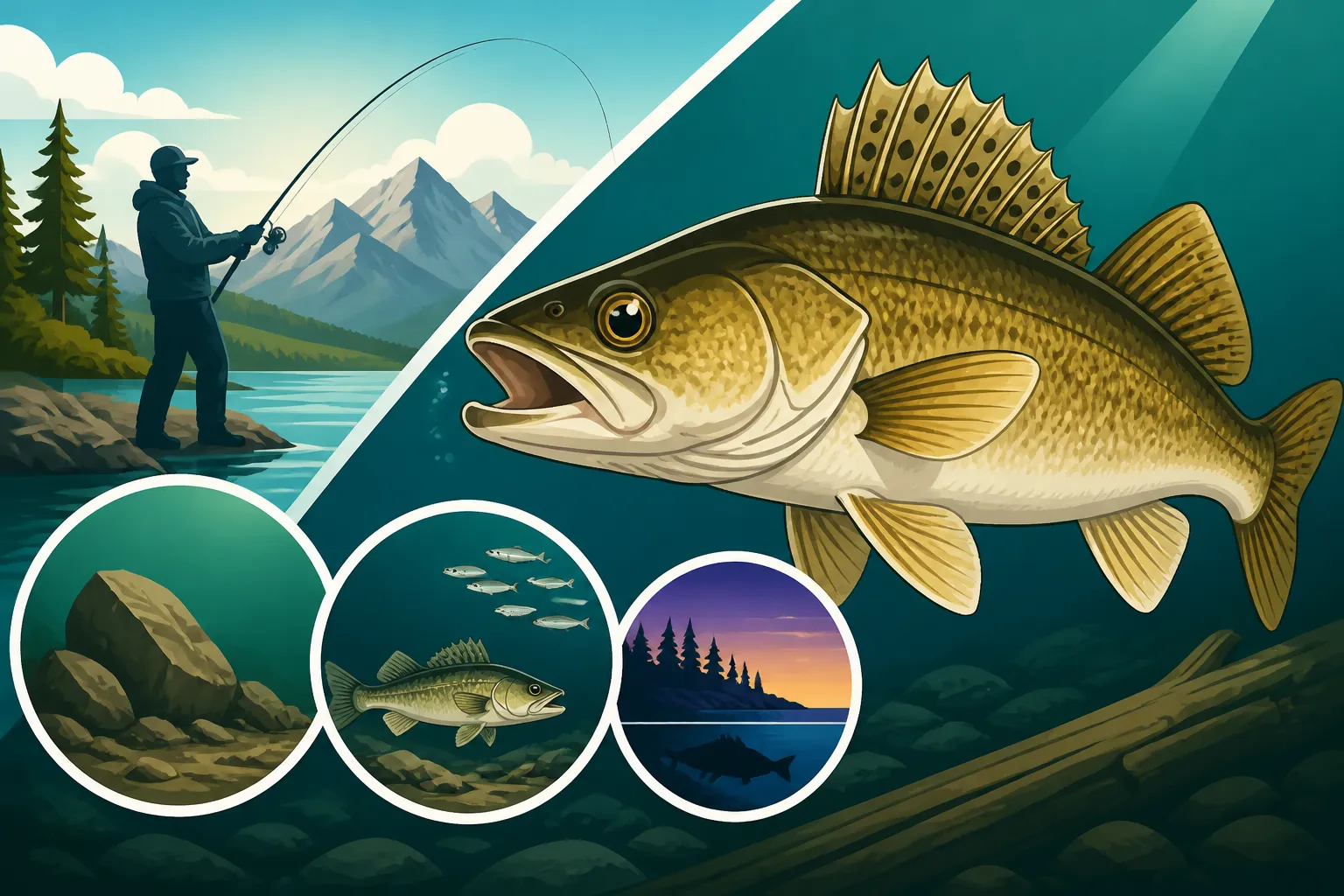
While they look alike at first glance, there are distinct visual cues that, once you know them, make telling a sauger from a walleye much easier. The most reliable identifiers are found on their fins, particularly the dorsal fin. A sauger will have distinct, dark spots arranged in rows on its spiny dorsal fin, creating a mottled or barred appearance. In contrast, a walleye’s spiny dorsal fin is generally uniform in color, or it might have a single dark blotch near the base of the last few spines, but it won't have those clear, organized rows of spots. Another key difference is the tail fin: a walleye will almost always have a prominent white tip on the lower lobe of its caudal (tail) fin, a feature that is typically absent or much less pronounced in sauger. If you're struggling, a quick search on your phone for a visual guide like How to Tell a Walleye From a Sauger can really help clarify things in the moment.
Consequences of Misidentification
Mistaking a sauger for a walleye, or vice-versa, isn't just about showing off your fish ID skills; it can actually lead to serious legal repercussions. Alberta's fishing regulations often have different bag and possession limits for various species, and sometimes even for different bodies of water. For example, some zones might have a more restrictive limit on walleye to protect recovering populations, while sauger limits might be more generous, or vice versa. If you mistakenly keep a sauger when the walleye limit is lower, or vice-versa, you could be cited for exceeding the legal limit for that specific species, leading to fines and potential loss of fishing privileges. Always double-check the current Alberta Bag and Possession Limits by Species for the zone you're fishing in to ensure you're compliant. It’s always better to be absolutely sure than to risk a penalty.
Unpacking the Physical Traits of an Alberta Sauger
Once you get past the initial "walleye look-alike" impression, sauger have a suite of physical characteristics that make them truly unique. Taking a moment to examine these features closely will solidify your ability to identify them accurately and appreciate their distinct beauty. It’s these details that truly separate them.
Distinguishing Dorsal Fin Markings
Let's really zoom in on that spiny dorsal fin, because it’s the sauger’s most reliable tattoo. Unlike the walleye's often clear or vaguely blotchy dorsal fin, the sauger proudly displays several distinct rows of dark spots that form clear bands across its spiny first dorsal fin. Imagine a series of small, irregular smudges or dots, systematically arranged from the front to the back of the fin. This mottled pattern is so consistent that it’s usually the first thing an experienced angler looks for when differentiating between the two species. Even if the fish is a little discolored from the water, or the light isn't perfect, these spots tend to stand out. When you're out there, bring a good pair of polarized sunglasses (you can find great options on Amazon) to help cut the glare and see those crucial markings more clearly, even when the fish is still in the water or just barely out.
Body Shape, Coloration, and Speckling
Beyond the fins, the sauger's body itself offers clues. While sharing the general elongated shape of a walleye, sauger tend to be a bit more slender and cylindrical, often described as having a "torpedo-like" build. Their overall coloration can range from golden-brown to a brassy olive, frequently with distinct dark blotches or saddle-like markings along their sides that extend down their flanks. These markings, which are less common or pronounced on walleye, contribute to their camouflaged appearance in turbid or deeper waters. In addition to these larger blotches, sauger often have a more speckled appearance across their entire body, like tiny dark pinpricks scattered over their scales, adding to their distinct look. This pattern helps them blend in with the rocky or gravelly bottoms they often inhabit.
Mouth and Eye Features
Another subtle but helpful distinction can be found around the mouth and eyes. Sauger typically have a larger, more prominent mouth relative to their head size compared to a walleye, although this can be subjective and vary by individual fish. More reliably, look at the scales on the cheeks. Walleye usually have scales only on the upper portion of their cheeks, leaving the lower part bare. Sauger, however, often have scales extending over their entire cheek area, right down to the preopercle (the bone in front of the gill cover). As for their eyes, both species possess large, light-sensitive eyes that contribute to their excellent low-light vision, giving them that characteristic "glassy" or "walleye" look. While there isn't a significant difference in the eyes themselves to distinguish the species, their placement and overall head profile can offer additional, albeit more subtle, cues for the keen observer.
Sauger Habitat and Behaviors in Alberta Waters
Sauger are well-adapted to specific aquatic environments, and understanding where they prefer to live and how they behave can greatly improve your chances of finding them. While they share some habitat preferences with walleye, sauger often gravitate towards slightly different niches within Alberta's diverse waterways. Knowing their hangouts is half the battle.
Preferred River and Lake Environments
In Alberta, sauger primarily inhabit larger, turbid rivers and sprawling lakes, often preferring waters with slow to moderate currents and considerable murkiness. Unlike walleye, which can be found in a wider range of clear and turbid waters, sauger seem to thrive in conditions where visibility is reduced. This adaptation allows them to leverage their superior low-light vision to ambush prey, giving them an advantage over more sight-dependent predators. You'll often find them lurking near the bottom in deeper pools, along current breaks, or in areas with gravelly, sandy, or silty substrates. Think of rivers like the Peace, Athabasca, or North Saskatchewan, where the water often carries a sediment load. In lakes, they'll favor deeper sections, particularly those with significant inflows from rivers, which tend to be more turbid. Consider Where sauger are found in Alberta specifically when planning your trip.
Diet and Foraging Habits
Sauger are opportunistic predators, much like their walleye relatives, but their diet reflects their preferred habitats. They primarily feed on smaller fish, particularly baitfish species that inhabit the same turbid environments. Common prey includes minnows, shiners, young suckers, and sometimes even small perch or walleye fry. In addition to fish, they will also consume aquatic insects, crayfish, and leeches, especially when fish prey is scarce. Sauger are most active during low-light periods – dawn, dusk, and even throughout the night – using their keen eyesight to hunt. They typically stay close to the bottom, ambushing prey that strays too close to their cover. Their foraging strategy is often less about open-water pursuit and more about position and stealth in their preferred murky environments.
Seasonal Movements and Activity
Like many fish species, sauger exhibit seasonal movements influenced by spawning, water temperature, and food availability. In the spring, as ice breaks up and water temperatures begin to rise, sauger will migrate upstream in rivers or into shallower, warmer bays in lakes to prepare for spawning. After spawning, they disperse into their summer feeding grounds, which typically means deeper areas of rivers or lakes during the warmest months. During this time, they might move to different structures or depths depending on the time of day, often venturing shallower at night to feed. As autumn approaches and water temperatures cool, sauger become more active, feeding heavily to build up fat reserves for the winter. During winter, they remain active under the ice, often found in deeper main lake basins or river channels, continuing to feed, albeit at a slower pace.
Sauger Spawning: A Crucial Life Cycle Event
The annual spawning ritual is a critical period for sauger, ensuring the continuation of their populations in Alberta's waterways. Understanding this event provides insight into their biology and helps explain why they might be found in certain areas at specific times of the year. It's a testament to the resilience of these fish.
Timing and Conditions for Spawning
Sauger typically spawn in the spring, shortly after ice-out, when water temperatures reach a range of approximately 4-10 degrees Celsius (around 39-50 degrees Fahrenheit). The exact timing can vary slightly depending on the specific body of water and the progression of spring weather, but it generally occurs from late April through May in Alberta. Unlike some species that require very specific substrates or vegetation, sauger are broadcast spawners. This means the females release their eggs into the water column, and males simultaneously release milt, with fertilization occurring as the eggs drift down to settle on the bottom. They don't build elaborate nests or provide parental care, relying on the sheer number of eggs and natural conditions for survival. For comparison, you can look at Walleye Spawning Season in Alberta, and you'll find similarities but also subtle differences in preferred conditions and locations.
Spawning Locations and Rituals
When it comes to spawning locations, sauger generally prefer areas in rivers and large lakes that offer a combination of moderate current and suitable substrate. In rivers, they'll often migrate upstream to shallower, gravelly riffles, rocky shoals, or sandbars where the eggs can settle and receive adequate oxygenation from the flowing water. In lakes, they seek out wave-washed shoals, gravelly points, or areas near river inflows where similar conditions exist. The spawning itself is not an elaborate ritual; it's more of a mass event where groups of males and females gather. Females release tens of thousands of sticky eggs, which adhere to rocks, gravel, or other bottom structures, while males fertilize them. There's no guarding of the eggs or fry afterward; the adults simply disperse back to their feeding grounds.
Early Life Stages and Nursery Habitats
Once fertilized, sauger eggs typically hatch within two to three weeks, depending on water temperature. The newly hatched fry are tiny and planktonic, meaning they drift freely in the water column, often carried downstream by currents in river systems or dispersed by wave action in lakes. During this vulnerable early stage, they feed on microscopic organisms. As they grow, they begin to seek out sheltered nursery habitats, which often include shallow, vegetated areas, backwaters, or slow-moving side channels with abundant food and cover from predators. These areas provide crucial protection and a rich food source for the rapidly growing young sauger. Survival rates are naturally low during these early stages, with environmental factors like fluctuating water levels, predation, and food availability playing significant roles in recruitment success.
Conservation and Management of Alberta's Sauger Populations
Like all native fish species, sauger play an important role in Alberta's aquatic ecosystems. Ensuring their long-term health requires careful management and conscious effort from anglers. It's not just about catching fish; it's about sustaining a natural resource for future generations.
Current Population Status and Challenges
While sauger populations in some areas of Alberta are stable, others face challenges. Factors such as habitat degradation, alteration of river flows, pollution, and overfishing can all impact sauger numbers. Their preference for turbid riverine environments means they are particularly sensitive to changes in water quality and sediment loads. Maintaining healthy sauger populations is crucial not only for the species itself but also for the broader ecosystem, as they are part of the complex food web. Continuous monitoring and research are essential to accurately assess their status and identify specific threats. Efforts by Alberta Environment and Protected Areas help track these populations, providing data that informs management decisions.
Regulatory Measures and Bag Limits
To manage sauger populations effectively, Alberta implements specific fishing regulations, including bag and possession limits. These limits are designed to prevent overharvesting and allow fish populations to remain healthy and reproduce successfully. It's not uncommon to find that sauger may have different limits than walleye in the same water body, or that specific zones have unique rules. For instance, a river might have a higher limit for sauger than for walleye, or certain stretches might be designated catch-and-release only for sauger. It is absolutely vital for every angler to consult the current Alberta Fishing Regulations Explained before heading out. This guide, available online and at many fishing license vendors, provides the most up-to-date and specific rules for every water body and zone in the province. Ignoring these can lead to fines and harm to the fish stocks we all want to enjoy.
Angler's Role in Sustainable Sauger Fishing
As anglers, we have a significant role to play in the conservation of sauger. This starts with proper identification and adherence to all regulations. If you're unsure whether your catch is a sauger or a walleye, especially in catch-and-release scenarios, it's always best to treat it as the more protected species or release it unharmed. Practicing proper catch-and-release techniques is also crucial for fish that are not being kept. Minimize their time out of water, handle them gently with wet hands, and use appropriate tools like needle-nose pliers (available widely, including on Amazon) to remove hooks quickly and cleanly. Consider using single, barbless hooks, particularly in areas with sensitive populations or for species you intend to release. By being informed and responsible, we contribute directly to the sustainability of Alberta's sauger fishery.
Targeting Sauger: Tips for Anglers
If you're looking to specifically target sauger in Alberta, there are a few adjustments you can make to your fishing approach that will increase your chances of success. Given their preferences for certain habitats and feeding behaviors, tailoring your techniques can yield excellent results.
Effective Lures and Baits for Sauger
Sauger, being opportunistic bottom-feeders in often turbid waters, respond well to presentations that appeal to their lateral line and scent receptors, as much as their sight. Jigs are incredibly effective, especially tipped with live bait like minnows, leeches, or nightcrawlers. The jig-and-minnow combo is a classic for a reason, mimicking the natural forage they seek. You can experiment with jig head weights to ensure your bait is consistently presented near the bottom. Scented soft plastics, particularly those designed to imitate minnows or grubs, can also be very productive, especially when paired with a slow retrieve. Crankbaits and spinnerbaits that run deep are another excellent choice, particularly those with rattles that create vibration in the murky water, helping sauger locate them. Think about colors that offer good contrast in low light, like chartreuse, orange, or white.
Optimal Fishing Times and Depths
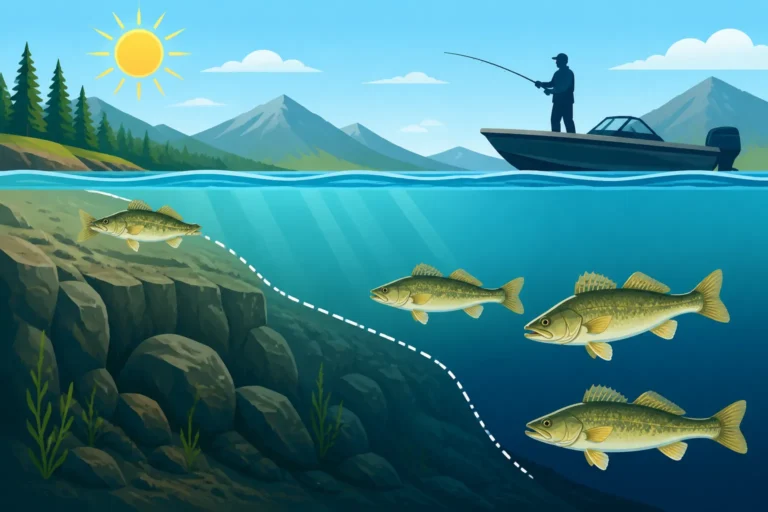
To maximize your chances of catching sauger, focus your efforts during their peak activity periods. These fish are most active during low-light conditions – dawn, dusk, and throughout the night. Their large eyes are designed to give them an advantage when light is scarce. During brighter daylight hours, they tend to retreat to deeper, darker water or seek cover in current breaks or under submerged structures. Therefore, fishing these deeper areas or targeting shaded current seams during the day is often more productive. In terms of depth, sauger are generally found closer to the bottom. In rivers, this means fishing in deeper holes, along the edges of channels, or behind obstructions that create slack water. In lakes, target contours, breaklines, and deep flats, always keeping your lure or bait within a foot or two of the bottom.
Sauger vs. Walleye: Fishing Approach Differences
While many techniques for walleye will also catch sauger, there are subtle differences in approach that can tip the odds in your favor for sauger. Since sauger tend to prefer more turbid water and stay tighter to the bottom, a slower, more deliberate presentation is often key. Bottom-bouncing rigs with a snelled hook and minnow or crawler are fantastic for covering ground while keeping your bait in the strike zone. Vertical jigging directly over structure or deeper channels can also be very effective, especially from a boat equipped with a good fish finder (many excellent models available on Amazon) that can pinpoint schools of fish. While walleye might suspend more or chase faster retrieves in clearer water, sauger often require you to put the bait right in front of them, patiently working the bottom. Pay attention to river currents; sauger will often position themselves just out of the main flow, conserving energy while waiting for prey to be swept past.
| Feature | Sauger | Walleye |
|---|---|---|
| Spiny Dorsal Fin | Distinct dark spots in rows, mottled appearance | Generally clear, sometimes a single dark blotch |
| Caudal (Tail) Fin | No prominent white tip on lower lobe | Prominent white tip on lower lobe (almost always) |
| Body Shape | More slender, cylindrical, torpedo-like | More robust, deeper-bodied |
| Coloration | Golden-brown to olive with distinct dark blotches | Golden-yellow to olive, less distinct blotches |
| Cheek Scales | Scales often cover entire cheek | Scales usually only on upper portion of cheek |
| Preferred Habitat | Turbid rivers, deeper lakes, moderate current | Wider range, clearer to turbid waters |
| Average Size | Generally smaller | Generally larger |
| Alberta Daily Limit | Varies by zone, check regulations | Varies by zone, check regulations |
Remember, identifying your catch correctly isn't just a matter of pride; it's a fundamental part of ethical angling and respecting the conservation efforts for these fantastic Alberta fish.
Disclaimer
This article is for general informational purposes only and does not constitute professional advice. Laws, prices and regulations vary by location and change over time. Consult a qualified professional for guidance on your specific situation.