Bull Trout Recovery Efforts in Alberta
It's heartbreaking to witness the decline of such a magnificent, native fish as the Bull Trout in Alberta. Many of us who cherish our province's pristine waters and unique wildlife feel a deep concern when we see these iconic species struggling to survive. This comprehensive guide will delve into the critical efforts being made across Alberta to bring these incredible fish back from the brink, exploring the challenges faced and the dedicated work being done for their recovery.
Understanding the Plight of Alberta's Bull Trout
The Bull Trout (Salvelinus confluentus) isn't just another fish in Alberta's waters; it's a true symbol of our wild, cold mountain streams and lakes. Unfortunately, for decades, these beautiful fish have faced immense pressures that have pushed their populations into serious decline. Understanding why they've struggled is the first step toward appreciating the monumental task of their recovery.
Historical Significance and Decline Factors
Historically, Bull Trout were abundant throughout much of Alberta's western drainages, particularly in the clear, cold rivers and lakes of the Rocky Mountains and foothills. They are an apex predator in their native habitats, playing a crucial role in maintaining the health and balance of aquatic ecosystems. These fish are not just large and powerful; they are also an indicator species. Their presence, or lack thereof, can tell us a lot about the overall health of the environment. Imagine a time when every major river system had thriving populations of these incredible fish, a testament to healthy, untouched wilderness.
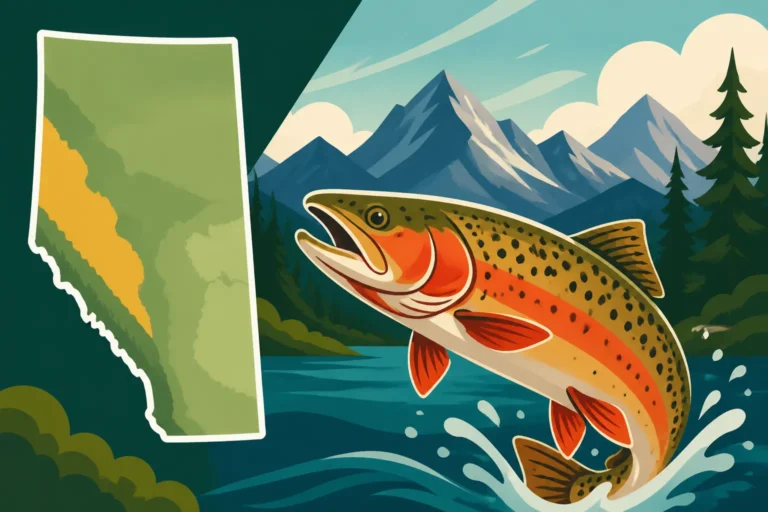
However, over the last century, a perfect storm of factors led to their dramatic decline. One of the biggest culprits was habitat degradation. Logging, road construction, agricultural runoff, and industrial development often led to increased sedimentation, warmer water temperatures, and altered stream flows, directly impacting the sensitive habitats Bull Trout rely on for spawning and rearing. Over-harvesting by anglers in the past also played a significant role before stricter regulations were put in place. And let's not forget the introduction of non-native fish species, which often outcompeted Bull Trout for food and habitat, and in some cases, even hybridized with them. It was a tough period for these resilient fish, and the scars of that era are still visible today. For more on their natural range, check out Bull Trout Native Range in Alberta.
Why Bull Trout Are So Vulnerable
Bull Trout are, by nature, a sensitive species, which makes them particularly vulnerable to environmental changes. They demand very specific conditions to thrive, much more so than some of their more adaptable cousins. First and foremost, they require exceptionally cold, clean, and oxygen-rich water. This isn't just a preference; it's a biological necessity, especially for spawning and for the survival of their eggs and fry. They typically spawn in the fall, burrowing into the gravel beds of pristine headwater streams, and those eggs lie dormant through the winter, vulnerable to any disturbance or pollution.
Furthermore, Bull Trout are known for their migratory habits. Many populations undertake long migrations between their spawning grounds in small tributary streams and larger rivers or lakes where they spend most of their lives growing. These migrations can cover vast distances, and any impediment – a poorly designed culvert, a dam, or even a section of river with degraded habitat – can cut off access to vital areas, disrupting their life cycle. Their slow growth rate and relatively late maturity also mean that populations are slow to recover from disturbances. If a generation is lost due to poor conditions, it takes many years for the population to rebuild, making every single fish and every successful spawn incredibly precious. It truly highlights why they are listed as a threatened native fish: Bull Trout: Alberta's Threatened Native Fish.
The Pillars of Bull Trout Recovery
Bringing Bull Trout back from their imperiled state is a multi-faceted challenge, requiring a comprehensive approach that tackles various threats simultaneously. It's not about one single solution, but rather a combination of dedicated efforts working in harmony to restore these majestic fish to their former glory.
Habitat Protection and Restoration
One of the most critical components of Bull Trout recovery is ensuring they have healthy places to live, spawn, and grow. After all, a fish can't survive without a home, right? This means actively protecting existing pristine habitats and meticulously restoring those that have been damaged over time. Projects often focus on the headwater streams where Bull Trout spawn, but also extend to larger river sections and lakes that provide feeding and overwintering habitat.
Restoration efforts can be incredibly diverse. They might involve planting native vegetation along stream banks to stabilize soil, reduce erosion, and provide essential shade, which helps keep water temperatures cool. Removing or upgrading old, undersized culverts that block fish passage is another huge win, reconnecting fragmented habitats and allowing fish to complete their crucial migrations. Sometimes, it means strategically placing large woody debris (fallen trees and logs) back into streams. This might sound counterintuitive, but these natural structures create pools, scour out spawning gravels, and provide vital cover from predators and strong currents for juvenile fish. Imagine a small Bull Trout fry finding refuge under a submerged log, safe from the elements and larger fish; these seemingly small details are absolutely critical. We've seen incredible work in the headwaters of the Oldman and Bow River systems, where these efforts are slowly but surely making a difference.
Strict Fishing Regulations and Management
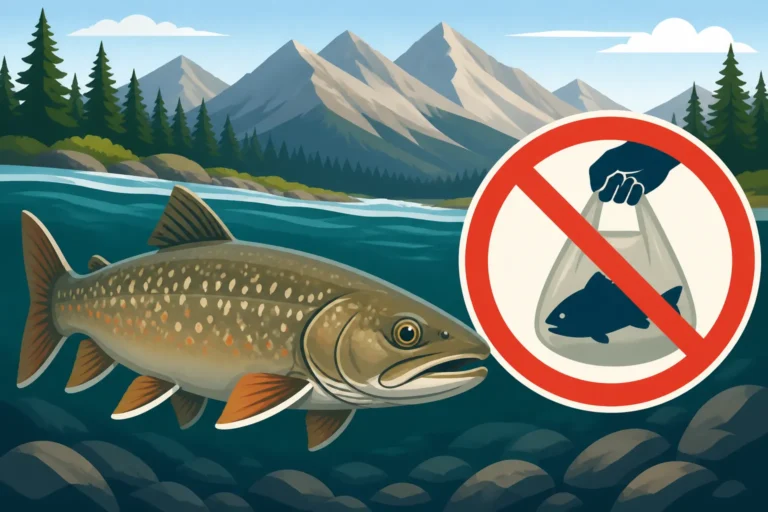
For any struggling species, managing human impact, particularly through fishing, is paramount. Alberta has implemented some very strict regulations aimed directly at protecting Bull Trout, recognizing their vulnerable status. The most prominent of these is the Alberta Bull Trout Zero Possession Rule. This means that if you catch a Bull Trout, you are legally required to release it immediately and unharmed. There is absolutely no legal retention of Bull Trout in Alberta, regardless of size or location, and it's a rule that all anglers must abide by. This strict measure is in place to ensure that every mature fish has the chance to spawn and contribute to the population's recovery.
Beyond the zero possession limit, many specific waters where Bull Trout are present are designated as "special regulation waters." These areas often have further restrictions, such as Alberta Barbless Hook Requirement Waters, which minimize the harm to fish during catch and release, or even specific season closures during spawning periods. Enforcement of these regulations is also key, with Fish and Wildlife officers actively patrolling these sensitive areas. Anglers play an absolutely vital role in this aspect of recovery – by knowing and strictly following the rules, practicing proper catch-and-release techniques, and reporting any suspicious activity, we become stewards of the resource. Understanding these rules is crucial, and the Reading the Alberta Guide to Sportfishing Regulations is an indispensable tool for every angler.
Addressing Invasive Species and Competition
While habitat loss and past overfishing dealt significant blows, the presence of non-native or invasive fish species has compounded the problem for Bull Trout. Species like Brook Trout, which were introduced decades ago, are particularly problematic. Brook Trout often thrive in the same cold, clean headwater streams that Bull Trout need, but they are smaller, mature faster, and reproduce more prolifically. This means they can outcompete juvenile Bull Trout for food and space, and in some cases, even prey on Bull Trout fry. Adding to this, some non-native species can hybridize with Bull Trout, leading to a loss of genetic purity in native populations.
Recovery efforts in this area are complex and often controversial, but necessary. Strategies include selective removal of non-native fish through methods like electrofishing in specific stream sections. This delicate work involves stunning fish temporarily with an electrical current, allowing biologists to sort and remove non-native species while releasing native ones unharmed. In some critical areas, physical barriers might be constructed downstream to prevent the upstream migration of invasive fish into pristine Bull Trout spawning habitats. It's a careful balancing act, aiming to restore the natural ecological balance without causing undue harm to the broader ecosystem. These efforts are often ongoing and require continuous monitoring to ensure they are effective and sustainable.
The Role of Science and Research in Recovery
In any conservation effort, having solid scientific data is like having a roadmap; it guides our actions and helps us understand if we're on the right track. For Bull Trout recovery, science and research are absolutely foundational, providing critical insights into their populations, behaviors, and the effectiveness of various management strategies.
Monitoring and Population Assessment
You can't manage what you don't measure, and this rings especially true for threatened species like Bull Trout. Biologists and researchers spend countless hours in the field, employing a variety of sophisticated techniques to monitor Bull Trout populations. One common method involves surveying spawning grounds (known as redd counts) in the fall. Researchers hike into remote headwater streams, meticulously counting the number of nests created by spawning Bull Trout, which gives them an estimate of reproductive success.
Beyond redd counts, individual fish are often captured, measured, and tagged using small, harmless electronic tags (PIT tags) that can be detected by antennae placed in streams. This allows scientists to track individual fish movements, migration patterns, growth rates, and survival rates over time without having to recapture them. Genetic analysis of fin clips can reveal population connectivity, genetic diversity, and the extent of hybridization with other species. All this data is painstakingly collected and analyzed to provide a clear picture of how Bull Trout populations are faring, where they are struggling most, and where recovery efforts are starting to show promise. Without this rigorous monitoring, we'd essentially be flying blind.
Genetic Preservation and Stocking Programs
Maintaining the genetic integrity of Bull Trout populations is another crucial scientific endeavor. Over time, isolated populations can lose genetic diversity, making them more vulnerable to disease and environmental changes. Furthermore, the threat of hybridization with introduced species means that preserving pure Bull Trout genetics is a high priority. Scientists carefully study the genetic makeup of different Bull Trout populations across the province to identify unique lineages and ensure that recovery efforts don't inadvertently mix distinct genetic stocks.
In some very specific circumstances, where populations are severely depleted and natural recovery is deemed unlikely without intervention, carefully planned stocking programs might be implemented. However, this is not just about dumping fish into a stream. These programs involve raising Bull Trout in hatcheries from broodstock collected from local, genetically appropriate populations. The goal is to boost numbers while maintaining the genetic identity unique to that specific watershed. These stocked fish are often marked (e.g., with a fin clip or a micro-tag) so that their survival and contribution to the wild population can be tracked. It's a meticulous process, always with the underlying principle of supporting natural reproduction and ensuring the long-term viability of genetically distinct wild populations.
How Anglers and the Public Contribute
While scientists and government agencies lead many of the formal recovery initiatives, the success of Bull Trout conservation ultimately relies on the collective efforts of every angler and concerned citizen. Our individual actions on and off the water can make a tangible difference in the survival of these incredible fish.
Catch and Release Best Practices
Given the Alberta Bull Trout Zero Possession Rule, practicing proper catch and release is arguably the most direct way anglers can contribute to Bull Trout recovery. It's not enough to simply let the fish go; it's about ensuring it swims away healthy and has the best possible chance of survival. This starts before you even cast a line. Using barbless hooks is a must, and many waters specifically mandate Alberta Barbless Hook Requirement Waters. Barbless hooks are easier to remove, minimizing tissue damage and reducing handling time. You can often find great quality barbless hooks, or tools to crimp your existing barbed hooks, on platforms like Amazon.
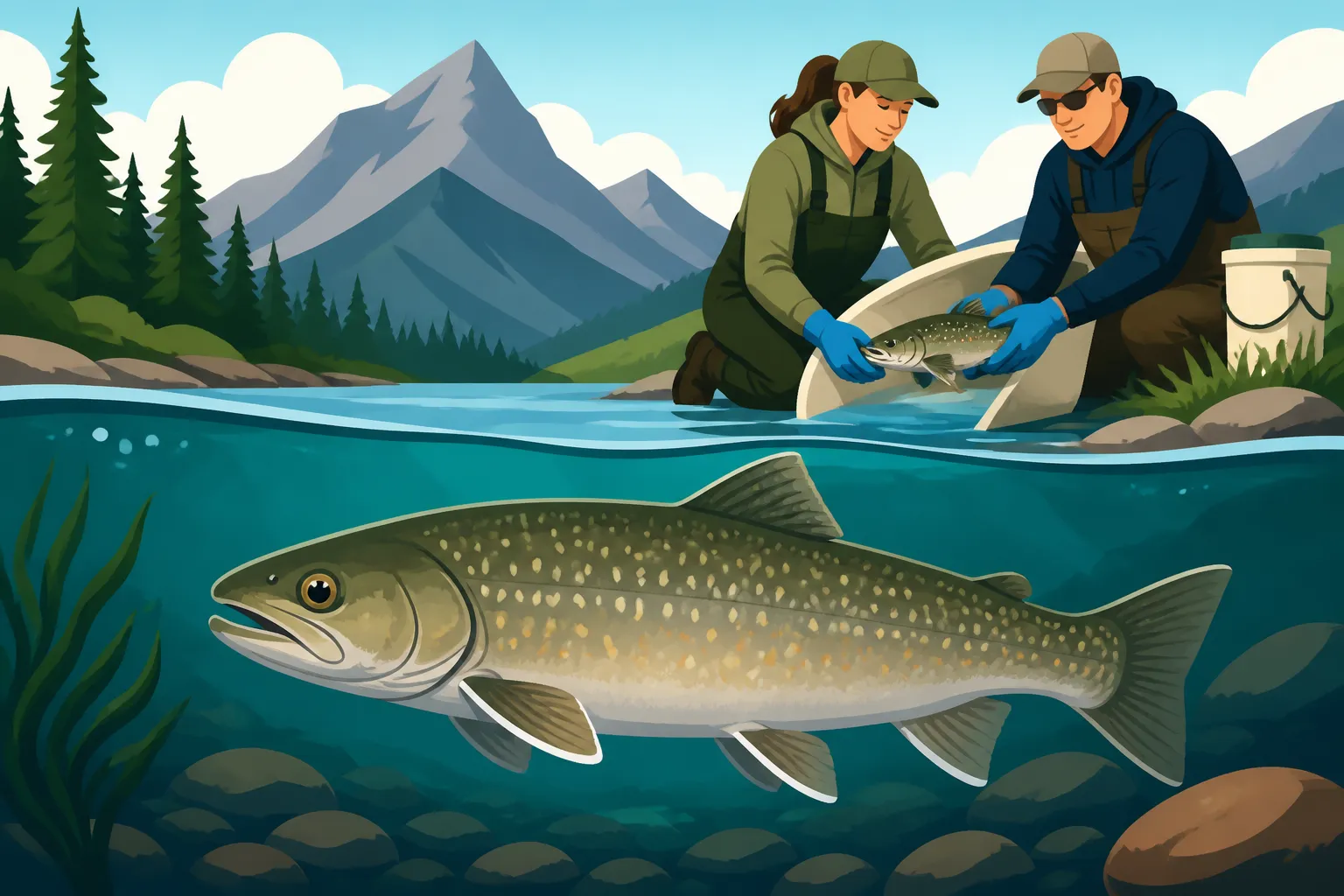
When you hook a Bull Trout, play the fish quickly and efficiently to avoid over-exhausting it. Keep the fish in the water as much as possible, especially if you plan to take a photo. Wet your hands before handling the fish to protect its delicate slime coat, which acts as a protective barrier against disease. Avoid squeezing the fish or holding it by its gills. If you need to remove the hook, use needle-nose pliers or hemostats. Once the hook is out, hold the fish gently facing into the current until it regains its strength and swims away on its own. Never just toss a fish back; ensure it's fully revived. Following these Bull trout catch and release survival tips makes a huge difference.
Advocacy and Volunteer Efforts
Beyond responsible angling, there are numerous ways the public can get involved in broader Bull Trout recovery efforts. Advocacy plays a crucial role. This means staying informed about conservation issues, contacting your local representatives, and supporting organizations that are dedicated to aquatic habitat protection and fisheries management. These groups often champion policy changes and secure funding for critical projects.
Many conservation organizations also rely heavily on volunteers for hands-on restoration work. Imagine spending a weekend planting trees along a stream bank, removing invasive weeds, or helping with stream clean-ups. These efforts directly improve Bull Trout habitat and are incredibly rewarding. Keeping an eye out for and reporting any suspected poaching or habitat destruction to Alberta Fish and Wildlife is another vital contribution. If you see something that looks wrong, report it. Even just being generally aware of your impact when recreating in Bull Trout country – sticking to designated trails, not driving vehicles through streambeds, and packing out all your trash – contributes to a healthier environment for these fish. Resources for these types of activities, from good waders for stream clean-ups to sturdy gloves, are readily available, including a wide array of options on Amazon. Every little bit helps create a better future for Alberta's Bull Trout.
Looking Ahead: Challenges and Hope for the Future
The journey of Bull Trout recovery in Alberta is far from over. While significant strides have been made and there's much to celebrate, persistent challenges remain. Yet, through ongoing commitment and innovative approaches, there is genuine hope that these magnificent fish will continue their resurgence in Alberta's wild waters.
Ongoing Threats and Climate Change
Despite all the dedicated efforts, Bull Trout still face a gauntlet of ongoing threats. Alberta's population is growing, and with it comes increased pressure on land and water resources. Urban expansion, industrial development, and even recreational use can all inadvertently impact fragile aquatic ecosystems. For example, increased demand for water can lead to lower river flows, especially during critical summer months, which directly stresses cold-water fish like Bull Trout. Sedimentation from construction or forestry operations remains a constant concern, choking out the clean gravels essential for spawning.
Perhaps the most daunting long-term challenge is climate change. Bull Trout absolutely depend on cold water, and rising global temperatures pose a direct threat to their preferred habitats. Warmer summers mean warmer rivers, which can push water temperatures beyond the Bull Trout's thermal tolerance. Changes in precipitation patterns could lead to more intense floods (scouring out redds) or prolonged droughts (reducing habitat availability). Adapting to these large-scale environmental shifts will require incredible foresight, continued scientific research, and even more aggressive habitat protection and restoration strategies in the years to come.
Success Stories and Continued Commitment
Even with these formidable challenges, there are powerful reasons for optimism. We've seen genuine success stories where focused recovery efforts have started to pay off. In some river systems, population numbers are stabilizing or even showing signs of increasing, a testament to decades of hard work. Reconnecting fragmented habitats through culvert removal has allowed fish to access historic spawning grounds they haven't seen in generations. Strict regulations, coupled with increased angler awareness, have reduced human-induced mortality, giving fish a fighting chance.
These successes aren't just statistics; they represent more vibrant ecosystems and the return of an iconic species to its rightful place. The collective commitment from government agencies, First Nations communities, conservation groups like Trout Unlimited Canada, universities, and individual anglers is a powerful force. This long-term dedication, fueled by passion for our natural heritage, is what will ultimately ensure the survival and flourishing of Bull Trout in Alberta for generations to come. The work is far from done, but the progress reminds us that with sustained effort, recovery is not just a dream, but an achievable reality.
| Recovery Strategy | Primary Objective | Example Action | Key Benefit for Bull Trout |
|---|---|---|---|
| Habitat Restoration | Improve and expand suitable living spaces | Planting riparian vegetation, removing fish-blocking culverts | Cooler water, reduced sedimentation, access to spawning grounds |
| Strict Regulations | Minimize human impact and allow natural reproduction | Alberta Bull Trout Zero Possession Rule, Alberta Barbless Hook Requirement Waters | Increased spawning success, higher adult survival rates |
| Invasive Species Management | Reduce competition and hybridization | Selective removal of non-native fish, barrier construction | Reduced competition for food/habitat, genetic purity preserved |
| Scientific Monitoring | Assess population health and guide management | Redd counts, PIT tagging, genetic analysis | Data-driven decisions, effective allocation of resources |
| Public Education/Advocacy | Foster stewardship and support conservation | Angler workshops, volunteer clean-ups, reporting poaching | Broader community involvement, reduced illicit activities |
Disclaimer
This article is for general informational purposes only and does not constitute professional advice. Laws, prices and regulations vary by location and change over time. Consult a qualified professional for guidance on your specific situation.