Cutthroat Trout Native Range in Alberta
It can be truly disheartening to think that some of Alberta's most iconic and beautiful fish, like the cutthroat trout, are facing immense pressure and have seen their historical homes shrink dramatically. Anglers and nature enthusiasts alike want to understand where these stunning native fish still thrive and what's being done to protect them. This comprehensive guide will take you deep into the world of cutthroat trout in Alberta, exploring their native range, the challenges they face, and how we can all contribute to their preservation.
Understanding Cutthroat Trout in Alberta
When we talk about cutthroat trout, especially here in Alberta, we're really talking about a species that embodies the wild, untamed spirit of our mountain streams. These fish are not just another catch; they are a vital part of our natural heritage, telling a story of pristine waters and resilient ecosystems. Their very presence often indicates a healthy, unimpacted aquatic environment, which is becoming increasingly rare.
What Makes Cutthroat Trout Unique
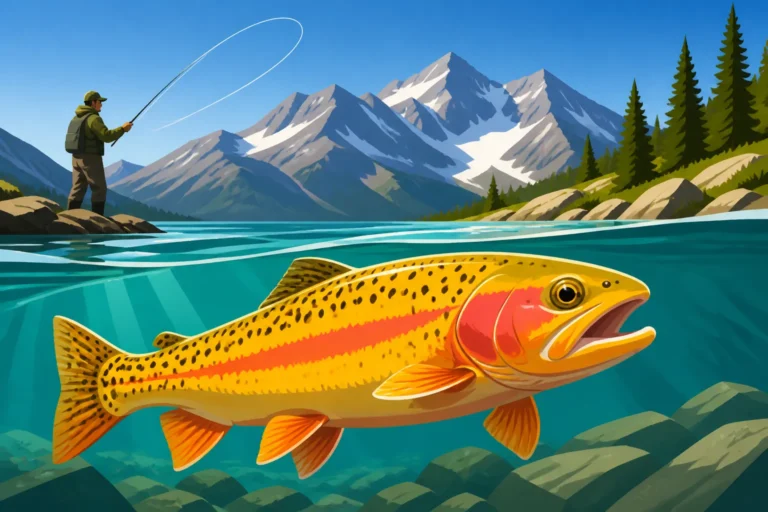
The cutthroat trout, named for the distinctive red or orange slash marks found under their lower jaw, are truly magnificent fish. In Alberta, we primarily encounter the Westslope cutthroat trout, known for its smaller, darker spots that are concentrated towards the tail, and a generally more olive or bronze hue on its back, fading to silvery sides. They typically prefer colder, clearer water with ample cover and a diet primarily consisting of aquatic and terrestrial insects. Unlike some of their more aggressive, introduced cousins, cutthroat trout can be quite delicate, making them a true challenge for even experienced fly anglers. Their beauty is undeniable, and their fight, though perhaps not as powerful as a large rainbow or brown trout, is spirited and memorable, especially on light tackle. Many anglers find specific fly patterns to be incredibly effective, and you can often find great selections of these on platforms like Amazon.
Their life cycle is deeply intertwined with the health of their spawning grounds, which often means small, high-gradient mountain streams. They are opportunistic feeders, willing to rise to a dry fly floating gently on the surface or chase down a nymph tumbling through a riffle. This adaptability, however, has also made them vulnerable to habitat changes and competition. They are, in many ways, the quintessential mountain stream trout, living in breathtaking landscapes that often require a bit of a hike to reach.
The Importance of Native Species
The concept of a "native range" is crucial because it speaks to the historical and ecological home of a species, where it evolved and adapted over thousands of years to the specific conditions of that environment. For cutthroat trout, their native range in Alberta represents the areas where they naturally occurred before human interference. These fish have developed a delicate balance with the local ecosystem, influencing everything from insect populations to nutrient cycling. When native species like the cutthroat trout thrive, it's a strong indicator that the entire ecosystem is in good health. They are often considered an "indicator species" – a canary in the coal mine, so to speak.
The health of native populations is important not just for conservationists, but for every angler. When we fish for native cutthroat, we are connecting with a piece of Alberta's wild past. Their genetic integrity is also paramount; cross-breeding with non-native trout species, particularly rainbow trout, is a significant threat to the pure genetic strain of Westslope cutthroat. This "genetic swamping" can dilute the unique adaptations these fish have developed, making them less resilient to environmental changes. Therefore, understanding and protecting their native range is about much more than just the fish themselves; it's about preserving the entire natural fabric of Alberta's mountain and foothill waters.
Historical Range and Decline
Alberta's landscape has changed dramatically over the last century, and with those changes, so has the distribution of our native fish species. The story of the cutthroat trout's native range is, unfortunately, one of contraction, driven by a combination of human activity and environmental shifts. It's a somber reminder of how quickly ecosystems can be altered.
Original Distribution Across Alberta
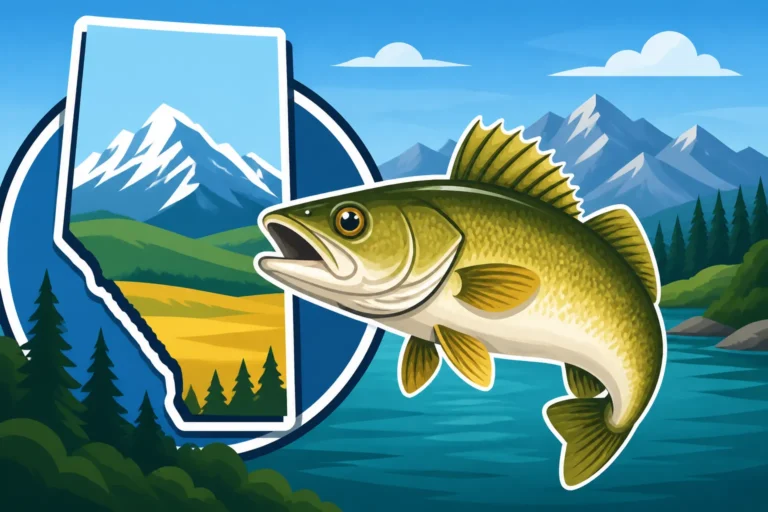
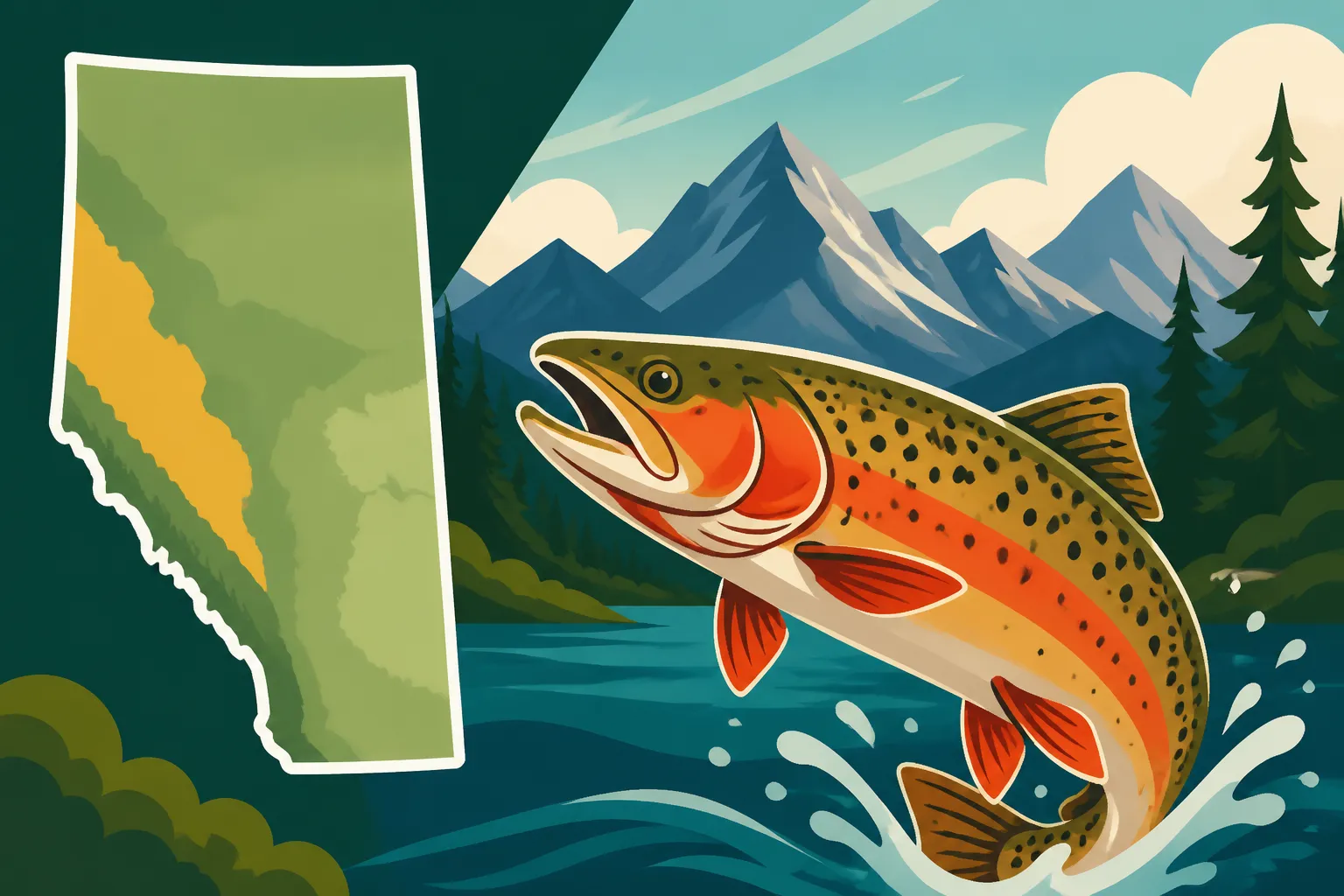
Historically, Westslope cutthroat trout occupied a much broader swath of Alberta's western waters. Their native range extended across the headwaters of the Oldman, Bow, Red Deer, and North Saskatchewan river drainages, primarily west of the Cowboy Trail and into the mountain parks. These fish thrived in the cold, clear, high-elevation streams and tributaries that feed these major river systems. Imagine casting a line in almost any pristine mountain stream in the Rockies or foothills and having a good chance of hooking a beautiful, native cutthroat. That was once the reality.
They were a dominant trout species in these areas, well-adapted to the relatively low nutrient levels and swift currents characteristic of mountain environments. They were perfectly suited to the unique hydrology of these watersheds, relying on specific gravels for spawning and complex instream habitats for rearing and foraging. Their presence was a testament to the purity and wildness of these waters, a true gem in Alberta's natural crown. The areas where they were found often correlated with healthy forests and intact riparian zones, reflecting a comprehensive and balanced ecosystem.
Factors Leading to Range Contraction
The decline of the cutthroat trout's native range is a multi-faceted problem. One of the biggest culprits has been habitat degradation. Logging, road construction, agricultural practices, and increased human development in the foothills and mountains have led to siltation, increased water temperatures, and altered stream flows. When gravel beds become choked with fine sediment, cutthroat can't successfully spawn. When riparian vegetation is removed, stream banks erode, and water temperatures rise, creating unsuitable conditions for these cold-water fish.
Another significant factor is the introduction of non-native trout species, primarily rainbow trout and brook trout. Rainbow trout can hybridize with cutthroat, leading to the aforementioned genetic swamping. Brook trout, on the other hand, are often more aggressive and compete directly with cutthroat for food and spawning habitat, often outcompeting them in smaller streams. Over-harvesting in the past, before strict regulations were in place, also took a toll on some populations. Diseases and climate change, leading to warmer waters and altered precipitation patterns, are also emerging threats. It's a classic case of many small pressures combining to create a significant challenge for a vulnerable species. This complex interplay of factors makes effective conservation incredibly challenging.
Current Strongholds and Conservation Efforts
Despite the challenges, there are still places in Alberta where cutthroat trout persist, holding on to their ancestral waters. These remaining strongholds are precious and are the focus of intense conservation efforts aimed at ensuring their survival for future generations. It’s a testament to the dedication of many individuals and organizations that these fish still grace our waters.
Key Rivers and Streams Where They Thrive Today
Today, if you're looking to find Westslope cutthroat trout in Alberta, you'll generally need to venture into the more remote and protected headwaters of the southwestern part of the province. Areas within the Kananaskis Country and parts of the Eastern Slopes of the Rockies are key. Think of streams flowing out of places like Peter Lougheed Provincial Park or deep within the Ghost Wilderness Area. The Crowsnest River drainage, particularly its upper tributaries, and other small, cold mountain streams feeding into the Oldman River system still hold some relatively pure populations. Crowsnest River Trout Fishing is a popular pursuit, and while you might find rainbows lower down, the true cutthroat are often higher up.
These streams are typically characterized by their pristine water quality, cold temperatures, complex in-stream habitat, and intact riparian zones. They are often harder to access, requiring a hike or backcountry travel, which naturally provides a layer of protection from heavy fishing pressure and development. Anglers seeking these beautiful fish often value the journey as much as the catch, as it takes them into some of Alberta's most stunning wilderness. It's in these rugged, untouched corners that the cutthroat trout continue to remind us of what Alberta's wild places truly are. Many conservation groups are working in partnership with the province to identify and map these crucial habitats.
Protecting Their Future
Protecting Alberta's cutthroat trout involves a multi-pronged approach that includes habitat restoration, restrictive fishing regulations, and public education. Projects focus on stabilizing stream banks, planting riparian vegetation, and improving culverts to allow fish passage. Many small streams that once held cutthroat are being actively rehabilitated. Regulations are designed to minimize angler impact, often with specific sections of rivers being designated as "catch-and-release only" or having bait restrictions. Alberta Bull Trout Zero Possession Rule is an example of such a protective measure for another threatened native species.
Another critical component is the removal of non-native fish species from cutthroat strongholds, though this is a complex and often controversial undertaking. Stocking programs now emphasize native species where appropriate, rather than introducing non-native trout that could hybridize or compete. Public awareness campaigns aim to inform anglers about the importance of identifying cutthroat trout and practicing careful catch-and-release techniques. Organizations like Trout Unlimited Canada are often at the forefront of these efforts, mobilizing volunteers for stream clean-ups and habitat work. These combined efforts are slow but vital in giving the cutthroat a fighting chance.
Identifying Cutthroat Trout in the Wild
Knowing your fish is more than just a fun fact; it's a responsibility, especially when you're fishing in areas where native and threatened species like the cutthroat trout might be present. Misidentification can lead to accidental harm or the inadvertent keeping of a protected fish. Taking the time to learn the distinguishing features is an essential part of being a responsible angler in Alberta.
Distinguishing Features
The most famous feature, of course, is the "cutthroat" mark – that reddish or orange slash under the lower jaw. While usually present, its intensity can vary and sometimes it's faint, especially in smaller fish or in different water conditions. So, it's wise to look for other clues too. Westslope cutthroat trout typically have smaller, more concentrated spots primarily on their flanks and towards the tail, often with fewer spots on the head and forebody compared to, say, a rainbow trout. Their overall coloration can range from silvery-bronze to a deeper olive, often with a slightly golden belly.
Rainbow trout, which are commonly confused with cutthroat, generally have spots that are more evenly distributed across their entire body, including their head and dorsal fin, and often have a prominent pink or red band along their lateral line. Their fins might also have a more pronounced white leading edge. Trout Species Identification Guide for Alberta can be an incredibly useful resource. Always examine the fish carefully, perhaps even gently lifting the gill plate to check for the cutthroat slash if unsure. Carrying a small waterproof identification card can be a lifesaver, and you can often find good ones or even specific fish ID books on Amazon. This quick identification process ensures you can adhere to regulations, such as Alberta Bull Trout Zero Possession Rule, which applies to a different, but equally important, native trout.
| Feature | Westslope Cutthroat Trout | Rainbow Trout |
|---|---|---|
| Throat Mark | Distinctive red/orange slash under lower jaw (variable) | Absent |
| Spot Pattern | Smaller, darker spots, concentrated towards tail | Larger, more evenly distributed spots over entire body |
| Lateral Band | Generally absent or faint | Often a prominent pink/red band |
| Overall Color | Olive-bronze to silvery, often yellowish belly | Silvery, often with iridescent sheen |
| Mouth/Jaw | Maxillary extends beyond eye (often) | Maxillary typically ends at or before posterior eye |
Catch and Release Best Practices
Because cutthroat trout are a sensitive species, catch and release is not just recommended, it's often mandated in their native range to help bolster populations. Proper technique is paramount to ensure the fish's survival after release. Always use barbless hooks – crimping down the barb on your existing hooks is easy and makes a huge difference. Which Alberta rivers mandate barbless hooks only might give you an idea of where this is particularly important, but it's a good practice everywhere. Minimize the time the fish is out of the water; ideally, keep it in the water while unhooking.
Wet your hands before handling the fish to protect its protective slime coat. Avoid squeezing the fish, especially around its belly. If the fish is deeply hooked, cut the line as close to the hook as possible rather than trying to rip the hook out. Revive the fish gently in the current, holding it upright until it swims away under its own power. A good quality, rubber-mesh landing net can help you handle fish safely in the water without damaging their fins or slime. You can find excellent, fish-friendly nets on Amazon that are designed for safe handling. By following these simple guidelines, you give that fish the best chance to recover and spawn again.
Fishing for Cutthroat Trout in Alberta
Fishing for cutthroat trout isn't just about catching a fish; it's an immersive experience that takes you into some of Alberta's most wild and scenic landscapes. It requires a thoughtful approach, respect for the environment, and an understanding of the specific regulations designed to protect these beautiful native fish.
Where to Experience Cutthroat Fishing
To truly experience cutthroat trout fishing, you need to head to the headwaters and smaller tributaries of Alberta's major southwestern river systems. These often include streams in Kananaskis Country, the Livingstone Range, and the upper reaches of drainages like the Oldman and Sheep Rivers. You won't typically find them in the large, wide-open rivers like the main stem of the Bow, which is more famous for its Bow River Trout Fishing Near Calgary. Instead, think smaller, rockier, and often more remote waters. This often means some hiking is involved, making the journey part of the adventure.
These waters are characterized by their cold, clear nature, ample overhead cover from riparian vegetation, and a mosaic of pools, riffles, and runs. Fly fishing is a particularly popular and effective method here, as cutthroat are often eager to rise to a well-presented dry fly. Using light spinning gear with small spinners or spoons can also be productive. The key is to be stealthy, as these fish can be easily spooked in their clear, shallow habitats. Always check the specific regulations for the water body you plan to visit, as many are designated Alberta catch and release only waters.
Regulations and Responsible Angling
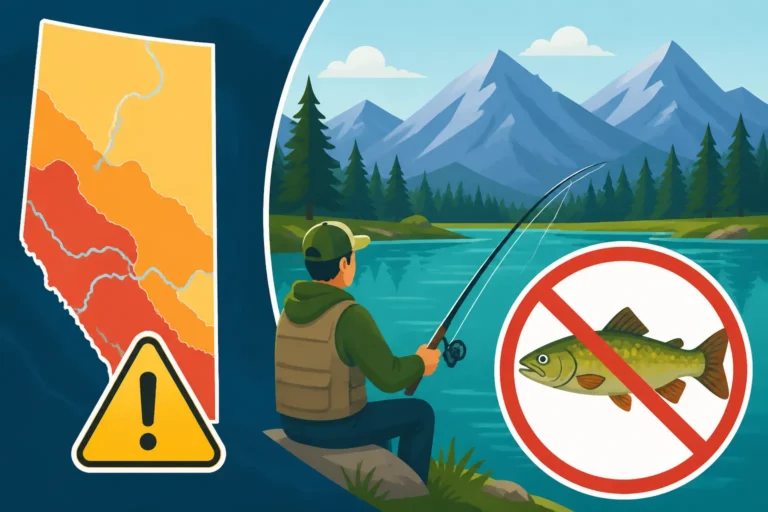
Fishing for cutthroat trout in Alberta comes with strict regulations, and for good reason: they are a species of concern, and many populations are at risk. It's imperative that every angler understands and adheres to these rules to help ensure the species' survival. The most common regulations you'll encounter in cutthroat waters include catch-and-release only, single barbless hook restrictions, and sometimes even specific lure or bait restrictions. The Alberta Guide to Sportfishing Regulations is your bible here; you must consult it before heading out.
Remember, fishing without a valid license is illegal, and knowing the Alberta Fishing License Age Requirements and securing your Alberta Fishing License Guide for 2026 is step one. In many areas, the season dates are also specific and sometimes shorter to protect spawning fish. It's not uncommon to find certain streams that are completely closed to fishing for parts of the year, or even year-round. Beyond regulations, responsible angling also means practicing Leave No Trace principles, packing out all your trash, and minimizing your impact on the delicate stream environment. Every little bit helps to preserve these incredible fish and their pristine homes for generations to come.
Disclaimer
This article is for general informational purposes only and does not constitute professional advice. Laws, prices and regulations vary by location and change over time. Consult a qualified professional for guidance on your specific situation.