What a holdover trout is
Many anglers in Alberta often hear terms like "stocked trout" and "wild trout," but there's another important category that often gets overlooked or misunderstood: the "holdover" trout. It can be confusing to distinguish between these different types of fish, especially when they might look similar at first glance. This guide is here to demystify what a holdover trout truly is, why they're so special to Alberta's fishing scene, and how you can learn to identify and even target these resilient fish.
Defining the "Holdover" Trout in Alberta's Waters
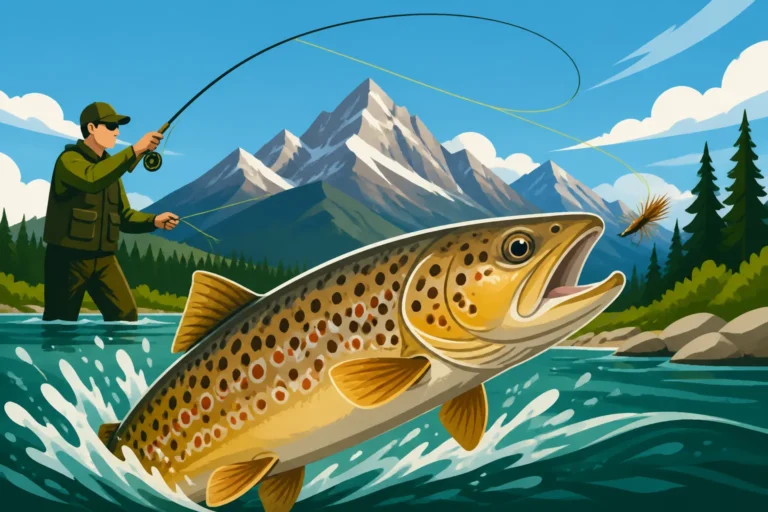
When we talk about trout in Alberta, we're usually thinking about fish that are either naturally reproducing in streams and rivers – what we call "wild" trout – or fish that have been raised in a hatchery and released into lakes and ponds for recreational angling, known as "stocked" trout. A holdover trout sits right in between these two. Simply put, a holdover trout is a fish that was stocked into a water body but managed to survive at least one winter, adapting to a more natural existence beyond its initial release. They're the survivors, the resilient ones that beat the odds.
What Distinguishes a Holdover from a Stocked Trout?
The difference between a freshly stocked trout and a holdover trout often becomes quite apparent once you get a closer look. A newly stocked fish, fresh from the hatchery, typically looks a bit "soft." Their fins might be rounded or even a little tattered from rubbing against concrete raceways. Their colouration can be duller, more uniform, and they often lack the vibrant hues you'd expect from a wild fish. Their diets in the hatchery consist of prepared pellets, so their body shape might be rounder, less athletic. When you hook one, they often don't fight with the same vigour, having spent their lives in a somewhat predictable environment.
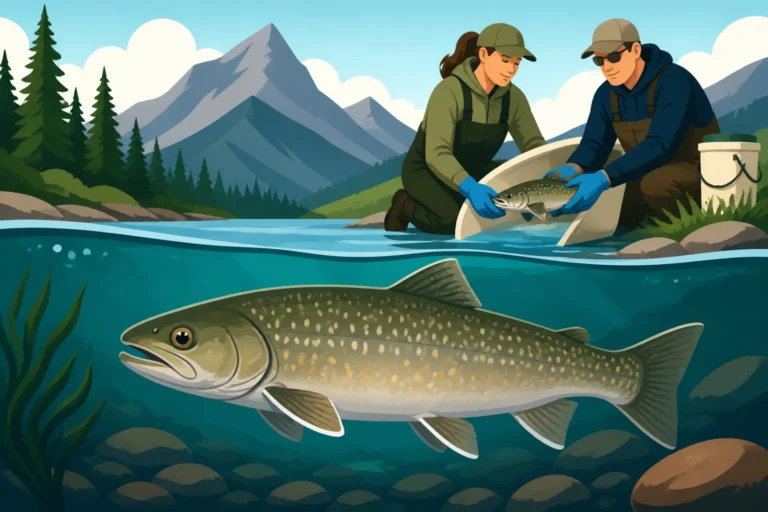
Holdovers, on the other hand, start to resemble their wild cousins. Their fins will often heal and become sharper, more defined, as they use them to navigate currents and escape predators. Their colours become richer and more defined, a direct result of a more diverse, natural diet and exposure to sunlight and natural environments. They adapt to foraging for insects, minnows, and other aquatic life, which gives them a leaner, more muscular, and agile physique. When you hook a holdover, you'll often notice a significantly stronger fight. They've learned to evade, to hunt, and to survive, making them far more challenging and rewarding to catch. It's a testament to their resilience and adaptability. If you're keen to learn more about the nuances, reading about Difference between wild and stocked trout in Alberta can shed even more light.
The Life Cycle of a Holdover Trout
The journey of a holdover trout is truly remarkable. These fish are initially released, often into smaller lakes and ponds that might not have natural spawning habitat, or even into larger rivers alongside wild populations. Many of them are caught within weeks of being stocked, which is the very purpose of stocking programs. However, a select few manage to avoid anglers, evade predators like ospreys, eagles, and otters, and somehow find enough natural food to sustain themselves through the seasons.
The real test comes with winter. In Alberta, winters are harsh, and many stocked lakes can experience significant oxygen depletion under the ice, a phenomenon known as winterkill. For a trout to survive this, they need to find areas with better oxygenation, which often means deeper pockets or spots with some spring flow. They also need to continue finding food when insect activity is minimal. Their metabolism slows, but they still require energy. Those that survive become much hardier, smarter fish, intimately familiar with their environment. While natural reproduction from stocked fish is rare in many of these waters, these survivors show that trout can certainly adapt. For a broader understanding of trout reproduction, check out Do Trout Reproduce Naturally in Alberta Streams?.
Why Holdovers Matter to Alberta Anglers
For many devoted anglers, catching a holdover trout is a badge of honour. It's more than just reeling in a fish; it's a testament to skill, patience, and understanding the water. These fish offer a unique angling experience that bridges the gap between the predictability of newly stocked fish and the elusive nature of truly wild specimens.
The Thrill of the Catch
There's a distinct difference in the fight and overall experience when you hook into a holdover trout compared to a freshly stocked one. A holdover has spent months, maybe even years, navigating its environment. It's learned to avoid danger, respond to changing conditions, and hunt for its own food. This means they are often much warier, harder to fool, and when hooked, they put up an incredible battle. They'll make powerful runs, jump dramatically, and use every ounce of their adapted strength to try and throw the hook.
This makes the pursuit incredibly satisfying. You're not just casting to a hungry fish that's never seen a lure; you're challenging a survivor. Many anglers actively seek out waters known to produce holdovers, precisely for this enhanced challenge and the rewarding feeling of outsmarting a truly smart fish. Whether you're casting spinners from the bank or fly fishing a quiet eddy, the thrill of that first heavy tug from a holdover is unmatched. For techniques specific to challenging trout, you might find Spring Trout Fishing Techniques for Alberta Streams helpful.
Their Role in Ecosystem Health
While stocked trout are primarily introduced for recreational purposes and typically don't contribute significantly to natural reproduction, holdovers do play a subtle but important role in the local ecosystem. By surviving and adapting, they demonstrate the potential for a stocked species to integrate into a wilder setting, even if they aren't fully self-sustaining. In some instances, particularly in river systems or larger lakes with suitable habitat, a few holdovers might even manage to spawn, contributing to a small amount of natural recruitment, though this is often limited.
More broadly, their presence contributes to the biodiversity and food chain within the water body. They become part of the natural predator-prey dynamics, serving as food for larger predators like otters, eagles, or even larger pike, while also preying on smaller insects and baitfish themselves. They help maintain a more balanced ecosystem than if the stocked fish were simply removed quickly. This resilience also informs fisheries managers about which stocked strains might be better suited for longer-term survival, potentially enhancing the overall health and vitality of our fishing waters.
Identifying and Catching Alberta's Holdover Trout
Learning to spot a holdover trout before you even cast, or recognizing one once you've landed it, adds a whole new dimension to your fishing experience. It's like finding a hidden gem! These fish are often smarter, larger, and stronger than their hatchery-fresh counterparts, making them prized catches.
Visual Cues and Key Differences
When trying to identify a holdover trout, pay close attention to their physical characteristics. This is where they really start to diverge from their newly stocked brethren:
- Fins: This is usually the most obvious tell. Freshly stocked trout often have rounded, worn, or even damaged fins, especially their pectoral and dorsal fins, due to the concrete ponds they grow up in. Holdovers, having spent time in natural waters, will have fins that are sharp, fully developed, and often perfectly intact, resembling those of wild trout. Look for crisp, clean edges.
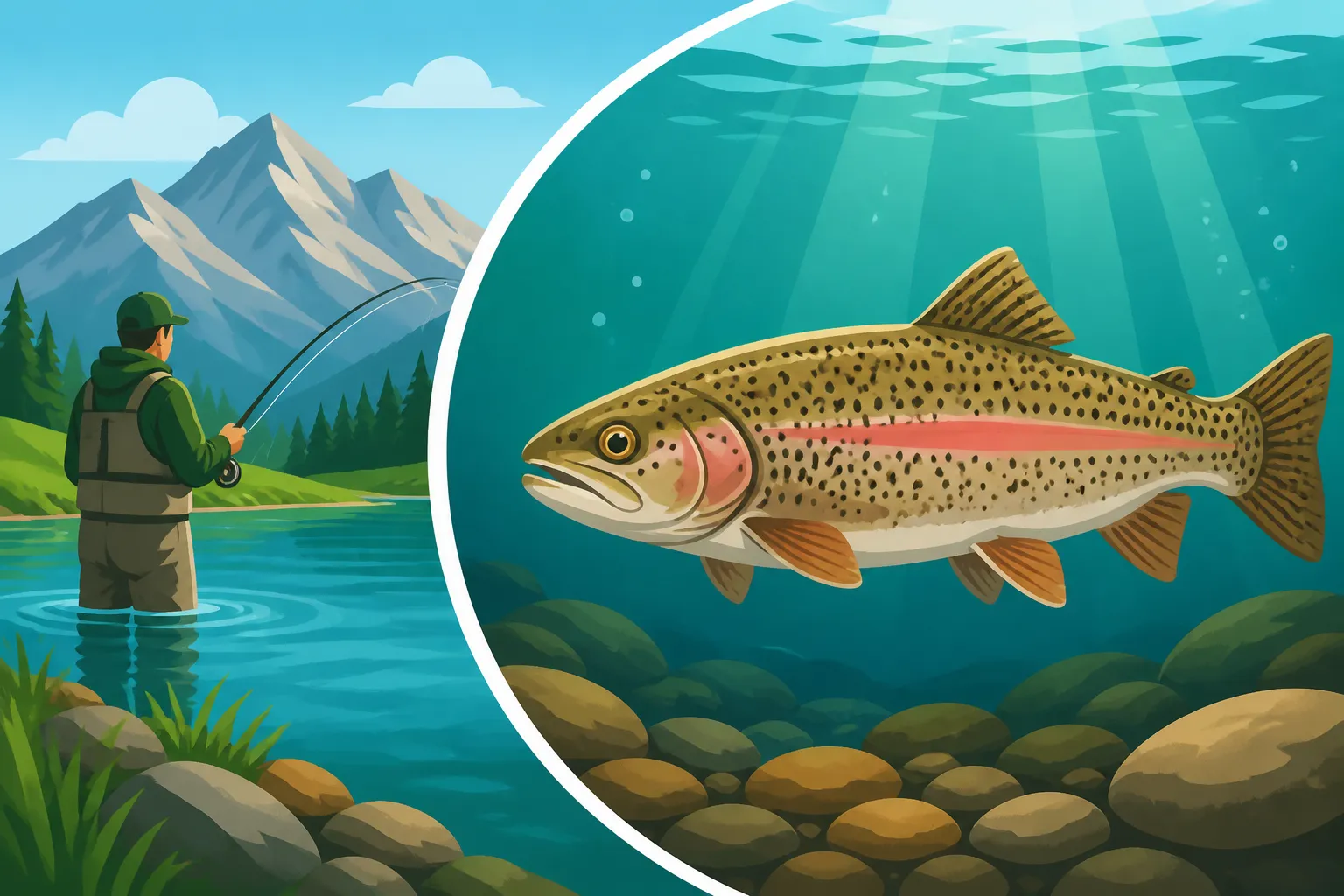
- Colouration: Hatchery trout can be somewhat drab or have a uniform, pale hue. Holdovers, exposed to natural diets of insects, crustaceans, and baitfish, and living in natural sunlight, develop far more vibrant and intense colours. Rainbow trout might display a more pronounced iridescent band, brown trout will have richer browns and reds, and cutthroats will show their distinctive red slash under the jaw more vividly. Their spots also tend to become more defined.
- Body Shape: Freshly stocked fish might look a bit "pot-bellied" or disproportionate due to a consistent pellet diet. Holdovers are leaner, more streamlined, and muscular, having actively hunted and evaded predators. They have a more athletic, torpedo-like shape, indicating they've adapted to their environment.
- Mouth and Jaws: In some cases, especially with larger holdovers, their jaws might appear more robust and worn from chasing and capturing natural prey.
If you want to delve deeper into trout identification, especially between similar species, checking out resources like How to tell a brown trout from a rainbow trout or How to tell a cutthroat from a rainbow trout can be incredibly helpful.
Tactics for Targeting Wary Holdovers
Catching a holdover trout often requires a shift in tactics. These aren't the eager, naive fish you might encounter right after a stocking truck has left. Holdovers are savvy survivors, and you need to approach them with stealth and strategy.
- Stealth is Key: Holdovers are easily spooked. Approach fishing spots quietly, minimize shadows over the water, and use natural cover. Longer casts can help keep you hidden from their keen eyesight.
- Fly Selection and Presentation: For fly anglers, matching the hatch is even more critical. Holdovers are much more selective about their food. Observe what insects are present, or use reliable patterns that mimic common forage in the area. For rivers like the Bow, specific patterns are often effective; consider Fly Patterns for the Bow River as a starting point. Presentation must be natural and drag-free.
- Lure Choice: If you're using spinning gear, small, realistic lures are often more effective than flashy, oversized options. Try small spoons, spinners, or crankbaits that mimic local baitfish or insects. Soft plastics on jig heads can also be deadly when fished subtly. Brands like Rapala or Mepps often have great options available on Amazon.
- Timing: Often, early morning or late evening when light is low, and fish are more actively feeding, can be prime times. Overcast days can also provide excellent conditions, as it reduces shadows and makes fish feel more secure.
- Location, Location, Location: Holdovers will gravitate towards areas that offer cover, current breaks, and consistent food sources. Look for submerged structures, undercut banks, deep pools, and areas where feeder creeks enter. Alberta has many fantastic spots; explore Best Fishing Rivers in Alberta and Best Fly Fishing Rivers in Alberta to discover potential holdover havens. You might even find some specialized holdover gear like a quality wading staff or a good pair of polarized sunglasses on Amazon that will give you an edge in spotting these elusive fish.
Responsible Angling for Holdover Trout
Because holdover trout represent such a valuable and resilient part of Alberta's fisheries, responsible angling practices are absolutely crucial. These fish have already proven their ability to survive and thrive; it's our duty as anglers to ensure they have the best possible chance to continue doing so, especially if we choose to release them.
Catch and Release Best Practices
Many anglers choose to release holdover trout, particularly larger ones, to allow them to continue their growth and potential contribution to the ecosystem. If you plan to release a holdover, adhering to proper catch and release techniques is paramount to minimizing stress and maximizing their survival rates.
- Minimize Fight Time: While holdovers fight hard, try to land them as quickly as possible to prevent excessive exhaustion. Prolonged fights can deplete their energy reserves, making them vulnerable after release.
- Use Barbless Hooks: Barbless hooks greatly reduce the damage to a fish's mouth and make hook removal much easier and faster. If your hooks aren't barbless, simply pinch down the barb with pliers. Many specialty trout hooks come barbless right out of the package.
- Keep the Fish in Water: The most critical rule is to keep the fish in the water as much as possible. Lifting them out, especially by their jaws or belly, can cause internal damage. If you need a photo, do it quickly with the fish barely out of the water, and support their body.
- Wet Your Hands: Always wet your hands before touching a fish. Dry hands can remove the protective slime coat, which is vital for their defense against disease.
- Gentle Hook Removal: Use forceps or pliers to remove the hook quickly and gently. If the hook is deeply embedded, it's often better to cut the line as close to the hook as possible rather than risk further injury trying to extract it.
- Revive Before Release: Hold the fish gently in the water, facing into a mild current, until it regains its strength and can swim away under its own power. Don't simply toss it back; ensure it's vigorous enough to escape predators.
For more detailed information on ethical handling, especially for sensitive species, refer to resources like How to Catch Bull Trout and Release Them Safely, as many of these principles apply universally to trout.
Protecting Their Future
Beyond individual catch-and-release practices, protecting the future of holdover trout in Alberta involves a broader commitment to conservation and adherence to regulations. These resilient fish symbolize the potential for our stocked waters to evolve and provide even richer angling experiences.
- Respect Regulations: Always know and follow Alberta's fishing regulations, including specific bait restrictions, catch limits, and seasonal closures for the waters you are fishing. These rules are in place to protect fish populations and their habitats. Consulting resources like Alberta Fishing Regulations Explained and Reading the Alberta Guide to Sportfishing Regulations is a must before heading out.
- Habitat Protection: Support organizations and initiatives that work to protect and restore aquatic habitats. Healthy habitats mean healthier fish populations, including more holdovers. Avoid littering, prevent the spread of invasive species, and report pollution.
- Advocate for Conservation: Engage with local fishing communities, share your knowledge, and advocate for sustainable fishing practices. The more informed and responsible anglers there are, the better the chances for our fisheries to thrive.
- Gear Up Responsibly: Invest in quality, appropriate gear that allows for ethical angling. From good landing nets with rubberized mesh (less harmful to fish) to forceps for easy hook removal, your equipment choices matter. Many essential items for responsible angling can be found readily on Amazon, ensuring you're prepared for any situation.
By understanding what a holdover trout is and committing to responsible angling, we can all contribute to the continued health and vibrancy of Alberta's incredible fishing opportunities.
Disclaimer
This article is for general informational purposes only and does not constitute professional advice. Laws, prices and regulations vary by location and change over time. Consult a qualified professional for guidance on your specific situation.