Best trolling speed for walleye
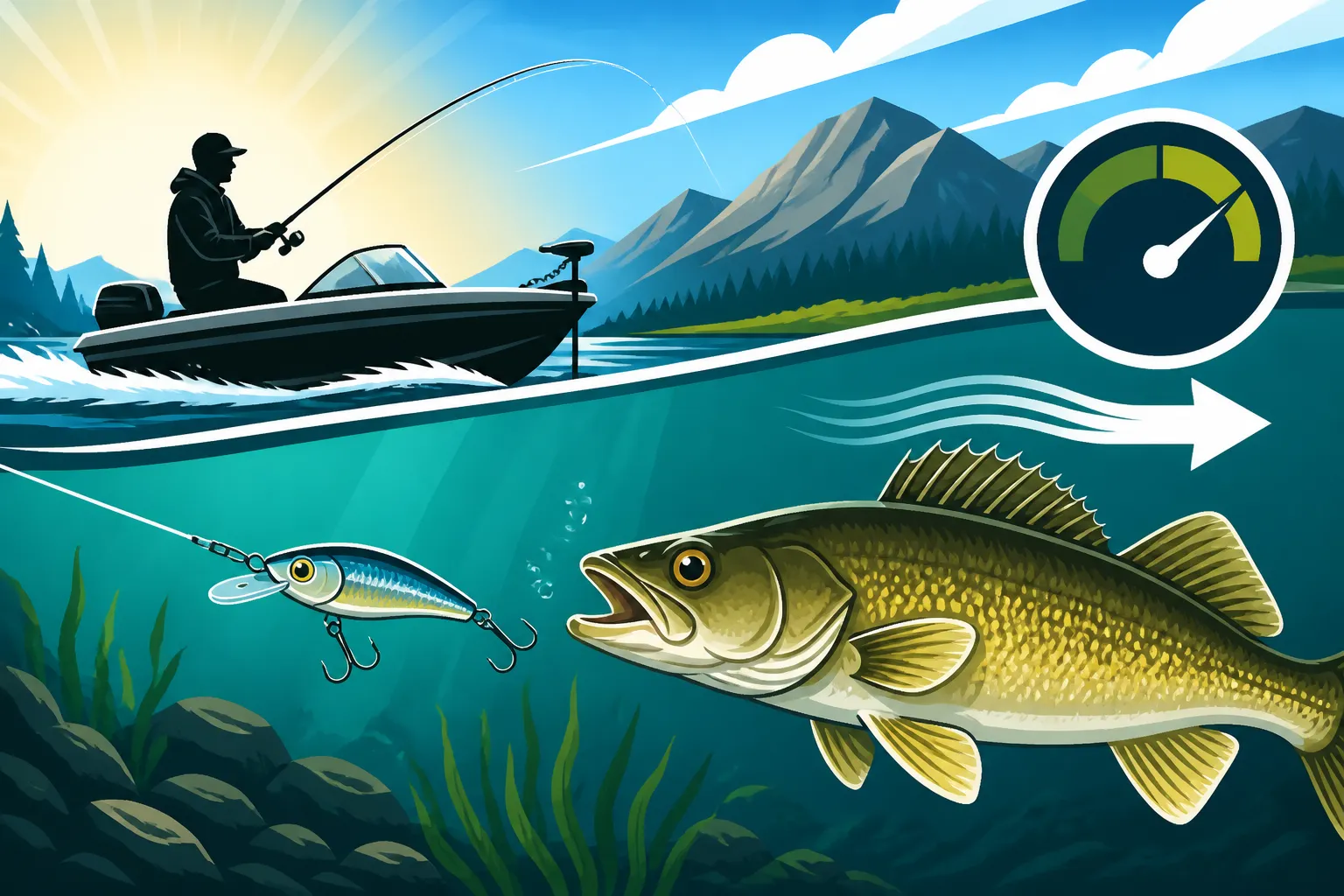
The frustration of hitting the water, carefully rigging up your favourite walleye spread, and then feeling like you're just dragging lures aimlessly is something every angler knows. It often boils down to one critical factor: your trolling speed. This guide is here to unravel the mystery of the best trolling speed for walleye in Alberta, helping you understand the nuances that turn a slow day into a productive one.
Understanding Walleye Behavior and How It Affects Trolling Speed
Walleye are incredibly sensitive to their environment, and their activity levels dictate how they react to a trolled lure. Knowing how they behave through the seasons and in different conditions is the first step to mastering your trolling speed. It’s not just about what you want your lure to do; it’s about what the walleye are willing to chase.
Walleye Metabolism and Activity Levels
Think about how you feel on a hot summer day versus a chilly autumn morning. Walleye are much the same. Their metabolism is heavily influenced by water temperature. In colder water, typically during early spring or late fall, their metabolism slows down. They're less inclined to expend a lot of energy chasing a fast-moving bait. This often means a slower, more deliberate retrieve or troll is necessary to entice a strike. They want an easy meal that doesn't require much effort. Conversely, in warmer summer waters, their metabolism is kicked into high gear. They're more aggressive, more active, and often more willing to pursue faster-moving prey. This is when you can often pick up the pace a bit and cover more water. Understanding this fundamental aspect of walleye biology is key to getting your speed right.
It's also worth noting that different fish species have different metabolic rates. While we're focusing on walleye, it's useful to remember that a technique perfect for a sluggish walleye might completely miss a more aggressive northern pike or a fast-swimming lake trout. Getting a handle on Walleye Fishing in Alberta means truly getting into their finned little heads.
Forage Base and Predatory Instincts
Walleye are predators, and their trolling speed should often mimic the speed of their natural prey. In many Alberta lakes, walleye feed on a variety of baitfish like cisco, perch, and various minnows. Observing the local forage, or even using your fish finder to locate bait schools, can give you clues. If the baitfish are tightly schooled and moving slowly, a slower troll with a subtle lure might be best. If the baitfish are scattered and darting, a faster, more erratic presentation could trigger a reaction strike.
Sometimes, walleye aren't actively feeding but can be coaxed into a "reaction strike" if a lure flashes past them quickly. This is where a slightly faster troll might come into play, even if they aren't in a full-on feeding frenzy. Consider the size of the baitfish; larger baitfish often imply a slower, more substantial meal, while smaller baitfish can be chased down quickly. The more you can match the hatch, so to speak, the better your chances. This connection between prey and predator is vital when you're considering the appropriate speed and lure type for What walleye eat in Alberta lakes.
Factors Influencing Your Ideal Trolling Speed
There isn't a single magic number for walleye trolling speed. It's a dynamic equation, constantly changing with the conditions. Season, water temperature, lure type, and even the clarity of the water all play significant roles.
Seasonal Variations and Water Temperature
As we touched on, the seasons in Alberta dramatically affect walleye activity.
- Early Spring (Ice-Out): Water temperatures are often in the 38-45°F (3-7°C) range. Walleye are sluggish. You'll want to troll very slowly, often in the 0.8-1.2 mph range, using baits that have good action even at these reduced speeds. Think minnow-imitating baits or subtle crankbaits that wobble with minimal forward momentum.
- Late Spring/Early Summer (Pre-Spawn/Post-Spawn): Temperatures rise to 45-60°F (7-15°C). Walleye become more active. Speeds can increase to 1.2-1.8 mph. This is a fantastic time for various crankbaits, spoons, and crawler harnesses. They're recovering from the spawn or aggressively feeding to prepare for it. Knowing the Walleye Spawning Season in Alberta can give you a heads-up on these behavioral shifts.
- Mid-Summer: Water temperatures are at their warmest, often 60°F (15°C) and above. Walleye are very active. This is when you can really pick up the pace, trolling anywhere from 1.5-2.5 mph, sometimes even faster depending on the lure. Deeper diving crankbaits, spinner rigs, and bottom bouncers with worms or leeches are highly effective.
- Fall: As water cools, walleye often go on a feeding binge to bulk up for winter. Temperatures drop back to 45-55°F (7-13°C). Speeds might start higher (1.5-2.0 mph) and gradually slow down as the water cools further, eventually returning to those slow spring speeds. Longer, slender minnow baits and deeper running crankbaits are good choices as walleye target larger baitfish. You can often find fantastic action well into October, but you need to adjust your approach constantly.
Lure Type and Action
The lure you choose is directly tied to your ideal trolling speed. Different lures are designed to perform best within specific speed ranges.
- Crankbaits: These are trolling staples. Most crankbaits have a built-in wobble or darting action that is optimized for a particular speed range. If you troll too slow, the bait might not "swim" properly; too fast, and it might blow out or spin uncontrollably. Read the manufacturer's recommendations if possible, or observe the lure's action beside the boat before deploying. Some cranks, like Rapalas or Berkley Flicker Shads, have a tight wobble that works well at moderate speeds, while others have a wider, more aggressive action.
- Spinner Rigs/Crawler Harnesses: These are extremely versatile. The blades on a spinner rig need enough speed to rotate properly and create flash and vibration. A speed of 0.8-1.5 mph is often ideal, ensuring the blades spin without getting fouled. When paired with live bait like a nightcrawler or leech, the slower speeds allow the bait to undulate naturally. If you're using these with bottom bouncers, ensure your speed is just enough to keep contact with the bottom without dragging excessively.
- Jigging Raps/Blade Baits: While primarily used for casting or vertical jigging, these can be trolled slowly, often with a stop-and-go action. They rely on erratic movements, so a slow troll with frequent pauses can be deadly, especially in cooler water.
- Spoons: Spoons often have a wobbling, fish-like action. They are typically more forgiving with speed, but a moderate speed (1.5-2.5 mph) usually gets the best flutter and flash. They can be very effective in deeper water or when walleye are chasing larger bait.
A good rule of thumb is to put your lure in the water next to your boat and observe its action at different speeds. Does it wobble consistently? Is it spinning? Does it look natural? This quick check can save you a lot of wasted time. You can often find a wide variety of these lures on Amazon to experiment with. When considering Best walleye lures for Lesser Slave Lake in summer, lure action at specific speeds is paramount.
Water Clarity and Light Conditions
These environmental factors indirectly influence how walleye perceive your lure, which then impacts the ideal trolling speed.
- Clear Water: In clear lakes like some of Alberta's mountain reservoirs or even clearer sections of larger prairie lakes, walleye have a better opportunity to inspect your lure. This can mean they are warier, and a slower, more natural presentation might be more effective. If you're going too fast, they might just see a blur and ignore it. On the other hand, a faster presentation can sometimes elicit a reaction strike before they have time to scrutinize. It’s a delicate balance.
- Stained or Murky Water: In less clear waters, walleye rely more on their lateral line (which detects vibrations) and scent. Here, a faster troll can sometimes be beneficial as it increases the vibration and flash, making your lure easier for them to detect. Lures with noisy rattles or strong thumping actions are also very effective.
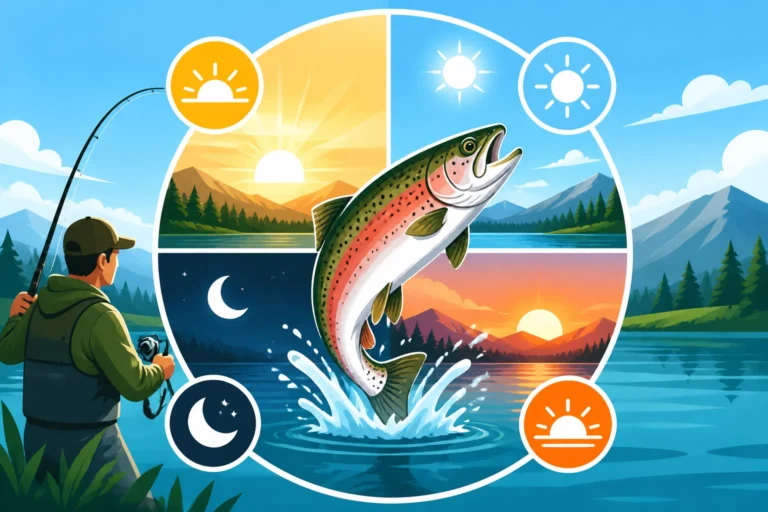
- Low Light (Dawn/Dusk/Overcast): Walleye are notorious for being low-light feeders. During these times, they often move shallower and become more aggressive. This can sometimes allow for slightly faster trolling speeds as they're actively hunting.
- Bright Sun: In bright conditions, especially in clear water, walleye often retreat to deeper, darker water or seek shade under structure. They can be pickier, and a slower, more subtle approach might be necessary to avoid spooking them.
Practical Tips for Dialing In Your Speed on Alberta Lakes
Now that we've covered the theoretical aspects, let's get into the practical side of finding that sweet spot for your trolling speed. It's all about experimentation, observation, and using the right tools.
Using Your Electronics to Your Advantage
Modern electronics are game-changers for trolling. Your fish finder isn't just for locating fish; it's a vital tool for understanding your environment and optimizing your speed.
- GPS Speed: Your GPS-enabled fish finder or dedicated GPS unit will provide accurate ground speed. This is crucial because boat speed gauges can be inaccurate, especially with current or wind. Aim to keep an eye on your GPS speed constantly and make small adjustments. A change of just 0.1 or 0.2 mph can sometimes make all the difference. Many anglers mark productive speeds on their GPS for future reference.
- Fish Finder Walleye Identification: Pay attention to how walleye appear on your screen. Are they tightly schooled? Are they spread out? Are they hugging the bottom? This can help you determine their activity level. If they're tightly schooled and suspended, they might be actively chasing bait, suggesting a moderate to faster troll. If they're belly-to-the-bottom, they might be more lethargic, requiring a slower presentation. A good quality fish finder, which you can easily research on Amazon, will be an invaluable asset here.
- Baitfish and Structure: Use your fish finder to locate baitfish schools, drop-offs, humps, and other structure where walleye might be holding. Trolling just outside or along these features at the right speed can be incredibly productive. For example, if you see a school of baitfish at 15 feet over a 25-foot flat, you'll want to adjust your lure depth and speed to target that specific zone. This kind of detailed scouting is essential for success, especially in larger bodies of water like Lesser Slave Lake.
The Role of Current and Wind
Current and wind are often overlooked factors, but they dramatically affect your actual lure speed and action.
- Current: In rivers like the North Saskatchewan or even in large lakes with subtle current, your boat's speed through the water might be different from your speed over ground. If you're trolling upstream against the current, your boat's speed needs to be higher to achieve the same lure action as trolling downstream. Conversely, trolling with the current means you'll need less boat speed to get that lure moving. Always monitor your GPS speed, but also consider how the current is affecting the bait.
- Wind: Wind creates waves and can push your boat around, making it difficult to maintain a consistent speed and direction. Using a quality trolling motor, often with GPS-enabled spot-lock or course-keeping features, can help counteract this. If you're fighting a strong headwind, your motor will work harder, and you might need more throttle to maintain your desired speed. When trolling with the wind, you'll need less throttle. Side winds can cause your boat to crab, affecting the path of your lures. Be prepared to adjust your motor's thrust and direction frequently. This is where a reliable Best Trolling Motor for a Fishing Kayak or even a full-sized boat can really shine.
Implementing the "S-Turn" Technique
This simple yet effective technique can help you cover more water and test different speeds simultaneously. Instead of trolling in a straight line, intentionally make wide, gradual S-turns with your boat.
- Varying Speeds: As your boat turns, the lures on the inside of the turn will slow down, while the lures on the outside of the turn will speed up. This presents your lures at a range of speeds and actions. Often, a walleye will strike during one of these speed changes.
- Covering Depths: S-turns also cause your lures to subtly change depth. As the lure speeds up on the outside of the turn, it might dive slightly deeper; as it slows on the inside, it might rise a bit. This can help you pinpoint the exact depth the walleye are holding.
- Pattern Recognition: If you get a strike consistently on the inside turn, it suggests walleye prefer a slower presentation. If strikes come on the outside, they're likely hitting a faster, more aggressive bait. This instant feedback helps you quickly dial in your speed and presentation.
| Condition | Water Temperature Range | Suggested Starting Speed (MPH) | Lure Type Examples |
|---|---|---|---|
| Early Spring (Ice-Out) | 38-45°F (3-7°C) | 0.8 – 1.2 | Small minnow cranks, subtle jigs |
| Late Spring/Early Summer | 45-60°F (7-15°C) | 1.2 – 1.8 | Crankbaits, spinner rigs, crawler harnesses |
| Mid-Summer | 60°F+ (15°C+) | 1.5 – 2.5+ | Deep-diving cranks, spinner rigs, spoons |
| Fall (Cooling Water) | 45-55°F (7-13°C) | 1.0 – 2.0 | Long minnow cranks, larger spoons |
| Clear Water / Picky Fish | Variable | Slower side of range | Natural colored baits |
| Stained Water / Active Fish | Variable | Moderate to faster side of range | Bright colors, noisy cranks |
Troubleshooting and Adjusting Your Trolling Speed
Even with all the knowledge in the world, some days walleye just don't cooperate. That's when it's time to troubleshoot your speed and make adjustments. It's a continuous process of trial and error.
When Nothing is Biting: What to Tweak
You've been trolling for a while, covering good water, seeing fish on the sonar, but no bites. Don't panic! This is the most common scenario and a perfect time to make some intelligent adjustments.
- Vary Your Speed: The first and most obvious change is to simply vary your speed. If you've been going 1.5 mph, try bumping it down to 1.2 mph for a few passes, then up to 1.8 mph. Even small changes, like 0.1 mph increments, can be the trigger. Remember the S-turn technique here to test multiple speeds simultaneously.
- Change Lure Action/Color: Sometimes it's not the speed, but the lure itself. If you're using a tight-wobble crankbait, try switching to one with a wider, more erratic action. Or vice-versa. Color is also critical; in clear water, natural colors often excel, while in stained water, brighter colors or those with UV finishes can be more visible. Having a diverse tackle box, easily assembled from items found on Amazon, is crucial.
- Check Your Depth: Are your lures running at the right depth where the walleye are? Your fish finder will show you where the fish are holding. Use dive curves for your crankbaits or adjust the weight on your bottom bouncers to get into the strike zone. Sometimes walleye are suspended, other times they're hugging the bottom. This is where precision pays off. Don't forget to factor in line diameter and length of line out when calculating depth.
The Importance of Consistent Boat Control
Maintaining consistent boat control is paramount for effective trolling. It's not just about speed, but also about direction and precision.
- Using Your Trolling Motor: For precise speed control, especially at slower speeds, a bow-mount electric trolling motor is invaluable. It allows you to make minute speed adjustments and steer with incredible accuracy, keeping your lures in the productive zone for longer. Many advanced models offer GPS-enabled features that maintain a course even against wind and current, freeing you up to focus on your rods.
- Steering and Course: Avoid jerky steering. Maintain a smooth, consistent course. Walleye often follow a lure for a while before striking, and sudden changes can spook them. However, as mentioned with S-turns, intentional, gradual changes can be highly effective. If you mark fish on your sonar, try to steer back over that exact spot.
- Drifting vs. Trolling: Sometimes, especially in extremely cold water or when walleye are very lethargic, a slow drift with the wind or current might be more effective than powered trolling. This can achieve speeds even lower than your trolling motor can consistently maintain. You can still use lines with weights or bottom bouncers to keep your lures near the desired depth.
Ultimately, finding the best trolling speed for walleye in Alberta is an art as much as it is a science. It requires patience, observation, and a willingness to experiment. By understanding walleye behavior, paying attention to the myriad of influencing factors, and utilizing your equipment effectively, you'll be well on your way to more consistent success on our beautiful Alberta waters. Whether you're targeting Best walleye spots on Lesser Slave Lake or the less explored waters, remember these tips.
Disclaimer
This article is for general informational purposes only and does not constitute professional advice. Laws, prices and regulations vary by location and change over time. Consult a qualified professional for guidance on your specific situation.