Walleye Spawning Season in Alberta
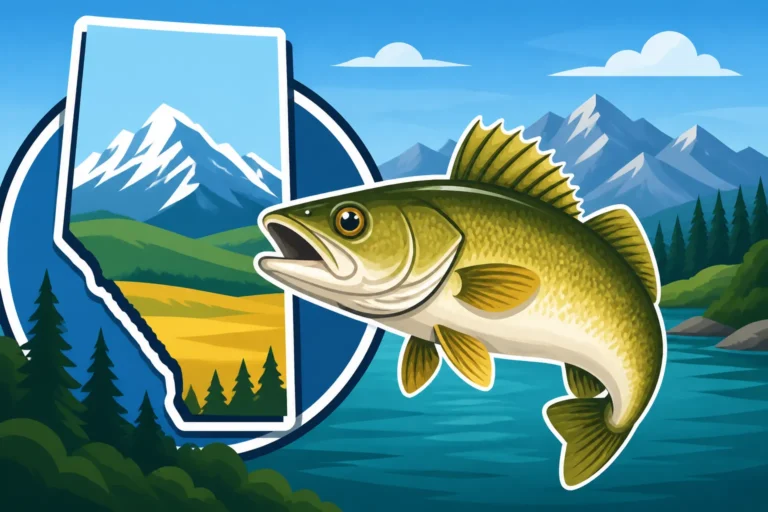
For many anglers across Alberta, there's a certain thrill that comes with chasing walleye. But understanding the rhythm of these elusive fish, especially during their spawning season, can feel like trying to solve a complex puzzle. Knowing when and where walleye spawn, and what factors influence this critical time, is key to both successful fishing and ensuring the health of our precious fisheries. This comprehensive guide will pull back the curtain on the walleye spawning season in Alberta, helping you navigate this sensitive period with knowledge and respect for the fish.
Understanding Walleye Spawning: A Crucial Cycle
Walleye spawning is more than just fish reproducing; it's a vital annual event that dictates the future populations in our lakes and rivers. For anglers, recognizing this cycle isn't just about finding fish, it's about understanding the biology that underpins the health of our aquatic ecosystems. Ignoring it means missing out on crucial insights into their behavior and, more importantly, potentially harming future generations of fish.
The Biological Imperative
The drive to spawn is an overwhelming instinct for walleye, triggered by a combination of environmental cues. As the ice begins to recede and spring progresses, mature walleye, often grouped into large schools, begin their migration to specific spawning grounds. This isn't a casual swim; it's a directed journey fueled by millennia of evolution, ensuring the continuation of their species. The success of this annual ritual directly impacts how many walleye we'll see in our waters in the years to come, which is why understanding it is so incredibly important for anyone who cares about Walleye Fishing in Alberta.
During this period, female walleye, heavy with eggs, are typically accompanied by several smaller males. The males arrive at the spawning grounds first, preparing the areas and waiting for the females. Once the females arrive, the spawning frenzy begins. It's a chaotic, energy-intensive process, and the fish are often so focused on reproduction that their usual feeding behaviors take a backseat.
Ideal Spawning Conditions
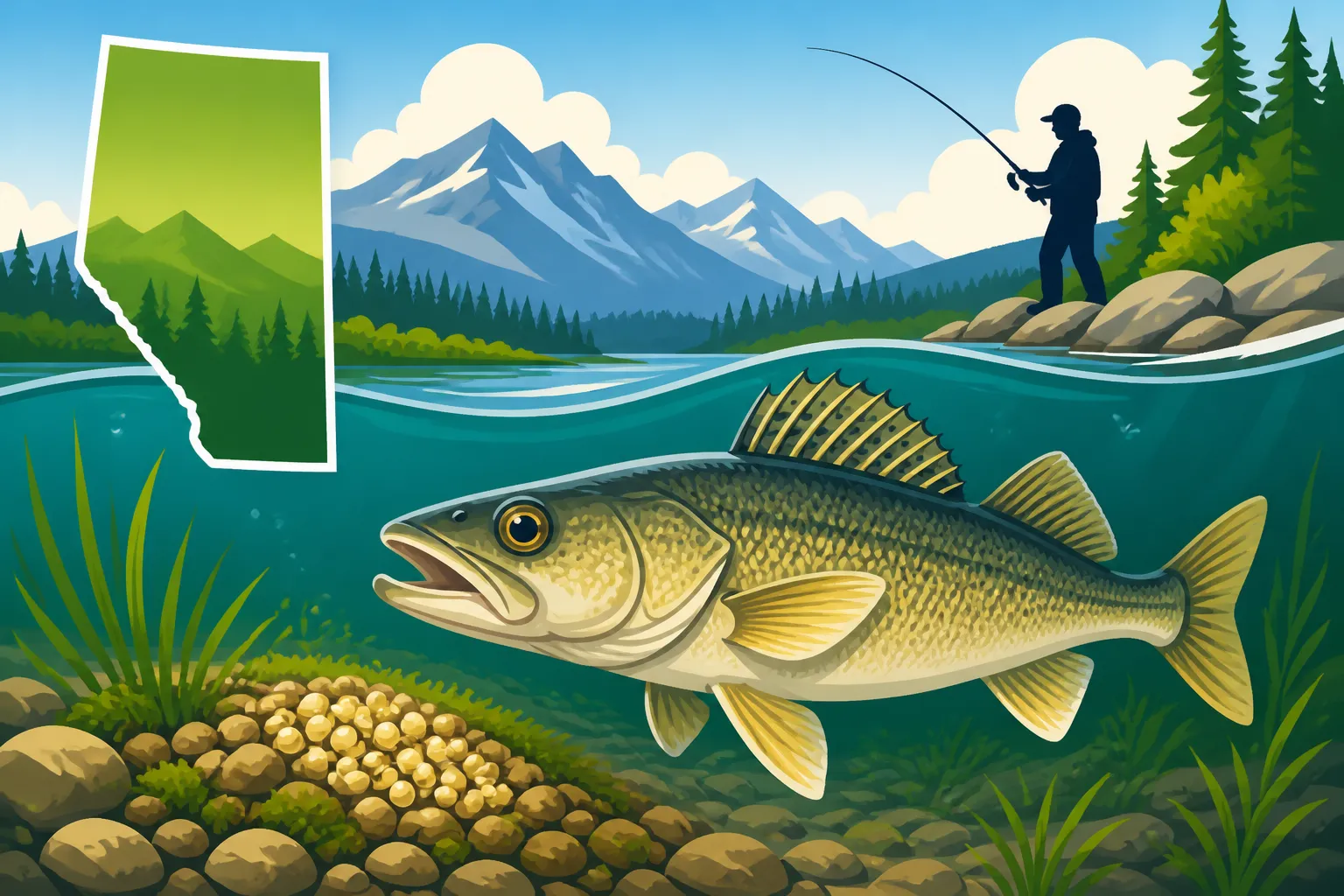
Walleye are quite particular about their spawning habitat. They prefer hard-bottom areas—think rocky shoals, gravel bars, and riprap shorelines—in shallower water, usually ranging from 2 to 6 feet deep. These areas need a good current or wave action to keep the eggs oxygenated and free from silt. They rarely spawn on soft, silty, or weedy bottoms. These specific requirements mean that suitable spawning areas might be limited in some lakes, making these spots critical for the population.
The depth also needs to be consistent enough to prevent rapid temperature fluctuations or exposure to air, which could harm the delicate eggs. Clean water is also paramount; turbidity can smother eggs and reduce their chances of hatching. Finding these optimal conditions is a primary factor in where walleye choose to drop their eggs year after year.
Typical Timing in Alberta Waters
While the exact timing can vary slightly from year to year depending on local weather conditions, walleye in Alberta typically begin their spawning run shortly after ice-out, usually from late April through early June. The peak of the spawn often falls in mid-May. This period is intrinsically linked to rising water temperatures, which signal to the fish that it’s time to move to their chosen grounds.
It's a critical window, often lasting only a week or two for an individual fish, though the entire spawning period for a lake or river system might stretch longer as different schools or individuals complete their cycle. This brief, intense period is when walleye are most vulnerable and concentrated, making knowledge of its timing crucial for ethical angling. Understanding this general timeline allows you to anticipate movements and adjust your fishing plans accordingly, always with conservation in mind.
Environmental Factors Influencing the Spawn
Nature calls the shots when it comes to the walleye spawn, and various environmental factors play a huge role in when, where, and how successfully it occurs. These aren't just minor details; they are the fundamental triggers and conditions that allow walleye to reproduce effectively, making them paramount for anglers to observe and respect.
Water Temperature's Role
The most significant environmental trigger for walleye spawning is water temperature. Walleye typically begin their spawning migrations when water temperatures reach about 4 to 6 degrees Celsius (39-43°F). The actual egg deposition, or peak spawning, usually occurs when the water temperature is between 6 and 10 degrees Celsius (43-50°F). If spring is late and water temperatures remain stubbornly cold, the spawn will be delayed. Conversely, an early warm spring can bring it on sooner.
Sudden drops in temperature during the spawn can cause fish to pause their activity or even retreat from spawning grounds temporarily, impacting the overall success. This is why paying close attention to water temperature using a good thermometer is far more telling than just looking at the calendar. It helps determine when Best Time of Day to Catch Walleye might also be shifting.
Light and Day Length
While water temperature is the primary driver, the increasing day length in spring also plays a role in signaling the approach of spawning season. As the days grow longer, it cues the walleye's biological clock, influencing hormone production that prepares them for reproduction. This photopereriod effect works in conjunction with rising water temperatures, acting as a double-check system from nature.
For the actual act of spawning, walleye often prefer to spawn under the cover of darkness or in low-light conditions, particularly at dusk and dawn. This can provide some protection from predators that might otherwise feast on their exposed eggs or the vulnerable adults. This preference for low light also influences when anglers might find walleye most active near spawning areas.
Habitat Requirements and Quality
The physical characteristics of the spawning grounds are non-negotiable for walleye. They absolutely need clean, oxygenated rocky or gravelly bottoms. These substrates prevent the eggs from sinking into suffocating silt and allow for good water circulation to deliver oxygen. Shallow depths also ensure the sun can warm the water effectively and provide enough light penetration for larval development once the eggs hatch.
The availability of such high-quality spawning habitat is a limiting factor in many Alberta lakes and rivers. If a lake has extensive muddy bottoms or heavy aquatic vegetation in shallow areas, suitable walleye spawning grounds might be scarce. Loss of these critical habitats due to shoreline development, erosion, or pollution can severely impact walleye populations. Conservation efforts often focus on protecting and restoring these vital areas.
Signs of Spawning Activity
Knowing when walleye spawn is one thing, but actually being able to identify the signs of pre-spawn and active spawning can give you a significant advantage, both for angling success and for knowing when to tread lightly. It's about observing nature's cues, not just blindly casting a line.
Pre-Spawn Movements and Concentrations
Before the actual egg-laying begins, walleye embark on their spawning migrations. In large lakes, this means moving from deeper wintering grounds towards river mouths, inlets, or specific shallow rocky reefs. In rivers, they'll often move upstream to areas with suitable gravel bottoms and current. During this pre-spawn phase, walleye will often stage in transitional areas just outside the immediate spawning grounds, waiting for conditions to be just right. These staging areas can see high concentrations of fish, making them popular spots for early-season anglers.
You might notice increased activity on your sonar, showing schools of fish congregating in these areas. The males typically arrive first, scouting the territory, followed by the larger, egg-laden females. Observing these movements on your fish finder or by talking to local bait shops can give you clues about when the main event is about to kick off.
Visual Cues in the Water
While walleye are generally secretive, during the peak of the spawn, some visual cues can be observed, especially in clear, shallow waters. You might occasionally see dark shapes darting and swirling over rocky bottoms, particularly during low light hours. This is the spawning ritual, with males bumping and jostling females to encourage egg release, and then fertilizing them.
If you’re very attentive and on a quiet body of water, you might even hear subtle splashes or see ripples in shallow, rocky areas during peak nocturnal spawning. These are not always obvious, and often require calm conditions and a keen eye. However, such observations are a clear indicator that walleye are actively spawning in the vicinity.
Changes in Fish Behavior
During the spawning period, walleye behavior shifts dramatically. Their primary focus is reproduction, not feeding. This doesn't mean they stop eating entirely, but their aggression and willingness to chase lures often decrease. Fish caught during this time, especially females, might feel quite soft and slender after having released their eggs.
Post-spawn, these fish are often exhausted and might be lethargic for a period before they begin their recuperation and feed aggressively again. Recognizing this shift in behavior—from pre-spawn aggressiveness to spawning indifference and then post-spawn recovery—is crucial. Anglers who force the bite during the peak spawn might be interrupting a vital natural process. Respecting these behavioral changes is a hallmark of a responsible angler, as outlined in Alberta Fishing Regulations Explained.
Fishing During the Walleye Spawn
Fishing during the walleye spawn is a topic that often sparks debate among anglers. While it can be tempting to target these concentrated fish, it comes with significant ethical considerations and regulatory nuances. Understanding how to approach this period responsibly is key to maintaining healthy walleye populations.
Ethical Considerations
The most important aspect of fishing during the spawn is ethics. Walleye are at their most vulnerable during this time. They are focused on reproduction, often less wary, and concentrated in specific areas. Catching and handling egg-laden females can be particularly stressful, potentially leading to egg retention or mortality, which directly impacts future generations. While it's not always illegal to fish during the spawn, many anglers choose to either avoid known spawning areas entirely or switch to targeting other species.
If you do choose to fish, practicing extreme catch-and-release care is paramount. Minimize handling, use barbless hooks, and get fish back into the water as quickly and gently as possible. It's about giving the fish the best chance to complete their natural cycle. Think about the long-term health of the fishery over a momentary catch.
Specific Regulations During Spawn
Alberta Fish and Wildlife often implements specific regulations designed to protect walleye during their spawning season. This can include closed seasons on certain lakes or rivers, specific zone closures, or reduced bag and possession limits. For instance, some lakes might have a "zero possession" limit for walleye during certain spring months, or only allow catch and release. These regulations are put in place for a reason: to safeguard the future of the species.
It is absolutely vital to consult the current Alberta Guide to Sportfishing Regulations for the specific zone and water body you plan to fish. Regulations change, and what was legal last year might not be this year. Ignorance of the law is no excuse, and penalties for violations, as detailed in Fishing Without a License in Alberta: Penalties, can be severe. Always check the rules before you go.
Techniques and Lures for Pre- and Post-Spawn Walleye
While actively spawning walleye are often difficult and unethical to target, the pre-spawn and post-spawn periods can offer fantastic fishing opportunities. During pre-spawn, walleye are hungry and aggressive, gorging themselves before the energy-intensive spawn. Jigs tipped with minnows or soft plastics, crankbaits, and even large swimbait can be highly effective when fished near staging areas. For example, some popular walleye lures can be found on Amazon, making it easy to stock up.
Post-spawn, after a brief recovery period, walleye often become incredibly aggressive as they look to replenish their depleted energy reserves. This is a great time for trolling with crankbaits or spinner rigs in slightly deeper water, or jigging weed lines and structure. Many anglers find that these are the most productive times to target walleye ethically. You can explore a wide variety of fishing gear, including new lures and tackle, on platforms like Amazon to prepare for these productive periods. For those specifically targeting these fish, guides like How to Catch Walleye in Alberta offer excellent tactical advice.
Conservation and Responsible Angling
The future of Alberta's walleye fisheries rests squarely on the shoulders of all anglers. Understanding and practicing conservation is not just a suggestion; it's a responsibility, particularly during the sensitive spawning season. By adopting responsible angling practices, we ensure that these incredible fish continue to thrive for generations to come.
Catch and Release Best Practices
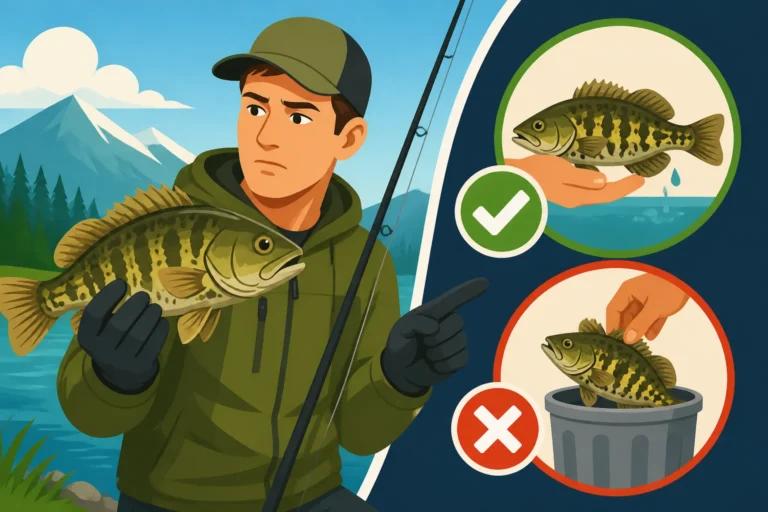
When fishing for walleye, especially during the spring, practicing proper catch and release techniques is paramount. This means minimizing the time the fish is out of the water, handling it gently with wet hands, and supporting its full body weight. Avoid squeezing the fish, particularly around the belly where vital organs and, for females, developing eggs are located. Use pliers to quickly remove hooks, and if a fish is deeply hooked, consider cutting the line as close to the hook as possible rather than tearing tissue trying to extract it.
Using barbless hooks or pinching down barbs on your hooks makes removal much easier and less damaging to the fish. When releasing, gently hold the fish upright in the water until it swims away under its own power. These simple steps dramatically increase the survival rate of released fish, which is especially important for Bull Trout: Alberta's Threatened Native Fish and other sensitive species too.
Protecting Spawning Grounds
One of the most impactful things anglers can do is to be mindful of, and avoid disturbing, known walleye spawning grounds during the critical spring period. This means staying away from shallow, rocky shorelines, gravel bars, and river sections where walleye are known to congregate for reproduction. Running boat motors through these areas can disrupt spawning activity, dislodge eggs, and even damage the delicate habitat.
Consider the long-term health of the fishery over the short-term desire to catch a fish. Giving walleye the peace and quiet they need to successfully reproduce is one of the greatest contributions an angler can make to conservation. Supporting local conservation initiatives that aim to protect and restore these critical habitats is also a fantastic way to give back.
Reporting Violations
If you witness someone violating fishing regulations, especially regarding protected species or during sensitive spawning periods, it's important to report it. Alberta Fish and Wildlife officers rely on public cooperation to enforce regulations and protect our natural resources. Take note of details such as location, time, vehicle descriptions, license plates, and any specific actions observed.
Reporting suspected poaching or violations helps ensure that regulations are respected and that the sacrifices made by responsible anglers are not undermined by those who disregard the rules. It's a collective effort, and every responsible angler plays a part in safeguarding Alberta's fish populations.
Post-Spawn Behavior and Fishing Opportunities
The spawning season, while critical, is just one chapter in the walleye's annual cycle. Once the eggs are laid, walleye enter a new phase, marked by recovery and a renewed focus on feeding. This post-spawn period presents unique opportunities for anglers who understand how walleye behavior shifts.
Recovery and Feeding Patterns
Immediately after spawning, walleye, particularly the females, are exhausted and physically depleted. Their bodies, once swollen with eggs, are now lean and need to replenish lost energy. For a short period, they might be lethargic and less interested in feeding. However, this recovery phase quickly transitions into a period of aggressive feeding. Walleye will seek out easy meals to regain their strength, making them quite catchable for prepared anglers.
They'll often target smaller baitfish, insects, and crustaceans. Their metabolism is starting to ramp up with rising water temperatures, requiring more frequent meals. This post-spawn hunger makes them vulnerable to a variety of presentations. Knowing where these fish are likely to recover and what they're looking for can lead to some truly memorable days on the water.
Shifting Locations
After the spawn, walleye typically disperse from their shallow, rocky spawning grounds. They'll often move to slightly deeper transition areas, seeking cover and food. This might include weed lines, submerged structures like humps and points, or the edges of drop-offs. They're still relatively shallow compared to their deep-water summer haunts but have moved beyond the immediate vulnerability of the spawning beds.
Males often remain closer to the spawning areas for a longer period than females, while females tend to move to deeper, cooler water to recover. Locating these post-spawn holding areas requires a good understanding of lake or river contours and knowledge of where baitfish are congregating. Utilizing your fish finder to locate schools of bait and nearby structure can be incredibly effective during this time. For specific lake strategies, consider resources like Best Walleye Lakes in Alberta which often detail seasonal movements.
Transition to Summer Habits
As spring progresses and water temperatures continue to rise, post-spawn walleye gradually transition into their full summer patterns. This means moving to deeper, cooler water during the heat of the day, often relating to significant underwater structures such as main lake humps, deep points, and thermocline edges. They become more active during low light periods – dawn, dusk, and even night – moving into shallower feeding flats or weed edges to hunt.
Understanding this progression from post-spawn recovery to established summer patterns is key to year-round walleye success. The lures and techniques that worked during pre-spawn or immediate post-spawn might need to be adjusted to match their deeper, more scattered distribution and altered feeding habits of summer. For example, while you can find various Best Crankbaits for Alberta Walleye online at retailers like Amazon, selecting the right size and diving depth for summer walleye will be crucial.
To summarize the typical walleye spawning conditions:
| Factor | Preferred Condition | Notes |
|---|---|---|
| Water Temp | 6-10°C (43-50°F) | Primary trigger; anything colder delays, warmer can accelerate. |
| Bottom Type | Rocky, gravel, rubble, riprap | Essential for egg oxygenation and protection from silt. |
| Depth | 0.6-2 meters (2-6 feet) | Shallow but deep enough for stability; often near current/wave action. |
| Time of Year | Late April – Early June (post-ice out) | Varies annually based on spring weather conditions. |
| Light | Low light (dusk, dawn, night) | Often prefer spawning under cover of darkness. |
| Location | River mouths, inlets, rocky shorelines, reefs | Areas with good current or wave action. |
By respecting the walleye spawning season and understanding the intricacies of their life cycle, we contribute to a thriving fishery for everyone to enjoy. It's about being an educated and ethical angler, not just a successful one.
Disclaimer
This article is for general informational purposes only and does not constitute professional advice. Laws, prices and regulations vary by location and change over time. Consult a qualified professional for guidance on your specific situation.