What walleye eat in Alberta lakes
It's a question that has plagued every Alberta angler, from the seasoned veteran to the eager newcomer, staring out at the vast expanse of a lake or river: "What in the world are these walleye eating today?" We all know that understanding a fish's diet is like having a secret weapon in your tackle box. It tells you where they'll be, what they'll bite, and ultimately, how to fill your livewell (or your camera roll!). This comprehensive guide is going to peel back the layers on the walleye's menu in Alberta lakes, helping you crack the code and put more of these sought-after fish on your line.
The Primary Forage Base: Alberta's Little Fishy Delights
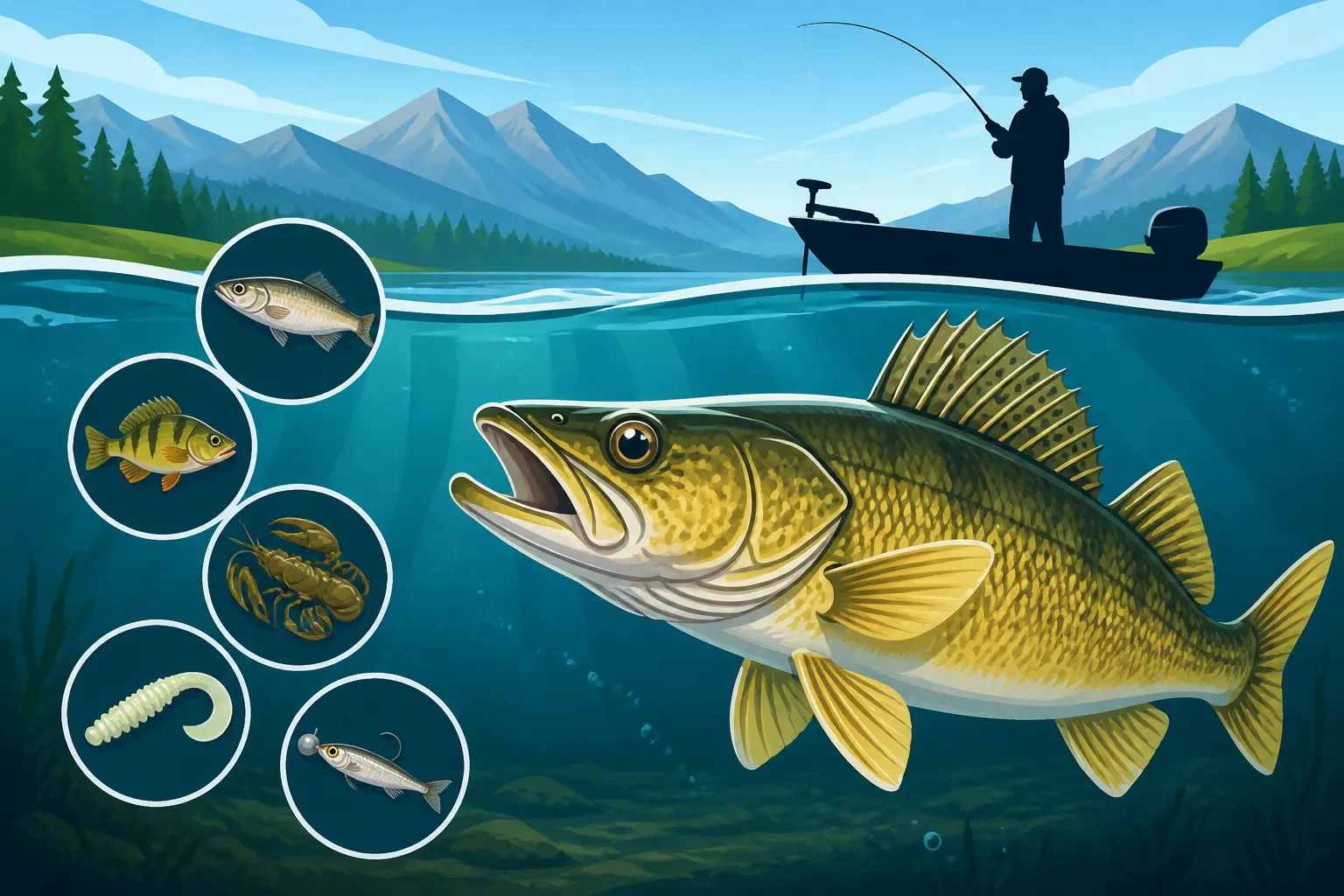
Walleye are primarily piscivores, which is a fancy way of saying they love to eat other fish. In Alberta, our lakes and rivers offer a buffet of smaller species that make up the bulk of a walleye's diet. Understanding these key forage fish is crucial because it directly influences your lure choice, bait selection, and even where you decide to drop your line. It’s all about matching what the walleye are already looking for.
Perch: The Walleye's Favorite Snack
If there's one fish that epitomizes the ideal walleye meal in Alberta, it's the yellow perch. These striped beauties are absolutely everywhere in our walleye-rich lakes, and they're like candy to a hungry walleye. Perch have soft rayed fins, a relatively compact body profile, and they tend to school up, making them an easy and efficient meal for predatory walleye. Think about it: a walleye doesn't want to expend a ton of energy chasing down a single, nimble minnow when it can ambush a whole school of plump perch.
You'll often find perch inhabiting weed lines, rocky structures, and even open water, putting them in prime real estate for walleye to hunt. When walleye are actively feeding on perch, they're often found in similar habitats, especially along drop-offs adjacent to weed beds or over rocky reefs where perch like to hide. Anglers who mimic the size, shape, and color of yellow perch with their lures often find tremendous success. Best Baits for Walleye on Lesser Slave Lake often revolves around perch imitations for this very reason.
Cisco (Lake Herring): A Deepwater Power Source
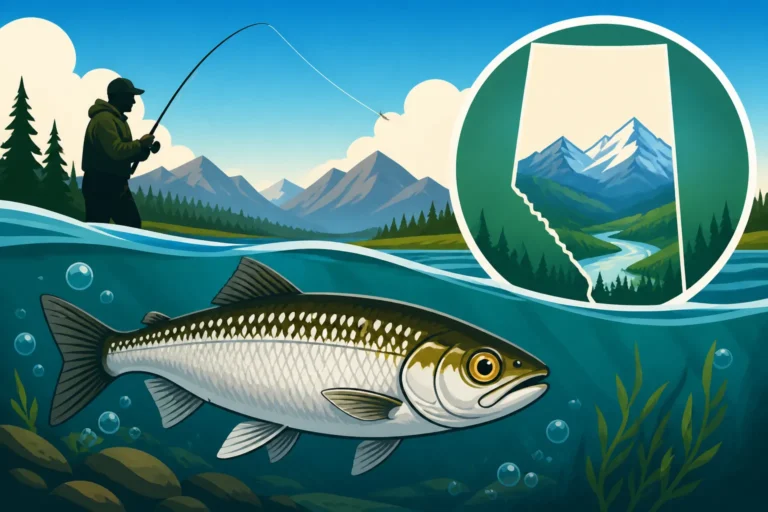
In many of Alberta's larger, deeper lakes, cisco, also known as lake herring, are another absolutely vital component of the walleye diet. Unlike perch, cisco are more open-water, pelagic fish, meaning they cruise the mid-water columns and deeper basins. They are sleek, silvery, and very oily, providing a significant caloric punch for growing walleye. Walleye that have access to abundant cisco populations tend to grow larger and fatter.
Fishing lakes like Cold Lake or Lesser Slave Lake, where cisco are plentiful, often means walleye are keying in on these deepwater snacks. When walleye are feeding on cisco, they'll often suspend in open water, following the cisco schools, or relate to deepwater structures like humps and submerged islands where cisco might congregate. Understanding this helps you target walleye in the right depth zones, often requiring different tactics than when they're feeding on perch in shallower water. Think about your electronics here; a good fish finder can be your best friend in locating these deepwater schools.
Minnows and Shiners: The Everyday Meal
Beyond perch and cisco, a variety of smaller minnow species and shiners play a consistent, if sometimes less prominent, role in a walleye's diet. Species like emerald shiners, spottail shiners, and various dace and chub species are abundant in many Alberta waters. These smaller baitfish are often found in shallower areas, near shore, or in river systems, providing a ubiquitous food source for walleye of all sizes. They're like the ubiquitous fast food of the walleye world – always available.
While they might not offer the same substantial meal as a large perch or cisco, their sheer numbers make them an important caloric contribution. Walleye will opportunistically feed on schools of minnows, especially in areas where other primary forage might be less dense. If you're fishing in a new lake and aren't sure what the main forage is, starting with a minnow-imitating lure or live minnows is almost always a safe bet. It's the universal language of walleye food, appealing across a wide range of conditions and locations.
Beyond the Baitfish: Opportunistic Eating Habits
While walleye predominantly chase other fish, they are also incredibly opportunistic feeders. They won't turn up their nose at a convenient, nutritious meal, even if it's not swimming with fins. This adaptability is part of what makes them such successful predators in diverse environments across Alberta. Knowing these alternative food sources can give you an edge when the fish bite seems to be off, or when you're fishing in waters where traditional baitfish are scarce.
Aquatic Insects and Larvae: When the Bite is Tough
Especially in certain situations, such as early in the season when new hatches are emerging, or in lakes with lower baitfish populations, walleye (particularly younger ones) will readily consume aquatic insects and their larvae. Things like mayfly nymphs, dragonfly larvae, and even leeches become appealing targets. While a mature walleye won't survive solely on these, they can be a significant part of their diet during specific times of the year or in certain water bodies.
If you've ever had a day where the walleye just aren't hitting your crankbaits or minnows, but you know they're there, consider a more subtle approach. Using small jigs tipped with a worm or a soft plastic that mimics a large insect or leech can sometimes trigger bites. This is particularly true in river systems or smaller lakes where insect life is prolific. It’s a good reminder that walleye aren't always looking for a big, flashy meal; sometimes, they're just grazing.
Crayfish and Other Invertebrates: Bottom-Dwelling Treats
Crayfish are another fantastic, high-protein food source for walleye in many Alberta lakes and rivers. These crustaceans, often found scuttling along the bottom amongst rocks or under logs, are a prized meal. Walleye will cruise rocky bottoms, riprap shorelines, and areas with submerged timber specifically looking for crayfish. If you've ever cleaned a walleye and found a bright red claw or shell fragments in its stomach, you know they're actively hunting these crunchy delights.
Beyond crayfish, other invertebrates like freshwater shrimp and even leeches can form a small but consistent part of a walleye's diet. When walleye are foraging for these bottom-dwellers, they'll often be found hugging the bottom. This is where jigs, soft plastics, and even slow-trolled bottom bouncers with live bait become incredibly effective. Lures that mimic the color and movement of a crayfish, often in darker browns, greens, and oranges, can be deadly in these situations.
Frogs and Small Mammals: Rare, But It Happens!
While certainly not a primary food source, walleye are opportunistic enough to occasionally snatch a frog or even a small terrestrial mammal that has fallen into the water. This usually happens during specific periods, like after a heavy rain when frogs are active near the water's edge, or if a small mouse or shrew accidentally tumbles in. These instances are rare, but they highlight the walleye's predatory nature and its willingness to consume whatever presents itself as an easy meal.
You're not likely to rig up with a "mouse" lure for walleye, but it's good to keep in mind that they are top-tier predators. This is less about actively targeting these food sources and more about understanding that a walleye's diet is incredibly flexible when circumstances allow. It's a testament to their survival instincts and their efficiency as a predator in Alberta's diverse aquatic ecosystems.
Seasonal Diet Shifts: Adapting to Alberta's Year
Just like our own appetites change with the seasons, a walleye's diet and feeding patterns fluctuate throughout the year in Alberta. Water temperature, spawning cycles, and the availability of different forage all play a huge role. Understanding these seasonal shifts is key to consistent success, as what works in spring might be completely ineffective in the middle of winter.
Spring Feast: Post-Spawn Recovery and Baitfish Blooms
Spring in Alberta is a time of renewal, and for walleye, it's also a time of intense feeding. After the rigors of the Walleye Spawning Season in Alberta, which typically occurs soon after ice-out, female walleye are depleted and need to replenish their energy stores. Males, having guarded the spawning beds, are also hungry. The water temperatures are rising, stimulating the metabolism of both walleye and their prey.
This period often coincides with the emergence of new generations of baitfish. Young-of-the-year perch, minnows, and shiners are abundant and vulnerable. Walleye will aggressively feed in shallower areas, bays, and points where these smaller fish are congregating. This is a fantastic time for casting shallow-running crankbaits, jigging with minnows, or slow-trolling stickbaits. They're often looking for an easy, readily available meal to pack on calories.
Summer Foraging: Deepwater Pursuits and Nocturnal Hunts
As Alberta's lakes warm up in summer, walleye often retreat to deeper, cooler waters, particularly during the day. This doesn't mean they stop eating; it just means their buffet moves. They'll follow the thermocline (the layer where warm surface water meets cooler deep water) and relate to deepwater structures like humps, drop-offs, and rock piles where forage fish like cisco or perch might also be seeking refuge from the heat.
Summer is also when walleye famously become more active during low-light periods. Their large, light-sensitive eyes give them a distinct advantage over their prey at dawn, dusk, and even throughout the night. Best Time of Day to Catch Walleye often highlights these twilight hours. During the day, trolling deep-diving crankbaits or using bottom bouncers with live bait in open water or over deep structures can be highly effective. At night, shallow crankbaits or jigs worked near weed lines or rocky points can produce incredible results as walleye move up to feed under the cover of darkness.
Fall Fattening: Preparing for Winter's Chill
Fall is arguably one of the most exciting times for walleye fishing in Alberta, precisely because of their intense feeding behavior. As water temperatures begin to drop, walleye enter a pre-winter feeding frenzy, trying to pack on as much fat as possible to sustain them through the cold months ahead. Their metabolism is still high enough for active pursuit, but the urgency to feed is amplified.
During this period, walleye often become less particular about what they eat, focusing on quantity. Large crankbaits, swimbaits, and big jigs tipped with live minnows or plastic trailers can be incredibly effective. They'll often school up in deeper transition areas, feeding heavily on dying baitfish or those moving to wintering grounds. Understanding How to Catch Walleye in Alberta in the fall means focusing on these deeper patterns and presenting hearty meals.
Winter Survival: The Ice Fishing Buffet
Even under the ice, Alberta walleye need to eat to survive, albeit at a slower pace due to their reduced metabolism in the cold water. Their diet primarily consists of the same forage fish, but presentations need to be adjusted for ice fishing. Perch and cisco still dominate the menu, but presentations often become more subtle.
Ice anglers targeting walleye will use jigging spoons, vibrating baits, or deadstick rods with live minnows or smelt suspended just off the bottom. Ice Fishing in Alberta for walleye typically focuses on finding transition areas between deep and shallow water, submerged humps, or classic walleye structure. The walleye might not be as aggressively chasing as in other seasons, but they are absolutely still feeding, making strategic lure placement and scent important. Best Jig Weight for Perch Through the Ice is an example of specific techniques you might use to imitate their prey in winter.
Matching the Hatch: Using Diet to Improve Your Catch
Knowing what walleye eat is fantastic, but the real power comes from translating that knowledge into actionable fishing strategies. By "matching the hatch"—or in this case, matching the prey—you can significantly increase your chances of success on any Alberta lake or river.
Lure Selection: Imitating the Natural Prey
The cornerstone of matching the hatch is selecting lures that mimic the size, shape, color, and action of the walleye's natural food sources. If walleye are primarily feeding on yellow perch, reach for lures that look like perch. This could mean a crankbait with a perch pattern, a soft plastic swimbait in chartreuse and orange, or even a jig dressed with a skirt in similar colors. Manufacturers like Rapala or Berkley often have excellent "perch" patterns.
If cisco are the main forage, think about longer, slender crankbaits in silver, blue, or white that imitate these open-water baitfish. For minnows and shiners, smaller jerkbaits, silver spoons, or even subtle curly-tailed grubs in natural colors like grey, white, or black can be deadly. Don't be afraid to experiment with different sizes and colors, especially if the water clarity changes. For example, Best Lure Colors for Muddy Water Walleye Fishing often means brighter colors that stand out more. You can find a huge variety of these lures from various retailers, with many anglers frequently browsing what's available on Amazon for new options.
Live Bait Strategies: When Natural is Best
Sometimes, nothing beats the real thing. Live bait is incredibly effective for walleye because it offers the natural scent, action, and appearance that artificial lures can only hope to imitate. The key is to use live bait that matches what the walleye are currently feeding on.
- Minnows: Live minnows (check local regulations for species and size) are perhaps the most universal walleye bait. They can be jigged, trolled on a crawler harness, or fished under a float. Their natural struggles are irresistible.
- Leeches: Often fantastic in late spring and summer, leeches are a favorite snack for many fish, including walleye. They are resilient on the hook and provide a tempting, wiggling presentation.
- Nightcrawlers: While perhaps not a primary walleye food, nightcrawlers (often used on a spinner rig like a crawler harness) are incredibly effective, particularly when walleye are actively foraging near the bottom or when fishing a new body of water. They offer a strong scent trail that can draw fish in.
Presenting live bait effectively means considering how the actual prey behaves. A lively minnow should be allowed to swim naturally, while a leech should be presented to mimic its slow, undulating movement. Proper rigging ensures the bait looks natural and allows for a solid hookset.
Location, Location, Location: Finding the Food
Understanding what walleye eat isn't just about bait; it's about location. Walleye are predators, and predators go where the food is. If you know that perch are holding in a specific weed bed or on a certain rocky point, that's where you should start looking for walleye. If cisco are schooling in open water over a deep basin, then that's where your electronics should be focused, looking for suspended fish.
Think about the structure and cover that holds these baitfish. Weed lines, rocky reefs, submerged humps, sharp drop-offs, current seams in rivers, and even transition zones between different bottom types are all prime areas where baitfish congregate, and consequently, where walleye will hunt. Where to Find Walleye in Alberta almost always boils down to finding the food source. So, next time you're on the water, don't just ask "Where are the walleye?" Ask "Where is their food?" and you'll be well on your way to answering both questions.
| Forage Type | Typical Habitat for Forage | Ideal Walleye Location (Seeking Forage) | Recommended Lure/Bait Type |
|---|---|---|---|
| Yellow Perch | Weed beds, rocky structures, shallow bays | Adjacent to weed lines, rocky points, shallow humps | Perch-pattern crankbaits, soft plastic swimbaits, live minnows/perch |
| Cisco (Lake Herring) | Open water, deep basins, mid-water columns | Suspended in open water, over deep humps, along thermocline | Slender silver/blue crankbaits, jigging spoons, soft plastics (white/silver), live minnows |
| Minnows/Shiners | Shallow areas, near shore, river banks, bays | Shallow flats, shorelines, current breaks, edges of structure | Small crankbaits, silver spoons, grubs, live minnows |
| Crayfish | Rocky bottoms, riprap, submerged timber, gravel | Rocky banks, ledges, deep timber, hard bottom areas | Jig & soft plastic crayfish imitations (brown/green/orange), bottom bouncers with worms |
| Aquatic Insects | Vegetated areas, soft bottoms, muddy flats | Muddy flats, slow-moving current, vegetation edges | Small jigs tipped with worms, micro-plastics, insect-mimicking flies (for fly fishing situations) |
Disclaimer
This article is for general informational purposes only and does not constitute professional advice. Laws, prices and regulations vary by location and change over time. Consult a qualified professional for guidance on your specific situation.