Best jigging spoon for winter lake trout
Winter lake trout fishing in Alberta can be one of the most rewarding, yet challenging, experiences for an angler. There's nothing quite like dropping a line into the deep, cold waters and feeling that distinct pull of a powerful lake trout. However, the sheer number of jigging spoons available can be overwhelming, leaving many wondering which one will truly entice those elusive lakers from the depths. This guide will cut through the noise, helping you understand the crucial factors in selecting the best jigging spoon for winter lake trout, and offering practical advice to boost your success on Alberta's frozen lakes.
The Challenge of Winter Lake Trout Fishing in Alberta
Chasing lake trout through the ice is an entirely different beast than pursuing other species. These powerful fish thrive in deep, cold water and often require a specialized approach. It's not just about drilling a hole; it's about understanding their world beneath the ice.
Understanding Lake Trout Behavior Under Ice
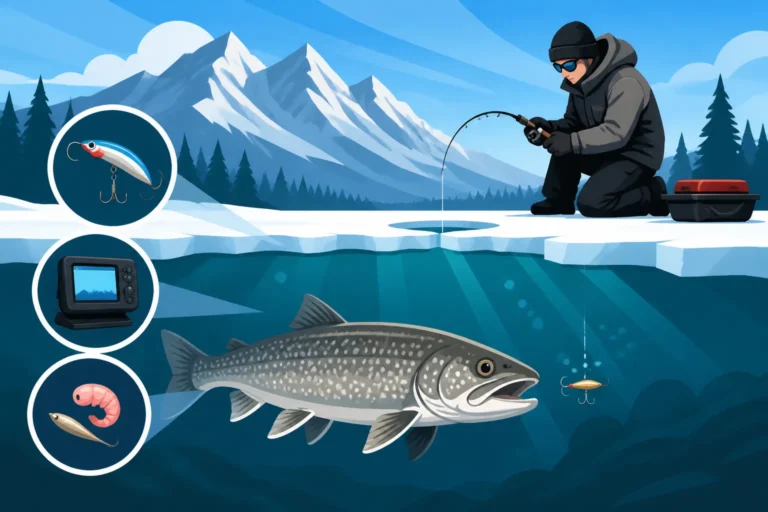
Lake trout, unlike many other species, don't necessarily "slow down" drastically in winter. They remain active, but their movements become more predictable, often relating to specific structures and baitfish schools. In the dead of winter, especially under thick ice, they'll typically hold in deeper water, sometimes suspended over vast basins or patrolling deep breaklines. Their feeding windows can be shorter and more intense, often around dawn and dusk, or during periods of stable barometric pressure. Understanding these subtle shifts is key to intercepting them. They are opportunistic predators, and a properly presented jigging spoon can perfectly mimic a wounded baitfish, triggering an aggressive strike even when they seem lethargic. You really need to think like a laker and anticipate where they'll be staging for a meal. For a deeper dive into their habits, you might find our guide on How to Catch Lake Trout in Alberta helpful.
Another critical aspect of their winter behavior is their reliance on forage. Lake trout are almost exclusively piscivorous, meaning they eat other fish. In many Alberta lakes, this means they're keying in on cisco, whitefish, and even burbot. If you can locate schools of these baitfish on your sonar, you're likely to find the lake trout not far behind. Often, these schools will be suspended in the water column, rather than right on the bottom. This means your jigging spoon needs to be able to reach those depths quickly and present naturally amongst the bait. Sometimes, a laker will cruise along a breakline, ambushing unsuspecting fish that venture into deeper water. Knowing these patterns helps you place your offering right in their strike zone.
Reading Alberta's Frozen Lake Structure
Successfully finding winter lake trout means knowing how to read the underwater landscape from above the ice. Lake trout are structure-oriented fish, even in vast, open basins. Look for underwater humps, points, submerged islands, and sharp drop-offs that lead into deeper water. These are natural ambush points or highways for baitfish. Using a good mapping GPS and a reliable ice fishing sonar is absolutely essential for pinpointing these hotspots. Without understanding the contours beneath your feet, you're essentially fishing blind, which can be incredibly frustrating. Best Fish Finders for Alberta Lakes can make a huge difference here.
Consider Cold Lake, for instance, a famous Alberta lake trout destination. It's known for its immense depths and steep drop-offs. Anglers often target areas where these depths meet shallower shelves, or around the numerous humps and reefs scattered throughout the lake. These features create current breaks and funnel points for baitfish, making them prime real estate for cruising lake trout. Conversely, smaller, shallower lakes with lake trout might see them relating more to transition zones between soft and hard bottom, or suspended near prominent weed edges, if present. Always adapt your approach to the specific lake you're fishing.
Key Characteristics of Effective Jigging Spoons for Lake Trout
Not all jigging spoons are created equal, especially when it comes to targeting large, deep-dwelling lake trout. The subtleties in a spoon's design, from its weight to its finish, can make all the difference between a frustrating day and a memorable one.
Weight and Size Considerations
When you're fishing for lake trout through the ice, especially in Alberta's deep lakes like Cold Lake or those in the Kananaskis region, getting your bait down to the fish quickly is paramount. This is where the weight of your jigging spoon becomes a crucial factor. Lighter spoons might take too long to reach the strike zone, especially if there's any subsurface current or you're dealing with immense depths. Heavier spoons, typically in the 1/2 ounce to 1.5-ounce range, will plummet faster, allowing you to get back into the action sooner if you miss a fish or need to adjust your depth. The rule of thumb is often to go as heavy as you can while still maintaining the desired action.
Size also plays a significant role. While lake trout are big fish and can handle large meals, sometimes they can be surprisingly finicky. A spoon that's too large might intimidate them, especially during colder, slower periods. On the other hand, a spoon that's too small might not offer enough visual appeal or displacement to attract attention from afar. A good starting point is usually a spoon between 2.5 to 4 inches in length. This size range generally mimics the smaller baitfish lake trout feed on and provides a substantial profile. However, always be prepared to size up or down based on the fish's mood and the size of the baitfish they are currently keying on. For instance, if you're seeing massive schools of cisco on your sonar, a larger spoon might be more effective.
Action and Vibration Under the Ice
The action of a jigging spoon is arguably its most critical attribute for lake trout. You want a spoon that, with a good rod snap, will flutter, dart, and glide erratically on the fall, mimicking a wounded or dying baitfish. This is the primary trigger for a lake trout's predatory instinct. Some spoons have a wide, slow flutter, while others have a tighter, faster shimmy. Experimentation is key to figuring out what the lakers prefer on any given day. A spoon that simply falls straight down is rarely as effective as one that exhibits an enticing dance. When you lift and drop your rod tip, pay attention to how the spoon reacts – you want it to look alive.
The vibration emitted by the spoon as it moves through the water also plays a part. Lake trout use their lateral line to detect vibrations, especially in low light or deep water conditions. Some spoons are designed with specific shapes or concavities that create more turbulence and vibration. This can be particularly effective in attracting fish from a distance. Think about spoons that "thump" or "wobble" noticeably. The more erratic and natural the movement, the more likely it is to draw attention. Often, the action and vibration are interconnected; a good fluttering action will naturally create a stimulating vibration pattern.
Color, Finish, and Glow Features
Color and finish are paramount in ice fishing, particularly for a sight-feeder like the lake trout. In clearer Alberta lakes, natural baitfish patterns like silver, white, or light blue can be incredibly effective, especially on bright days. These colors reflect light, appearing very realistic. Conversely, in deeper water or during low-light conditions (dawn, dusk, or heavily overcast days), brighter, more aggressive colors like chartreuse, orange, or hot pink can stand out. Sometimes a combination, like a silver spoon with a splash of orange or chartreuse, can be the perfect balance.
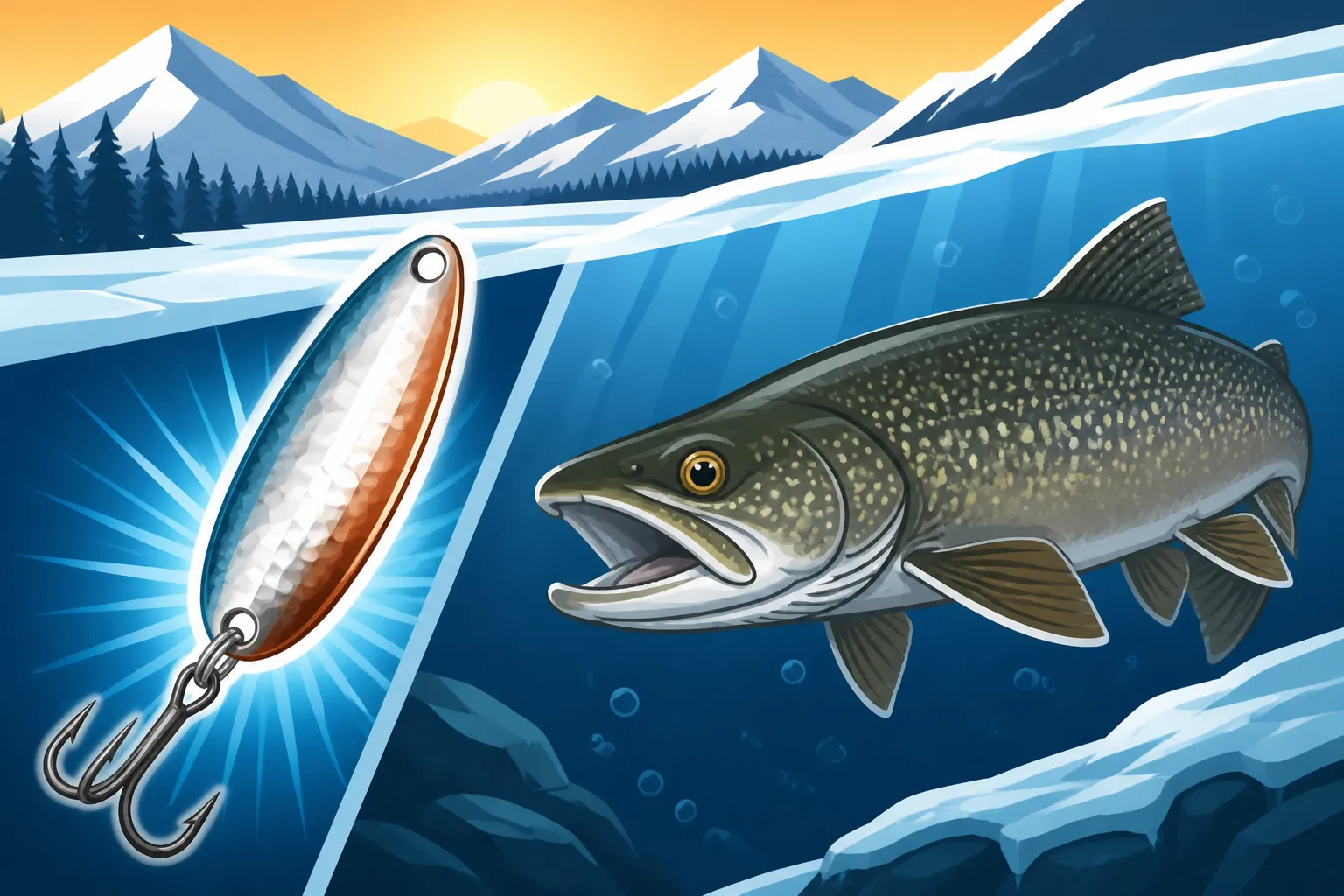
The finish of the spoon also matters. Many popular lake trout spoons feature hammered finishes, which create multiple facets to reflect light in various directions, adding to their flash and appeal. Others have smooth, highly reflective chrome or gold finishes. Perhaps most important for deep-water winter lake trout are spoons with glow-in-the-dark or UV finishes. These features absorb ambient light and emit it, making the spoon visible in the darkest depths where lake trout often lurk. Having a small UV flashlight to "charge" your glow spoons can give you a significant edge, especially if you're marking fish on your sonar but they're not committing. You can find a wide variety of these types of spoons on sites like Amazon, making it easy to stock up.
Top Jigging Spoon Categories and When to Use Them
When you're out on the ice in Alberta, armed with your auger and fish finder, having the right arsenal of jigging spoons can make all the difference. These general categories cover most of the successful patterns for winter lake trout.
Classic Flutter Spoons
These are perhaps the most popular and versatile jigging spoons for lake trout. Characterized by a relatively thin, often elongated body, flutter spoons are designed to mimic a dying baitfish as they fall through the water column. The best ones will have an enticing, erratic "wobble" or "flutter" on the drop, often darting sideways or spiraling before settling. This action is incredibly realistic and often triggers aggressive strikes from lake trout that are actively feeding or curious. They are effective in a wide range of depths, from 30 feet to over 100 feet, making them a staple for many Alberta anglers.
To maximize their effectiveness, a common retrieve involves a sharp lift of the rod tip (anywhere from 1 to 3 feet), followed by a controlled slack line fall, allowing the spoon to do its work. Then, pause for a few seconds before repeating. Sometimes, a subtle quiver or "dead stick" technique, holding the spoon perfectly still after the fall, is what finally entices a wary laker to commit. Brands like Swedish Pimple or Johnson Silver Minnow are classic examples often adapted for this style of fishing, and you can readily find options on Amazon to add to your tackle box. These spoons are especially effective when lake trout are suspended or actively chasing bait.
Heavy Casting Spoons
While often associated with open-water casting, heavier casting spoons have a definitive place in the ice angler's arsenal for lake trout. These spoons, typically thicker and sometimes shorter than flutter spoons, are designed to sink rapidly. This makes them ideal for reaching extreme depths quickly, which is common when chasing lake trout on bodies of water like Cold Lake. Their weight also allows them to cut through any subsurface current more effectively, ensuring your spoon stays in the strike zone. The action of a heavy casting spoon tends to be less of a wide flutter and more of a tight, vibrating wobble or a faster drop.
These spoons excel when lake trout are holding tight to the bottom in very deep water, or when you need to get your bait down fast to intercept a fast-moving fish you've marked on your sonar. The retrieve for these often involves more aggressive jigging, pulling them up sharply to create a strong flash and vibration, then letting them fall quickly on a semi-slack line. The speed of the fall itself can be a major trigger. Sometimes, just bumping them off the bottom to create a puff of sediment can draw attention. Look for spoons with a good weight-to-size ratio and a durable finish to withstand repeated bounces off the lakebed.
Specialty Profiles and Added Attractors
Beyond the classic flutter and heavy casting spoons, there are specialized jigging spoons that offer unique profiles or incorporate added attractors designed to target lake trout. Some spoons feature a wider, flatter profile that gives them an even slower, broader glide on the fall, mimicking a larger, slower-moving baitfish. Others might have a more erratic, unpredictable action due to their unique bends or weights. These can be particularly effective when fish are pressured and have seen a lot of standard spoons.
Many specialty spoons also integrate additional attractors. This might include a small piece of glow tubing on the hook, a small colored bead, or even a feather or synthetic skirt tied to the treble hook. These added elements can provide extra flash, subtle movement, or a distinct profile that can be just enough to seal the deal. For example, a bare spoon might get ignored, but the same spoon with a small white plastic worm threaded onto the hook can suddenly become irresistible. Always consider having a few of these unique options in your tackle box, as they can sometimes be the 'secret weapon' on tough days.
Here's a quick comparison of popular jigging spoon types for winter lake trout:
| Spoon Type | Key Characteristics | Ideal Depth Range | Action on Fall | Best Conditions |
|---|---|---|---|---|
| Classic Flutter | Thin, elongated profile | Mid-to-Deep | Wide, erratic flutter, darts sideways | Active fish, suspended fish, general conditions |
| Heavy Casting | Thicker, compact, weighted | Deep to Very Deep | Fast, tight wobble, rapid descent | Deep water, fast current, quick retrieves |
| Blade Bait | Metal body, line tie on back | Mid-to-Deep | High vibration, tight shimmy, darting | Aggressive fish, vertical jigging, attracting from afar |
| Spoon with Tails | Any spoon with added plastic or feather | Any | Enhanced movement, larger profile, visual appeal | Finicky fish, slow bites, adding extra enticement |
Note: While blade baits are technically not traditional "spoons", their jigging action and effectiveness for lake trout make them a close cousin and worth considering in your arsenal.
Rigging and Presentation Tips for Lake Trout Spoons
Having the best jigging spoon is only half the battle. How you rig it and present it to the fish is equally, if not more, important. Lake trout are powerful and intelligent predators, and a sloppy presentation can quickly turn them off.
Line, Leader, and Swivel Choices
When you're fighting a strong lake trout from the depths, your line is your most critical link. You'll want a main line that offers strength, minimal stretch, and good sensitivity. Braided line, typically 15 to 20 lb test, is an excellent choice for winter lake trout fishing. Its low stretch transmits even the most subtle bites from deep water, and its strength provides the backbone needed to haul in a trophy. However, braid is visible in clear water and can be abrasive, so a good leader is essential.
A fluorocarbon leader is highly recommended for lake trout. Fluorocarbon is virtually invisible underwater, which is crucial for wary fish, and it has excellent abrasion resistance. A 10 to 15 lb fluorocarbon leader, anywhere from 2 to 4 feet in length, knotted to your main braid with a reliable knot (like an Albright or FG knot), will give you the perfect combination of strength, stealth, and sensitivity. Finally, a high-quality barrel swivel or ball-bearing swivel should be used between your leader and the jigging spoon. This is absolutely critical to prevent line twist, especially with flutter spoons that spin and wobble on the fall. Without a swivel, your line will quickly become a twisted mess, leading to tangles and frustrating break-offs. You can find durable swivels from various brands on Amazon.
Mastering the Jigging Motion
The way you work your jigging spoon is as important as the spoon itself. Lake trout often respond to variety, so don't be afraid to experiment. Start with a classic aggressive rip: lift your rod tip sharply, anywhere from 1 to 3 feet, then let the spoon flutter naturally on a controlled slack line. Watch your sonar carefully during the fall, as many strikes occur on the drop. After the flutter, pause for a few seconds. This pause is when a lot of fish will commit, as the spoon appears vulnerable.
If aggressive jigging isn't producing, try a more subtle approach. Short, quick snaps of the wrist, followed by longer pauses, can sometimes entice finicky fish. You can also try "dead sticking," where you let the spoon sit perfectly still for extended periods, perhaps giving it a slight twitch every 10-15 seconds. This mimics a dying or stunned baitfish. Another effective technique is "pounding" the bottom, especially with heavier spoons. This creates a puff of sediment and a commotion that can draw curious lake trout in to investigate. Always watch your fish finder for reactions; if fish are coming in to look but not biting, try changing your jigging cadence or presentation.
Understanding Sonar for Spoon Presentation
A quality fish finder (sonar) is not just a luxury; it's a necessity for winter lake trout fishing. Without it, you're truly guessing. Use your sonar to identify depth, locate structural elements like humps and drop-offs, and most importantly, mark fish. When you see fish on your screen, you can drop your spoon directly to their depth. This precision is game-changing. Pay attention to how the fish react to your spoon. Are they rising aggressively to it? Are they shying away? Are they slowly approaching and then moving off?
Your sonar allows you to fine-tune your presentation in real-time. If fish are suspended 50 feet down, you can put your spoon exactly at 50 feet. If they're showing interest but not hitting, try changing your jigging cadence. Give a big rip, then let it flutter. If they rush up to it but then pull away, try a more subtle lift-and-drop. Sometimes, a "kill shot" where you stop the spoon completely and let it hang perfectly still, is what seals the deal. The ability to see your spoon and the fish on the screen simultaneously provides immediate feedback, allowing you to learn what works on that specific day and for those specific fish. Investing in a good flasher or LCD sonar is one of the best moves you can make for your winter lake trout pursuits in Alberta. You can check out options for Best Fish Finders for Alberta Lakes to help you pick the right one.
Disclaimer
This article is for general informational purposes only and does not constitute professional advice. Laws, prices and regulations vary by location and change over time. Consult a qualified professional for guidance on your specific situation.