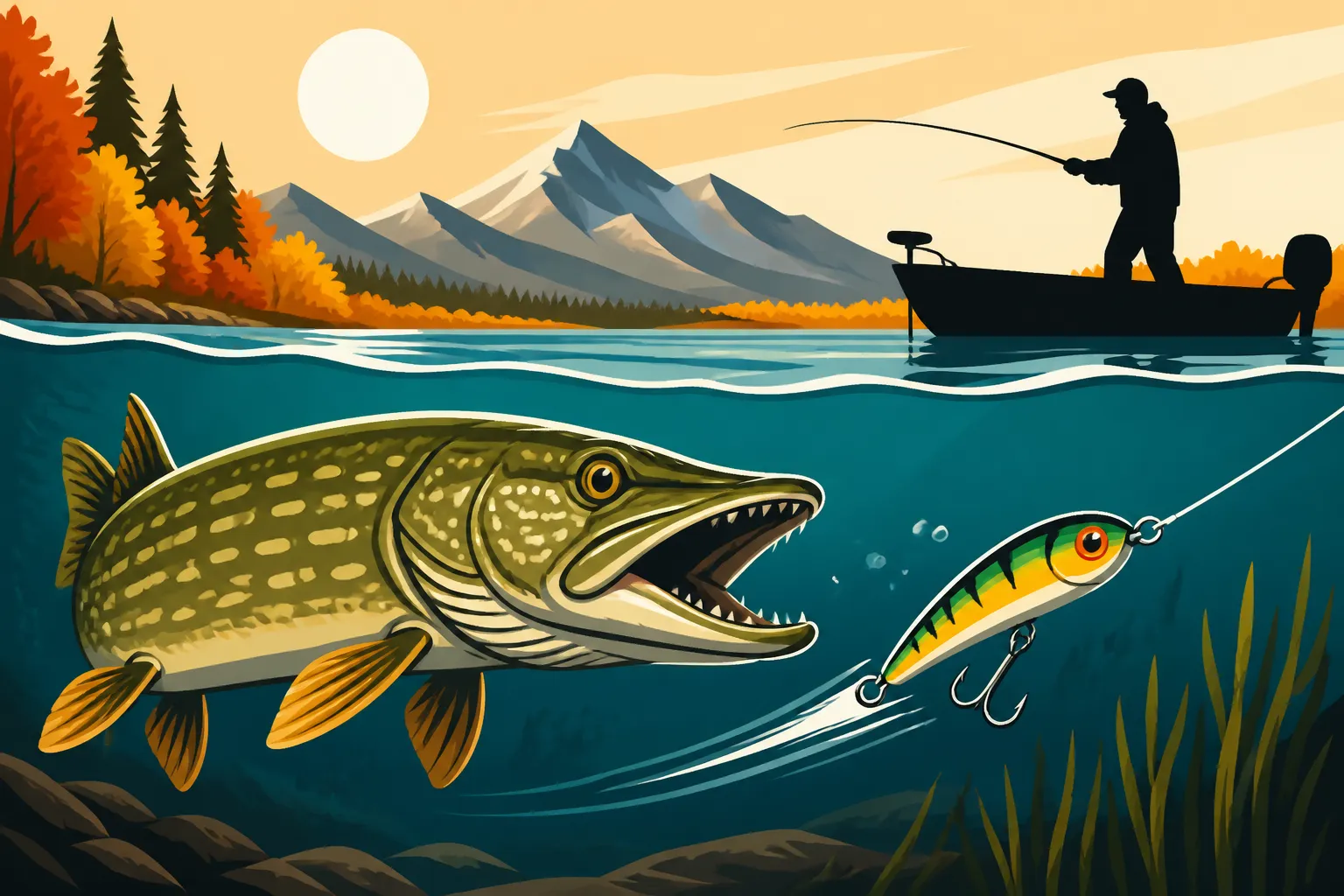
Best lure retrieve speed for pike in fall
One of the most common frustrations for anglers targeting Northern Pike in Alberta during the fall is trying to figure out that perfect retrieve speed. You know the pike are there, transitioning from their summer haunts, and often looking for a big meal before winter. But sometimes, no matter what lure you throw, they just won't commit. It's easy to get stuck in a rut, reeling at the same pace every time, only to be met with frustrating follows or, worse, an empty line. This comprehensive guide will help you understand the nuances of pike behavior in autumn and how to master the art of varying your lure retrieve speed to trigger those aggressive, fall strikes.
Understanding Fall Pike Behavior
As the leaves begin to turn and the crisp air signals the approach of winter, Northern Pike in Alberta undergo significant changes in their behavior. Understanding these shifts is crucial for adapting your retrieve speed and increasing your chances of success. It’s not just about throwing a lure; it’s about presenting it in a way that aligns with the pike’s current mood and metabolism.
The Autumnal Transition and Pike Movement
When summer’s warmth fades, Alberta’s lakes and rivers begin a process called turnover, where surface waters cool and mix with deeper, oxygenated layers. This transition period often disperses baitfish, which then start to congregate in new areas, usually shallower bays or around deeper structure, following comfortable temperatures and food sources. Pike, being apex predators, are hot on their heels. They'll move from those thick summer weed beds, which might be dying off, towards areas with rock piles, submerged timber, or even deep weed edges where baitfish are abundant. This means they might be more scattered initially, but once they settle into new patterns, they can become very predictable. Knowing where they might be allows you to then focus on how to present your lure.
Baitfish Migration and Pike Feeding Frenzies
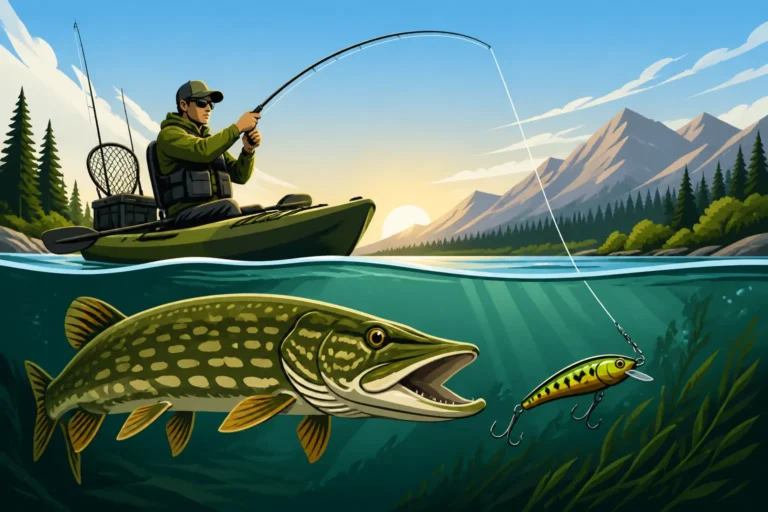
Fall is often synonymous with a pike feeding frenzy, and for good reason. As water temperatures drop, many baitfish species, like ciscoes, perch, and even juvenile whitefish, begin to school up more tightly. They migrate towards deeper water as shallower areas cool rapidly, or they may gather in specific coves or points to feed. Pike recognize this pattern and will position themselves strategically to ambush these schools. Think of it like a grocery store for pike; they know where the food is going to be. During these periods, pike are often less picky about what they eat, but they are very opportunistic. A lure that mimics a fleeing or injured baitfish can be irresistible. This is where retrieve speed truly comes into play – sometimes a fast, aggressive retrieve perfectly imitates a panicking baitfish, while other times a slow, wounded presentation is the ticket. If you're looking for more general tips, our guide on How to Catch Northern Pike in Alberta offers a solid foundation.
Impact of Water Temperature on Pike Metabolism
Water temperature is arguably the single most important factor influencing pike activity and, by extension, your optimal retrieve speed. In early fall, when water temperatures are still relatively mild (say, 10-15°C or 50-60°F), pike are often incredibly aggressive. Their metabolism is high, and they’re willing to chase down fast-moving lures. This is prime time for power fishing. However, as the fall progresses and water temperatures dip further (below 8°C or 45°F), their metabolism slows down significantly. They become less inclined to expend massive amounts of energy chasing a meal. This doesn't mean they stop eating; it means they become more lethargic and prefer an easier target. Your retrieve speed needs to reflect this, slowing down to present an easy, vulnerable meal rather than one they have to work hard to catch.
The Art of Varying Retrieve Speeds
It's a common mistake to stick to one retrieve speed, hoping for the best. The truth is, the "best" speed for pike in fall is rarely static. It’s a dynamic interplay of intuition, observation, and adaptability. Being able to consciously adjust your retrieve speed is a game-changer for consistently hooking into those toothy predators.
Slow and Steady: When to Crawl Your Lure
When the water gets really cold, especially late in the fall or on days with a sharp cold front, pike become far less active. Their reaction time slows, and they're less likely to chase down a fast-moving meal. This is when a slow and steady retrieve truly shines. Picture a dying baitfish, barely able to swim, making it an irresistible, easy meal for a sluggish pike.
- How to do it: Use a retrieve speed that's just enough to keep your lure moving and maintain its action. For crankbaits, this might mean a slow crank with long pauses. For soft plastics or swimbaits, it could be a slow "bottom bouncing" retrieve, letting the lure sit on the bottom for a few seconds before a slight lift. Jerkbaits are fantastic here, as you can twitch them once or twice and then let them suspend for a long count, sometimes up to 10-15 seconds. This gives a hesitant pike plenty of time to size up the offering and commit.
- When to apply: Think very cold water, post-frontal conditions where pike are notorious for lockjaw, or if you're targeting fish you've seen on your fish finder that appear to be hugging the bottom and aren't reacting to faster presentations. This technique is often effective in deeper sections of lakes, like those found in Lesser Slave Lake or Cold Lake, where big pike may be conserving energy.
Moderate Cadence: The All-Around Approach for Fall Pike
A moderate, consistent retrieve speed is often your starting point in early to mid-fall, especially when you're exploring new water or when pike are showing general signs of activity. This speed is fast enough to suggest a healthy, active baitfish, but not so fast that it seems like a chase they can't be bothered with. It's a versatile speed that triggers strikes across a range of conditions.
- How to do it: Imagine a steady, deliberate reel, maybe one to two turns per second, depending on your gear ratio and the lure's inherent action. For spinnerbaits and inline spinners, this is often the sweet spot, allowing the blades to thump and flash effectively without overpowering the lure's natural wobble. With crankbaits, it means a steady retrieve that gets the bait down to its running depth and keeps it there, deflecting off any structure it encounters.
- When to apply: This is your bread-and-butter retrieve when water temperatures are in that prime 8-12°C (46-54°F) range. It’s excellent for covering water efficiently, allowing you to locate active fish along weed lines, rock reefs, or drop-offs. If you’re fishing a known pike hotspot, say on the North Saskatchewan River or in a productive bay on Lesser Slave Lake, a moderate retrieve is a great first choice. For more insight on what lures generally work, check out our guide on the Best Lures for Northern Pike in Alberta.
Erratic and Fast: Triggering Reactionary Strikes
There are times when pike, despite their size, can be surprisingly shy or just need that extra spark to make them strike. This is where an erratic, fast, or even aggressive retrieve comes into play. It doesn’t give the pike time to think; it just makes them react out of instinct.
- How to do it: Think sudden bursts, sharp jerks, and quick pauses. For jerkbaits, this means aggressive rod snaps, followed by shorter pauses. For crankbaits, reel them in at a blistering pace, then suddenly stop, letting them float or suspend, mimicking a fleeing baitfish that suddenly gives up. Spinnerbaits can be "burned" or reeled incredibly fast, creating a massive amount of flash and vibration that can irritate a pike into striking.
- When to apply: This retrieve is fantastic in early fall when pike are still quite warm-blooded and extremely aggressive. It's also great for covering large expanses of water quickly, particularly shallower flats or healthy weed edges where pike are actively hunting. If you see follows but no strikes, speeding up or adding erratic movements can often turn those followers into biters. It’s also effective for triggering strikes from educated pike that have seen a lot of lures or during periods of high competition amongst fish.
Matching Retrieve Speed to Lure Type
Different lures are designed to perform optimally at specific speeds, but knowing how to manipulate that "optimal" speed to suit the pike's mood is the key. Your choice of lure and how you retrieve it are inseparable in the fall pike equation.
Crankbaits and Jerkbaits: Varying the Stop-and-Go
Crankbaits and jerkbaits are fall pike staples for good reason: their built-in action and ability to suspend or float make them incredibly versatile for retrieve speed manipulation.
- Crankbaits: For a diving crankbait, a moderate, steady retrieve is a great starting point, allowing the lure to reach its depth and deflect off structure. However, don't be afraid to experiment. In warmer early fall waters, you can "burn" a shallow-diving crankbait over weed tops or along rocky shorelines. The fast, erratic movement can provoke violent strikes. As the water cools, a slow, methodical crank with a few quick turns followed by a sudden pause can be deadly. The pause allows the lure to briefly float or suspend, often when a cold-water pike will hit. You can find a good selection of these on Amazon, often including popular models known for their fall pike effectiveness.
- Jerkbaits: These lures are almost custom-made for retrieve variation. The classic retrieve is "twitch-twitch-pause," but the duration of those twitches and pauses is what you need to adjust. In warmer early fall, aggressive jerks with short pauses (1-2 seconds) mimic frantic baitfish. As the water cools, lengthen those pauses significantly (5-10 seconds, or even longer in very cold conditions). A long pause with a suspending jerkbait can be absolutely lethal, giving lethargic pike all the time they need to ease up and inhale the lure. This is particularly effective when targeting fish suspended over deeper water or along deep drop-offs.
Spinnerbaits and Inline Spinners: Consistent Speed with Pauses
Spinnerbaits and inline spinners are fantastic for covering water and generating flash and vibration, making them highly visible to pike.
- Spinnerbaits: While a moderate, steady retrieve is generally effective, giving the blades enough speed to spin and create flash, don’t hesitate to change it up. In murky water or low light, a slightly faster retrieve can help pike locate the lure through vibration. In clear water or when fish are following, a "stop-and-go" retrieve can be effective: reel consistently for a few seconds, then kill the retrieve for a split second, allowing the lure to flutter or fall slightly before resuming. This subtle change in cadence can trigger strikes from hesitant fish. Consider experimenting with different blade combinations, like Colorado blades for slower retrieves and willow leaf for faster ones.
- Inline Spinners: These often require a more consistent retrieve to ensure the blade is spinning properly. However, even with inline spinners, you can vary the speed slightly. A steady, moderate retrieve works well for covering water. When you're fishing along a drop-off or near submerged cover, try a slower retrieve that allows the spinner to "helicopter" down into deeper water during pauses, then quickly speed up to bring it back to the surface. This up-and-down motion can be very enticing. Our article on Best Techniques for Early Spring Pike also covers some useful spinnerbait and inline spinner tactics that can be adapted for fall, emphasizing the importance of matching retrieve to water conditions.
Soft Plastics and Swimbaits: Slow Rolling and Jigging
Soft plastics and swimbaits offer incredible versatility and realistic profiles, making them superb for tempting wary fall pike.
- Soft Plastics (e.g., paddle tails, grub tails): These are extremely effective when "slow rolling" along the bottom or through sparse weeds. A very slow, consistent retrieve, just fast enough to get the tail to kick, is often all it takes. This mimics a cruising or injured baitfish. You can also incorporate short lifts and drops, especially if you're jigging them vertically over structure. The beauty of soft plastics is their subtle action, which often convinces pike that are ignoring more aggressive presentations.
- Swimbaits: Whether they are single-piece paddle tail swimbaits or multi-jointed hard swimbaits, these lures are designed to imitate natural prey. A slow, steady "wake" retrieve just under the surface can be incredible in shallow bays, especially on overcast days. For deeper presentations, slow roll a weighted swimbait along contours or through isolated weed clumps. The goal is to make it look as natural as possible, almost effortless. For bigger trophy pike, a larger swimbait retrieved with a slow, sweeping motion can often draw out that one big fish looking for a substantial meal.
Environmental Factors and Adjusting Your Speed
Beyond the innate behavior of pike and the mechanics of your lure, the environment itself plays a huge role in how quickly you should be reeling. Paying attention to these subtle cues can make all the difference.
Water Clarity and Visibility
Water clarity directly affects how pike perceive and react to your lure. In clear water, such as many of Alberta's mountain lakes or clearer sections of the Bow River, pike rely heavily on sight.
- Clear Water: Here, a more natural, subtle presentation is often best. A slower, more realistic retrieve speed allows the pike to get a good look at the lure without being spooked. Long pauses with jerkbaits or slow-rolling swimbaits work well. If you retrieve too fast, the pike might get a quick flash, but if it doesn't look natural, they'll simply let it go. Sometimes, a very subtle movement is key.
- Stained or Murky Water: In contrast, when the water is stained (think some prairie lakes or rivers after a rain event), pike rely more on vibration and profile than sight. A slightly faster retrieve that creates more thump and flash can help them locate your lure. Aggressive spinnerbait retrieves or crankbaits with loud rattles become more effective. However, balance this with giving them enough time to zero in on the lure. Too fast, and they might miss it entirely. Our guide on Best crankbait colors for pike in stained water has some great tips on lure selection for these conditions.
Weather Patterns and Barometric Pressure
Weather changes, especially sudden ones, can dramatically affect pike activity levels. This is where many anglers struggle, often sticking to the same approach despite a complete shift in conditions.
- Stable Weather/High Pressure: During periods of stable, high-pressure systems (often clear skies after a cold front), pike can become lethargic and tight-lipped. This is a classic "slow down" scenario. Present your lures with very slow, methodical retrieves and extended pauses. You want to tempt them with an easy meal they don't have to chase far.
- Unstable Weather/Low Pressure (Pre-Frontal): Before a major front moves in, or during periods of falling barometric pressure, pike often go on a feeding binge. This is when an aggressive, fast, and erratic retrieve can be incredibly effective. They're trying to pack on calories before the weather turns nasty, making them more willing to chase.
- Windy Conditions: Wind can both help and hinder. It creates chop on the water's surface, which breaks up light penetration and can make pike feel more secure. This can often encourage them to be more active. The wind can also concentrate baitfish. However, it makes boat control difficult. Use the wind to your advantage for drifts, and adjust your retrieve to compensate for boat speed. A fast, erratic retrieve can be great in choppy water, mimicking a disoriented baitfish.
Fishing Pressure and Pike Sensitivity
Alberta's popular pike fisheries, like some areas of Pigeon Lake or Keho Lake, can see considerable fishing pressure. Pike in these waters become "educated" and more sensitive to unnatural presentations.
- High Pressure: When pike have seen every lure under the sun, a subtle, slow, and realistic retrieve often outperforms aggressive tactics. Think small, natural-colored swimbaits or soft plastics presented meticulously along cover. Long pauses with jerkbaits can be especially effective, as it gives wary fish ample time to inspect the lure without feeling rushed or threatened. They're less likely to commit to something that zips by too quickly.
- Low Pressure/Remote Waters: In remote, less-fished lakes or sections of rivers, pike tend to be more naive and aggressive. Here, you can often get away with faster, more erratic retrieves. They haven't been conditioned to avoid a flashy, fast-moving lure, and their natural predatory instincts kick in more readily. This is where you might find more success with power fishing tactics and covering water quickly.
Practical Tips for Dialing In Your Retrieve
Ultimately, no one can tell you the exact perfect retrieve speed for every cast. It's something you have to discover on the water, but there are strategies to help you get there faster.
Experimentation is Key
Never be afraid to experiment! Start with a moderate retrieve, and if you're not getting bites or only getting follows, start to vary it. Try speeding up your retrieve for a few casts, then slowing it down dramatically. Change your cadence, add pauses, or incorporate sharp jerks. Pay close attention to when and how pike react. Sometimes, the smallest tweak can make a huge difference.
- The "Clock" Method: Imagine a clock face for your retrieve speed. Start at "3 o'clock" (moderate), then try "1 o'clock" (slow) for a few casts, then "5 o'clock" (fast). Keep track of what works.
- Change Lures and Retrieve Speeds Together: If a fast retrieve with a spinnerbait isn't working, don't just slow down the spinnerbait. Consider switching to a jerkbait and trying a slow, paused retrieve. Different lures excel at different speeds and actions, and sometimes a complete change is necessary. For deeper understanding, consider our Northern Pike Fishing in Alberta pillar content.
Watching Your Line and Rod Tip
Pike strikes aren't always a violent rip. Especially with slower retrieves in cold water, they can be incredibly subtle – a slight tick, a mushy feeling, or just your line going slack or moving sideways.
- Line Watching: Pay constant attention to your fishing line where it enters the water. Any twitch, jump, or subtle movement that isn't caused by the wind or current can indicate a strike. If you see your line move sideways, set the hook!
- Rod Tip Sensitivity: A sensitive rod (usually medium-heavy power for pike) will transmit subtle bites better. Hold your rod tip low, sometimes even touching the water, to minimize slack and maximize feel. When you feel anything out of the ordinary, even a slight weight, sweep set that hook! This is especially true when fishing soft plastics where bites can feel like a simple "thump." Finding the right gear can make a difference, so consider researching the Best Rods for Alberta Rivers or specific pike setups.
Using Electronics to Locate Pike and Structure
Modern fish finders are invaluable tools, especially in fall when pike often relate to specific structures or baitfish schools in deeper water. They not only help you find the fish but also interpret their behavior.
- Finding Structure: Use your sonar to identify prime pike habitat: rock piles, submerged humps, deep weed lines, or changes in depth. Once you know where the pike are likely to be, you can focus on how to present your lure.
- Interpreting Fish Behavior: If you see pike suspended motionless near structure, a slow, methodical retrieve with long pauses might be necessary. If you see them actively chasing baitfish on the screen, a faster, more erratic retrieve could be the ticket. Electronics also help you track baitfish schools; if you find the food, you'll often find the pike nearby, ready to be targeted.
Recommended Retrieve Speed Overview
Here's a quick reference table to help guide your retrieve speed adjustments for fall pike, keeping in mind that these are starting points, and experimentation is always crucial.
| Lure Type | Early Fall (Warm Water) | Mid-Fall (Cooling Water) | Late Fall (Cold Water) |
|---|---|---|---|
| Crankbaits | Fast burn, aggressive deflections, short pauses | Moderate retrieve, intermittent pauses, structure contact | Slow crank, long pauses (float/suspend), minimal deflection |
| Jerkbaits | Aggressive snaps, short 1-2 sec pauses | Twitch-twitch-pause, 3-5 sec pauses | Subtle twitches, very long (5-10+ sec) pauses |
| Spinnerbaits | Fast & erratic retrieve, burning, stop-and-go | Moderate, steady retrieve, subtle drops | Slow roll, just enough speed for blade rotation |
| Inline Spinners | Fast, consistent retrieve, aggressive snaps | Moderate, steady retrieve, slight speed variations | Slow, consistent retrieve, deeper water presentations |
| Soft Plastics | Moderate retrieve, jigging, active paddle tail action | Slow roll, occasional lifts, bottom contact | Very slow crawl, deadsticking, long pauses on bottom |
| Swimbaits | Fast wake, moderate retrieve just below surface | Slow roll, mimic natural baitfish, retrieve along contours | Very slow, methodical glides, deep water presentation |
Disclaimer
Fishing regulations and conditions can change. Always consult the most current Alberta Guide to Sportfishing Regulations before heading out. This guide is for informational purposes only and does not supersede official regulations.