Best jig for winter burbot through the ice
Trying to find the perfect jig to entice those elusive winter burbot through the ice can feel like a real puzzle. Many anglers spend hours staring down a hole, wondering if their presentation is just not quite right, especially when the conditions are bitter cold and the fish are less active. It's a common frustration, but with the right knowledge and gear, you can turn those quiet days into memorable catches. This guide is dedicated to helping you understand what makes a jig effective for burbot in Alberta's icy waters, ensuring you're well-equipped for your next ice fishing adventure.
Understanding Winter Burbot Behavior Under the Ice
Burbot, often lovingly called "freshwater cod," are truly unique and fascinating creatures that thrive in the cold, dark depths of Alberta's lakes and rivers. Unlike many other species that become sluggish or move to shallower waters during winter, burbot remain active, often found near the bottom, hunting for food. They're primarily nocturnal, which means their feeding activity tends to peak during low-light conditions, like dawn, dusk, and even well into the night. This is a crucial piece of the puzzle when you're trying to figure out the best jig for winter burbot through the ice.
Why Burbot are a Prime Ice Fishing Target
Many anglers overlook burbot, perhaps due to their somewhat serpentine appearance or the fact they are often mistaken for eels. However, those in the know understand that burbot offer an incredible winter fishing experience and are absolutely delicious to eat, with firm, flaky white meat. During the dead of winter, when other species can be hard to tempt, burbot often become more concentrated in certain areas, making them a more predictable target for ice anglers. Their tendency to stick to the bottom also means they're usually found where your jig is presented, making focused efforts highly rewarding. It's not uncommon to hear tales of seasoned ice anglers specifically targeting these bottom dwellers when the snow is deep and the mercury drops.
Burbot’s Preferred Winter Habitat
When Alberta's lakes freeze over, burbot typically gravitate towards deeper areas, often associated with structure like rock piles, humps, sharp drop-offs, or sunken timber. They aren't usually found suspended in the water column like lake trout; instead, they hug the bottom, relying on their sense of smell and lateral line to detect prey. Knowing this helps you understand why a jig that gets down quickly, stays near the bottom, and creates a disturbance or strong scent trail is so effective. If you're ice fishing in Alberta and haven't explored the deeper basins or transitions, you might be missing out on key burbot hotspots. Checking out a guide on "Burbot Fishing in Alberta" can provide even more insights into their general habits.
Essential Characteristics of an Effective Burbot Jig
When you're trying to fool a burbot under several feet of ice, your jig needs to stand out. It's not just about getting a piece of metal down the hole; it's about choosing a lure that actively calls to them and entices a bite. The best jigs for winter burbot through the ice combine several key features that play directly into a burbot's sensory strengths.
Weight and Profile for Deep Water
Burbot are often found in deeper water, sometimes 30, 40, or even 60+ feet down. This means your jig needs to be heavy enough to drop quickly through the water column, especially if there's current or if you're fishing multiple holes. Heavy jigs, usually made of lead or tungsten, minimize drift and get you to the strike zone faster, allowing you to maximize your fishing time. The profile should also be somewhat compact or streamlined to reduce water resistance during the drop. Think about jigging spoons, heavy bucktail jigs, or even lipless crankbaits that are designed to sink quickly. For example, a 1/2 oz to 1 oz jig is a good starting point, but in really deep water or strong currents, you might even go heavier. These heavier jigs are readily available on Amazon, often in multi-packs.
Glow, Rattle, and Scent Attraction
These three elements are arguably the most critical for burbot jigs.
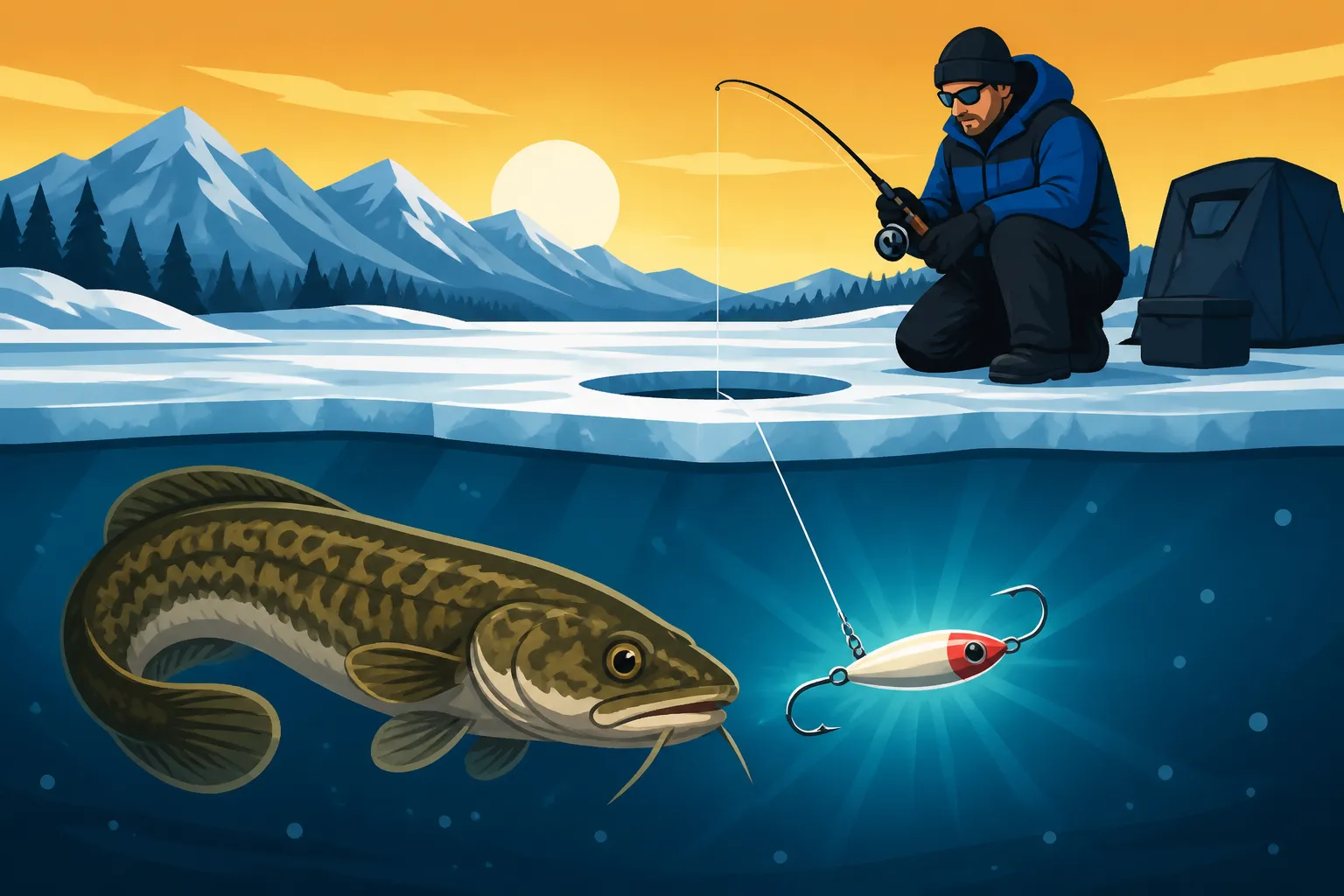
- Glow: Given their nocturnal nature and the often murky or deep waters they inhabit, glow-in-the-dark jigs are incredibly effective. A jig that recharges quickly with a UV flashlight and emits a strong, long-lasting glow can be the difference between a blank day and a successful outing. The glow acts as a visual beacon in the dark, drawing the burbot's attention from a distance.
- Rattle: Burbot have an excellent lateral line system, meaning they are highly sensitive to vibrations in the water. Jigs with internal rattles or external beads create noise and vibrations that mimic struggling prey, making them irresistible to a curious burbot. This added acoustic element can pull fish in from a wider radius.
- Scent: This is perhaps the most potent attractant for burbot. They rely heavily on their sense of smell to locate food. Therefore, always tip your jig with natural bait. Popular choices include pieces of smelt, sucker meat, minnows, or even cured shrimp. Some anglers go a step further by using specialized burbot scents that are designed to disperse quickly in cold water. The combination of a visually appealing, noisy jig tipped with a strong natural scent creates an irresistible package. This is a core technique in "How to Catch Burbot Through the Ice".
Durability and Hook Strength
Burbot might not be the most aggressive fighters, but they have tough mouths and can be quite strong, especially larger specimens. You'll want a jig with a robust hook that can withstand the fight and the pressure of repeatedly hooking fish. Cheap, thin wire hooks can straighten or break, leading to lost fish and disappointment. Look for jigs with strong, sharp, chemically sharpened hooks right out of the package. Some anglers even prefer to replace factory hooks with stronger treble hooks to improve their hook-up ratio and ensure the fish stays pinned.
Top Jig Styles and Baits for Winter Burbot
Now that we understand what makes a burbot jig effective, let's dive into some specific styles that consistently produce results on Alberta's ice. While there are many options out there, these tried-and-true choices, combined with the right bait, will give you an excellent chance of success.
Heavy Jigging Spoons: The Versatile Workhorse
Jigging spoons are probably the most popular choice for ice fishing burbot, and for good reason. Their design allows them to sink quickly, and their fluttering action on the drop can be incredibly enticing. When jigged, they flash and vibrate, simulating a dying baitfish.
- Common Examples: Iconic spoons like the Swedish Pimple, Johnson Silver Minnow, and Vibra-Stop are perennial favorites. Brands like Rapala also offer excellent jigging spoons. Many of these come in glow-in-the-dark finishes, which, as discussed, is a huge bonus for burbot.
- Best Baits to Tip With: Always tip your spoon! A small piece of a smelt fillet, a sucker strip, or even a few maggots threaded onto one of the treble hook points can significantly increase your bites. The scent trail created by this natural bait, combined with the spoon's flash and vibration, is a deadly combo. You can find a wide array of jigging spoons, including glow options, on Amazon.
- Pros: Excellent flash and vibration, quick sink rate, easy to tip with bait, widely available.
- Cons: Can sometimes twist line if not used with a swivel, action can be too aggressive for very finicky burbot.
Lipless Crankbaits: Aggression and Vibration
While often associated with open-water bass and walleye fishing, lipless crankbaits can be surprisingly effective for burbot under the ice. Their compact, heavy design means they sink rapidly, and they produce a tremendous amount of vibration and rattle on the lift.
- Common Examples: The Rapala Rippin' Rap, Recon Rattle Bait, or Vexan Crystal Shiner are all excellent choices. Look for models with strong rattles and a good weight-to-size ratio. Again, glow or bright, contrasting colors can be very effective.
- Best Baits to Tip With: Just like spoons, tipping is key. The small treble hooks can be tipped with a single maggot, a piece of a wax worm, or a small sliver of fish. The natural scent amplifies the crankbait's aggressive appeal.
- Pros: Unmatched vibration and rattle, fast sink rate, can cover water quickly if jigged actively.
- Cons: May be too aggressive for extremely slow periods, more prone to snagging on bottom structure due to multiple treble hooks, often more expensive.
Heavy Bucktail or Marabou Jigs: Scent Delivery and Subtle Pulsation
These jigs offer a more subtle presentation, relying on the natural pulsation of hair or feathers in the water to attract attention, combined with excellent scent retention.
- Common Examples: A heavy bucktail jig (1/2 oz to 1 oz+) with a large profile, or a similar marabou jig. Choose dark colors or, even better, glow-in-the-dark painted heads. The key here is the bulk and the ability of the material to absorb and hold scent.
- Best Baits to Tip With: These jigs excel when heavily tipped. Thread a whole minnow, a large piece of sucker belly, or a generous portion of smelt onto the hook. The hair or feathers will slowly release the scent into the water, creating a powerful attractant. This is a favorite method for many anglers when "Jigging for Burbot Through the Ice".
- Pros: Excellent scent retention and dispersal, natural, lifelike movement, less aggressive than spoons or crankbaits, which can be good for pressured fish.
- Cons: Slower sink rate than solid metal jigs, action might not be enough to attract fish from far away without ample scent.
Here’s a quick overview of these top jig styles:
| Jig Style | Key Features | Best Bait Tips | Pros | Cons |
|---|---|---|---|---|
| Jigging Spoons | Heavy, flash, flutter, glow options | Smelt, sucker strip, maggots | Quick sink, strong flash, easy to tip | Can twist line, aggressive action might deter finicky fish |
| Lipless Crankbaits | Heavy, intense rattle/vibration, compact | Small fish sliver, maggot, wax worm | High vibration, fast sink, aggressive attraction | Multiple trebles, snag risk, higher cost |
| Bucktail/Marabou Jigs | Heavy head, pulsating hair/feathers, scent absorption | Whole minnow, large fish piece, shrimp | Excellent scent delivery, subtle action, natural look | Slower sink, less flash/vibration naturally |
Remember, the "best" jig often comes down to experimentation on a given day, but these are solid starting points for any angler hitting the ice for burbot.
Effective Techniques for Jigging Burbot Through the Ice
Having the right jig is only half the battle; knowing how to present it effectively is just as crucial. Burbot have unique behaviors, and tailoring your jigging technique to match them will significantly increase your success rate. Patience and precision are your allies when targeting these cold-water bottom dwellers.
Pounding the Bottom and Mud Cloud Creation
One of the most effective techniques for burbot is to "pound the bottom" with your jig. This isn't subtle; you want to actively drop your heavy jig to the lakebed, letting it hit with a thud, and then lift it slightly before dropping it again. This action serves several purposes:
- Creates a Mud Cloud: When the jig hits the bottom, especially in softer sediments, it stirs up a small cloud of mud or silt. This visual disturbance, combined with the scent from your bait, mimics a feeding fish or a small creature rooting around for food. Burbot, being bottom feeders, are naturally drawn to this activity.
- Generates Noise and Vibration: The impact of the jig on the bottom creates significant noise and vibrations that travel through the water and the ice, attracting burbot from a distance via their lateral line. If your jig has rattles, this effect is amplified.
- Dislodges Food: Sometimes, pounding the bottom can dislodge small organisms or stir up decaying matter, further adding to the natural food cues in the water.
After pounding the bottom a few times, lift the jig just an inch or two off the bottom and hold it steady for a few seconds, letting the scent disperse and the glow shine. Then, repeat the process. This method is often the go-to when you're learning "How to Catch Burbot Through the Ice".
Slow Lifts, Drops, and Dead Sticking
While aggressive pounding can call burbot in, sometimes a more subtle approach is needed to seal the deal, especially if they are already nearby or feeling a bit sluggish.
- Slow Lifts and Drops: Instead of aggressive snaps, try slow, deliberate lifts of 6-12 inches, followed by an equally slow drop back to the bottom. Pause at the top and bottom of each movement. This gives the burbot ample time to inspect the bait and commit. The idea is to make the bait look like an easy meal that isn't trying to escape quickly.
- Dead Sticking: This technique involves a second rod (if regulations allow for multiple lines, always check the Alberta Guide to Sportfishing Regulations) left completely still or "dead-sticked" in a rod holder, with a baited jig just off the bottom. The rod should be rigged with a sensitive tip, or you can use a bobber. Often, burbot will cruise by, ignore the actively jigged bait, but then pick up the motionless, heavily scented offering. This provides a different presentation for those wary fish. Some anglers find that an hour after sunset, a dead-sticked piece of smelt or sucker meat on a plain glow jig will outperform anything actively jigged.
Remember, Burbot often "mouth" the bait gently before fully committing. Keep a close eye on your rod tip or line for the slightest tap, bend, or even just a feeling of added weight.
Using Electronics for Precision Targeting
Modern ice fishing electronics, particularly flashers and specialized fish finders, are invaluable when targeting burbot. They allow you to see your jig, the bottom, and any fish that approach your presentation in real-time.
- Locating the Bottom: Use your flasher to precisely identify the lakebed and keep your jig consistently just an inch or two off it. This is where burbot spend most of their time.
- Detecting Fish: When you see a "mark" appear on your screen near the bottom, you know a burbot is investigating. This is your cue to adjust your technique. Sometimes, they'll respond to a slight increase in jigging action, while other times, slowing down or even pausing the jig can trigger a bite.
- Understanding Reactions: Electronics allow you to see how fish react to different jigging patterns. If a fish mark appears but then disappears, you know what you're doing isn't working for that particular fish, prompting you to change your retrieve or even your jig. A good quality portable fish finder, easily found on Amazon, can greatly enhance your Burbot success. When you are out on "Ice Fishing in Alberta", having a good fish finder is almost like having eyes underwater.
Where to Find Burbot Through the Ice in Alberta
Finding the right spots for burbot through the ice in Alberta requires a bit of research and understanding of their habitat preferences. While they can be found in many large, cold-water lakes, some locations are renowned for their burbot populations.
Prime Lake and River Locations
Alberta boasts several fantastic burbot fisheries. Generally, large, deep lakes with a good forage base are your best bet.
- Lesser Slave Lake: This is arguably Alberta's most famous burbot fishery. While known for its walleye, Lesser Slave also holds a significant population of large burbot. Focus on deeper sections, especially where structure (like humps or drop-offs) transitions into soft bottom. The south side of the lake, particularly near fishing camps, can be productive. Knowing the "Best Burbot Lakes in Alberta" will surely put Lesser Slave Lake at the top of the list.
- Cold Lake: Another deep, cold-water gem, Cold Lake offers excellent burbot fishing. Similar to Lesser Slave, target deeper basins and areas with rocky points or underwater shelves.
- Lac La Biche: This lake also has a good burbot population. Anglers often find success in the deeper pockets and near areas where baitfish congregate.
- Lake Athabasca: In the far north, this massive lake holds truly enormous burbot, though accessing it requires more planning and often a fly-in trip. The burbot here are often found in very deep water.
- Certain Rivers: While lakes are more common for ice fishing burbot, some larger rivers can also hold them in deeper pools and slower sections, especially during the later ice season. Always exercise extreme caution when ice fishing on rivers due to unpredictable currents and ice conditions.
When planning your trip, consider the "Alberta Fishing Season Dates by Zone" to ensure you're within legal fishing periods.
Identifying Key Depths and Structures
As mentioned, burbot are bottom dwellers. So, your search should focus on depths typically ranging from 20 to 60+ feet, depending on the lake and time of winter.
- Deep Basins: These are the main "living rooms" for burbot. Look for the deepest parts of a lake where they can find stable temperatures and abundant food.
- Underwater Humps and Ridges: Burbot will patrol these structures, using them as ambush points for smaller fish. Fish the edges and slopes of these humps where they meet the deeper basin.
- Transition Zones: The areas where hard bottom (rock, gravel) transitions to soft bottom (mud, silt) are often highly productive. These transitions tend to hold a lot of invertebrate life and baitfish, which burbot feed on.
- Drop-offs: Steep drop-offs leading from shallower flats into deeper water are highways for fish movement, and burbot will utilize them. Fish along the bottom edge of the drop-off.
- Sunken Timber/Brush Piles: While less common in very deep water, submerged wood provides cover and attracts baitfish, making it a potential burbot hotspot.
Always refer to a good lake map or use your boat's sonar during open water to mark potential burbot structure for winter. When you hit the ice, a portable fish finder becomes your best friend for re-locating these features and staying on top of the fish. Always check "How Thick Ice Needs to Be to Fish Safely in Alberta" before venturing out.
Gearing Up Beyond the Jig
While the jig is central to your burbot fishing success, having the right supporting gear will make your experience more comfortable, safer, and ultimately more productive. Ice fishing, especially for burbot, often means long hours in the cold, sometimes after dark.
Rods, Reels, and Line
- Rod: You'll want a medium to medium-heavy action ice rod, typically 28 to 36 inches long. This offers enough backbone to handle the weight of a heavy jig and fight a burbot, but with a sensitive enough tip to detect those subtle bites. Many ice fishing combos designed for walleye or lake trout will work well for burbot.
- Reel: A reliable spinning reel in a 1000-2500 size range is perfect. Ensure it has a smooth drag system, as burbot can make strong runs once hooked.
- Line: A good quality braided line (10-20 lb test) is excellent for ice fishing burbot because it has no stretch, offering superior sensitivity to detect light bites in deep water. Pair this with a fluorocarbon leader (15-20 lb test, 2-3 feet long) for abrasion resistance and invisibility under water. Braided line and fluorocarbon leaders are easy to find online, including on Amazon.
- Leader: Some anglers prefer a stiff, clear monofilament leader over fluorocarbon when using spoons or lipless crankbaits, as it can help reduce line twist.
Essential Ice Fishing Accessories
Beyond your rod and reel, a few key accessories will significantly enhance your burbot ice fishing trip.
- Ice Auger: A powerful ice auger is crucial. Whether it's a gas, propane, or electric model, you'll want one that can cut multiple holes quickly and efficiently, especially if you're prospecting different depths and structures. "Best Ice Auger for Alberta Lakes" offers great insights into choosing the right one.
- Heated Shelter (Ice Hut): Burbot fishing often involves long periods, and after-dark sessions are common. A heated ice hut provides comfort and shelter from the elements, making those extended trips much more enjoyable. Check out "Best Ice Hut for Alberta Lakes" for recommendations.
- Electronics: As discussed, a flasher or fish finder is a game-changer. It helps you find fish, stay on structure, and adjust your presentation in real-time.
- Bait and Scent: Always bring plenty of your chosen bait (smelt, sucker, maggots, etc.) and don't forget a strong, dedicated fishing scent, especially one formulated for cold water.
- Headlamp/Lantern: For those nocturnal burbot outings, a reliable headlamp and a bright lantern for your hut are absolute necessities.
- Heavy-Duty Landing Net: Burbot can be slimy and wriggly. A sturdy landing net with rubberized mesh (to protect the fish if you're releasing any, and to prevent hooks from getting tangled) is a smart addition. For more general advice, consider the "Best Ice Fishing Gear for Alberta".
Remember to always adhere to "Alberta Fishing Regulations Explained" to ensure you are fishing legally and responsibly.
Disclaimer
Fishing conditions, regulations, and fish populations can change. Always consult the most current Alberta Guide to Sportfishing Regulations before heading out. Exercise caution on ice and always prioritize safety. This guide is for informational purposes only and does not guarantee fishing success.