Alberta record yellow perch weight
For many Alberta anglers, catching a hefty yellow perch is a badge of honour, a testament to their patience and skill. While these feisty panfish are plentiful, truly enormous ones are a rare and coveted prize, often leaving anglers wondering what it takes to land a provincial record. This guide is dedicated to exploring the legendary Alberta record yellow perch weight, what it signifies, and how you might just chase down your own personal best.
The Legendary Alberta Record Yellow Perch Weight
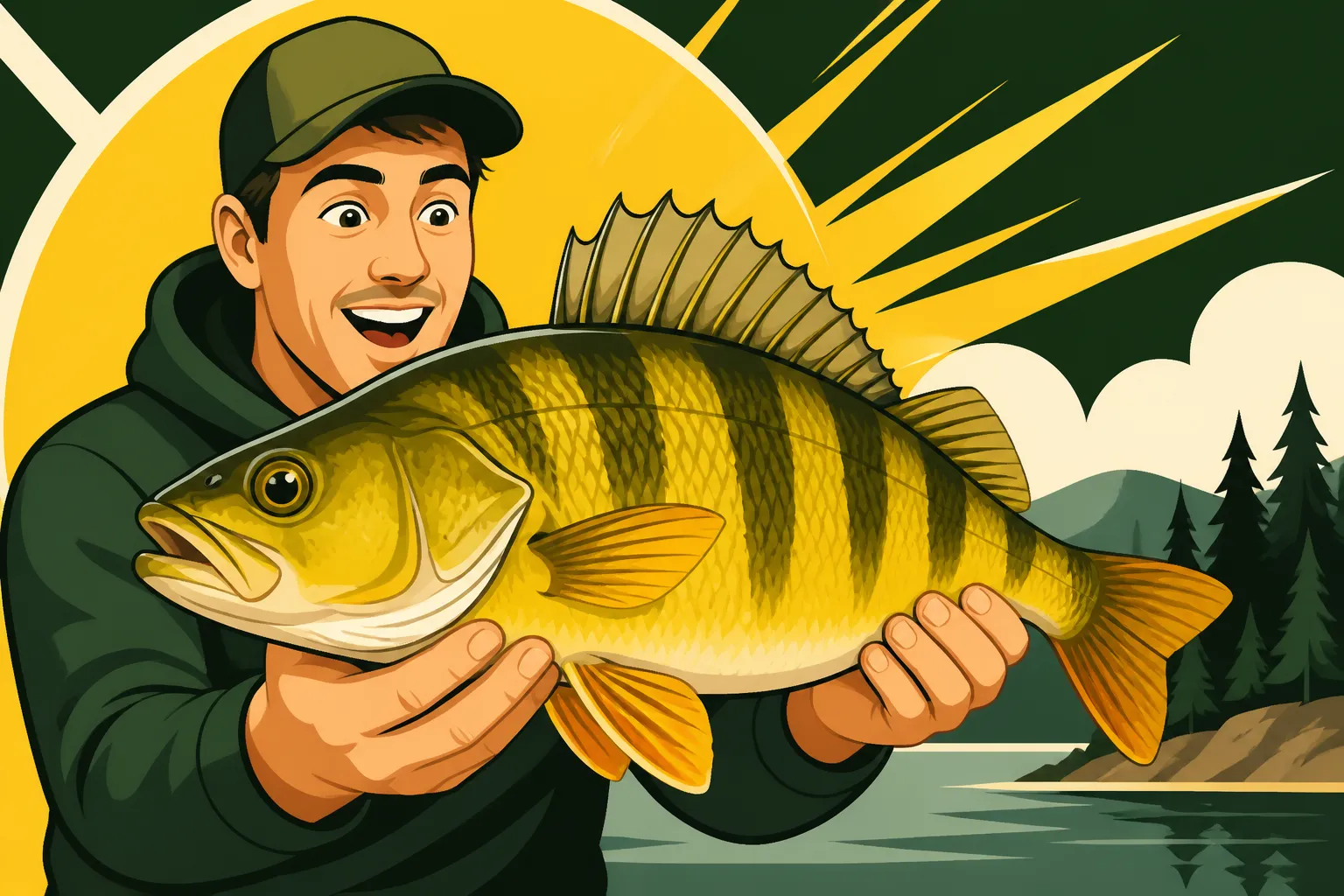
Alright, let's get right to it – what's the benchmark for a truly monstrous yellow perch in Alberta? The provincial record for yellow perch stands at an impressive 2 pounds, 14 ounces. Now, for anyone who's spent time on the ice or casting in open water for perch, you know just how incredible that weight is. Most of us are thrilled to pull up a half-pounder, let alone one pushing nearly three pounds! This record isn't just a number; it represents a fish that has defied the odds, grown to an exceptional size, and likely gave the lucky angler a fight they'll never forget. It’s a testament to the potential hiding in some of our overlooked waters.
This isn't the kind of fish you catch every day, or even every season. A yellow perch reaching this size has likely seen many seasons, outsmarted countless predators, and found a truly abundant food source. It's the kind of fish that fuels dreams and inspires us to keep drilling holes or making just one more cast. Understanding this record isn't just about the number itself, but about appreciating the sheer tenacity and ecological conditions required for a panfish to grow to such monumental proportions. It's a reminder that even in the most common species, there are true giants lurking.
What Makes a Perch a "Trophy" in Alberta?
While the provincial record sets the ultimate bar, most anglers consider a "trophy" yellow perch in Alberta to be anything over 1.5 pounds, or even a solid 1-pound fish that's chunky and healthy. The average yellow perch you'll encounter might be in the 6-10 inch range, often weighing less than half a pound. So, when you connect with a perch that puts a real bend in your rod and measures in the 12-14 inch range, you've got yourself a genuinely fantastic catch. These larger fish are often deeper-bodied, with vibrant colours, and truly stand out from the smaller schooling fish.
The pursuit of these larger perch often leads anglers to different tactics and locations than they'd use for simply filling a bucket with smaller eaters. You start looking for older, more established populations in nutrient-rich lakes, often with diverse forage. It's a shift from quantity to quality, demanding more patience and a keener understanding of where these bigger, wiser fish might be holding. Many anglers will tell you that landing a perch over a pound is just as exciting, if not more so, than catching a smaller walleye or pike, purely because of their relative rarity. If you're keen to learn more about these fascinating fish, check out our guide on Yellow Perch in Alberta Lakes.
Factors Influencing Perch Size
Several factors contribute to a yellow perch reaching a truly impressive size. First and foremost is food availability. Lakes with abundant forage – think fathead minnows, shiners, insect larvae, and even smaller perch – allow these fish to grow quickly and sustain large bodies. Lakes that are less productive might have high numbers of perch, but they'll often be stunted, leading to a "perch factory" effect where most fish stay small.
Water quality and habitat also play crucial roles. Healthy, oxygen-rich waters with plenty of varied structure like weed beds, rocky drop-offs, and submerged timber provide both food and protection for larger perch. These older, bigger fish are also less likely to fall prey to common fishing pressure if they have good hiding spots. Finally, genetic potential can't be ignored; some perch strains simply have the genes to grow larger than others, given the right conditions. This is often why certain lakes consistently produce bigger perch. Understanding these elements is key to targeting bigger fish, as we discuss in our Panfish Fishing in Alberta article.
Strategies for Targeting Bigger Perch in Alberta
Chasing those elusive trophy perch requires a bit more finesse and strategic thinking than just dropping a worm anywhere. It's about understanding their habits, their preferred habitats, and what triggers them to bite. Whether you're drilling holes in the ice or casting from a boat, there are specific approaches that can put you in front of the kind of perch that makes jaws drop.
Open Water Tactics for Jumbo Perch
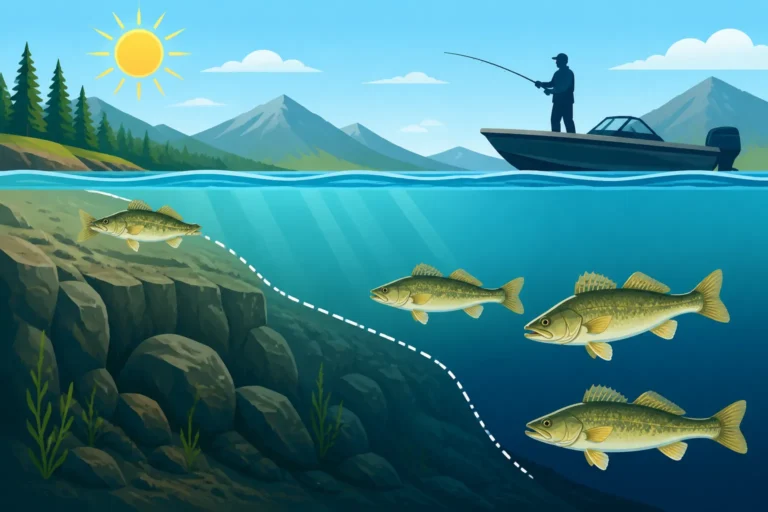
When the ice is off, yellow perch often relate to distinct structures and weed lines. During spring and fall, they might be shallower, aggressively feeding near emerging weed growth or along rocky points. As summer progresses, they tend to move deeper to cooler waters, often congregating along sharp drop-offs, sunken islands, or deep weed edges. Precision is key here. Using your fish finder to locate these specific features and schools of baitfish is incredibly helpful.
Small jigs tipped with a minnow, a piece of a nightcrawler, or even a Berkley Gulp! Alive! Minnow or Worm can be deadly. Ultralight spinning gear with light line (4-6 lb test) will give you the sensitivity to detect those subtle bites and make for an exciting fight. Small spoons, micro crankbaits, and soft plastics on a jig head are also excellent choices. When shopping for these specialized baits and ultralight tackle, online retailers like Amazon offer a huge selection, making it easy to find exactly what you need to fill out your tackle box. Don't be afraid to experiment with retrieve speeds and jigging motions until you find what the perch are responding to.
Ice Fishing for Record-Sized Perch
Ice fishing is arguably the most popular time to target big yellow perch in Alberta, and for good reason. Perch often school tightly in predictable locations during winter, making them easier to pinpoint. The cold water also means they're usually in excellent condition. Look for deep basins, submerged humps, and the edges of expansive weed beds that still offer oxygen and forage. A good ice auger and a portable fish finder (flasher or LCD unit) are absolute necessities for success, allowing you to quickly locate fish and adjust your depth. Check out our guide on Ice Fishing in Alberta for more tips.
Small tungsten jigs tipped with maggots, wax worms, or a small minnow are incredibly effective. Spooning with aggressive retrieves can also draw in larger, more curious perch. Pay attention to how the fish are reacting on your sonar; sometimes a subtle twitch is all it takes, other times a more aggressive jigging motion will elicit a strike. Remember, bigger perch can be pickier, so having a variety of baits and presentations is crucial. Many experienced ice anglers find a great selection of micro jigs and winter panfish plastics on Amazon. For specific advice on gear, our article Best Ice Fishing Gear for Alberta has you covered.
| Season | Preferred Depths | Common Locations | Best Baits/Lures | Key Technique |
|---|---|---|---|---|
| Spring | Shallow to mid-depths | Near shore, emerging weeds | Small jigs, minnows, worms | Slow retrieve, sight fishing (if clear) |
| Summer | Mid-depths to deep | Drop-offs, deep weed lines | Jigs, small crankbaits, soft plastics | Vertical jigging, slow trolling |
| Fall | Mid-depths, migrating | Points, channels, structure | Spoons, minnows, blade baits | Aggressive jigging, casting parallel to shore |
| Winter | Deep basins, weed edges | Submerged humps, channels | Tungsten jigs, maggots, small spoons | Subtle jigging, dead-sticking |
For more detailed information on techniques, dive into Best Techniques for Panfish in Alberta.
The Official Process: What to Do If You Catch a Potential Record
Imagine the scenario: you're out on the lake, you feel a heavy thump, and after a valiant fight, you pull in what looks like the biggest yellow perch you've ever seen. Your heart is pounding. Could this be it? Could this be the new Alberta record? To ensure your catch qualifies for official recognition, there's a strict process you'll need to follow. It's not enough to just weigh it on your personal scale; official verification is critical.
Verification and Documentation
First and foremost, if you believe you've caught a potential record, do not clean or alter the fish in any way. The fish needs to be weighed on a certified scale, usually found at local grocery stores, meat markets, or post offices. The scale must be calibrated and accurate. You will also need a witness, preferably someone unconnected to your fishing party, to verify the weighing process. Clear, high-quality photographs are also essential, showing the entire fish, its length, girth, and the weight on the scale.
It's also crucial to have accurate measurements of the fish's length and girth. Use a reliable measuring tape. These details, along with the date, time, and location of the catch (general area, not precise GPS coordinates for secrecy if you prefer), will be required for submission. Remember, the goal is to provide undeniable proof of your exceptional catch. When transporting the fish, keep it cool and moist, perhaps in a cooler with ice, to preserve its condition until it can be officially weighed.
Submitting Your Claim
Alberta Environment and Protected Areas (AEP) oversees the provincial fish records. You'll need to contact them or visit their website for the official forms and submission guidelines. They'll require all the documentation mentioned above, including your personal details, fishing license information, and a detailed account of the catch. Be prepared for a thorough review process. Patience is a virtue here, as it can take some time for claims to be verified.
While the focus is on breaking records, always remember to fish ethically. If you're not planning to keep a fish that might be a record, practice safe catch and release techniques. For other species like bull trout, catch and release is mandatory, as detailed in Alberta Bull Trout Zero Possession Rule. But for a potential record yellow perch, a legal harvest is permitted for verification. You can find comprehensive information on all provincial records and the submission process in our dedicated guide, Alberta Provincial Fish Records by Species. It's a fantastic resource for anyone dreaming of seeing their name in the record books.
Disclaimer
This article is for general informational purposes only and does not constitute professional advice. Laws, prices and regulations vary by location and change over time. Consult a qualified professional for guidance on your specific situation.