Alberta record whitefish weight
The quest for a record-breaking fish is a dream many anglers share, and when it comes to the often-underestimated whitefish in Alberta, that dream is no different. You might be poring over forums and regulations, trying to find that definitive number, that benchmark that tells you just how big an Alberta whitefish can get to make it into the record books. It's a completely natural curiosity, and frankly, it can be a little frustrating when the information isn't immediately clear or specific. This guide is here to shed some light on the world of whitefish records in Alberta, detailing the species, their impressive sizes, and how these monumental catches are typically recognized.
Understanding Alberta's Whitefish Species
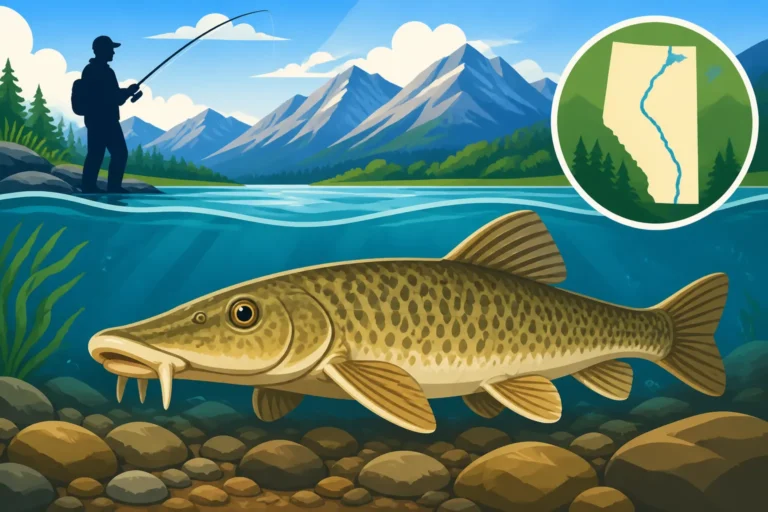
Before we can even talk about records, it's crucial to understand which fish we're actually talking about! In Alberta, when most anglers refer to "whitefish," they're generally thinking of two distinct species: the Lake Whitefish and the Mountain Whitefish. Both are fantastic sport fish, offering unique challenges and rewards, and both can grow to impressive sizes that might just make you wonder if you've hooked a record.
The Mighty Lake Whitefish
The Lake Whitefish (Coregonus clupeaformis) is a true staple of many of Alberta's larger, colder lakes. These fish are renowned for their strength and often put up a surprisingly spirited fight on appropriate tackle. They are also incredibly important ecologically and historically, sustaining communities for generations.
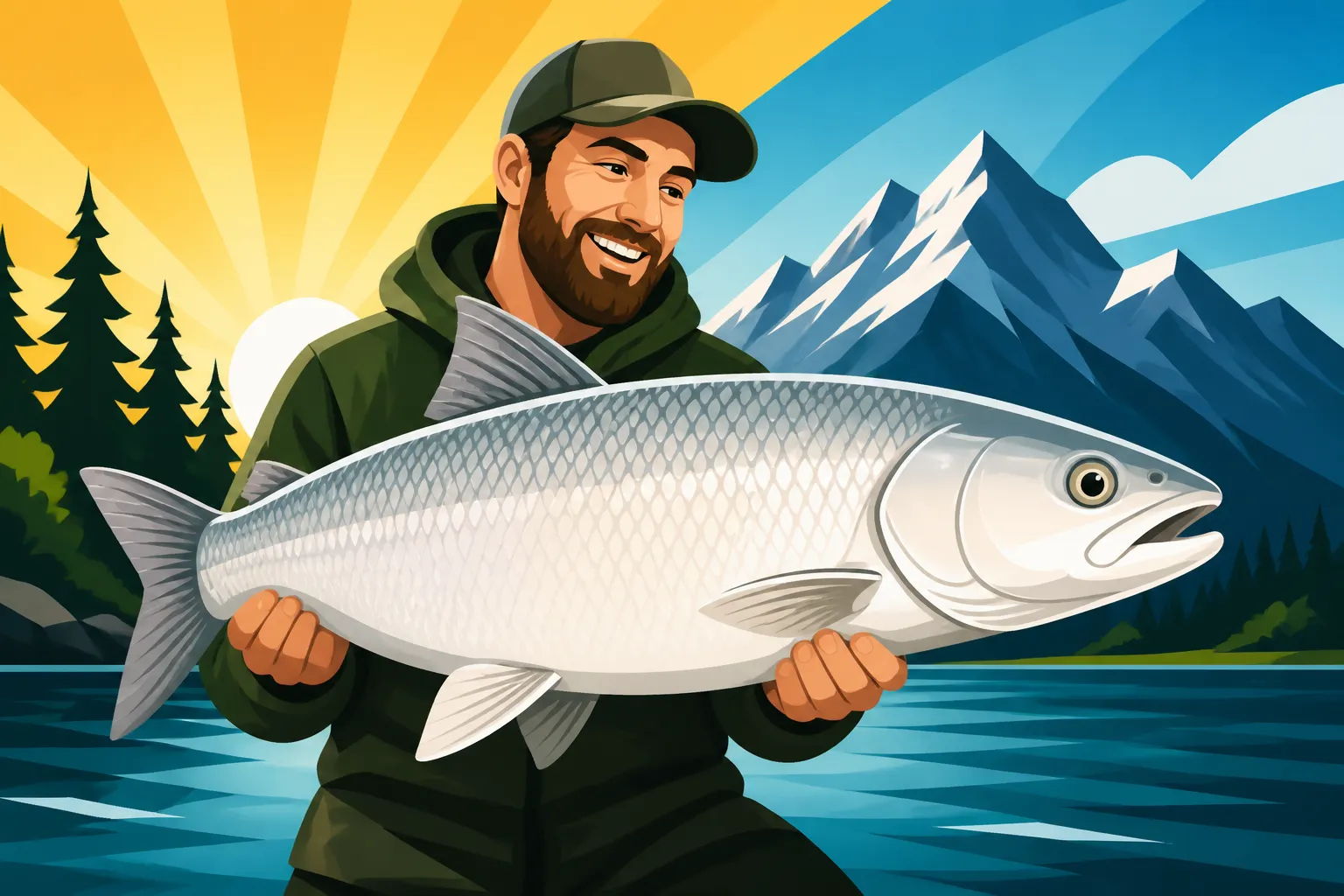
Typically, a mature Lake Whitefish will range anywhere from a couple of pounds up to 10 pounds in many of our productive lakes. However, they absolutely have the potential to grow much, much larger. We're talking about those truly impressive specimens that stretch beyond the 10-pound mark, occasionally tipping the scales closer to 20 pounds or even more in prime conditions with abundant food sources. Imagine battling one of those behemoths! They are often targeted by ice anglers, but open water opportunities are plentiful too. Anglers often find success using specialized jigging spoons or small minnow imitators. You can learn more about Lake Whitefish in Alberta Lakes.
The Agile Mountain Whitefish
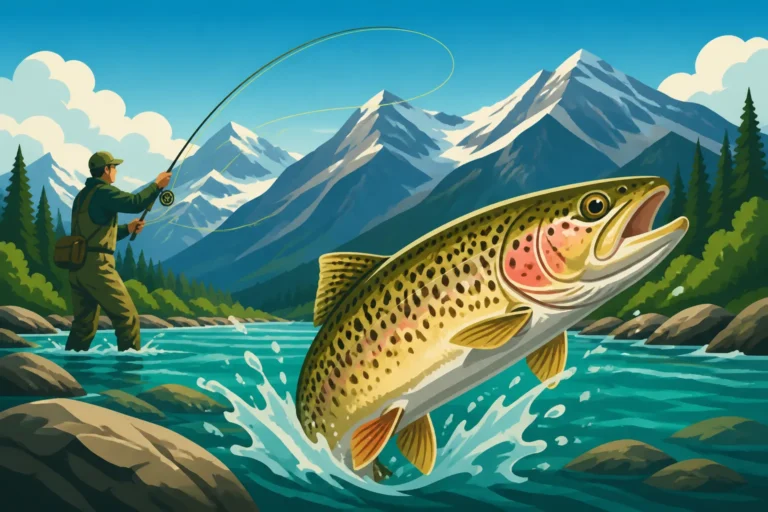
Then we have the Mountain Whitefish (Prosopium williamsoni), a sleek, muscular fish primarily found in the colder, oxygen-rich rivers and streams of Alberta's foothills and mountains. These fish are absolute gems, often providing exhilarating fly-fishing action. While generally smaller than their lake-dwelling cousins, they are known for their incredibly hard fighting ability, especially in river currents.
Most Mountain Whitefish you'll encounter will be in the 1-4 pound range, making them a fantastic target on light spinning gear or a 3-5 weight fly rod. But don't let that average size fool you! Mountain Whitefish can also surprise anglers with their size, sometimes reaching 5-7 pounds, with exceptional specimens pushing even larger. Hooking a Mountain Whitefish of that calibre in a fast-flowing river is an experience you won't soon forget. Their fight is explosive and their tenacity is admirable. For more detailed information on their habitat, check out Mountain Whitefish in Alberta Rivers. You can also learn how to differentiate between the two with Rocky Mountain Whitefish vs Lake Whitefish Identification.
The Elusive Nature of Official Fishing Records in Alberta
It's one thing to catch a massive fish and weigh it on your personal scale; it's another entirely to have it officially recognized as a provincial record. The process, and sometimes even the existence of easily accessible, up-to-the-minute official records for every species and category, can be a bit of a maze for anglers. Many provinces and states have a formal system, but finding that single, definitive list for Alberta can sometimes feel like searching for a needle in a haystack, particularly for species like whitefish that might not always get the same spotlight as a trophy walleye or lake trout.
Why Records Can Be Hard to Pin Down
One of the main reasons why finding precise, current record information can be challenging is that record-keeping bodies and methodologies can change over time. What might have been considered the official record a decade ago might have been superseded, or the organization responsible for maintaining the records might have evolved. Furthermore, fish records often involve strict verification processes, including certified scales, witness statements, and sometimes even species identification by a biologist. It's not just about a big fish; it's about a well-documented big fish.
For a specific and up-to-date provincial record for "whitefish" (which might be broken down into Lake Whitefish and Mountain Whitefish by official bodies), anglers are always advised to consult the latest edition of the Alberta Guide to Sportfishing Regulations or the official website of Alberta Environment and Protected Areas. These are the definitive sources for all things related to angling in the province, including any official provincial records they recognize and the procedures for submitting a potential new record. Many anglers purchase certified scales from reputable online retailers like Amazon to ensure their catches are accurately weighed for potential record submissions or even just for bragging rights among friends.
The Difference Between Official Records and Personal Bests
Most of us won't ever break a provincial record, and that's perfectly okay! The vast majority of anglers are chasing personal bests (PBs) – that biggest fish they've ever caught of a particular species. This distinction is important because while an official record requires rigorous documentation and adherence to specific rules, a personal best is entirely yours. It's the memory, the battle, and the sheer joy of landing a fish that pushes your own limits.
Whether it's a 7-pound Mountain Whitefish from the Bow River that absolutely smashed your fly, or a 15-pound Lake Whitefish that nearly spooled you through the ice on Lesser Slave Lake, these personal achievements are often far more meaningful than any official listing. They represent growth as an angler, understanding of fish behaviour, and a deep connection to the outdoors. Sometimes, seeing those record weights just inspires us to push our own limits and spend more time out on the water.
Where Trophy Whitefish Lurk in Alberta
If you're dreaming of a record-breaking whitefish, or even just a personal best, knowing where these impressive fish tend to live is half the battle. Alberta is blessed with an abundance of waters, and certain areas are particularly famous for producing larger-than-average whitefish.
Top Spots for Lake Whitefish
For trophy Lake Whitefish, you'll want to focus your efforts on Alberta's larger, deeper, and colder lake systems. These environments provide the necessary deep-water habitat, abundant food sources, and stable temperatures that allow these fish to grow to truly exceptional sizes.
- Lesser Slave Lake: This massive lake in northern Alberta is famous for its incredible walleye fishery, but it's also a powerhouse for Lake Whitefish. The sheer size and depth of the lake, combined with its productive ecosystem, mean whitefish here have plenty of room to grow big. Ice fishing is particularly popular for targeting these giants, often found schooling in deeper basins.
- Cold Lake: Straddling the Alberta-Saskatchewan border, Cold Lake is another deep, vast body of water known for its large lake trout and, yes, substantial Lake Whitefish. The clear, cold waters provide ideal conditions for whitefish to thrive, and anglers often intercept them while trolling or jigging for other species. Finding the right depths and structure is key here.
- Other Large Lakes: Lakes like Lac La Biche and some of the larger lakes in the Kananaskis region can also hold impressive populations of Lake Whitefish. The key is often finding those deeper, cooler sections, especially during the warmer months when they retreat from the shallows. You can explore more options in Best Fishing Lakes in Alberta.
Prime Rivers for Mountain Whitefish
When it comes to Mountain Whitefish, it's all about the moving water. These fish are perfectly adapted to river life, and the larger, more robust rivers of the eastern slopes of the Rockies are where you'll find the biggest specimens.
- Bow River: The legendary Bow River, particularly the stretches below Calgary, is not just a world-class trout fishery; it's also home to an incredible population of Mountain Whitefish. These fish grow plump and strong in the nutrient-rich waters. While often overlooked by anglers targeting trout, the Bow River's whitefish are magnificent fighters and can reach impressive sizes here. Fly anglers often encounter them while nymphing.
- Oldman River & Crowsnest River: These southern Alberta rivers, and their tributaries, offer excellent Mountain Whitefish opportunities. The clearer, colder waters provide prime habitat. Anglers who focus on deeper pools and runs, particularly with small nymphs or jigs, can be greatly rewarded. These rivers are true gems for those who appreciate the wildness of Alberta's mountain streams.
- Other Foothills Rivers: Many other rivers flowing out of the Rockies, such as the Highwood, Sheep, and Elbow Rivers, also hold healthy populations of Mountain Whitefish. The key is seeking out stretches with good current, gravel bottoms, and deeper holding lies. For more insights on river fishing, refer to Best Fishing Rivers in Alberta.
The Process of Verifying a Record Catch
So, you've hooked what you believe might be an Alberta record whitefish. What now? The exhilaration is probably overwhelming, but to get it officially recognized, there's a process. While the exact steps can vary, the core requirements remain fairly consistent across most reputable record-keeping bodies. Always consult the official Alberta Fishing Regulations Explained and the Reading the Alberta Guide to Sportfishing Regulations for the most current and specific guidelines.
Crucial Steps for Record Submission
- Immediate Weighing: This is paramount. The fish must be weighed as quickly as possible on a certified scale. Many sporting goods stores or even some post offices have certified scales. If you have a personal scale, ensure it's recently calibrated. Record-seekers often carry a high-quality digital scale that can be purchased from an online retailer like Amazon to get an accurate initial weight.
- Measurements: Take accurate measurements of the fish's length (tip of the nose to the tip of the tail) and girth (around the widest part of its body). These measurements, while not always the primary factor for weight records, are crucial for verification and can help identify the species.
- Photographs: High-quality photographs are essential. Take clear pictures of the fish from multiple angles, showing its full length, the weight on the scale (if possible), and the angler holding the fish. These photos help with species identification and corroborate the catch.
- Witnesses: The more credible witnesses you have, the better. Have them sign an affidavit or a statement attesting to the catch, the weighing, and the measurements. Their contact information should also be provided.
- Species Identification: Be absolutely sure of the species. As discussed, Lake Whitefish and Mountain Whitefish are distinct. If there's any doubt, a fish biologist might need to examine the fish. For catch and release records (if applicable), careful handling is key.
- Official Application: Fill out any official application forms provided by Alberta Environment and Protected Areas or the relevant record-keeping organization. These forms will detail all required information and submission deadlines.
Catch and Release Records and Ethical Angling
While traditional records often focus on harvested fish, there's a growing movement towards recognizing exceptional catches through catch-and-release records. These often involve specific measurement boards and photographic evidence, emphasizing the conservation aspect. For whitefish, especially the robust Mountain Whitefish, responsible catch and release is vital for sustaining healthy populations. Using proper landing nets (check out options on Amazon!), minimizing air exposure, and handling fish gently are all part of being a responsible angler.
Remember, the goal is not just to catch a big fish, but to do so ethically and with respect for the resource. Always be mindful of Alberta Bag and Possession Limits by Species and other regulations to ensure your angling practices are sustainable.
| Whitefish Species | Typical Size Range (lbs) | Potential Trophy Size (lbs) | Primary Habitat | Fishing Method |
|---|---|---|---|---|
| Lake Whitefish | 2 – 10 | 10 – 20+ | Large, deep lakes | Jigging, Trolling, Ice Fishing |
| Mountain Whitefish | 1 – 4 | 5 – 7+ | Cold, clear rivers | Fly Fishing (Nymphing), Light Spin |
Chasing a record is an exciting part of the angling journey, but even if you don't land that official provincial record, the pursuit itself—the time spent on Alberta's beautiful waters, the challenge of the catch, and the joy of a good fight—is what truly makes fishing such a rewarding lifestyle.
Disclaimer
This article is for general informational purposes only and does not constitute professional advice. Laws, prices and regulations vary by location and change over time. Consult a qualified professional for guidance on your specific situation.