Which Alberta lake holds the province’s biggest pike catch
Many anglers in Alberta spend years chasing the elusive trophy northern pike, dreaming of the day they tie into a true monster that pushes the limits of their gear and their resolve. It can be a real head-scratcher trying to pinpoint the best spots for these giants among Alberta's countless lakes and rivers. This comprehensive guide will take you deep into the waters known for producing the biggest pike catches in the province, offering insights into why these places thrive and how you can improve your odds of landing your own personal best.
The Undisputed King: Lesser Slave Lake's Legacy
When you talk about truly enormous northern pike in Alberta, one name consistently rises to the top, a lake whispered about in hushed tones around campfires and boat docks: Lesser Slave Lake. It has a long-standing reputation for producing not just many pike, but pike of truly gargantuan proportions, making it a bucket-list destination for any angler serious about battling a freshwater leviathan.
Why Lesser Slave Lake Stands Out
Lesser Slave Lake isn't just big; it's an entire ecosystem perfectly tuned for growing massive predators. Covering over 1,160 square kilometers, it's Alberta's largest lake entirely within the province's borders. This immense size provides an incredible amount of diverse habitat, from sprawling shallow bays choked with thick weed beds to deeper main lake basins and countless points and islands. This variety means pike have endless places to ambush prey, escape pressure, and grow old and enormous.
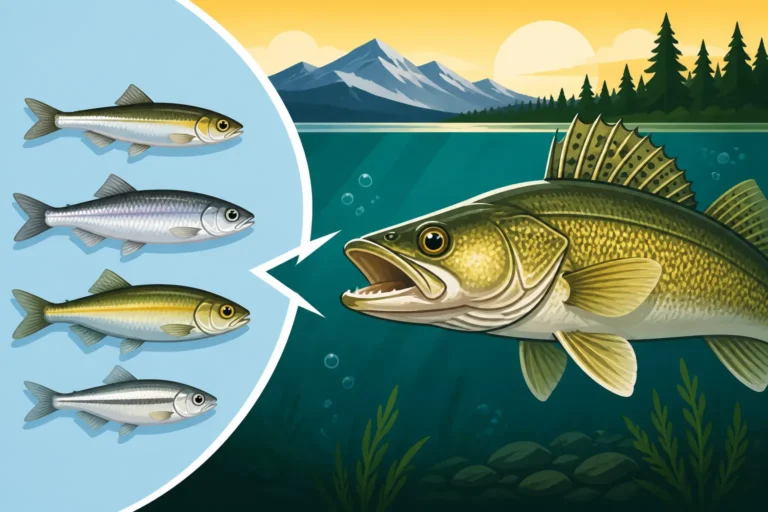
Beyond sheer size, the lake's incredible forage base is arguably its biggest asset for producing trophy pike. It's teeming with a variety of baitfish, including copious amounts of cisco (also known as lake herring) and various minnow species. These nutrient-rich food sources allow pike to feed heavily and pack on weight rapidly, reaching sizes that are simply not sustainable in less productive waters. Imagine a buffet table laid out 24/7 – that's Lesser Slave Lake for a growing pike. Furthermore, the lake's relative shallowness and fertile waters contribute to robust aquatic plant growth, providing ideal ambush cover and nursery areas, completing the perfect cycle for a thriving pike population. To learn more about targeting these predators, check out Northern Pike Fishing in Alberta.
The Record-Breaking Catch
While specific record weights can fluctuate and are often subject to official verification processes, Lesser Slave Lake has historically been the source of some of the most impressive northern pike catches in Alberta. The lake is widely considered the province's strongest contender for where the absolute biggest northern pike could come from. Anglers consistently pull pike weighing in the high teens and even well into the twenty-pound range from its waters, with whispers of even larger fish always circulating amongst the angling community. It's a place where every cast holds the potential for a true giant.
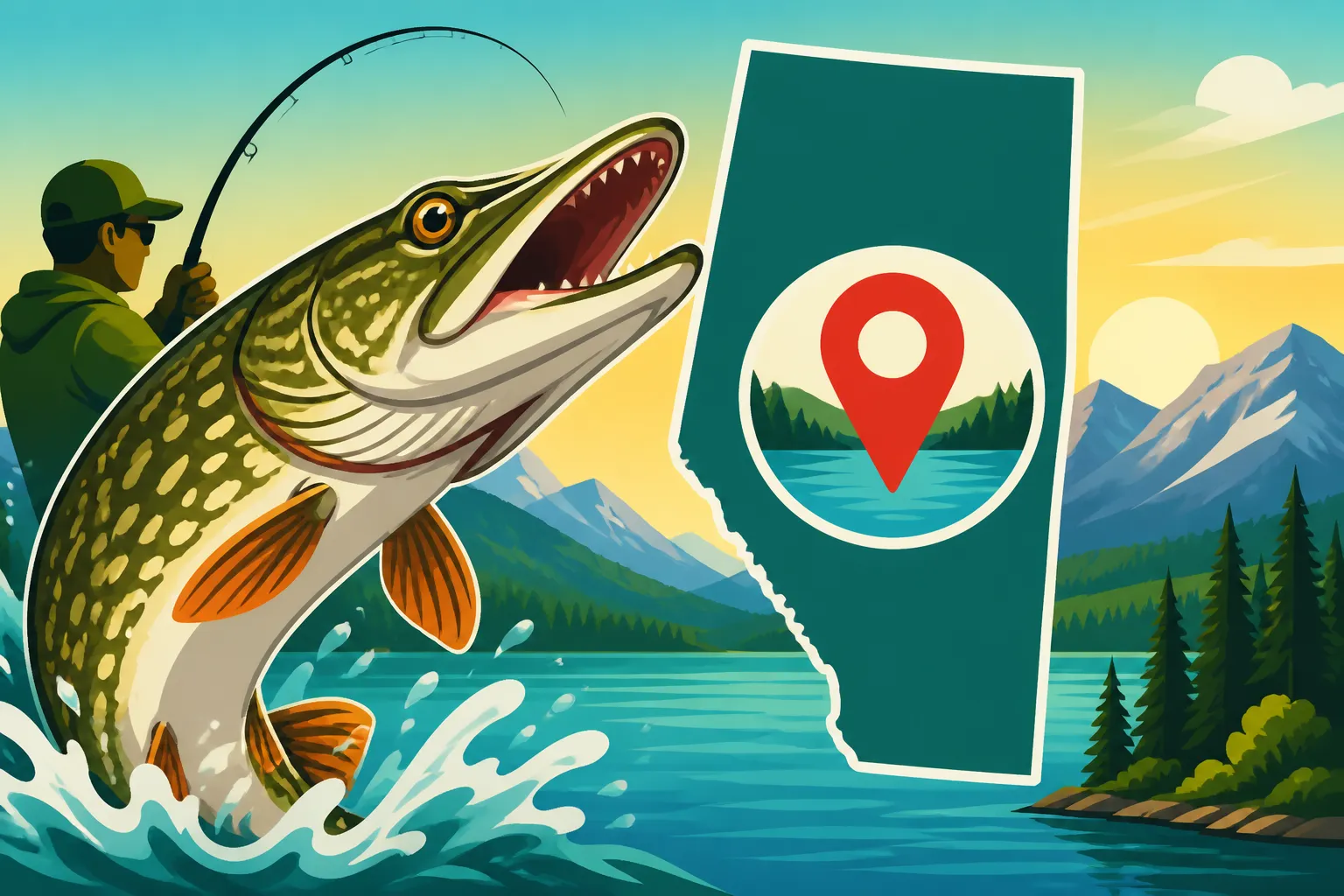
Picture this: you're working a big spoon or a heavy bucktail along a weed edge, and suddenly your rod is nearly ripped from your hands. The fight is brutal, full of headshakes, surging runs, and perhaps a spectacular aerial display. When you finally get that massive, green-and-gold torpedo boat-side, you understand why Lesser Slave Lake is so legendary. Its reputation is built on countless tales of these epic encounters, solidifying its status as the prime location for serious trophy pike hunters in Alberta. Understanding the growth potential helps frame the expectations; delve deeper with Northern Pike Growth Rate to Trophy Size.
Understanding the Habitat of Giant Pike
It's not just about a lake having any pike; it's about the specific conditions that allow them to reach truly monumental sizes. Trophy pike are products of their environment, requiring a perfect storm of food, cover, and favorable living conditions to grow into the giants we all dream of catching.
Food Abundance and Structure
The presence of a rich and diverse forage base is the absolute cornerstone for growing big pike. Lakes like Lesser Slave Lake, with their abundant populations of baitfish such as cisco, suckers, and various minnow species, provide the high-protein diet necessary for pike to achieve exceptional size. Without this readily available food, pike simply cannot sustain the energy demands of rapid growth. It's like trying to build a skyscraper without enough steel – it just won't happen.
Beyond just food, the structure of the lake plays a crucial role. Trophy pike are ambush predators, and they need places to hide, wait, and strike. This means lakes with vast expanses of healthy weed beds (like those found in many bays of Lesser Slave Lake), submerged timber, rock piles, and sharp breaklines are prime territory. These features offer not only concealment for the pike but also attract the baitfish they prey upon. Imagine a scenario where a large pike lies motionless in a dense patch of cabbage weeds, perfectly camouflaged, waiting for an unsuspecting school of cisco to swim by. This is the daily reality for a trophy pike in a well-structured lake. Knowing what they eat can really boost your strategy; check out What northern pike eat in Alberta lakes.
Ideal Water Conditions and Climate
While pike are resilient fish, certain water conditions are more conducive to growing giants. Moderate water temperatures, good oxygen levels, and nutrient-rich (but not overly polluted) waters contribute to a healthy ecosystem that supports both the pike and their prey. Alberta's climate, with its long, cold winters, actually helps in a unique way. The extended ice-fishing season allows anglers to access deeper sections of lakes that might be difficult to reach by boat in open water, potentially encountering less pressured, larger fish.
Furthermore, a long growing season without extreme temperature fluctuations can help pike maintain steady growth. While Alberta winters are long, the summers offer prolonged periods of active feeding. Lakes with stable environments, where populations of both predator and prey can thrive without significant ecological disruptions, tend to consistently produce larger fish. It's a delicate balance, but when struck, it creates a formidable fishery. Knowing your provincial regulations is paramount here; refer to Alberta Northern Pike Limit and Alberta Bag and Possession Limits by Species for specific details.
Strategies and Gear for Trophy Pike
Catching a truly massive northern pike isn't usually an accident; it's often the result of deliberate strategy, appropriate gear, and a healthy dose of patience. When you're targeting fish that can weigh as much as a small dog, you need to be prepared for a fight.
Targeting Methods and Lures
Trophy pike demand attention-grabbing presentations. Forget the tiny panfish jigs; we're talking about baits that imitate substantial meals. Large spoons, like the classic Daredevil or Five of Diamonds, in sizes ranging from 4 to 6 inches, are perennial favourites. Heavy bucktail spinners, especially those with tandem blades, create a huge profile and vibration that can trigger aggressive strikes from big pike. For deeper presentations or when fish are holding tight to structure, oversized soft plastic swimbaits (6-10 inches) rigged on heavy jig heads are incredibly effective. Even large crankbaits and jerkbaits, especially those with a wide wobbling action, can entice a monster.
When it comes to technique, trolling is a popular method on vast lakes like Lesser Slave. Covering water effectively with large baits is key to finding those lone wolves. Casting to prominent points, along deep weed edges, and into transition zones where shallow bays meet deeper water are also highly productive. In winter, during ice fishing season, large tip-ups rigged with substantial dead bait (like whole cisco or suckers, if legal in your area) or big jigging spoons can also fool the giants. For a more detailed look at what works, consider Best Lures for Northern Pike in Alberta.
| Lure Type | Best Use Case | Typical Size Range | retrieve/Technique |
|---|---|---|---|
| Large Spoons | Trolling, Casting over weed tops, Ice Fishing | 4-6 inches | Steady retrieve, Stop-and-go, Jigging |
| Bucktail Spinners | Casting over weed flats, Shorelines | #5-#8 blade size | Medium-fast steady retrieve |
| Soft Plastic Swimbaits | Deeper water, Submerged structure, Casting | 6-10 inches | Slow retrieve, Jigging, Erratic snaps |
| Crankbaits | Trolling open water, Casting breaklines | 4-8 inches | Medium-fast retrieve, Pause and go |
| Dead Bait (Tip-ups) | Ice Fishing, Cold Water (if legal) | Whole cisco, sucker | Stationary on bottom or suspended |
Essential Equipment for Monster Pike
You don't bring a knife to a gunfight, and you don't bring ultralight tackle to a trophy pike hunt. A medium-heavy to heavy power casting or spinning rod, typically 7 to 8 feet long, is a must. This provides the backbone needed to cast heavy lures and turn the head of a surging fish. Pair it with a robust baitcasting or spinning reel capable of holding at least 100-150 yards of heavy braided line (30-65 lb test). Braided line is essential for its strength, lack of stretch, and abrasion resistance.
Crucially, you absolutely need a heavy-duty leader. Pike have incredibly sharp teeth that will easily slice through monofilament or fluorocarbon main line. Wire leaders (steel or titanium) in the 80-100 lb test range are standard. Heavy fluorocarbon leaders (80-120 lb) can also work but need to be checked constantly for nicks. Don't forget a large, rubberized landing net to safely handle and release these magnificent fish, and a pair of long-nosed pliers or jaw spreaders to aid in hook removal. You can find many reliable options for these crucial tools on Amazon, ensuring you're well-equipped for your next outing. Equipping yourself properly is key; for more on this, read Best Pike Gear for Alberta Lakes.
Seasonal Considerations
The time of year dramatically impacts pike behavior and where you'll find them. Early spring, right after ice-out, can be phenomenal. Pike are often shallow, pre-spawn, and hungry, making them very aggressive. They'll be found cruising warmer bays and shallows, often around the first green-up of weeds. This period can offer some of the most intense action. If you're planning an early season trip, Best Techniques for Early Spring Pike offers invaluable insights.
Summer sees pike move to deeper weed lines, submerged structures, and cooler main lake areas as surface waters warm up. Mornings and evenings are often prime times during the warmer months. Fall is another fantastic period, as pike are on the chew, gorging themselves in preparation for winter. They can often be found shallower again, aggressively feeding before the cold sets in. Ice fishing for pike is a popular winter pursuit, especially on lakes like Lesser Slave, where access to prime deep-water structure opens up. Each season presents unique opportunities and challenges for the dedicated pike angler.
Other Notable Trophy Pike Waters in Alberta
While Lesser Slave Lake holds a special place in the hearts of trophy pike anglers, Alberta boasts other excellent fisheries that consistently produce large northern pike. Exploring these options can diversify your angling experience and still put you on the trail of a true giant.
Lakes Known for Consistent Big Fish
Beyond Lesser Slave, other major Alberta lakes are well-regarded for their pike populations and the potential for trophy fish. For instance, Lac La Biche in northeastern Alberta is another large, productive lake with extensive shallow bays and ample forage, making it a consistent producer of good-sized pike. It might not have the same overall numbers of giants as Lesser Slave, but it certainly holds its own. Similarly, Wabamun Lake west of Edmonton, known for its sheer size and productive waters, is another strong contender for larger pike. These lakes have the ecological capacity – size, structure, and forage – to grow pike into the double-digit weight class regularly.
Consider also Cold Lake, a deep, clear lake straddling the Alberta-Saskatchewan border. While famous for its lake trout, its shallower bays and creek mouths also hold significant populations of large northern pike, especially during specific times of the year. Each of these lakes presents its own unique challenges and rewards, but they all share the fundamental characteristics that allow pike to thrive and grow large. To get a broader view of where to fish, take a look at Best Fishing Lakes in Alberta and specifically for giants, Best lakes for trophy pike in Alberta.
Lesser-Known Gems
Sometimes, the biggest fish come from waters that don't get as much pressure. Alberta has numerous smaller, often remote, lakes and reservoirs that, due to specific environmental factors or lesser accessibility, can sometimes surprise anglers with a truly exceptional pike. These might be lakes with specific baitfish introductions, particularly rich nutrient cycling, or simply fewer anglers consistently targeting the largest fish.
These "hidden gems" often require more research, effort, and possibly specialized equipment like an appropriate boat or kayak for access. Portable fish finders, available on Amazon, can be a great asset in exploring these less-fished waters, helping you pinpoint structure and potential pike holding areas quickly. While these waters may not produce trophy pike with the same frequency as the legendary lakes, the potential for a personal best in a serene, less crowded environment is a powerful draw. Remember, every major lake has smaller, interconnected sloughs and backwater channels that often harbor unexpectedly large fish, especially early in the season or during spawning periods. For those who enjoy the challenge of winter angling, Best Ice Fishing Lakes in Alberta might reveal some fantastic lesser-known spots.
Disclaimer
This article is for general informational purposes only and does not constitute professional advice. Laws, prices and regulations vary by location and change over time. Consult a qualified professional for guidance on your specific situation.