What percentage of stocked trout survive the season
It's a question many Alberta anglers ponder, often with a touch of frustration: you hear about thousands of trout being stocked in your favourite pond or lake, but it feels like they disappear almost overnight. Where do they go? Do they just vanish, or is there a reason we don't see them later in the season? This guide dives deep into the complex reality of stocked trout survival in Alberta's waters, exploring the many factors at play and what we, as responsible anglers, can do to help these fish thrive, even if only for a short while.
The Reality of Stocked Trout Survival
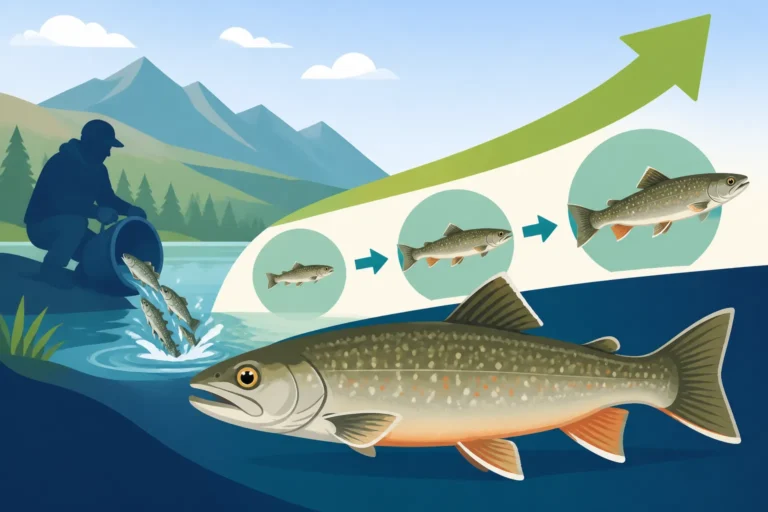
When a new batch of trout, often spirited young rainbows or brookies, is introduced to an Alberta lake or pond, it's not like dropping them into a fish paradise. These fish face an immediate, often brutal, reality check. Their survival rate isn't a fixed, high percentage; it's a dynamic number influenced by countless variables from the moment they leave the hatchery. It’s a tough life out there for a fish, and even tougher when you've been raised in a relatively protected environment.
Initial Shock and Acclimatization
Imagine being abruptly plucked from your comfortable home, tossed into a truck, driven for hours, and then dumped into a brand new, often colder and more chemically diverse environment. That's essentially what happens to stocked trout. The journey from hatchery to lake is incredibly stressful. The change in water temperature, oxygen levels, and even pH can be a significant shock to their systems. Some fish simply don't recover from this initial trauma. They might appear fine at first, but succumb to stress-related issues in the days or weeks following stocking. It’s a silent, unseen attrition that happens before most anglers even cast a line.
Beyond the physical shock, there's the mental and behavioral acclimatization. These fish are used to being fed and protected. They haven't had to forage extensively for food or actively evade predators. Suddenly, they're in an open, competitive, and dangerous world. They need to learn to find natural food sources, compete with existing fish populations, and develop survival instincts against threats they've never encountered. This learning curve is steep, and not all fish make the grade.
Predation Pressure
One of the most significant and immediate threats to stocked trout is predation. Alberta's lakes and rivers are home to a diverse array of predators, both aquatic and avian. Larger fish already present in the waterbody, such as pike, walleye, or even larger holdover trout, see these newly introduced, often disoriented, stocked trout as easy targets. They’re essentially a fresh delivery of snacks with very little fight. You can think of it as a buffet for the local wildlife.
Beyond the aquatic predators, birds like ospreys, cormorants, and even gulls quickly key into the easy pickings. They patrol the waters, especially right after a stocking event, and can decimate a significant portion of the new population. The stocked trout, having spent their lives in concrete raceways or netted pens, often lack the natural camouflage, evasive maneuvers, and wariness of wild fish. They stand out, both literally and figuratively, making them prime targets. This intense predation pressure contributes heavily to the perception that stocked fish "disappear" rapidly.
Factors Influencing Survival Rates
The survival rate of stocked trout isn't just a single number; it's a spectrum, highly dependent on a multitude of factors unique to each stocking event and water body. It's a complex ecological puzzle, where every piece plays a role in how many of those little fish make it through the season, or even the first few weeks.
Water Quality and Habitat
The quality of the water body itself plays a monumental role. A pristine, well-oxygenated lake with suitable depths and cover offers a much better chance of survival than a shallow, warm, or nutrient-poor pond. Trout are cold-water fish, and high water temperatures, especially during summer months, can be lethal. If the oxygen levels are low, or if there's significant pollution from agricultural runoff or other sources, the trout will struggle to breathe and thrive.
Furthermore, the availability of suitable habitat is critical. Stocked trout need places to hide from predators, areas with ample food sources, and suitable depths or structures to escape extreme temperatures. Lakes or ponds with plenty of submerged vegetation, rocky shoals, or deep pockets provide refuge and sustenance. Conversely, a barren, featureless pond offers little protection, making the trout vulnerable to predation and environmental stressors. Without good habitat, even perfectly healthy stocked fish will find it difficult to establish themselves.
Angling Pressure and Handling
Let's be honest, we anglers are a big part of the equation! When a lake is freshly stocked, it often draws a crowd. High angling pressure, especially right after a stocking event, means a lot of fish are caught quickly. While many anglers practice catch and release, the way a fish is handled after being caught directly impacts its chances of survival. Improper handling – holding fish by their gills, dropping them on hard surfaces, or prolonged exposure to air – can cause severe injury, stress, and even death, even if the fish swims away initially.
Using the right gear can make a huge difference here. Barbless hooks, readily available on Amazon, cause less damage. Soft, knotless landing nets, also easily found on Amazon, protect a fish's delicate slime coat and fins. Understanding how to properly unhook and release a fish is paramount. If we want more stocked trout to survive longer, we need to take responsibility for our actions on the water. Alberta Catch and Release Only Waters exist for a reason – to protect vulnerable populations.
Size and Species of Stocked Trout
Generally speaking, larger trout tend to have a better chance of survival than smaller ones. They are less susceptible to predation from birds and larger fish, and they might be more robust to handle the stress of transport and acclimatization. A tiny fingerling is an easy meal; a twelve-inch trout is a much more challenging target. This is why fisheries managers often try to stock trout of a certain size, balancing the cost of raising them larger with the desired survival outcomes.
The species of trout also plays a role. Rainbow trout are often chosen for stocking programs because they are relatively hardy, grow quickly, and adapt reasonably well to a variety of stillwater environments. Other species, like brook trout, might be stocked in specific alpine lakes or ponds that mimic their natural, colder, and often more remote habitats. Their inherent hardiness and natural instincts can influence their survival in a new environment. Understanding the Trout Species Identification Guide for Alberta can help anglers appreciate these differences.
Time of Year and Stocking Methods
The timing and method of stocking are crucial. Stocking trout in the spring, when water temperatures are cool and food sources are becoming abundant, often yields better survival rates than stocking in the heat of summer or the chill of late fall. Cooler water reduces stress during transport and provides a more oxygen-rich environment for the fish to acclimate. Spring also means fewer immediate threats from ice and extreme cold.
The actual method of stocking also matters. Gently releasing fish into suitable areas, away from immediate deep-water predators or high-traffic angling spots, can improve initial dispersal and survival. Contrast this with simply dumping fish from a truck into a shallow, open area, which can create a feeding frenzy for predators and make the fish easy targets for anglers. Fisheries often consider access, water depth, and potential immediate threats when choosing precise stocking locations. This careful planning, though unseen by most anglers, is a significant part of the survival puzzle.
Angler's Role in Improving Survival
As anglers, we often feel like we're just along for the ride, but we actually have a significant impact on the survival of stocked trout. Every decision we make, from the gear we choose to how we handle a fish, contributes to the overall health and longevity of these populations. It’s about more than just catching fish; it’s about being part of the solution. If you're passionate about Alberta fishing, then being a responsible steward of the resource is key.
Practicing Proper Catch and Release
Proper catch and release is arguably the most impactful thing an individual angler can do to improve the survival chances of a hooked fish, especially trout. Many stocked waters have specific regulations, sometimes even Alberta Catch and Release Only Waters, because these fish are a valuable resource. The goal is to minimize stress and physical harm to the fish. This means reducing fight time by using appropriately sized tackle, landing the fish quickly, and keeping it in the water as much as possible.
When a trout is landed, use wet hands to handle it gently, supporting its body. Avoid squeezing it, especially around the gills or belly, as this can damage internal organs. Remove the hook carefully and quickly. If the hook is deeply swallowed, it’s often better to cut the line as close to the hook as possible rather than tearing at the fish's throat. Barbless hooks are a game-changer here, making hook removal much easier and quicker. Best Landing Net for Trout is often a soft, rubberized mesh to protect the fish's slime coat. You can find excellent options for specialized nets on Amazon, ensuring you're ready to safely release your catch. Remember, a fish that swims away vigorously has a much better chance of surviving than one that just floats off.
Choosing Appropriate Gear
Your gear choices aren't just about catching fish; they're also about helping them survive. This might seem like a subtle point, but it's incredibly important. For stocked trout, which are often smaller and more delicate than wild counterparts, opting for gear that allows for efficient, low-stress capture and release is ideal.
For instance, selecting the right hook size and type is critical. Smaller, finer wire hooks, especially barbless ones, minimize tissue damage. You can actually buy barbless hooks or use pliers to pinch down the barbs on standard hooks – a simple modification that makes a huge difference for the fish. Using appropriate line strength prevents unnecessarily long fights, which exhaust the fish and increase their stress levels. If you're fishing for Rainbow Trout Fishing on the Bow River, for example, you'd likely use a lighter line than if you were targeting massive lake trout.
Another key piece of equipment is a good landing net. As mentioned, a net with a rubberized, knotless mesh cradles the fish, preventing fin damage and the removal of its protective slime layer. This slime layer is the fish's first defense against disease. If you're looking for a reliable, fish-friendly net, checking out options on Amazon can give you plenty of choices. Equipping yourself with a long-nosed pliers or hemostat, also easily found on Amazon, is crucial for quick and efficient hook removal, especially when dealing with smaller fish or tricky hook placements. These small investments in gear can collectively lead to a greater percentage of those stocked trout living to fight another day, or at least for another week or two.
Understanding Stocked Trout Longevity
It’s natural to want those stocked trout to thrive indefinitely, but the reality is often different. Stocked trout, particularly those put into "put-and-take" fisheries, are primarily intended to provide immediate angling opportunities rather than establish self-sustaining populations. Their journey from hatchery to angler's creel, or successful release, is generally expected to be relatively short.
| Factor Affecting Survival | Positive Impact on Survival | Negative Impact on Survival |
|---|---|---|
| Hatchery Stress | Gentle transport, acclimatization | Long, rough transport, sudden temp changes |
| Predation | Ample cover, larger trout size | Exposed environment, small trout size |
| Water Quality | Cool, oxygenated, clean water | Warm, low oxygen, polluted water |
| Angling Pressure | Low pressure, careful release | High pressure, improper handling |
| Habitat | Abundant cover, food sources | Barren, featureless bottom |
| Stocking Time | Spring/early summer, cool temps | Hot summer, late fall/winter |
For many stocked waters, especially those without suitable spawning habitat or year-round cold water, the stocked fish are not expected to reproduce. Their purpose is recreational. This is a key distinction from wild trout populations that naturally reproduce and sustain themselves. While some stocked trout, particularly in larger or more suitable water bodies, might "hold over" for multiple seasons and even grow to impressive sizes, this isn't the primary expectation for the majority of stocking programs. Knowing How many trout Alberta stocks each year might give a sense of the scale, but not necessarily the long-term outcome for each fish.
Ultimately, the exact percentage of stocked trout that survive a full season is incredibly difficult to quantify and varies wildly. It could be quite low in some heavily fished, predator-rich ponds, or surprisingly high in more isolated, well-managed lakes. As anglers, our best contribution is to enjoy the fishing opportunities they provide responsibly and to practice ethical angling habits that give every fish the best possible chance after an encounter with our hook.
Disclaimer
This article is for general informational purposes only and does not constitute professional advice. Laws, prices and regulations vary by location and change over time. Consult a qualified professional for guidance on your specific situation.