Northern Pike Growth Rate to Trophy Size
One of the most thrilling parts of angling in Alberta is the chase for a truly massive fish, and for many, that means a Northern Pike. But if you’ve spent any time on our lakes and rivers, you know that not every pike grows into a monster. It can be incredibly frustrating to wonder why some waterbodies consistently produce giants while others seem to only offer up hammer handles. This guide is here to unravel the mystery of Northern Pike growth, helping you understand what it takes for these formidable predators to reach that coveted trophy size in our diverse Alberta waters.
The Basics of Northern Pike Growth in Alberta
Northern Pike are fascinating fish, known for their aggressive strikes and impressive size. But their journey from a tiny fry to a trophy-worthy specimen is a complex one, heavily influenced by a multitude of environmental and biological factors. Understanding these fundamental growth patterns is the first step in appreciating the "how" and "why" behind the sizes we see in our favourite fishing holes.
Early Life and Rapid Growth
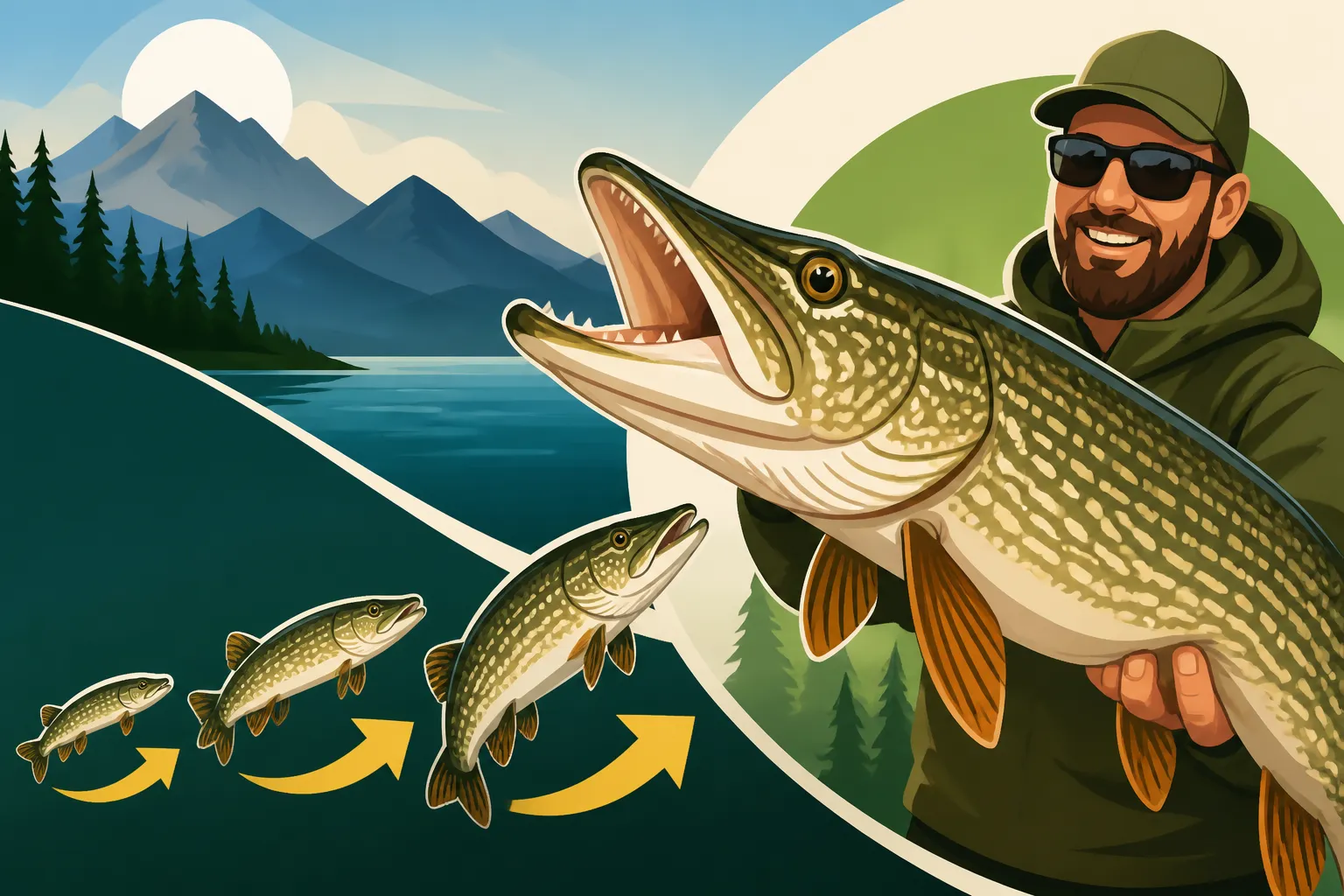
Pike start life small, like most fish, but they don't stay small for long. After hatching, often in shallow, vegetated areas in the spring, these tiny fry are immediately on the hunt. Their growth in the first year can be surprisingly rapid, especially if food is abundant. They transition quickly from feeding on zooplankton to consuming small insects and, before you know it, other fish. This early period is critical; a strong start, characterized by plentiful food and favourable conditions, sets the stage for a healthier, faster-growing fish down the line. Think of it like a kid getting a good start in life – ample nutrition makes a huge difference in those formative years, and it's no different for a young pike.
By the end of their first summer, a pike might already be a respectable 6-12 inches, sometimes even more in particularly rich environments. This initial burst of growth is fueled by their highly efficient predatory nature and a metabolism geared for putting on size. It's during this time that they begin to establish their hunting territories and learn the ropes of survival in a competitive aquatic world.
Factors Influencing Initial Growth
Several key factors dictate how quickly a young pike packs on the pounds in its early years. First and foremost is food availability. Lakes and rivers teeming with small baitfish like minnows, suckers, and perch provide a buffet that allows pike to grow without expending too much energy on the hunt. Conversely, in waters where food is scarce or heavily competed for, growth rates will inevitably slow.
Water temperature also plays a significant role. Pike are cool-water fish, and while they can tolerate warmer temperatures, ideal conditions for metabolism and growth usually occur within a specific range. A prolonged, warm summer with plenty of food can actually accelerate growth, allowing them to eat more frequently. Furthermore, habitat quality, particularly the presence of abundant submerged vegetation for ambush points and protection, helps young pike survive and thrive. A lack of such cover can expose them to predators, reducing their chances of making it to maturity.
Average Growth Rates Across Alberta's Waters
It’s tough to put an exact number on average Northern Pike growth rates because Alberta is so diverse. A pike in a nutrient-rich prairie lake might grow significantly faster than one in a cold, clear mountain lake. Generally, pike in Alberta's warmer, shallower, and more productive lakes (like those in central and northern Alberta) tend to grow faster and reach larger sizes due to better food availability and longer growing seasons. For example, lakes known for strong walleye and perch populations often produce impressive pike because there’s simply more for them to eat.
In contrast, pike in colder, less fertile systems, such as some of our foothill reservoirs or higher-elevation lakes, will grow at a slower pace. They might still reach decent sizes, but it will take them more years to do so. This variability is why it's so important to understand the specific characteristics of the waterbody you're fishing. The same pike that might be 24 inches at three years old in a prime central Alberta lake could take five years to reach that size elsewhere. This is something many anglers grapple with when trying to understand How big northern pike get in Alberta in different locations.
Defining a "Trophy" Northern Pike in Alberta
The term "trophy" is subjective, isn't it? What one angler considers a trophy, another might call a decent fish. However, in the world of Northern Pike fishing in Alberta, there are certainly benchmarks that most experienced anglers agree signify a truly exceptional catch. It’s not just about the numbers on a tape measure or a scale; it's about the effort, the location, and the sheer exhilaration of landing a truly magnificent predator.
Length vs. Weight: What Makes a Trophy?
When discussing trophy pike, length often takes precedence over weight, especially initially. This is because a long, slender pike, even if it's not super heavy, indicates an older, more dominant fish that has survived many seasons. Many anglers consider a pike of 40 inches or more to be a significant trophy in Alberta. Once a pike hits that 40-inch mark, it usually starts to fill out more, gaining substantial weight for every additional inch. A 40-inch pike might weigh anywhere from 15 to 20 pounds, while a 45-inch fish could easily push past the 25-pound mark.
Weight becomes more critical for truly exceptional fish, those pushing into the high 40s or even 50+ inches. A 50-inch pike is a leviathan and will weigh a significant amount, often over 30 pounds. These are the fish that dominate their ecosystems, surviving countless challenges to reach their impressive size. The combination of length and girth is what truly defines the ultimate trophy in the eyes of many.
The "Over 40-Inch" Benchmark
For many Alberta anglers, the 40-inch mark is the holy grail for Northern Pike. It's a length that signifies a mature, powerful fish that has likely experienced several spawning cycles and has a well-established hunting routine. Catching a pike over 40 inches is a memorable event, often representing years of dedication and refining techniques. These fish aren't caught by accident very often; they require patience, the right presentation, and a bit of luck.
Reaching this benchmark takes time. While some incredibly fast-growing pike in highly productive waters might hit 40 inches in 6-8 years, it's more common for them to take 8-12 years, especially in less fertile waters. These older, larger fish are also incredibly smart, making them a true challenge to hook. Securing a fish of this calibre often means employing specific tactics and gear, perhaps even looking for specialized lures on sites like Amazon that cater to big game fishing.
Provincial Records and Local Legends
While provincial records are a league of their own, representing the absolute pinnacle of size, every fishing community in Alberta has its local legends. These are the fish talked about at the tackle shop, the ones that patrol specific weed beds or deep points, occasionally making an appearance to humble an unsuspecting angler. These local legends, even if they don't break provincial records, are often well over the 40-inch mark and weigh into the 20s or 30s.
The official Alberta record for Northern Pike is truly massive, a testament to the potential of our waters. While most anglers will never realistically approach such a colossal fish, these records serve as inspiration, reminding us of the incredible creatures swimming beneath the surface. It's a great reason to learn about Northern Pike Fishing in Alberta and aspire to land your own personal best. Many record-setting fish come from waters with strong baitfish populations and relatively low fishing pressure on larger pike, allowing them to live long and grow large.
Environmental Factors and Their Impact on Pike Size
It's easy to think that a fish's size is just a matter of time, but that's far from the truth. Northern Pike, like all wild creatures, are profoundly shaped by their environment. The quality of their surroundings dictates not only how fast they grow, but also the maximum size they can realistically achieve. Alberta's diverse aquatic ecosystems offer a prime example of how different conditions can lead to vastly different pike populations.
Food Availability and Prey Species
This is arguably the most critical factor. Pike are apex predators, and their growth is directly tied to the abundance and size of their prey. In lakes and rivers where forage fish are plentiful, pike can eat more, grow faster, and reach larger sizes. Good examples of common prey include smaller perch, suckers, minnows, and even smaller pike (yes, they're cannibalistic!). A lake with a healthy population of Yellow Perch, for instance, provides an excellent, protein-rich food source for growing pike.
Conversely, in systems with limited prey, pike will grow much slower and may never reach their full genetic potential. They'll have to expend more energy searching for food, which means less energy converted into growth. This often leads to "stunted" populations where pike are numerous but rarely exceed a certain smaller size. This is why when you're learning about What northern pike eat in Alberta lakes, you understand the foundation of their growth.
Water Temperature and Habitat Quality
Water temperature influences a pike's metabolism and activity levels. Pike thrive in cooler waters, generally preferring temperatures between 10-20°C (50-68°F). Within this range, their metabolism is optimized for hunting and growth. Waters that are consistently too cold will slow their growth, while excessively warm waters can stress them, leading to reduced feeding and slower growth, or even mortality if conditions become extreme.
Habitat quality also plays a huge role. Lakes and rivers with extensive weed beds, submerged timber, and varying depths provide crucial ambush points for hunting and cover from harsh conditions. These areas also support the baitfish that pike prey on. Without good structure and cover, pike are more exposed, making them less efficient hunters and more vulnerable. Think about it: a healthy, diverse ecosystem is like a perfectly tuned engine for fish growth, providing everything they need to thrive.
Fishing Pressure and Management Practices
Human activity, specifically fishing pressure, has a significant impact on the average size of pike in a given waterbody. In lakes with high fishing pressure and liberal harvest regulations, larger, older pike are often removed before they can reach their maximum size. This can lead to populations dominated by smaller, younger fish.
This is precisely why Alberta has implemented various management strategies, including specific regulations like the Alberta Northern Pike Limit, to protect larger pike in certain areas. Catch-and-release practices, especially for larger fish, are incredibly important for sustaining trophy fisheries. When anglers consistently release big pike, those fish remain in the population to continue growing and to pass on their genes, contributing to the overall health and trophy potential of the fishery. Conservation efforts are paramount if we want to continue catching those impressive fish we dream about.
Age and Longevity of Large Northern Pike
It's common to wonder just how old a truly massive Northern Pike might be. These are not fish that reach 40 inches in just a few years; their impressive size is a testament to their longevity and ability to survive and thrive through many seasons. Understanding the age and lifespan of these aquatic titans adds another layer of appreciation for every big pike you encounter.
Estimating Age from Length
While you can't get an exact age without examining a fish's otoliths (ear bones) or scales, there are general estimations based on length that give us a pretty good idea. As we've discussed, growth rates vary significantly by waterbody, but broadly speaking, a 40-inch pike is usually at least 8-12 years old, and often older. Fish reaching 45 inches or more are frequently 12-15+ years old, making them true veterans of their aquatic world.
It's important to remember these are just estimates, and individual fish can defy the averages. A pike in a highly fertile, unpressured lake might grow faster, while one in a colder, less food-rich environment will take longer. However, the takeaway is clear: big pike are old pike. They've lived through many winters, many spawning cycles, and evaded countless predators and anglers to reach their substantial size.
How Long Do Pike Live in Alberta?
Northern Pike have a respectable lifespan, especially when compared to some other fish species. In ideal conditions, with good food availability and low predation/fishing pressure, pike can live for 15-20 years, with some rare individuals even exceeding that. These are the fish that have the potential to grow into those legendary giants. However, the average lifespan in most Alberta lakes and rivers is typically shorter, often in the 5-10 year range, due to various environmental stresses, disease, and fishing mortality.
The older a pike gets, the more vulnerable it can become to environmental changes or health issues. However, their size itself becomes a form of protection against most natural predators. The oldest and largest pike are often the most cunning and resilient, having learned how to hunt efficiently and avoid danger over many years. This impressive longevity is key to why we have the opportunity to catch truly massive pike in our province.
The Role of Genetics in Maximum Size
Just like in humans or any other animal, genetics play a role in a Northern Pike's ultimate maximum size potential. Some pike are simply predisposed to growing larger than others, even under identical conditions. While environment and food availability are huge drivers, the underlying genetic blueprint sets the ceiling. A pike with "big fish" genes, born into a highly productive lake, has the best chance of becoming a true monster.
This is another reason why protecting large, old pike is so important. These fish have proven their genetic superiority by reaching such sizes, and allowing them to reproduce helps to pass on those valuable "big fish" genes to future generations. This natural selection contributes to the overall trophy potential of a fishery. Anglers who practice catch and release, especially for big spawners, are contributing directly to the genetic health of the population.
Strategies for Targeting Larger Pike
If your goal is to land that elusive trophy Northern Pike in Alberta, you need to be strategic. It's not just about throwing a lure in the water; it's about understanding their habits, their preferred environments, and selecting the right tools for the job. Targeting big pike is a deliberate pursuit that often rewards patience and persistence.
Locating Prime Habitat for Big Pike
Big pike aren't just anywhere; they have specific preferences. They are ambush predators, so they love structure where they can hide and wait for prey. Look for:
- Extensive Weed Beds: Especially those with a mix of dense and sparse areas, allowing them to hide but also access open water. Coontail, pondweed, and cabbage are prime cover.
- Submerged Timber & Fallen Trees: These offer excellent cover and ambush points.
- Sharp Drop-offs and Ledges: Where shallow feeding flats meet deeper water. Pike will patrol these transition zones.
- Inflows and Outflows: River mouths, creek channels, or narrows where current concentrates baitfish.
- Rocky Points and Humps: Especially if they have adjacent deep water.
- Depth: While pike can be found shallow, larger pike often relate to deeper water, especially during warmer parts of the day or year, moving shallow to feed.
Understanding Northern Pike Habits in Alberta Lakes will give you a significant edge in finding these prime locations. Often, bigger pike will hold slightly apart from the smaller "hammer handles," preferring more isolated, prime ambush spots.
Best Lures and Techniques for Trophy Pike
When it comes to big pike, you often need to "go big or go home" with your offerings. Large lures imitate the bigger baitfish that trophy pike prefer to expend energy on. Some of the most effective options include:
- Large Spoons: Classic casting spoons like Dardevles or Johnson Silver Minnows in sizes ranging from 1 to 2 ounces are perennial favourites.
- Big Spinnerbaits: Heavy-duty spinnerbaits with large blades (Colorado or Willow Leaf) in sizes up to 1 ounce or more are excellent for working through weeds.
- Swimbaits: Both hard-bodied and soft-bodied swimbaits, often 6-10 inches long, that mimic perch, suckers, or walleye. Brands like Savage Gear make some fantastic realistic imitations. Many anglers find a good selection on Amazon.
- Jerkbaits: Large, suspending jerkbaits that can be twitched and paused to entice strikes from wary pike.
- Topwater Lures: During low light conditions or in calm, shallow weed flats, large prop baits, poppers, or walk-the-dog style lures can trigger explosive strikes. Check out Topwater Fishing for Pike in Alberta for more details.
- Live Bait (where legal): Large suckers or herring, fished under a float or on a bottom rig, can be irresistible to a big pike. Ensure you check local regulations on live bait use.
Technique is equally important. Slow, methodical retrieves are often more effective for large pike than fast, erratic ones. Work your lures thoroughly through prime areas, paying attention to pauses and changes in retrieve speed. Early spring and late fall are often prime times for targeting the biggest fish, as they are actively feeding before and after spawning. For early season success, read up on Best Techniques for Early Spring Pike.
Catch and Release for Future Generations
This cannot be stressed enough: catch and release is vital for sustaining trophy Northern Pike populations. Larger, older pike are the prime breeding stock, and their survival ensures the continuation of strong genetic lines. If you're fortunate enough to land a trophy, handle it with extreme care.
- Use a large, rubberized net to minimize scale and slime coat damage.
- Keep the fish in the water as much as possible for photos.
- Support the fish horizontally, never vertically by the gill plates or jaw, which can cause internal damage.
- Use long-nosed pliers or jaw spreaders to safely remove hooks. Barbless hooks make this process much easier and quicker.
- Revive the fish gently, holding it upright until it swims away under its own power.
Every trophy pike released is an investment in the future of Alberta's fishing. By prioritizing the health of these magnificent fish, we ensure that the next generation of anglers can also experience the thrill of a lifetime catch.
Understanding Pike Management and Conservation
Alberta's fisheries management is a balancing act, aiming to provide angling opportunities while ensuring the long-term health of fish populations. For Northern Pike, this often means specific regulations designed to protect vulnerable populations and encourage the growth of larger fish. As anglers, understanding and adhering to these rules isn't just about legality; it's about being responsible stewards of our natural resources.
Alberta's Northern Pike Limit
Regulations regarding Northern Pike in Alberta can vary significantly by management zone and even by specific waterbody. These regulations are set to maintain healthy populations and, in some cases, to foster trophy potential. The Alberta Northern Pike Limit specifies how many pike an angler can keep, often including slot limits (e.g., only pike under a certain size, or over a certain size, can be kept). It's crucial to always consult the current Alberta Guide to Sportfishing Regulations before heading out, as these rules can change annually.
The rationale behind these limits is often to protect the middle-sized "spawner" fish and the very large, older fish that are critical for healthy reproduction. For instance, sometimes a slot limit protects medium-sized fish, encouraging anglers to keep smaller pike or release the larger ones. This helps to reduce competition among the smaller fish, allowing more of them to grow into the next size class, while also retaining the breeding stock. This approach helps to prevent stunted populations where all pike are small.
Protecting Spawning Stock
Northern Pike typically spawn in early spring, shortly after ice-out, in shallow, vegetated areas. These areas are vital for the survival of the species, as they provide protection and food for the newly hatched fry. During this spawning period, pike are often concentrated and can be particularly vulnerable to fishing pressure. Many regulations are designed to protect these spawning fish, either through closed seasons in specific areas or through general limits that discourage excessive harvest during critical times.
Protecting the spawning stock means ensuring that a healthy number of mature males and females survive to reproduce each year. Larger, older females are especially important, as they produce a greater number of eggs and often larger, more viable eggs. By allowing these large females to complete their spawning cycle undisturbed, we contribute directly to the recruitment of future generations of pike. Knowing When northern pike spawn in Alberta can help you fish responsibly around these critical periods.
How Anglers Can Contribute to Trophy Pike Populations
Beyond following regulations, individual anglers have a profound impact on the future of trophy pike fishing. Every decision you make on the water, from how you handle a fish to the gear you use, contributes to the overall health of the fishery.
- Practice Responsible Catch and Release: As mentioned, this is paramount for large pike.
- Use Barbless Hooks: They cause less damage and allow for quicker, safer release. Many anglers will crimp down the barbs on their treble hooks with pliers.
- Minimize Time Out of Water: The longer a fish is out of water, the more stressed it becomes and the higher its chance of mortality.
- Use Appropriate Gear: Ensure your rod, reel, and line are strong enough to land a large pike efficiently without over-exhausting the fish, increasing its chances of survival post-release. A good quality landing net, perhaps found on Amazon, is also invaluable.
- Report Poaching or Violations: If you witness illegal fishing activity, report it to the authorities. These actions undermine all conservation efforts.
- Educate Others: Share your knowledge of responsible angling and conservation with fellow anglers, especially newer ones.
By actively participating in conservation, Alberta anglers can ensure that the thrill of pursuing and landing a truly massive Northern Pike remains a cherished experience for generations to come. It’s about more than just catching a fish; it’s about preserving a legacy.
Northern Pike Growth Rate Comparison Chart (General Estimates for Alberta)
It's helpful to visualize the potential growth of Northern Pike, though remember, these are generalized estimates and can vary widely based on the specific waterbody, food availability, and other environmental factors.
| Age (Years) | Typical Length Range (Inches) | Weight Range (Pounds) | Notes |
|---|---|---|---|
| 1 | 6 – 12 | <1 | Rapid initial growth, feeding on small prey. |
| 2 | 12 – 20 | 1 – 3 | Established predator, growing steadily. |
| 3 | 20 – 26 | 3 – 6 | Reaching maturity, often referred to as "hammer handle" size. |
| 4 | 24 – 30 | 5 – 10 | Good eating size, starting to develop significant girth. |
| 5 – 7 | 28 – 36 | 8 – 15 | Strong fighters, often highly sought after. |
| 8 – 12 | 36 – 45+ | 12 – 25+ | Trophy Class! Requires excellent habitat and longevity. |
| 13+ | 40 – 50+ | 20 – 40+ | Exceptional Trophy! Rare, old, dominant fish. |
This table illustrates the journey from a small, aggressive youngster to a true monarch of the water. Chasing those fish in the higher age and size brackets is what makes Northern Pike fishing so captivating for so many of us in Alberta.
Disclaimer
This article is for general informational purposes only and does not constitute professional advice. Laws, prices and regulations vary by location and change over time. Consult a qualified professional for guidance on your specific situation.