Best Ice Fishing Lakes in Alberta
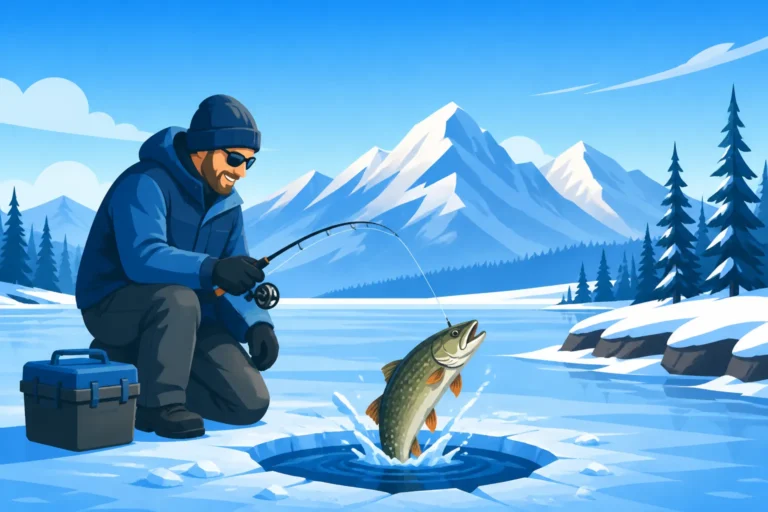
There’s nothing quite like the crisp air, the vast expanse of frozen water, and the quiet anticipation that comes with dropping a line through a freshly drilled hole. But let's be real, finding those truly prime ice fishing spots in Alberta can feel like trying to find a needle in a haystack, especially if you're chasing a specific species or looking for a memorable family outing. This guide is designed to cut through the guesswork, offering you a detailed look at some of Alberta's best hardwater havens and the inside scoop on what makes them shine during the winter months.
Understanding Alberta's Ice Fishing Landscape
Ice fishing isn't just a pastime; for many Albertans, it's a winter ritual, a chance to escape the indoors and connect with nature in a unique way. The province, with its countless lakes and reservoirs, transforms into an angler's paradise once the ice thickens, offering opportunities for everything from trophy pike to delicious walleye and deep-dwelling lake trout.
The Appeal of Hardwater Angling
There’s a certain tranquility that settles over a frozen lake. The world slows down, and it's just you, your auger, and the fish below. For some, it’s the thrill of the chase, the subtle twitch of a rod tip signaling a bite from a creature lurking beneath layers of ice and snow. For others, it’s the camaraderie, sharing stories and hot coffee in a warm ice hut with friends and family. This unique environment demands a different set of skills and patience compared to open water fishing, but the rewards are often spectacular, both in terms of fish caught and memories made. From the rugged beauty of the mountains to the sprawling prairie lakes, Alberta offers a diverse range of settings, each with its own charm and challenges, making every ice fishing adventure distinctive.
Key Considerations for Choosing a Lake
Selecting the right lake for your ice fishing trip involves more than just picking a name off a map. You need to think about a few crucial factors to ensure a safe, productive, and enjoyable experience. First, consider the species you're targeting. Different lakes are known for different fish populations, whether it's the abundant walleye in Lesser Slave Lake or the elusive lake trout in Cold Lake. Knowing your quarry helps narrow down your choices significantly.
Next, access and facilities are paramount. How easy is it to get onto the ice? Are there ploughed access roads, or will you need a snowmobile? Are there nearby accommodations, bait shops, or amenities if you plan a longer trip? For instance, some of the more popular lakes have dedicated ice hut communities with services, while others require a more self-sufficient approach.
Finally, always, always check the local regulations and ice conditions. Alberta's fishing regulations can vary significantly by water body and fishing zone, affecting everything from bag limits to bait restrictions and even fishing season dates by zone. A quick check of the Alberta Guide to Sportfishing Regulations before you head out is non-negotiable. As for ice conditions, safety is key – never venture onto ice you're unsure about. You can often find up-to-date ice reports from local bait shops, online forums, or even by consulting guide services, such as those you can find on platforms like FishingBooker.
Northern Alberta's Premier Ice Fishing Destinations
Northern Alberta truly shines when it comes to hardwater fishing, boasting some of the province's largest and most productive lakes. These vast bodies of water hold impressive populations of various game fish, making them bucket-list destinations for serious ice anglers.
Lesser Slave Lake
Ah, Lesser Slave Lake. If you ask any seasoned Alberta angler about walleye, this massive body of water is almost always the first name out of their mouth, and for good reason. It consistently ranks as one of the best walleye lakes in Alberta, even through the ice. Spanning over 100 kilometers, its sheer size can be daunting, but it also means there are endless opportunities to explore and find those honey holes. When ice fishing here, anglers typically target the expansive flats, humps, and submerged points that dot the lake. Depths can range from 10 to 30 feet for walleye, often deeper for burbot. Popular access points include the areas around Faust, Joussard, and Canyon Creek, where you'll often find small ice fishing communities pop up, especially on weekends.
The lake is a prime spot for not only walleye but also for impressive northern pike and burbot. For pike, look to shallower bays and weed edges, often in 8-15 feet of water. Burbot, those fascinating freshwater cod, are often found deeper, hunkering near structure or drop-offs, especially as dusk approaches. Many anglers use tip-ups for pike, jigging spoons or lipless crankbaits for walleye, and glow-in-the-dark jigs tipped with minnow pieces for burbot. It's truly a diverse fishery. Given its size and the sheer number of good spots, hiring a local guide can significantly improve your chances of success, especially if it's your first time on such a large body of water. You can find experienced local guides familiar with Lesser Slave Lake through services like FishingBooker, ensuring you hit the right spots and understand the nuances of this incredible fishery.
Cold Lake
Cold Lake lives up to its name, offering some of Alberta's most exhilarating, and often challenging, ice fishing for lake trout. This deep, clear lake straddling the Alberta-Saskatchewan border is a true gem, renowned for its healthy population of big lake trout, burbot, and whitefish. The deep-water nature of Cold Lake means you'll often be fishing in 50 to 100 feet or more, requiring specialized gear like heavier rods, high-quality braided line, and powerful sonars to mark fish and structure. Anglers often employ large tube jigs, heavy spoons, or even live minnows (where permitted) bounced off the bottom to entice these deep-water predators. Access is generally good around the city of Cold Lake, with several public launches providing entry points, though snowmobiles or ATVs are often needed to reach prime fishing grounds further out.
While lake trout are the undeniable stars here, don't overlook the burbot. Cold Lake offers excellent opportunities for these nocturnal bottom dwellers, particularly in the evening hours when they become more active. Whitefish also abound, often suspended in schools, and can be caught jigging small spoons or flies. The key to success on Cold Lake, especially for lake trout, is mobility and electronics. Being able to quickly move and locate schools of fish or suitable structure is crucial. Always be prepared for rapidly changing weather conditions on such a large, exposed lake, and remember to check for specific regulations for Lake Trout Fishing in Alberta, particularly on Cold Lake, as limits can be quite specific.
Lac La Biche
Lac La Biche, located in north-central Alberta, is another fantastic option for ice anglers, celebrated for its robust populations of walleye, northern pike, and yellow perch. It's a slightly shallower, more user-friendly lake compared to the vastness of Lesser Slave or the depths of Cold Lake, making it a popular choice for families and those looking for consistent action. The lake offers numerous points, islands, and submerged weed beds that become excellent fish-holding structures once the ice forms. Common fishing depths range from 10 to 25 feet for walleye and pike, with perch often found in slightly shallower waters near the weed lines.
Access to Lac La Biche is generally very good, with several communities and resorts dotted around its shores, making it easy to find entry points and amenities. The lake is well-known for its productive walleye fishery, with anglers often using jigging spoons, Rapala Jigging Raps, or dead sticks rigged with minnows. Pike are eager to hit larger spoons, lipless crankbaits, or tip-ups set with smelt. Perch provide steady entertainment, especially for younger anglers, responding well to small jigs tipped with maggots or mealworms. The community of Lac La Biche itself offers bait shops, lodging, and gas, making it a convenient base for a weekend ice fishing trip. Be sure to check Alberta Walleye Limit by Zone and Alberta Northern Pike Limit for Lac La Biche, as these can fluctuate with fish population management.
Central Alberta's Accessible Ice Fishing Gems
Central Alberta offers a wealth of fantastic ice fishing opportunities, often closer to major population centers like Edmonton and Red Deer. These lakes provide easier access and a diverse fishery, appealing to both seasoned anglers and those just starting their hardwater journey.
Pigeon Lake
Pigeon Lake is a true central Alberta treasure, famous for its excellent walleye, northern pike, and yellow perch fishing through the ice. It’s a relatively shallow, productive lake that freezes reliably, making it a prime destination for consistent action. The lake's expansive flats and gradual drop-offs, combined with scattered weed beds, create ideal habitat for its abundant fish populations. Walleye are often found roaming the deeper flats or along the edges of structural elements in 15-25 feet of water. Pike frequently lurk in shallower bays and near prominent points, often in 8-15 feet.
Access to Pigeon Lake is superb, with numerous public access points and resort areas like Ma-Me-O Beach and Mulhurst Bay offering convenient entry. The lake attracts a vibrant ice fishing community, and it's common to see a small city of ice huts pop up during peak season. Jigging spoons, Rapala Jigging Raps, and dead sticks with minnows are standard walleye fare, while larger spoons and tip-ups rigged with smelt are excellent for pike. Perch fishing is often fantastic, providing non-stop action for those using small jigs and maggots. Because of its popularity, it's a great place to learn from others, but always remember to respect personal space and adhere to regulations. Check out Pigeon Lake best fishing spots for more detailed information on specific areas to target during the winter months.
Sylvan Lake
Sylvan Lake, a popular summer destination, transforms into a bustling ice fishing hub in winter, offering excellent fishing for northern pike, walleye, and yellow perch. This relatively large lake boasts a mix of depths, from shallow bays to deeper central basins, providing diverse habitat. Pike are a major draw here, with many anglers specifically targeting the larger trophy fish that Sylvan is known to hold. They are often found cruising the weed lines and drop-offs in 10-20 feet of water. Walleye can be found on the deeper flats and humps, usually in the 20-35 foot range.
Public access to Sylvan Lake is plentiful, especially from the town of Sylvan Lake itself, which has several boat launches that become popular ice access points. Many anglers opt for portable shelters or build more permanent shacks, creating lively ice villages. Common tactics include jigging spoons, lipless crankbaits, and tip-ups with large frozen baitfish for pike. For walleye, vertical jigging with minnow-imitating lures or dead sticking with a minnow is often effective. Sylvan Lake's proximity to Red Deer makes it an easy day trip for many, but its excellent fishery makes it worthy of a longer stay. Always confirm the current Alberta Northern Pike Limit for this specific lake.
Gull Lake
Gull Lake, situated west of Lacombe, is another central Alberta gem known primarily for its abundant northern pike and a healthy population of walleye. This large, relatively shallow lake features numerous submerged weed beds, points, and structural elements that provide excellent cover and feeding grounds for fish throughout the winter. Pike, in particular, thrive here, and anglers often catch good numbers of medium to large specimens. Target depths for pike typically range from 8-20 feet, often near the edges of remaining green weeds or along subtle contours. Walleye can be a bit more elusive but are present and often respond to vertical presentations in 15-25 feet of water.
Access to Gull Lake is convenient, with several public day-use areas and resort access points around its perimeter. The lake experiences significant ice fishing pressure, a testament to its productivity. Tip-ups rigged with smelt or herring are highly effective for pike, especially when strategically placed along weed lines. For those jigging, brightly colored spoons or lipless crankbaits can draw aggressive strikes from both pike and opportunistic walleye. Like many popular lakes, portable shelters and permanent shacks dot the ice, creating a friendly atmosphere. Remember to be mindful of your surroundings and adhere to all local Alberta Fishing Regulations Explained to ensure a safe and responsible outing.
Wabamun Lake
Just west of Edmonton, Wabamun Lake offers fantastic ice fishing for northern pike and burbot. While it’s known for its summer fishery, the winter months transform it into a productive hardwater destination, especially for anglers seeking substantial pike. Wabamun is a large, relatively shallow lake with extensive weed beds and varied bottom contours, creating ideal ambush points for pike. Anglers often find success targeting pike in 8-20 feet of water, often concentrating around the numerous points, bays, and submerged structures. Burbot are also a popular target here, particularly during late evening and night, often found in slightly deeper depressions or along transitions in the bottom.
Wabamun Lake offers multiple public access points, including the provincial park, making it easy to get onto the ice. The convenience of its location near Edmonton makes it a popular choice for day trips or weekend outings. For pike, large dead baits on tip-ups are extremely effective, as are big spoons and soft plastic swimbaits jigged aggressively. For burbot, glow-in-the-dark jigs tipped with a piece of bait, fished close to the bottom, usually do the trick. The lake is also a great place for ice shack camaraderie, with many friendly anglers willing to share tips. Keep an eye on local ice reports for Wabamun, as conditions can vary, and always prioritize safety before venturing out.
Southern Alberta's Diverse Hardwater Opportunities
Southern Alberta might be renowned for its world-class trout streams, but once winter sets in, its lakes and reservoirs offer unique and often overlooked ice fishing opportunities, particularly for pike, walleye, and stocked trout.
Keho Lake
Located southeast of Lethbridge, Keho Lake is a highly productive prairie reservoir that offers phenomenal ice fishing for northern pike and walleye. This relatively shallow, nutrient-rich lake supports a dense population of baitfish, which in turn fuels a thriving fishery for these predatory species. Pike are particularly abundant, with anglers often experiencing fast action and catching a good number of fish, including some respectable trophies. Target the extensive weed beds, points, and subtle drop-offs in 8-20 feet of water for aggressive pike. Walleye are also present and can be caught jigging in similar depths or slightly deeper.
Access to Keho Lake is generally good, with several public access points. Due to its exposure, it can get quite windy, so a sturdy ice hut is highly recommended for comfort. For pike, large dead baits like smelt or herring on tip-ups are incredibly effective. Brightly colored spoons and lipless crankbaits jigged through the water column also draw strikes. For walleye, switch to smaller jigging spoons, Rapala Jigging Raps, or minnow-tipped dead sticks. Keho Lake can be an absolute powerhouse for winter pike action, providing a great option for anglers looking for a productive day on the ice in southern Alberta. Ensure you check the specific regulations for this reservoir, as prairie lake limits can sometimes differ from larger northern lakes.
Chain Lakes Reservoir
Nestled in the foothills southwest of Calgary, the Chain Lakes Reservoir offers a distinct ice fishing experience, primarily targeting stocked rainbow trout and brown trout. While not known for the massive walleye or pike of northern lakes, Chain Lakes provides excellent consistent action for trout, making it a popular destination for families and fly anglers looking to try their hand at hardwater trout. The reservoir is stocked regularly, ensuring a healthy population, and its scenic backdrop adds to the overall appeal. Target the trout in various depths, often suspended throughout the water column from 10 to 30 feet, particularly near the deeper sections and along the dam face.
Access to Chain Lakes Reservoir is usually via the provincial park day-use areas, which often provide plowed access onto the ice. It’s an exposed location, so dressing in layers and having a portable shelter is a good idea. Small jigs, particularly those tipped with maggots, mealworms, or PowerBait, are extremely effective for these trout. Small spoons or even tiny fly patterns suspended under a bobber can also yield great results. It’s a fantastic place to introduce new anglers to ice fishing, as the action can be steady, and the fish are often cooperative. Remember to confirm the current Alberta Trout Season Opener Dates by Zone for this area, as regulations can dictate when you can start fishing.
McGregor Lake
McGregor Lake, another large reservoir in southern Alberta, is a fantastic destination for ice anglers seeking northern pike and walleye. Located southeast of Calgary, it's known for its vast, open water and excellent productivity once the ice sets in. The lake's long, narrow shape and numerous points, humps, and submerged features create ample structure for fish. Pike are abundant and often readily caught, with many anglers finding success along the deeper weed lines and drop-offs in 10-25 feet of water. Walleye populations are strong here too, often found slightly deeper on flats or near structure.
Access points are available at various spots along the reservoir, with McGregor Lake Provincial Park being a common entry point. The lake can be very exposed to wind, so like Keho, a sturdy shelter is a must for comfort. For pike, large dead baits on tip-ups, as well as aggressive jigging with spoons and lipless crankbaits, are highly effective. For walleye, focus on vertical presentations with minnow-imitating lures, soft plastics on jig heads, or dead sticks with minnows. McGregor Lake offers a great chance for a mixed bag, and it's not uncommon to land both pike and walleye on a single outing. Given its size, considering a guide or checking FishingBooker for local expertise can help you pinpoint the most productive areas, especially for first-timers.
High-Elevation and Mountain Park Ice Fishing
While the large prairie lakes get most of the attention, Alberta's mountain parks and higher elevation regions offer a different, often breathtaking, ice fishing experience. These spots are less about numbers and more about pristine scenery and unique trout species.
Kananaskis Lakes
The Kananaskis Lakes, primarily Upper and Lower Kananaskis Lakes, offer some of the most scenic ice fishing in Alberta, surrounded by majestic Rocky Mountain peaks. These deep, clear lakes are home to lake trout and various species of stocked rainbow and cutthroat trout. The fishing here is often more challenging than on prairie lakes, but the reward of a hard-fighting mountain trout in such a spectacular setting is unparalleled. Lake trout tend to inhabit the deeper sections, often 40-80+ feet, while stocked rainbow and cutthroat might be found shallower, suspended in the water column or near drop-offs.
Access to the Kananaskis Lakes is generally good from Highway 40, but snow can be a significant factor, especially after heavy falls. A four-wheel drive vehicle and potentially a snowmobile or ATV are often beneficial for reaching prime spots. Due to the deeper water and often finicky nature of mountain lake trout, a good sonar unit is invaluable for locating fish. Large tube jigs, heavy spoons, and even dead minnows are effective for lake trout, while smaller jigs, PowerBait, or maggots will entice the rainbows and cutthroat. Always check the specific regulations for Kananaskis Country, as rules can be quite stringent, including bait restrictions and special harvest provisions. For more detailed information, consult a comprehensive Kananaskis Lakes Fishing Guide.
Other Alpine Lakes
Beyond the main Kananaskis Lakes, numerous smaller, often hike-in or snowmobile-access alpine lakes dot the Rocky Mountains and foothills. These lakes offer truly remote and adventurous ice fishing experiences, often for native cutthroat, brook trout, or occasionally golden trout in very high-elevation basins. Fishing pressure is typically much lower, and the solitude is a huge part of the appeal. However, these trips require careful planning, self-sufficiency, and a strong understanding of backcountry safety.
Considerations for these remote lakes include:
- Access: Many require significant hiking, snowshoeing, or snowmobiling, often over challenging terrain.
- Weather: Mountain weather is notoriously unpredictable and can change rapidly. Be prepared for extreme cold, high winds, and heavy snowfall.
- Regulations: National and Provincial Parks often have specific rules, including bait bans, catch-and-release only sections, and even closures. Always check the Alberta Fishing Regulations App and Zone Lookup for the most up-to-date information for your specific destination.
- Gear: Pack light but be prepared for anything. Portable, lightweight shelters, small hand augers, and essential survival gear are crucial.
- Species: While less common, the thrill of catching a wild cutthroat or a vibrant golden trout from a pristine alpine lake is an unforgettable experience.
These ventures are not for the faint of heart but offer immense rewards for the prepared and adventurous angler seeking a true wilderness ice fishing experience.
Essential Ice Fishing Gear and Safety
Ice fishing, while incredibly rewarding, requires specific gear and a strong emphasis on safety to ensure a successful and enjoyable outing. Don't let a lack of preparedness turn a fun day into a dangerous situation.
Must-Have Equipment
Having the right equipment can make all the difference, especially when you're out on a frozen lake for hours.
- Augers: A good ice auger is non-negotiable. Whether you opt for a manual hand auger (great for lighter use and smaller holes), a reliable propane auger, or a powerful electric auger (like those from Ion or Strikemaster), you need one that can cut through potentially thick Alberta ice. For serious anglers or deep ice, a motorized auger is often preferred.
- Ice Huts and Shelters: From simple windbreaks to elaborate permanent shacks, an ice hut provides much-needed shelter from the wind and cold. Portable pop-up shelters (like those from Clam or Eskimo) are popular for their mobility and ease of setup, offering warmth and comfort. Remember to register your ice hut if you're leaving it on the ice for an extended period, adhering to Alberta ice fishing hut registration rules.
- Rods and Reels: Specialized ice fishing rods are shorter than traditional rods, typically 24-36 inches, designed for jigging in close quarters. Pair them with small spinning reels or inline ice reels. The right setup depends on the species you're targeting; a lighter setup for perch, a medium-heavy for walleye, and a heavy-duty combo for lake trout or large pike.
- Lures and Bait: This varies significantly by species and lake. Minnows (live or dead, depending on regulations), maggots, mealworms, PowerBait, jigging spoons, Rapala Jigging Raps, soft plastic baits, and lipless crankbaits are all common. Always check bait regulations for your specific water body.
- Electronics: A portable fish finder or flasher is a game-changer for ice fishing. Brands like Humminbird, Lowrance, and Vexilar offer excellent portable units that help you locate fish, identify structure, and even see your lure's presentation. This technology can drastically increase your success rate, especially when fishing deeper lakes or targeting suspended fish.
- Warm Clothing: Layers are key. Thermal base layers, fleece mid-layers, and waterproof, insulated outer layers are essential. Don't forget a warm hat, gloves, and insulated boots.
- Safety Gear: Ice picks, a throw rope, a fully charged cell phone, and a first-aid kit are absolute musts. You'd be surprised how often a simple fall on the ice can lead to injury. For a complete list, check out Best Ice Fishing Gear for Alberta.
Ice Safety and Awareness
Safety on the ice cannot be stressed enough. Every year, accidents occur due to anglers venturing onto unsafe ice.
- Ice Thickness: The absolute minimum safe ice thickness for walking is 4 inches (10 cm) of clear, hard ice. For snowmobiles or ATVs, you need at least 5-7 inches (12-18 cm). For a small car or light truck, 8-12 inches (20-30 cm) is the minimum, and for a medium truck, 12-15 inches (30-38 cm). Always measure the ice thickness yourself; never rely solely on others' tracks.
- Ice Conditions: Ice isn't uniform. River currents, springs, pressure ridges, and points of inflow/outflow can create weak spots. New ice is generally stronger than old ice. White or opaque ice (snow ice) is much weaker than clear, blue ice.
- Buddy System: Always go with a buddy. If an accident occurs, having someone there to help can be lifesaving.
- Tell Someone: Let someone know where you're going and when you expect to return.
- Dress for Immersion: Even if you don't plan to fall in, dressing in layers that provide some insulation when wet can buy you crucial time. Many modern ice fishing suits are designed to be buoyant.
- Avoid Risk: If in doubt, stay off the ice. No fish is worth risking your life for. Familiarize yourself with how thick ice needs to be to fish safely in Alberta.
Regulations and Best Practices for a Successful Trip
Beyond knowing where to go and what gear to use, understanding Alberta's fishing regulations and adopting ethical angling practices are crucial for both your success and the sustainability of our fisheries.
Navigating Alberta's Sportfishing Regulations
Alberta has a comprehensive set of regulations designed to manage fish populations and ensure healthy ecosystems. It's not enough to just buy an Alberta Fishing License Guide for 2026; you need to dive into the specifics for the waters you plan to fish.
- General Regulations vs. Specific Water Bodies: While there are provincial general regulations, many lakes and rivers have special regulations concerning species, size limits, bait use, and season dates. Always consult the specific listing for your chosen lake in the Alberta Guide to Sportfishing Regulations.
- WIN Card: Before you can purchase a license, you'll need an Alberta WIN Card, Explained. This Wildlife Identification Number is your unique identifier for hunting and fishing licenses in Alberta.
- Bag and Possession Limits: These specify how many fish you can keep (daily bag limit) and how many you can have in your possession at any given time (possession limit, including those at your camp or home). These vary widely by species and water body, with some areas having zero possession limits for certain species like bull trout, or specific length restrictions.
- Bait Restrictions: Some waters are designated "bait ban" or "barbless hook" zones, particularly in sensitive trout habitats. Always verify if live bait, dead bait, or barbed hooks are permitted where you plan to fish.
- Season Dates: While many lakes are open for ice fishing through the winter, some have specific opening and closing dates for certain species or zones. For example, knowing the Alberta Trout Season Opener Dates by Zone is critical if you're planning an early spring ice trip.
- Special Harvest Licenses: For species like walleye, some lakes participate in a special harvest lottery. If you wish to retain walleye from these lakes, you'll need to apply for and be awarded a special harvest license in addition to your general fishing license. This system helps manage walleye populations by limiting harvest.
Staying informed about these regulations is your responsibility as an angler. Ignorance is not an excuse, and penalties for non-compliance can be significant.
Conservation and Ethical Angling
As responsible anglers, we all play a part in conserving Alberta's precious fisheries for future generations.
- Catch and Release Best Practices: If you're practicing catch and release, especially for sensitive species or in special regulation waters, learn how to handle fish properly to maximize their survival. Minimize handling time, keep the fish in the water as much as possible, use wet hands, and support the fish horizontally. Barbless hooks greatly facilitate quick and clean releases. This is especially important for species like bull trout, which have a Alberta Bull Trout Zero Possession Rule in most areas.
- Respect the Environment: Pack out everything you pack in. This includes all garbage, broken lines, and especially discarded ice fishing line, which can be lethal to wildlife. If you’re using an ice hut, ensure all waste is removed when you leave.
- Respect Other Anglers: Ice fishing can be a social activity, but always respect other anglers' space. Don't crowd someone's fishing spot, and keep noise levels down, especially in quieter areas.
- Report Poaching: If you witness illegal fishing activity, report it to the Report A Poacher line. Protecting our fisheries is a collective effort.
- Leave No Trace: When the ice fishing season ends and the ice starts to melt, ensure all your belongings, including ice shacks, are removed from the ice. Abandoned shacks and debris are an eyesore and a hazard.
By adhering to these practices, we ensure that the fantastic ice fishing opportunities Alberta offers today will continue to thrive for years to come.
Alberta's Top Ice Fishing Lakes Summary
Here's a quick overview of some of the best ice fishing lakes in Alberta, highlighting their primary target species and general characteristics to help you plan your next hardwater adventure.
| Lake Name | Primary Target Species | Key Characteristics | Best For |
|---|---|---|---|
| Lesser Slave Lake | Walleye, Northern Pike, Burbot | Large, shallow, expansive flats | Quantity of Walleye, Trophy Pike |
| Cold Lake | Lake Trout, Burbot, Whitefish | Deep, clear, challenging, scenic | Trophy Lake Trout, Deepwater Burbot |
| Lac La Biche | Walleye, Northern Pike, Perch | Medium depth, good structure, accessible | Consistent Walleye/Pike, Family Perch Fishing |
| Pigeon Lake | Walleye, Northern Pike, Perch | Shallow, productive, very accessible | Steady Walleye/Pike action, Perch |
| Sylvan Lake | Northern Pike, Walleye, Perch | Mixed depths, urban access, trophy potential | Large Pike, Accessible Day Trips |
| Gull Lake | Northern Pike, Walleye | Shallow, weed-rich, reliable freezing | Abundant Pike |
| Wabamun Lake | Northern Pike, Burbot | Large, shallow, close to Edmonton | Large Pike, Burbot at night |
| Keho Lake | Northern Pike, Walleye | Prairie reservoir, windy, high productivity | Fast-paced Pike action, Walleye |
| Chain Lakes Reservoir | Rainbow Trout, Brown Trout | Foothills, stocked, scenic | Consistent Trout action, Family friendly |
| McGregor Lake | Northern Pike, Walleye | Large reservoir, open, productive | Mixed bag Pike/Walleye |
| Kananaskis Lakes | Lake Trout, Rainbow Trout | Deep, mountain setting, challenging | Scenic Trout fishing, Wilderness feel |
Disclaimer
The information provided in this guide is for general informational purposes only and is subject to change. Fishing regulations, ice conditions, and fish populations can vary. Always consult the official Alberta Guide to Sportfishing Regulations and local authorities for the most current and accurate information before planning any fishing trip. Safety on the ice is paramount; always check ice thickness and conditions before venturing out.