What northern pike eat in Alberta lakes
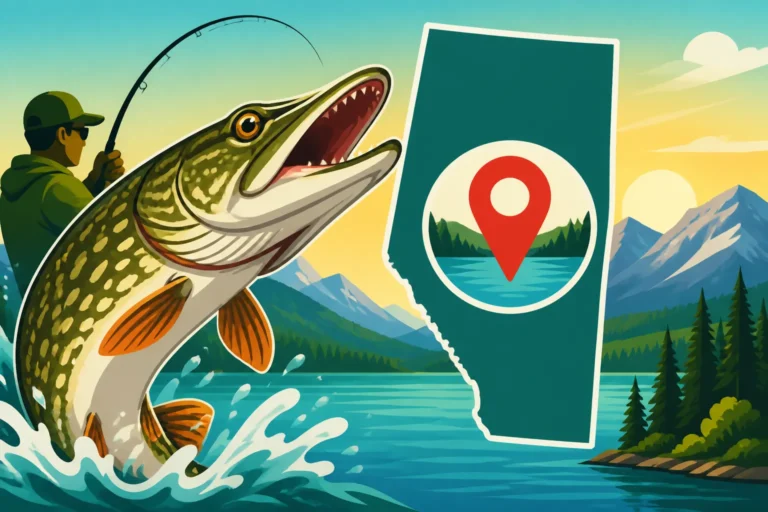
One of the biggest questions that constantly swirls around the campfire and on the water's edge in Alberta is, "What exactly do northern pike eat?" It's a question born out of a desire to outsmart these toothy predators, because knowing their menu is the first step to figuring out what lures to tie on and where to cast. This guide is going to peel back the layers on the northern pike's diet in Alberta, helping you understand their opportunistic nature and, more importantly, how to use that knowledge to your advantage.
The Opportunistic Predator: Understanding Northern Pike Feeding Habits
Northern pike are truly masters of their domain in Alberta's diverse aquatic environments, from the vast expanses of Lesser Slave Lake to the winding currents of the Athabasca River. They're built for ambush, with their torpedo-shaped bodies and rows of razor-sharp teeth. But what really defines their feeding strategy is their incredible opportunism. They're not picky eaters; if it moves and fits in their mouth, it's fair game. Understanding this core principle is key to successful pike fishing.
Pike as Apex Predators in Alberta's Ecosystems
In many Alberta lakes and rivers, the northern pike sits firmly at the top of the food chain, often sharing that spot with large lake trout in deeper, colder waters. Their presence shapes the entire fish community, keeping populations of smaller fish in check and often culling weaker or diseased individuals. This makes them a vital part of the ecosystem, but it also means they have a broad and varied diet. They're not just looking for a meal; they're looking for the easiest meal. If a smaller fish is struggling, or if a frog makes a wrong hop, a pike isn't going to let that opportunity pass by. This predatory role means they need a lot of energy, driving their constant search for food throughout the day. You can learn more about their natural behaviors in Northern Pike Habits in Alberta Lakes.
Their camouflage, with those distinctive greenish-brown mottled patterns, allows them to blend seamlessly into weed beds and submerged timber, patiently waiting for an unsuspecting prey item to swim by. When they strike, it's an explosive burst of speed that's truly impressive to witness, even if it's your favourite lure disappearing into their maw! This ambush style of hunting directly influences what they eat, as they often target slower-moving or less agile prey that can be surprised from cover. They aren't generally chasing down nimble schooling fish in open water, preferring to lie in wait along edges and structures.
Seasonal Shifts in Pike Diet
Just like us, pike don't eat the same thing year-round. Their diet changes dramatically with the seasons, influenced by water temperature, spawning cycles, and the availability of different prey species. In spring, after the ice recedes and water temperatures slowly start to climb, pike are often ravenous. They've just come out of a long winter and the rigors of spawning, so they're looking to pack on weight. During this time, they'll often target baitfish that are also becoming more active in the warming shallows, or even any unfortunate amphibians emerging from hibernation.
As summer progresses and waters warm significantly, pike might move into deeper, cooler water, following their preferred baitfish like cisco or whitefish. However, they'll still make forays into the shallow, weedy bays, especially during dawn and dusk, to hunt for yellow perch, frogs, or even ducklings. Come fall, as temperatures drop again, pike enter a "feeding frenzy" phase, bulking up for winter. This is when they become incredibly aggressive and will consume larger baitfish, often putting on significant weight before the lake freezes over. During ice fishing season, their metabolism slows, but they're still actively hunting, often targeting slower-moving fish on or near the bottom. Understanding Best Months to Catch Pike in Alberta can help you align your tactics with their feeding patterns.
Common Prey Species in Alberta Lakes and Rivers
When you're trying to figure out how to catch pike, knowing what's on their natural menu is half the battle. They're not particular, but certain prey items are definitely staples in an Alberta pike's diet, forming the backbone of their caloric intake.
The Primary Forage: Baitfish Galore
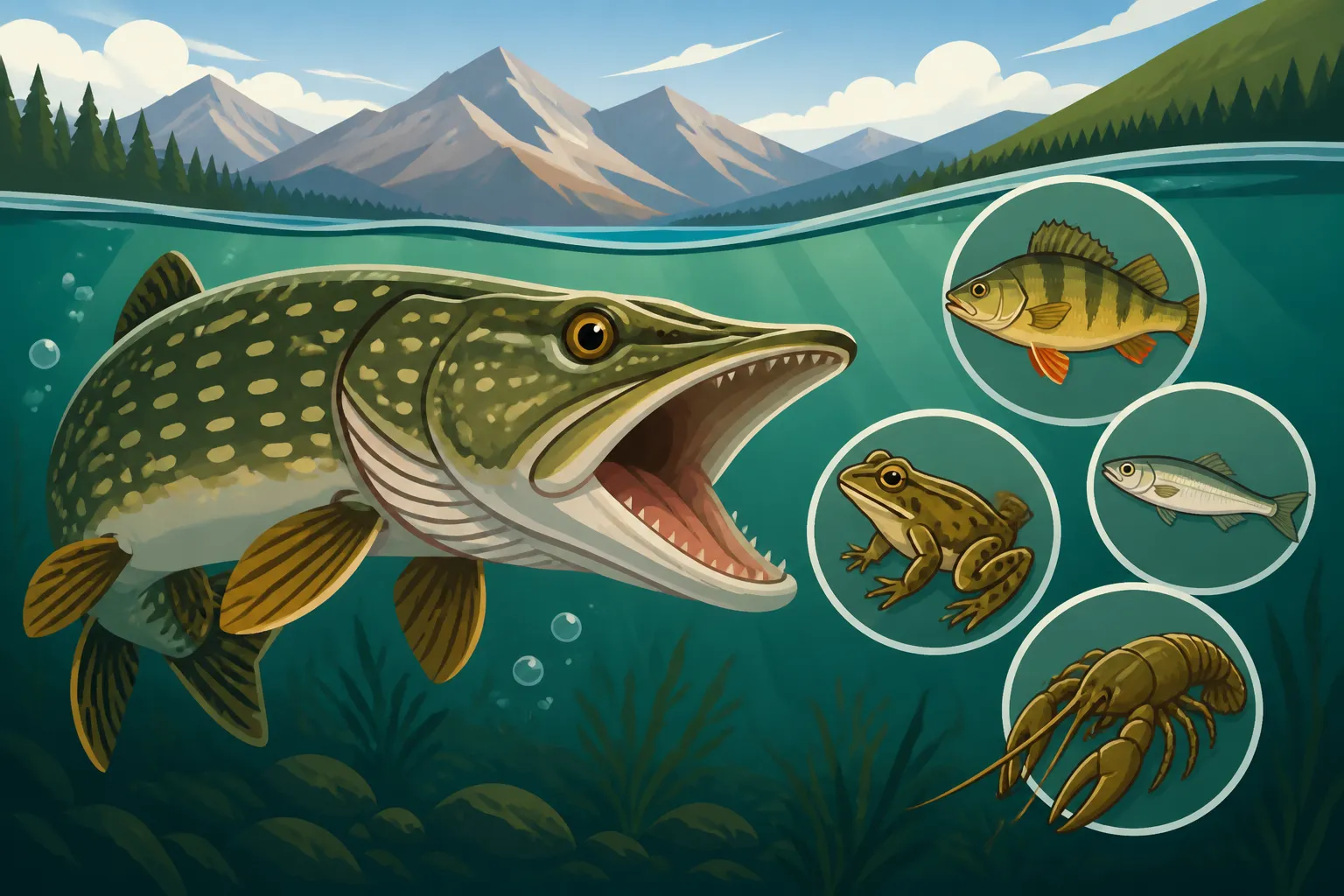
Without a doubt, fish are the primary food source for northern pike. In Alberta's vast and varied waters, this means a smorgasbord of species. One of the most common and important forage fish is the yellow perch. Perch are abundant in many of the same shallow, weedy habitats that pike frequent, making them an easy and consistent meal. A pike will readily ambush a school of perch, or even a single, unsuspecting individual. This is why many successful pike lures imitate perch, with their distinctive stripes and greenish-gold hues.
Beyond perch, pike also feast on various minnow species, juvenile whitefish, cisco (sometimes called lake herring), and suckers. Cisco and whitefish are particularly important in larger, deeper lakes like Cold Lake or Lesser Slave Lake, where they form dense schools that pike can ambush from structure or deeper weed lines. These baitfish provide a rich, fatty meal that helps pike grow to impressive sizes. Knowing What baitfish Alberta pike key on can really help you refine your lure choices. If you're looking for lures that mimic these, you can often find great options on sites like Amazon, with a huge selection of crankbaits, spoons, and swimbaits designed to imitate local forage.
| Prey Species | Typical Habitat | Lure/Bait Suggestion | Why Pike Eat Them |
|---|---|---|---|
| Yellow Perch | Shallow weed beds, rocky areas | Crankbaits, swimbaits, spoons (perch patterns) | Abundant, easy to ambush, staple diet |
| Cisco / Lake Herring | Open water, deeper sections of large lakes | Large spoons, trolling plugs, swimbaits | Schooling fish, high caloric value |
| Suckers (various) | Bottom feeders, muddy/sandy bottoms | Large soft plastics, dead bait rigs | Slower moving, accessible near bottom |
| Minnows (various) | Shallow bays, stream inlets | Small spoons, spinnerbaits, soft plastics | Abundant, easy to herd and ambush |
Beyond Fish: Other Culinary Delights
While fish dominate their diet, northern pike are far too opportunistic to limit themselves solely to what swims. They're not above expanding their menu when other opportunities present themselves, especially during warmer months. Frogs, for example, are a significant food source in the spring and summer. As frogs emerge from their winter slumber and become active in the shallow, vegetated margins of lakes and slow-moving rivers, they become easy targets for lurking pike. Soft plastic frog imitations or topwater lures that mimic a struggling frog can be incredibly effective during these times.
And yes, the legends are true: pike will occasionally strike at ducklings, muskrats, or even small mice or voles that fall into the water. While not a primary food source, these incidents highlight just how aggressive and opportunistic pike can be. Picture a small duckling paddling innocently across a weed-choked bay – it's an irresistible temptation for a large pike looking for an easy, high-calorie meal. This is why some anglers even use topwater lures designed to look like small rodents or birds when targeting trophy pike in specific situations. Don't be surprised to hear stories of anglers finding remnants of small mammals in a pike's stomach – it's a testament to their predatory nature!
How Pike's Diet Influences Angling Success
Understanding what northern pike eat isn't just for academic interest; it's a direct pathway to more successful fishing trips. When you know their typical forage, you can make informed decisions about your gear, your location, and your technique. It’s all about putting yourself, and your lure, in the right place at the right time.
Matching the Hatch: Lure and Bait Selection
This is where the rubber meets the road. Once you know what the pike are likely eating in a particular lake or river, you can choose lures and baits that effectively imitate those prey items. If you're fishing a lake known for abundant yellow perch, then a crankbait or spoon with a perch pattern is a no-brainer. These lures often have similar profiles, colors, and even swimming actions to a real perch. Sites like Amazon offer a massive selection of pike lures, and you can easily filter for specific patterns or sizes that mimic local baitfish. For example, a Rapala or LiveTarget brand lure in a 'perch' or 'firetiger' color can be highly effective.
When pike are focused on longer, more slender baitfish like cisco or suckers, a larger spoon, swimbait, or even a trolled plug might be more effective. The goal is to present something that looks, feels, and moves like the natural forage. Similarly, if you're fishing in spring or early summer in shallow, weedy areas where frogs are active, topwater frog imitations or weedless soft plastics can be dynamite. Even dead bait, when allowed to sit on the bottom in known pike holding areas, can be incredibly productive, mimicking a stunned or injured fish that's an easy meal. Knowing your local baitfish is paramount, and then finding lures that imitate them, whether in a local tackle shop or through online retailers like Amazon, is the next step. For more on lure selection, check out Best Lures for Northern Pike in Alberta.
Location, Location, Location: Finding the Food Source
Pike are often found where their food is. It's a simple truth that drives their movements throughout the season. If the baitfish are schooling in deep water, the pike won't be far behind. If frogs are active in shallow weed beds, that's where you'll find pike ambushing them. Therefore, knowing what they eat helps you predict where they'll be. In spring and early summer, targeting shallow bays with dense vegetation where yellow perch and minnows thrive is often a good strategy. Look for areas with lily pads, cattails, or submerged weed beds.
As water temperatures rise in mid-summer, pike might retreat to deeper water, often holding along drop-offs, underwater humps, or near the mouths of cool-water tributaries. These areas provide both cooler temperatures and access to deeper-dwelling baitfish like cisco. Fall sees them return to shallower, yet still structure-rich, areas to feed aggressively before winter. Ice anglers will often target deeper weed edges or transitional areas where pike are known to cruise for slower-moving prey. Using your sonar to identify baitfish schools can be a direct clue to pike presence. Your best bet is to find those congregations of baitfish, and the pike will almost certainly be lurking nearby. Exploring How to Catch Pike in Weedy Bays offers specific tactics for dense cover.
Dispelling Myths and Understanding Pike Behavior
There are a lot of misconceptions about northern pike, largely due to their fierce reputation. While they are undeniably aggressive predators, understanding the nuances of their feeding behavior can give you an even greater edge and a more realistic appreciation for these magnificent fish.
The "Everything Eater" Myth: Nuance in Pike Diet
It's a common belief that northern pike will eat absolutely anything that crosses their path. And while their opportunistic nature certainly contributes to this myth, it's not entirely accurate. While they can and will strike at a huge variety of things – from lures larger than their heads to unexpected prey like birds – they generally stick to a diet of readily available, energy-efficient prey. They're not actively hunting large mammals or healthy adult waterfowl every day. Those are rare instances driven by extreme hunger or unique opportunities.
Their primary diet consists of fish, because fish are generally the most abundant and easiest prey to catch in their aquatic environment. They prioritize efficiency. A school of minnows or a slow-moving perch provides a lot of calories for relatively little effort. While a pike might occasionally strike a lure that seems impossibly large, this often reflects an aggressive territorial instinct or a conditioned response rather than a hunger for that specific, oversized meal. Thinking of them as discerning opportunists rather than indiscriminate gluttons will help you make more strategic decisions on the water.
Pike as Cannibals: A Survival Tactic
One of the less pleasant, but very real, aspects of a northern pike's diet is cannibalism. Yes, larger pike will absolutely eat smaller pike. This isn't uncommon in the fish world and serves several purposes in the ecosystem. In environments with limited food resources or high pike populations, it's a natural form of population control. Larger, dominant pike eliminate competition and ensure their own survival by preying on their smaller brethren. This is particularly true if the smaller pike are already weakened or injured, presenting an easy meal.
This behavior has implications for anglers too. When you're fishing for truly massive, trophy-sized pike, sometimes the biggest offering, even one that mimics a smaller pike, can be the most effective. These large individuals have often survived by being the biggest and most aggressive, and they won't hesitate to consume a rival. It's a stark reminder of the cutthroat competition that exists in the underwater world and the power dynamics that govern these toothy giants. This can be particularly prevalent in lakes where the forage base of smaller baitfish is not as robust.
Disclaimer
This article is for general informational purposes only and does not constitute professional advice. Laws, prices and regulations vary by location and change over time. Consult a qualified professional for guidance on your specific situation.