What Arctic grayling look like and where they live
When you picture fishing in Alberta, often it's the feisty rainbow trout of the Bow River or the trophy walleye of Lesser Slave Lake that come to mind. But tucked away in the province's pristine northern waters and high-country streams lives a fish so exquisitely beautiful, it often takes your breath away – the Arctic grayling. Many anglers struggle to identify them correctly or even know where to begin looking for these stunning creatures. This comprehensive guide will illuminate exactly what Arctic grayling look like, from their signature dorsal fin to their subtle iridescence, and reveal the remote, cold habitats they call home in Alberta, helping you appreciate this unique species.
The Alluring Appearance of Arctic Grayling
There's something truly special about an Arctic grayling that sets it apart from all other fish in Alberta's waters. They possess a delicate, almost ethereal beauty that once seen, is rarely forgotten. It's not just their colours, but their unique proportions and features that make them so distinctive.
Distinctive Dorsal Fin – The Sail of the North
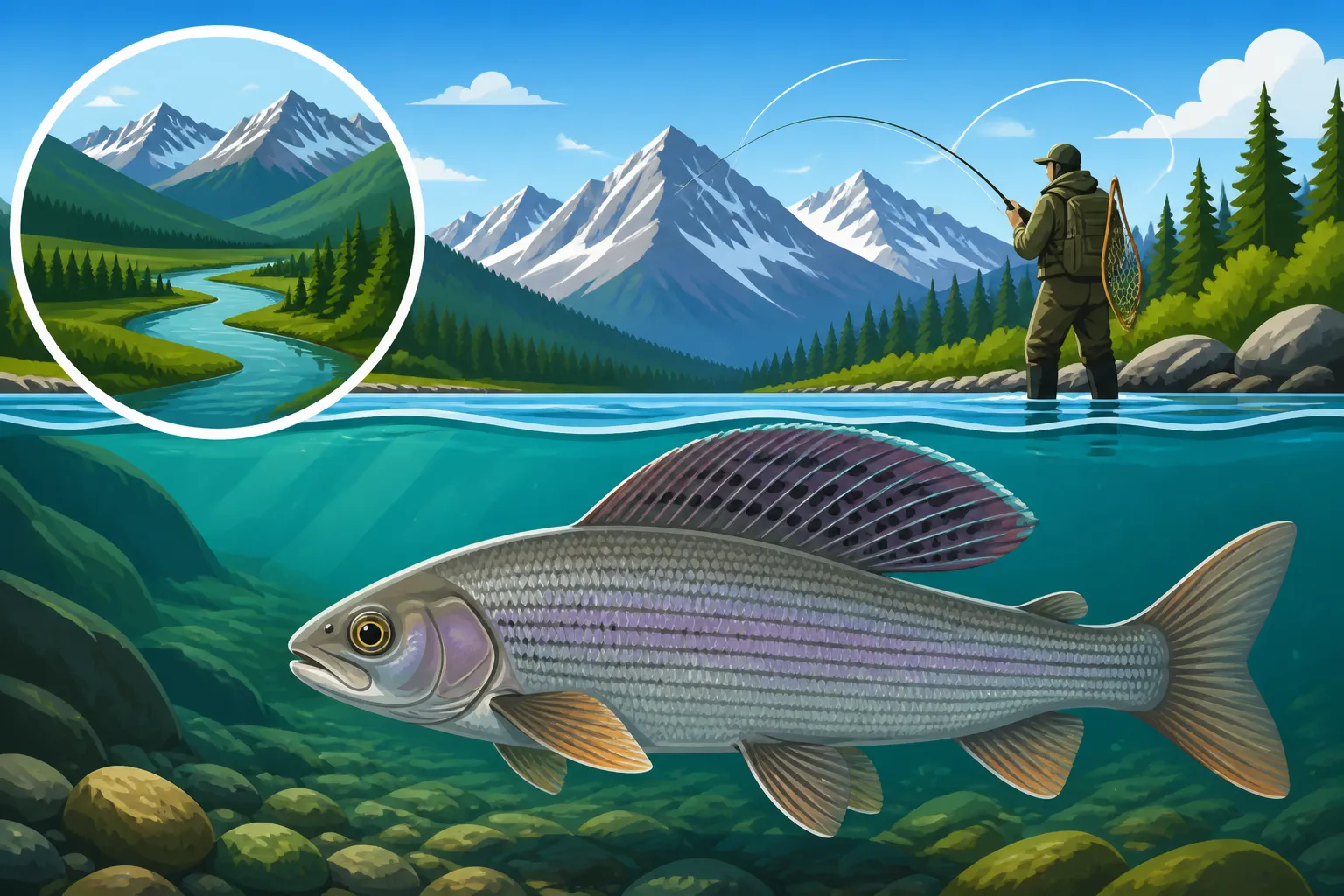
The absolute hallmark of the Arctic grayling, and what often makes new anglers gasp, is its incredibly prominent, sail-like dorsal fin. Unlike the more modest dorsal fins of trout or whitefish, the grayling's fin is exceptionally tall and long, extending nearly half the length of its back. Imagine a small, colourful sail unfurling as the fish glides through the water – that's the grayling's dorsal fin in action.
This fin is typically adorned with rows of iridescent spots, often purples, blues, and sometimes even hints of rose, set against a background of deeper grey or olive. In males, especially during spawning season, this fin becomes even larger and more vibrantly coloured, a true display of nature's artistry. It's a magnificent evolutionary adaptation, not just for display, but also thought to aid in stability and maneuvering in swift currents. When you're trying to identify a fish quickly in clear water, that huge, colourful dorsal fin is your number one clue, instantly separating it from any other species you might encounter.
Iridescent Colouration and Streamlined Body
Beyond their incredible dorsal fin, Arctic grayling boast a sleek, torpedo-shaped body that is a symphony of subtle colours. Their flanks typically shimmer with a silver-grey or bronze hue, often transitioning into a darker, olive-brown along their back, which provides excellent camouflage from aerial predators. But it's in the subtle interplay of light that their true beauty is revealed. As the light hits their scales, you can often see flashes of iridescent blues, purples, and even greens, particularly along their sides and gill plates. This "mother-of-pearl" sheen is captivating and unique to the species.
Their scales are relatively large and smooth, giving them a very clean, refined look. Unlike some trout species that might have more pronounced spots along their flanks, grayling typically have fewer, smaller, and less defined spots, if any, on their main body. Their streamlined shape is perfectly designed for life in moving water, allowing them to cut through currents with minimal effort, making them incredibly agile and strong fighters for their size. If you're looking to match a specific hatch, you might even find some excellent fly patterns that mimic the insects grayling feed on while browsing through options on Amazon.
Mouth and Eye Features for Foraging
When you get a closer look at an Arctic grayling, you'll notice their mouth is relatively small, positioned towards the front of their head, and perfectly adapted for surface feeding. They primarily feast on aquatic and terrestrial insects – things like mayflies, caddisflies, and even small grasshoppers that fall into the water. Their jaws are delicate, making them a joy to catch on light tackle. This small mouth size is a key differentiator from larger predatory fish like northern pike, which have much wider, toothier mouths.
Their eyes are another notable feature: quite large and positioned well on the sides of their head. This provides them with excellent peripheral vision, crucial for spotting tiny insects drifting on the current or flying above the water, as well as keeping an eye out for predators. In the clear, cold waters they inhabit, keen eyesight is paramount for survival and successful foraging. If you're trying to spot them in those same clear waters, a good pair of polarized sunglasses, easily found on Amazon, will make a world of difference.
Where Arctic Grayling Call Home in Alberta
Finding Arctic grayling in Alberta is a bit of a treasure hunt, as they don't inhabit every water body. They are a sensitive species with very specific habitat requirements, which is part of what makes encountering them such a special experience. They are truly indicators of pristine environments.
Cold, Pristine Headwaters and Mountain Streams
Arctic grayling are quintessential cold-water fish. They absolutely thrive in the clearest, coldest, and most oxygen-rich waters available. This means you'll typically find them in the headwaters of mountain streams and rivers, as well as remote, northern streams that maintain consistently low temperatures throughout the year. Think of those sparkling, snowmelt-fed creeks tumbling down from the Rockies or the clear tributaries feeding larger river systems in Alberta's north. These waters are often characterized by gravel or rocky bottoms, providing ideal spawning grounds and plenty of nooks and crannies for insect life.
You won't find Arctic grayling in warm, sluggish prairie rivers or murky, nutrient-rich lakes. They simply cannot tolerate poor water quality or elevated temperatures. Their presence is a testament to the health of an aquatic ecosystem, and encountering them is a reminder of the preciousness of Alberta's wild places. If you're planning a trip to these areas, having a reliable guide to Best Fly Fishing Rivers in Alberta can be incredibly helpful for planning your adventure.
Rivers and Tributaries of Northern Alberta
While some grayling populations exist in the mountain foothills, their stronghold in Alberta is truly in the northern reaches of the province. Large river systems and their numerous tributaries, such as those flowing into the Peace River, Athabasca River, and Hay River basins, are prime grayling territory. Here, you'll find them in diverse sections of these rivers: from swift, oxygenated riffles where they hold behind rocks, darting out to snatch drifting insects, to deeper, clear pools with moderate current. They often prefer areas with a mix of gravel, cobble, and submerged woody debris, which offers both cover and abundant insect habitat.
These remote northern waters are often less pressured than more accessible southern streams, allowing grayling populations to flourish. Accessing these areas often requires more planning, sometimes involving float planes or extensive driving on remote logging roads. However, the reward of casting a line into crystal-clear water and catching one of these magnificent fish makes the journey utterly worthwhile. Familiarizing yourself with resources like Arctic Grayling in Northern Alberta Rivers can give you a better idea of where to focus your efforts.
Challenges and Conservation Efforts
Unfortunately, Arctic grayling are a sensitive species facing increasing pressure from habitat degradation, climate change, and sometimes, overfishing in accessible areas. Their need for cold, pristine water makes them particularly vulnerable to disturbances like industrial development, alterations to riparian zones, and rising water temperatures. Because of their delicate nature and declining populations in some areas, many grayling fisheries operate under strict catch-and-release regulations or have very limited harvest opportunities.
Anglers targeting grayling are encouraged to use light tackle, barbless hooks, and practice impeccable catch-and-release techniques to minimize stress on the fish. This includes keeping the fish in the water as much as possible, handling them gently with wet hands, and ensuring they are fully revived before release. Responsible angling is crucial for preserving these beautiful fish for future generations. For specific regulations, always consult Reading the Alberta Guide to Sportfishing Regulations and pay close attention to Alberta Bag and Possession Limits by Species.
Identifying Arctic Grayling vs. Other Alberta Fish
Given that Arctic grayling often share their cold-water habitats with other fish species, it's really helpful to know how to distinguish them. While that magnificent dorsal fin is a huge clue, there are other subtle differences that can help you confirm your catch.
Grayling vs. Trout – Key Visual Cues
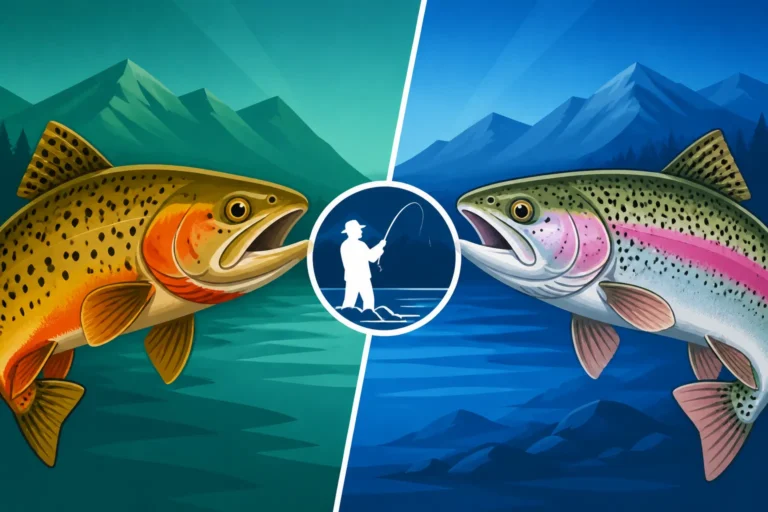
It's common for new anglers to confuse grayling with various trout species, especially rainbow or cutthroat trout, as they all favour similar cold, clean water. However, a few key distinctions will help you tell them apart instantly:
- Dorsal Fin: This is the most obvious. Grayling have that huge, elongated, colourful dorsal fin (the "sail"). Trout, whether rainbow, brown, or cutthroat, have much shorter, more rounded dorsal fins.
- Mouth: Grayling have a small, delicate mouth perfectly suited for sipping insects off the surface. Trout generally have larger mouths, especially predatory brown and bull trout, capable of eating bigger prey fish.
- Body Spotting: While trout often have distinct spots along their flanks, especially rainbow trout with their often dark, pronounced spots, grayling generally have fewer, smaller, or absent spots on their sides, though they might have small dark spots on their anterior body. The iridescent sheen is more dominant on grayling.
- Adipose Fin: Both grayling and trout (and whitefish) have a small, fleshy adipose fin between their dorsal and tail fin, so this isn't a distinguishing feature.
If you're ever in doubt, just look for that majestic dorsal fin. No trout in Alberta boasts such a spectacular "sail." For more in-depth comparisons, check out a Trout Species Identification Guide for Alberta or resources like Cutthroat Trout in Alberta's Mountain Streams. You might find some excellent waterproof field guides on Amazon to help with on-the-spot identification.
Grayling vs. Whitefish – Subtle Differences
Another common point of confusion can be between Arctic grayling and mountain whitefish, as they often inhabit similar sections of the same cold rivers. Both are slender, silvery fish, but their differences are clear once you know what to look for.
- Dorsal Fin: Again, the grayling's dorsal fin is the giveaway. Mountain whitefish have a much smaller, less colourful dorsal fin, more triangular in shape, and proportionate to their body size, similar to a trout's but typically even less pronounced.
- Mouth: Whitefish have a small, often sub-terminal mouth (meaning it's located slightly underneath the snout), perfectly adapted for bottom feeding on aquatic invertebrates. Grayling, as mentioned, have a terminal mouth (at the end of the snout) for surface and mid-water feeding.
- Body Shape: While both are streamlined, whitefish tend to be a bit more uniformly silvery, often without the vibrant iridescent hues of a grayling. Grayling often have that distinct purplish-blue sheen.
- Habitat Niche: While they overlap, grayling tend to be more active near the surface and in the water column, especially during insect hatches. Whitefish are often found closer to the bottom, sifting through gravel and rocks.
Understanding these subtle differences can help you appreciate the unique ecological roles each species plays in Alberta's waterways. To deepen your knowledge, you might want to read more about Mountain Whitefish in Alberta Rivers.
Here's a quick comparison table to help you distinguish between Arctic grayling and some of the other cold-water species they might share a stream with:
| Feature | Arctic Grayling | Rainbow Trout | Mountain Whitefish | Brown Trout |
|---|---|---|---|---|
| Dorsal Fin | Very large, sail-like, long, colourful, spotted | Shorter, more rounded, dark spots | Small, triangular, plain grey | Shorter, rounded, often reddish-brown |
| Mouth Position | Small, terminal (at front of snout), delicate | Medium, terminal | Small, sub-terminal (under snout), rubbery | Medium to large, terminal, often extends past eye |
| Body Colour | Silvery-grey, bronze, iridescent blues/purples | Silvery with dark spots, pink lateral band | Silvery-grey, darker back, no pronounced spots | Brown to golden-brown, red/black spots with halos |
| Habitat | Cold, clear, oxygenated headwaters & northern rivers | Diverse: rivers, lakes, streams, tailwaters | Cold, clear rivers & lakes, often bottom feeders | Rivers, streams, lakes, often predatory |
| Primary Food | Insects (aquatic and terrestrial) | Insects, small fish, crustaceans | Aquatic insects, small bottom-dwelling invertebrates | Fish, large insects, crustaceans |
When you're out on the water, whether you're fly fishing with specific patterns for small streams or using light spinning gear, correctly identifying your catch is part of the joy and responsibility of angling. Consider bringing a compact fishing guide or even a small field camera, which you can find on Amazon, to capture photos for later identification.
Arctic grayling are truly one of Alberta's natural jewels. Their exquisite beauty and preference for pristine, cold water make them a symbol of the province's wild, untouched places. Understanding what they look like and where they live not only enriches your fishing experience but also fosters a deeper appreciation for the delicate balance of our aquatic ecosystems. So next time you venture into Alberta's northern or mountain streams, keep an eye out for that distinctive, sail-like fin – you might just spot an Arctic grayling gracefully dancing in the current.
Disclaimer
This article is for general informational purposes only and does not constitute professional advice. Laws, prices and regulations vary by location and change over time. Consult a qualified professional for guidance on your specific situation.