Growth rate of stocked splake in Alberta
It's always exciting to learn about the unique fish species we have the privilege to pursue in Alberta, and few are as intriguing as the splake. Many anglers are naturally curious about these distinctive hybrids – what exactly are they, how big do they actually get in our waters, and how fast can they grow from fingerling to a respectable catch? It can be frustrating to wonder if the fish you're targeting will be worth the effort. This comprehensive guide is here to demystify the growth rate of stocked splake in Alberta, exploring the factors that influence their size and what you can realistically expect to reel in.
Understanding Splake: Alberta's Hybrid Trout
Before we dive into how quickly these fish grow, it's essential to understand what a splake actually is. Splake are a fascinating and entirely artificial hybrid, a cross between a male brook trout and a female lake trout. This unique pairing creates a fish that often exhibits characteristics from both parents, but with some distinct advantages that make them a popular choice for stocking programs across Alberta.
The Unique Genetics of Splake
Imagine taking the best attributes from two different fish species and combining them into one. That's essentially what a splake represents. Genetically, they are a mix, inheriting some traits from the vibrant, often smaller brook trout and others from the larger, deeper-dwelling lake trout. From the brook trout side, they often get that beautiful, mottled pattern, though usually less pronounced, and a tendency to grow relatively fast in their early years. From the lake trout side, they inherit a more streamlined body shape, a deeply forked tail, and importantly, the potential for larger size and a preference for cooler, deeper water once they mature. However, unlike many hybrids in the animal kingdom, splake are generally fertile, meaning they can reproduce, although their natural reproduction success in the wild is often limited compared to their parent species. For more on how they compare to other stocked fish, check out What a splake is and where they are stocked.
Why Alberta Stocks Splake
So, with native brook trout and lake trout already present, why bother stocking splake? The answer lies in their unique ecological niche and angling appeal. Alberta's fisheries managers often stock splake for several compelling reasons. First, they exhibit what's known as "hybrid vigor" – they can sometimes grow faster and be more robust than either parent species in certain environments. Second, they are well-suited for stocking in smaller, deeper lakes that might not be ideal for self-sustaining populations of pure lake trout due to a lack of suitable spawning habitat, or for brook trout which might be outcompeted or prefer different conditions. Splake offer a fantastic opportunity to provide diverse angling experiences, especially in lakes where anglers desire a fish that grows to a good size and provides a strong fight, without the long-term management challenges of establishing a self-sustaining native lake trout population. They are a "put-and-take" fishery staple, offering a reliable target for recreational anglers.
Factors Influencing Splake Growth in Alberta
The rate at which a stocked splake grows isn't a simple, fixed number. It's a dynamic process influenced by a range of environmental and management factors. Understanding these elements can help you better predict the size of the splake you might encounter in a particular lake.
Forage Availability and Diet
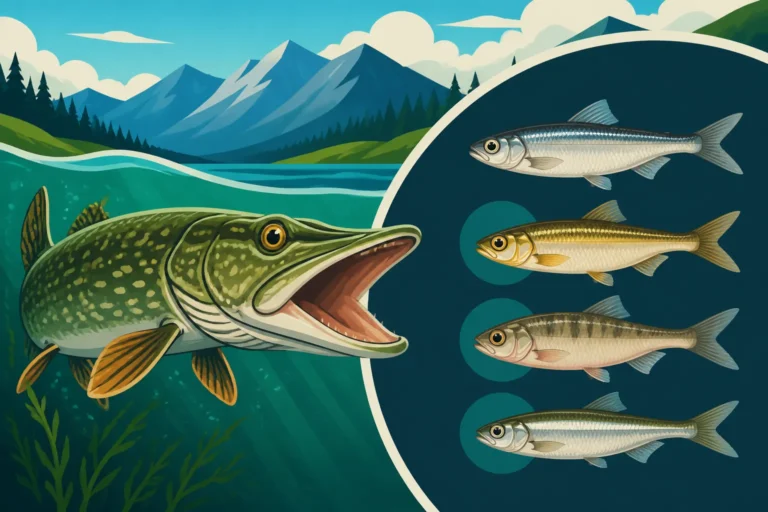
Just like any growing organism, splake need plenty of food to get big. The abundance and type of forage available in an Alberta lake play a critical role in their growth rate. When stocked into a lake teeming with smaller baitfish like minnows, suckers, or even other small stocked fish, splake can pack on weight rapidly. They are opportunistic predators, and their diet can also include aquatic insects, crustaceans, and even zooplankton, especially when they are younger. Lakes with a rich and diverse food web tend to produce larger, healthier, and faster-growing splake. Conversely, in lakes with limited food resources, even if there are fewer splake, their growth can be stunted, leading to smaller average sizes for their age. Anglers often find that lakes known for producing large trout or pike also tend to grow impressive splake, precisely because of this ample food supply.
Water Temperature and Habitat
Splake, being a hybrid of cold-water species, thrive in cool, well-oxygenated water. Alberta's deeper lakes, especially those in the mountain and foothill regions, often provide ideal conditions. Optimal water temperatures allow fish to metabolize food efficiently and grow quickly. If water temperatures become too warm for extended periods, it can stress the fish, reduce their feeding, and slow down their growth. Similarly, extremely cold water conditions, while not necessarily harmful, can slow down their metabolism and thus their growth during winter months, though they remain active under the ice. The structure of the lake itself also matters; deeper lakes with thermoclines (layers of water with different temperatures) allow splake to find their preferred temperature zones throughout the year, maximizing their comfort and growth potential. When fishing, understanding these thermal preferences can help you locate where the bigger fish might be hanging out, especially during warmer periods.
Stocking Programs and Density
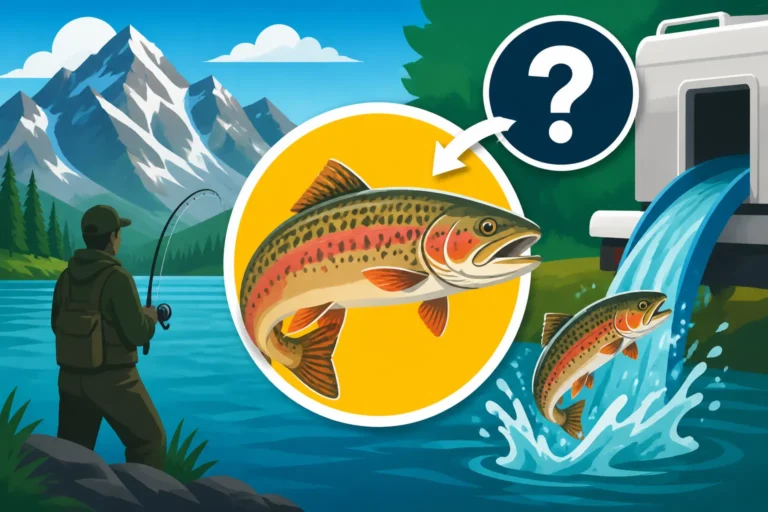
The stocking practices employed by Alberta Environment and Protected Areas (AEPA) have a direct and significant impact on splake growth. When lakes are stocked with a high density of splake, there can be increased competition for food, potentially leading to slower growth rates for individual fish. Conversely, lower stocking densities can allow splake to grow larger more quickly, as they have more resources per fish. The size of the fish at the time of stocking also matters. While most splake are stocked as fingerlings (small fish), consistent stocking over several years ensures a population with a range of age classes, from small, recently stocked individuals to larger, older fish that have had time to grow. Information on specific stocking programs can often be found through MyWildAlberta resources, giving anglers clues about the likely age and size classes present in a given lake. For a general overview of stocking efforts, see Splake Stocking in Alberta Lakes.
Expected Size and Growth Trajectory of Stocked Splake
So, after all that, what does this mean for the size of splake you can actually catch in Alberta? While individual fish can vary wildly, there's a general growth trajectory that most stocked splake tend to follow.
Typical Growth Rates by Age
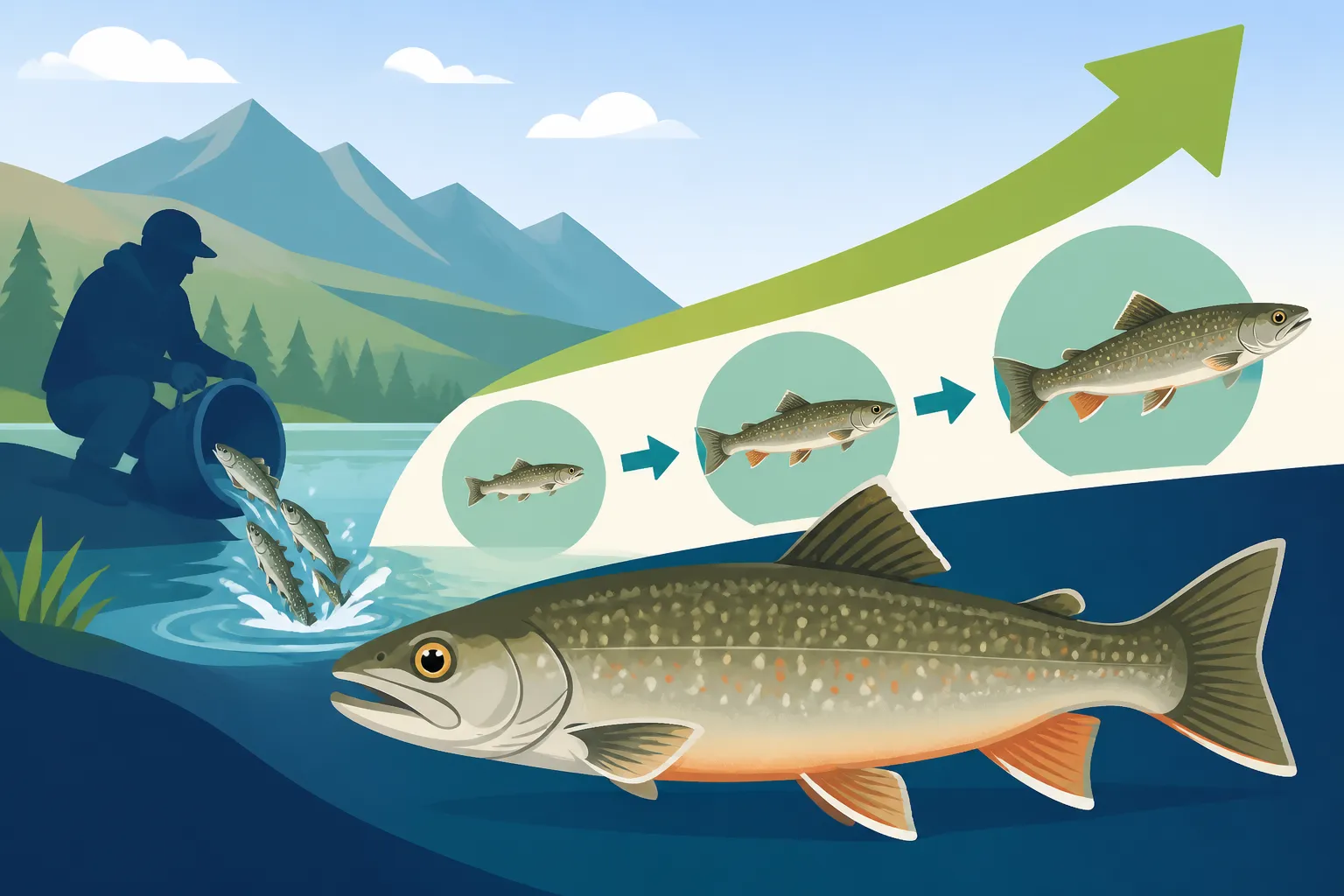
When first stocked as small fingerlings, splake are often only a few inches long. However, their growth can be quite rapid, especially in their first few years, which is one of the reasons they are so popular for put-and-take fisheries. Within their first year in a well-fed lake, they can often reach lengths of 8-12 inches. By their second year, it's not uncommon to find splake in the 12-16 inch range, often weighing over a pound. As they mature into their third and fourth years, their growth might slow slightly in terms of length, but they really start to put on girth and weight.
Many anglers consider a 16-20 inch splake a very respectable catch, often tipping the scales at 2-3 pounds. Fish much larger than this are certainly possible and are usually older individuals that have survived multiple seasons and found ample food.
Here's a generalized look at expected splake size by age in well-managed Alberta lakes:
| Age (Years) | Typical Length Range (Inches) | Typical Weight Range (Pounds) | Notes |
|---|---|---|---|
| 1 | 8 – 12 | 0.5 – 1 | Fast initial growth, can be caught shortly after stocking |
| 2 | 12 – 16 | 1 – 2 | Solid fighting fish, good eating size |
| 3 | 16 – 20 | 2 – 3 | Mature size, often considered a good catch |
| 4+ | 20 – 24+ | 3 – 5+ | Trophy potential, less common, indicates excellent conditions |
It's important to remember that these are averages. A lake with exceptional forage and ideal conditions might see splake grow even faster, while a lake with poorer conditions might have fish that grow slower or simply don't survive to older age classes. When you're out there, every cast could bring a surprise!
Reaching Trophy Potential
For many anglers, the dream is to land a truly "trophy" sized fish. With splake, a trophy often means a fish over 20 inches and certainly anything approaching or exceeding 4-5 pounds. While not as common as catching smaller splake, these larger specimens are definitely present in some of Alberta's stocked lakes. These are typically the oldest individuals in the population, often 4 years old or more, that have successfully navigated multiple seasons, avoided predators (including human ones!), and consistently found abundant food.
Targeting these larger splake requires a bit more intentionality. They often become more solitary and may prefer deeper, cooler water, much like their lake trout parents. Employing techniques used for lake trout, such as trolling with larger baits or jigging in deep structure, can be effective. If you're hoping to land a true bruiser, look for lakes with a history of producing larger splake, often indicated by the provincial records or local fishing reports. Gear also becomes a consideration; a sturdy medium-light spinning rod or a dedicated trolling setup is advisable. You can often find a wide array of specialized fishing tackle for these larger species, including robust rods and reels, by browsing online retailers like Amazon.
Fishing for Splake: What to Expect
When you head out to target splake in Alberta, knowing their typical size and habits will greatly enhance your success and enjoyment. Their growth rate impacts everything from the tackle you choose to the spots you focus on.
Gear Considerations for Splake of Varying Sizes
Because splake can range quite a bit in size, from smaller panfish-like individuals to substantial two-pounders (or even larger!), your gear choice should be adaptable. For the more common 12-16 inch splake, a light to medium-light spinning rod with 4-8 pound test line is usually perfect. This setup offers sensitivity for detecting subtle bites and enough backbone to handle a spirited fight. Many anglers, myself included, will often use a 6-foot to 7-foot rod for good casting distance from shore or a boat. For terminal tackle, small spoons, spinners, jigs, and even baited hooks under a float can all be effective. If you're specifically targeting the larger, trophy-sized splake, you might want to step up to a medium-action rod and 8-10 pound test line, especially if you plan on trolling or using larger baits. For those looking to upgrade their setups for bigger fish, platforms like Amazon offer a vast selection of rods, reels, and specialized lines that can handle more substantial catches. Having a variety of tackle on hand, including heavier options, will allow you to adapt to whatever size splake are biting. Consider reviewing something like Best Fishing Rods for Alberta Rivers for more specific recommendations on rod types.
Locating Larger Splake
As splake mature and grow, their habits often shift, mimicking more of their lake trout parent. This means that while smaller splake might be found throughout a stocked lake, larger individuals will often gravitate towards cooler, deeper water, especially during the warmer months. Look for areas with significant depth changes, underwater humps, rock piles, or submerged structure where baitfish might congregate. These older, larger splake are also more likely to be found suspended in the water column over deep water, or actively hunting along drop-offs.
During spring and fall, when the entire lake water column is cooler, larger splake might venture closer to shore or into shallower bays to feed, offering more accessible opportunities for bank anglers. Ice fishing can also be a prime time for larger splake, as they become more active throughout the entire water column under the ice. Using a fish finder can be incredibly helpful for locating these deeper-dwelling fish and understanding the lake's structure. Remember, patience is key, and sometimes it's about covering water, especially when you're after those bigger, more elusive specimens. Learning about How to Catch Lake Trout in Alberta can offer some excellent crossover tactics for targeting larger splake.
In summary, Alberta's stocked splake are a fantastic hybrid that offers a rewarding angling experience. They exhibit impressive growth rates, especially in well-managed, food-rich lakes, with many reaching a very respectable size within a few years. While every fish is an individual, understanding the factors that shape their growth can help you better appreciate these unique trout and increase your chances of landing a memorable catch.
Disclaimer
This article is for general informational purposes only and does not constitute professional advice. Laws, prices and regulations vary by location and change over time. Consult a qualified professional for guidance on your specific situation.