Golden Trout in Alberta’s High Alpine Lakes
Oh, the golden trout! Just the name evokes images of remote, crystalline waters tucked away high in Alberta's stunning mountain ranges. For many anglers, the thought of pursuing these elusive, shimmering beauties feels like a distant dream, a quest reserved for only the most dedicated (or slightly crazy!) adventurers. It's easy to feel overwhelmed by the sheer logistics – the elevation, the backcountry navigation, the specialized gear – but don't let that deter you. This guide is going to strip away the mystery and lay out everything you need to know about finding, appreciating, and responsibly fishing for golden trout in Alberta's incredible high alpine lakes.
What Are Golden Trout, Exactly?
When we talk about golden trout, we're not just discussing another pretty fish; we're talking about a species steeped in legend, a true gem of the high country. Their vibrant colours and the challenging environments they inhabit make them a unique target for any serious angler. Understanding what makes them so special is the first step in appreciating the pursuit.
A Glimpse into Their Unique Appearance
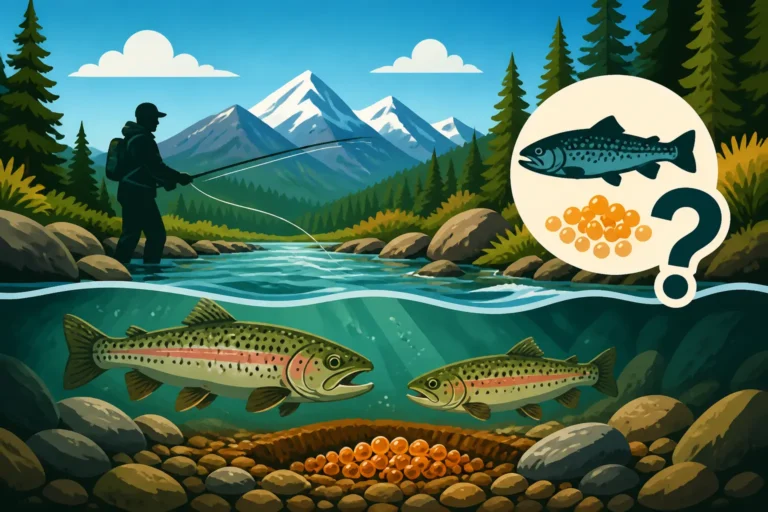
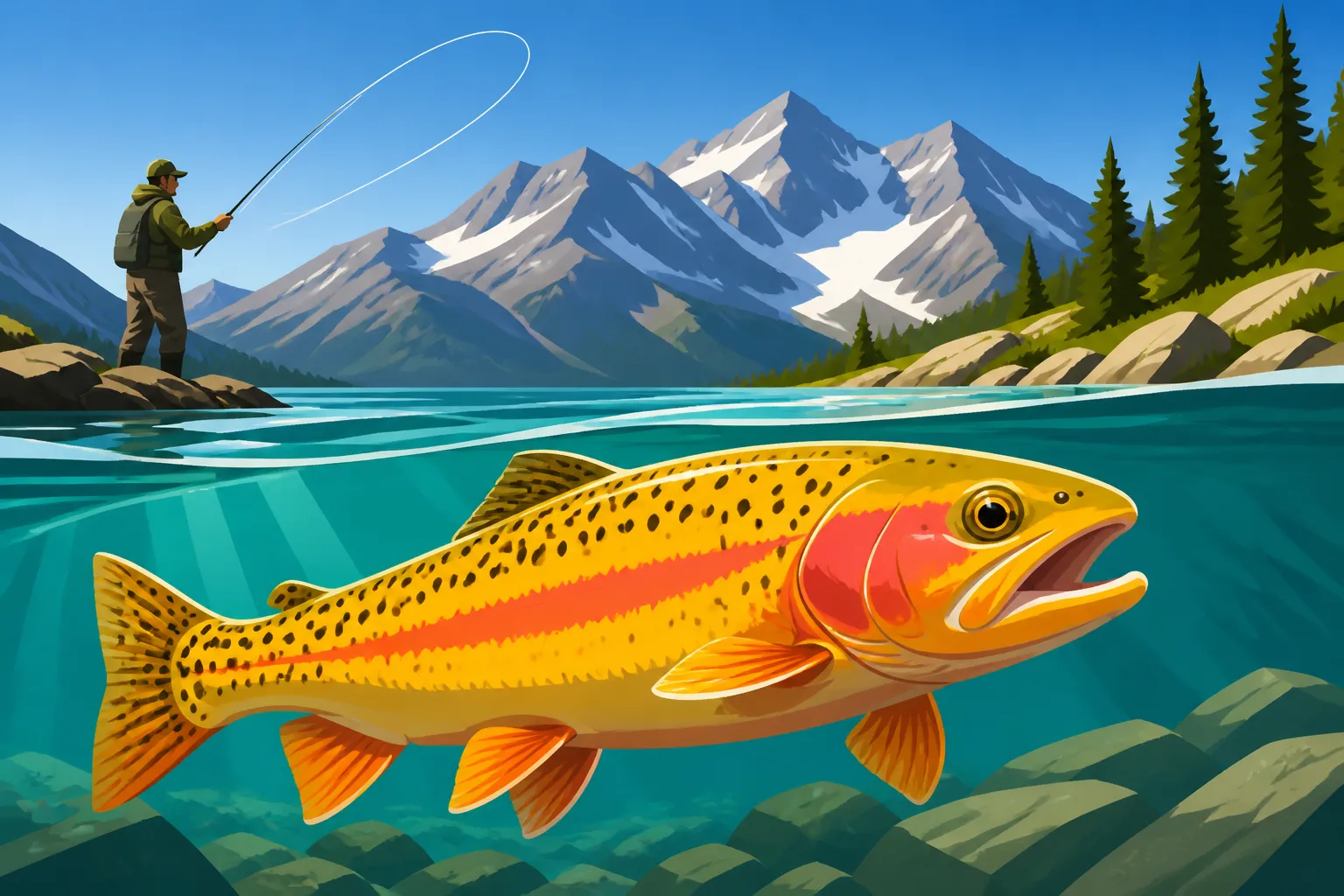
Imagine a fish that looks like it's been painted with sunshine and a splash of ruby red. That’s a golden trout. These fish are renowned for their stunning, almost iridescent gold flanks, often adorned with a prominent red stripe along their lateral line that can range from a subtle blush to a fiery crimson. Their backs typically show an olive-green hue, helping them blend into the often-murky depths of glacial-fed lakes, while their bellies often glow with an orange or red tint, sometimes speckled with dark spots concentrated towards the tail.
What truly sets them apart from other trout species you might encounter in Alberta, like rainbow or cutthroat trout, is this intense, almost glowing colouration. While size isn't always indicative – many golden trout in Alberta's high alpine lakes tend to be smaller due to limited food resources and harsh conditions – their breathtaking beauty is undeniable. It's an unforgettable moment when you first hold one of these living jewels, a testament to the pristine wilderness they call home. For a broader look at identifying different fish, check out our Trout Species Identification Guide for Alberta.
A History of Their Introduction to Alberta
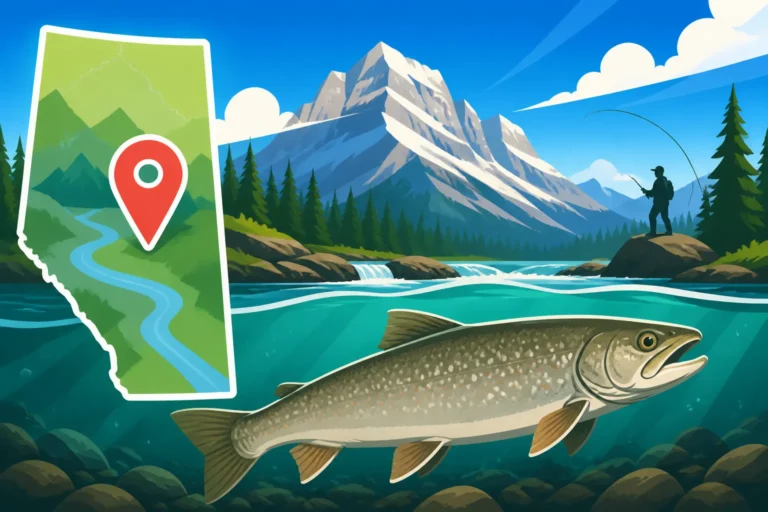
You might be surprised to learn that golden trout aren't native to Alberta. Their original range is actually confined to a few isolated drainages high in California's Sierra Nevada mountains. So, how did they end up in our province's remote alpine lakes? The answer lies in the dedicated efforts of fish stocking programs decades ago. Fisheries managers recognized the potential for these hardy, high-altitude adapted fish to thrive in Alberta's barren, nutrient-poor alpine lakes, which often lacked native fish populations capable of sustaining themselves in such extreme conditions.
These introductions were carefully planned, often involving packing fish — or even just eggs — into remote locations, sometimes by horseback or even by air. The goal was to establish self-sustaining populations in these high-elevation waters, offering unique angling opportunities without impacting native species in lower elevation systems. It's a fascinating story of human intervention working in harmony with nature to create an exceptional fishing experience, even if it means hiking up to some truly wild places.
Where to Find Golden Trout in Alberta
So, you're dreaming of golden trout, but where exactly do you start looking? These aren't your typical roadside pond fish. Finding golden trout means heading off the beaten path, way up into the clouds. It requires a bit of detective work and a willingness to embrace true wilderness.
Characteristics of High Alpine Golden Trout Habitat
Golden trout thrive in environments that would make most other fish species shiver – literally. Their preferred habitat consists of pristine, cold, high-elevation lakes and sometimes the connecting streams, typically found above the tree line or in the sparse subalpine forest transition zone. These lakes are often glacially fed, meaning the water is incredibly clear, often turquoise or deep blue, and consistently cold throughout the year. The surrounding landscape is usually rugged, characterized by rocky shorelines, sparse vegetation like stunted firs and resilient grasses, and towering peaks that often hold snow well into summer.
These are not nutrient-rich, warm, fertile lakes. Instead, they are oligotrophic, meaning they have low levels of nutrients, which in turn limits the size and abundance of their prey base. This is why golden trout in these environments tend to be smaller, but what they lack in size, they more than make up for in fighting spirit and stunning beauty. They are adapted to short growing seasons and prolonged periods under ice, making them incredibly resilient.
Identifying Potential Golden Trout Waters
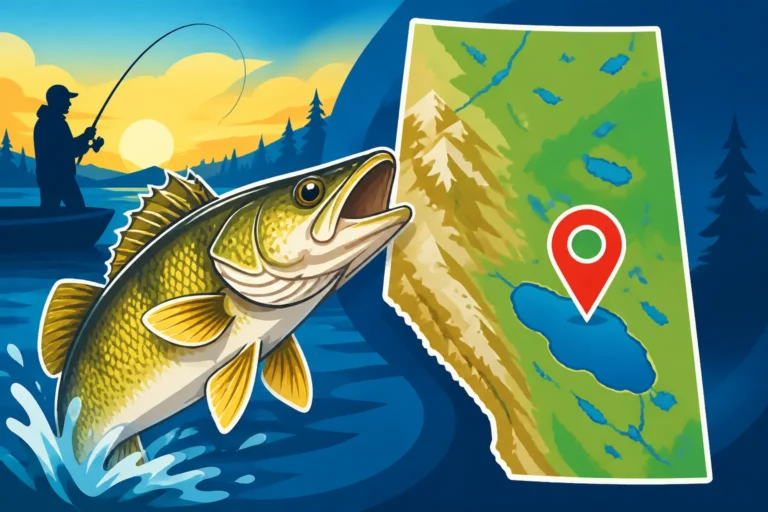
The journey to finding golden trout often begins long before you hit the trail. It starts with maps, research, and a deep dive into the specific regulations for various zones. You'll want to look for lakes marked at high elevations, typically above 1,800 meters (around 6,000 feet) and often closer to 2,000-2,500 meters (6,500-8,200 feet). National Parks like Banff and Jasper, as well as vast tracts of Kananaskis Country, host many of these potential golden trout havens. Always consult the official Alberta Guide to Sportfishing Regulations for specific lake listings and regulations, as some lakes might have special restrictions or be part of catch-and-release programs. For detailed regional information, our Kananaskis Country Fishing Guide or Banff National Park Fishing Guide can provide excellent starting points.
Satellite imagery can be your best friend here, helping you visualize the terrain, identify potential access routes, and gauge the remoteness. Look for lakes that appear isolated, often with challenging approaches that naturally deter casual visitors. Sometimes, historical stocking records or reports from other backcountry anglers can offer clues, though golden trout lakes are often closely guarded secrets by those who find them! Be prepared for a real adventure, as these aren't spots you just stumble upon.
The Challenge of Accessing Golden Trout Lakes
Let's be real: chasing golden trout is not a casual afternoon stroll. It's an expedition. The very remoteness that makes these fisheries so special also makes them incredibly challenging to reach. But for those willing to put in the effort, the rewards are immeasurable.
The Grind of High-Elevation Hiking
Accessing golden trout lakes almost always means significant elevation gain and often long distances. We're talking about hikes that can span several hours to an entire day, often with heavy packs filled with gear, food, and water. The trails can be steep, rocky, and unforgiving, sometimes disappearing altogether as you navigate through alpine meadows or across boulder fields. The air thins at higher elevations, making physical exertion even more demanding, especially for those not accustomed to it.
It's crucial to be in good physical condition and to prepare diligently. Start with shorter, less strenuous hikes to build your endurance. Invest in quality hiking boots, preferably waterproof, with excellent ankle support. Layers are your friend, as weather in the mountains can change on a dime – sunshine one moment, hail the next. Remember, it's not just about getting there; it's about having enough energy to fish and then safely make the return journey. Always tell someone your trip plan and expected return time.
Planning for Remote Backcountry Trips
Successfully reaching these golden trout sanctuaries requires meticulous planning. Beyond physical conditioning, you need to think about navigation, safety, and self-sufficiency. A detailed topographical map and a reliable GPS device (and knowing how to use both!) are non-negotiable. Cell service will be non-existent in most of these areas, so don't rely on your phone for navigation or emergencies. Consider bringing a satellite communication device for peace of mind.
Your pack needs to contain essentials for survival in the wilderness: ample food, water filtration, a first-aid kit, bear spray, a headlamp, and emergency shelter. Weather can shift rapidly in the mountains, so pack for all conditions, including severe storms, even in summer. Before you go, thoroughly research trail conditions, potential hazards like stream crossings or snow patches, and any specific backcountry camping regulations. Many high alpine areas in the Rockies have strict rules regarding campfires and wildlife encounters. For more general advice on planning your outdoor adventures, knowing the Best Time of Year to Fish in Alberta can also help schedule your trips during optimal weather windows.
Fishing Techniques and Gear for Golden Trout
Once you've put in the legwork and finally reached that shimmering alpine lake, the real fun begins. Golden trout, while often eager to bite, still require a thoughtful approach. The right techniques and gear can make all the difference between a memorable catch and a frustrating blank.
Fly Fishing Strategies for Alpine Lakes
Fly fishing is an incredibly rewarding way to target golden trout, especially given the clear, often calm waters of alpine lakes. These fish can be surprisingly eager, particularly if there's an insect hatch occurring. Dry flies often work wonders, especially imitations of smaller terrestrials like ants, beetles, or grasshoppers that might fall from the sparse shore vegetation. Look for signs of rising fish, indicating they are feeding on the surface. When the surface bite is slow, switching to nymphs or small streamers can be effective, particularly near drop-offs, submerged rocks, or points.
A 3 or 4-weight fly rod, typically 7.5 to 9 feet long, is ideal for the smaller size of golden trout and the delicate presentations often required. A floating line is versatile for most situations, allowing for dry fly presentations and shallow nymphing. Keep your leaders and tippet on the lighter side, generally 4X to 6X, as the clear water makes fish wary. Casts don't usually need to be excessively long, as you can often wade or fish from shore to cover good water. If you're looking to expand your fly fishing horizons, our guide on Best Fly Fishing Rivers in Alberta has transferable tips, even if it's for rivers.
Ultralight Spinning Gear for Golden Trout
Not everyone is a fly angler, and that's perfectly fine! Ultralight spinning gear is highly effective for golden trout and often more accessible for those new to remote fishing. The key is "ultralight." A small spinning reel spooled with 2-4 pound test monofilament or fluorocarbon line, paired with a sensitive 5-6 foot ultralight spinning rod, is perfect. The light line allows for long casts with small lures and provides excellent sensitivity to detect subtle bites.
Small spinners (like Rooster Tails or Mepps Aglias in sizes #0 to #2), tiny spoons (such as Little Cleos or Castmasters, under 1/8 oz), or micro-jigs (1/32 to 1/16 oz) are incredibly productive. Gold, silver, and bright colours like orange or chartreuse often provoke strikes. Work your lures slowly, allowing them to flutter and enticing a bite from these cold-water dwellers. Retrieving with pauses can often trigger a reaction strike from curious trout. These lightweight setups are also much easier to pack for those strenuous hikes into the high country.
Essential Gear for Your Golden Trout Expedition
Beyond your rod and reel, a successful golden trout trip hinges on bringing the right supplementary gear. Given the remote nature of these fisheries, preparation is paramount.
Here's a quick rundown of some essentials:
- Backpack: A comfortable, multi-day hiking backpack is crucial for carrying all your provisions. Look for one with good lumbar support and ample capacity.
- Water Filtration System: You'll be surrounded by water, but not all of it is safe to drink directly. A reliable filter or purification tablets are non-negotiable.
- Bear Spray: Always carry it, know how to use it, and keep it accessible. You're in prime bear country.
- Layered Clothing: Quick-drying, moisture-wicking layers are key. Even in summer, evenings can be cold, and weather can change instantly. Don't forget a warm hat and gloves.
- Rain Gear: A waterproof jacket and pants are essential, as alpine storms can roll in quickly and intensely. For durable options, consider browsing on Amazon for top-rated brands; our Best Rain Gear for Alberta Anglers offers more specific recommendations.
- First-Aid Kit: A comprehensive kit for minor injuries, blisters, and emergency situations.
- Headlamp: For navigating in the dark or setting up camp.
- Navigation Tools: Map, compass, and a GPS device (with extra batteries!).
- Sun Protection: Sunscreen, a wide-brimmed hat, and polarized sunglasses are vital for high-altitude sun exposure and spotting fish.
- Fishing Vest/Pack: To keep your flies, lures, tools, and tippet organized and easily accessible while fishing.
- Small Landing Net: A soft, knotless mesh landing net is highly recommended for safe catch and release. Find a compact, collapsible one that’s easy to pack. Our guide on the Best Landing Net for Trout provides great options.
- Dry Bag: For protecting electronics, extra clothing, and other moisture-sensitive items from rain or accidental dunkings. You can often find great deals on various sizes of dry bags on Amazon.
Packing smart means making tough choices about what to bring versus what to leave behind. Every ounce counts when you're gaining thousands of feet in elevation!
Conservation and Ethical Angling
Golden trout are precious. Their habitats are fragile, and their populations, though often self-sustaining, are limited by the harsh conditions they endure. As anglers, we have a responsibility to protect these incredible fish and their pristine homes. Ethical angling isn't just a suggestion; it's a necessity.
Catch and Release Best Practices
Many golden trout fisheries in Alberta, especially in sensitive alpine environments, operate under strict catch-and-release regulations or have very low possession limits. Always check the current Alberta Bag and Possession Limits by Species before you go. Even if keeping a fish is allowed, consider practicing catch and release to preserve these unique populations for future generations.
When practicing catch and release, handle the fish as little as possible. Use wet hands to avoid removing their protective slime coat. Unhook the fish quickly, preferably with forceps or pliers, while it's still in the water. If you must remove it for a quick photo, keep it out of the water for mere seconds, supporting its full body weight. Never let a fish flop on rocks or the shore. Revive tired fish by holding them gently facing into the current (if any) or moving them gently back and forth until they swim away strongly. Barbless hooks are also highly encouraged, as they minimize damage and make unhooking much easier.
Respecting Fragile Alpine Ecosystems
The environments where golden trout thrive are often delicate and easily impacted by human activity. Stick to established trails whenever possible to prevent erosion and damage to sensitive plant life. Pack out everything you pack in – and if you can, pack out a little extra trash that others might have left behind. Leave no trace of your visit. This includes food scraps, which can attract wildlife and disrupt natural foraging behaviors.
Proper waste disposal, including human waste, is also critical in these pristine areas. Dig cat holes well away from water sources and trails. Avoid using soaps or detergents directly in lakes or streams. Respect wildlife by giving them plenty of space and never feeding them. Remember, we are guests in their home, and our actions have lasting consequences on these beautiful, wild places.
Understanding Regulations for Golden Trout Waters
Navigating fishing regulations in Alberta can sometimes feel like a puzzle, and it's even more crucial when targeting specialized species like golden trout in high alpine zones. These waters are often subject to specific rules due to their ecological sensitivity or unique stocking programs. Some lakes may have special harvest draw programs, while others are strictly catch-and-release year-round. You might also find restrictions on bait types, hook styles (e.g., barbless only), or even fishing methods.
Before you even plan your trip, make sure you have a valid Alberta Fishing License Guide for 2026 and a WIN card. Then, meticulously review the current Alberta Guide to Sportfishing Regulations for the specific zone and water body you intend to visit. Ignorance of the rules is never an excuse, and penalties for violations can be significant, ranging from fines to loss of fishing privileges. Taking the time to understand and adhere to these regulations is the single most important step you can take to ensure the long-term health of Alberta's golden trout populations and the integrity of their breathtaking habitats.
Disclaimer
This article is for general informational purposes only and does not constitute professional advice. Laws, prices and regulations vary by location and change over time. Consult a qualified professional for guidance on your specific situation.