Tiger Trout Stocking in Alberta Lakes
It's incredibly frustrating when you hear whispers about new and exciting fish species being stocked in Alberta, but then struggle to find clear, practical information on what they are, where they're found, and how to actually catch them. Many anglers feel left in the dark about these unique opportunities. This guide is here to shed light on tiger trout stocking in Alberta lakes, detailing why these fascinating hybrids are introduced, where you can find them, and how to successfully target them for a memorable fishing experience.
Understanding Tiger Trout: A Unique Hybrid
Tiger trout are one of those fish that just catch your eye – literally. Their distinct vermiculation patterns, resembling tiger stripes, make them truly stand out. But they're more than just pretty fish; they're a fascinating hybrid with a specific purpose in Alberta's fisheries management.
What Exactly is a Tiger Trout?
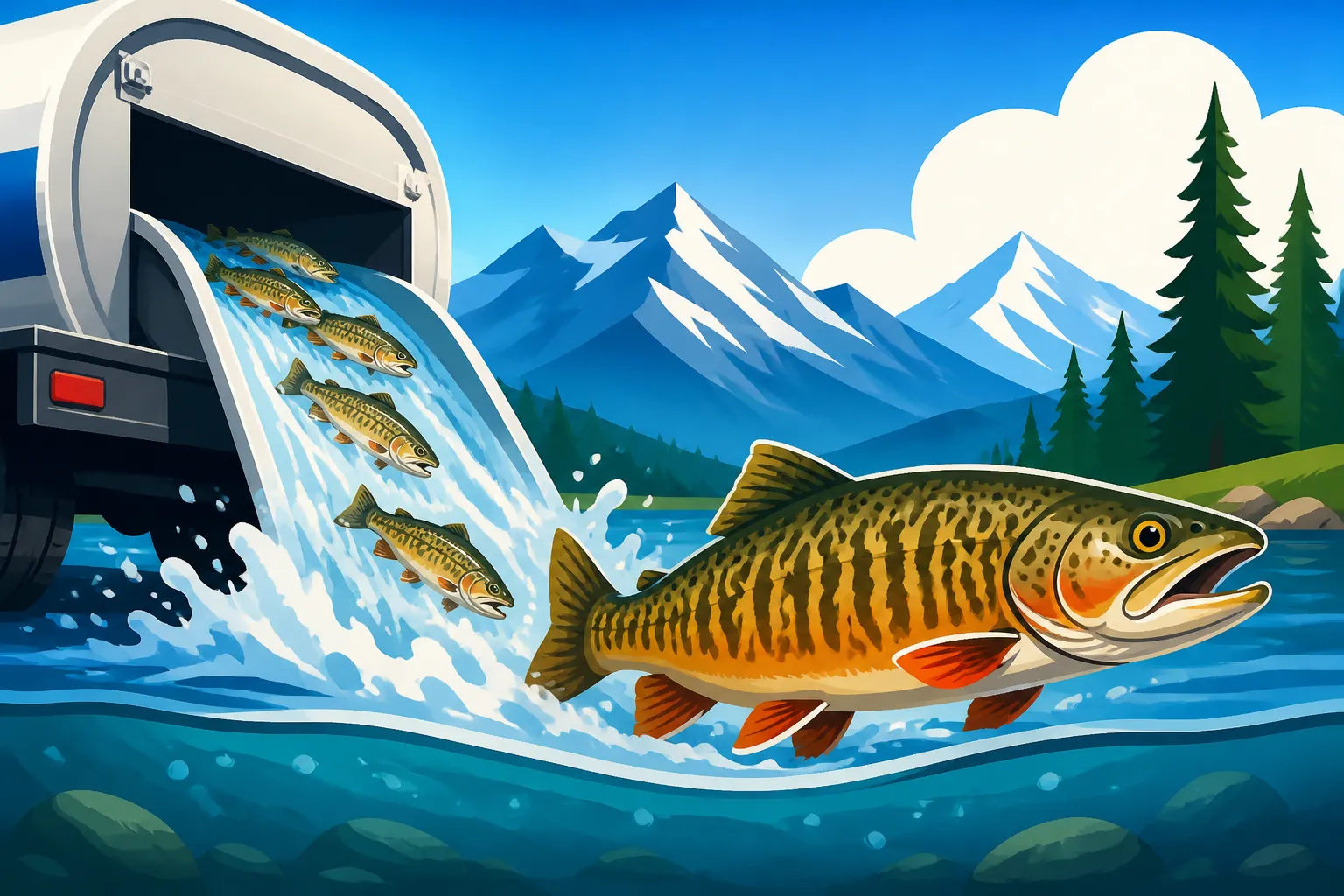
A tiger trout isn't a naturally occurring species; it's a sterile hybrid cross between a male brown trout and a female brook trout. Because they are sterile, they can't reproduce in the wild, which makes them an excellent tool for fisheries managers. This sterility means they won't compete with native fish populations for spawning grounds or accidentally introduce new genetics into wild stocks. It's a win-win: anglers get a feisty sportfish, and environmental concerns for native species are mitigated. Their growth rate can be quite impressive, often outstripping either parent species in certain conditions, providing a substantial fish in a relatively short period.
They tend to be quite aggressive eaters, which is another reason they're popular. They grow quickly by feeding voraciously, offering a strong fight when hooked. Their diet is varied, consuming insects, crustaceans, and smaller fish, making them responsive to a wide array of angling techniques.
Why Are Tiger Trout Stocked in Alberta?
The decision to stock tiger trout in Alberta lakes is a strategic one, aimed at enhancing recreational angling opportunities while carefully managing ecological impacts. There are several key reasons why these hybrids are chosen for stocking programs.
First and foremost, their aggressive nature and rapid growth make them excellent sportfish. Anglers are always looking for a good fight, and tiger trout deliver. They provide an exciting challenge, especially for those who enjoy targeting trout with lures and flies. Secondly, their sterility is a huge advantage. It allows fisheries to introduce a new, exciting species without the risk of it establishing a self-sustaining population that could negatively impact native fish. This means they can be stocked in specific waters to create put-and-take fisheries without long-term ecological concerns.
Often, tiger trout are introduced into lakes where other trout species might struggle with predation or where a sterile, hard-fighting fish is desired to fill an ecological niche. They can also thrive in waters with higher water temperatures than some other trout species, offering more flexibility in stocking locations. This thoughtful approach helps ensure that Alberta’s diverse aquatic ecosystems remain healthy while still providing exceptional angling opportunities.
Where to Find Stocked Tiger Trout in Alberta
Finding stocked tiger trout in Alberta usually means looking towards designated provincial lakes that are part of the stocking program. These are typically lakes managed by Alberta Environment and Protected Areas for recreational fishing enhancement.
Common Types of Lakes for Tiger Trout Stocking
You'll generally find tiger trout introduced into smaller, often more accessible lakes and ponds across the province. These aren't usually the massive, deep glacial lakes known for lake trout, but rather productive smaller bodies of water that can sustain a good population of aggressive feeders. These lakes often have good public access, making them popular destinations for a day trip or a weekend outing.
Many of these lakes are regularly stocked with other trout species as well, such as rainbow trout or brook trout. The intent is often to provide a diverse fishery, giving anglers a chance at various species. It's always a good idea to check the official stocking reports, usually available through the MyWildAlberta portal or local Fish and Wildlife offices. These resources are invaluable for pinpointing exactly which lakes have received tiger trout. Keep an eye out for lakes that may have naturalized populations of their parent species (brown or brook trout) as well, as these environments can sometimes mimic ideal tiger trout habitats.
Identifying Potential Tiger Trout Hotspots
When you're looking for a new spot, consider lakes that are known for good trout fishing but might also have a decent forage base for larger, aggressive fish. Lakes with submerged structure, such as weed beds, fallen timber, or rocky drop-offs, often hold tiger trout as they ambush prey. These fish can be a bit more elusive than their rainbow trout cousins, so don't be afraid to explore different areas of a known stocked lake.
Seasonal patterns play a big role too. In spring and fall, tiger trout might be found closer to shore or in shallower waters, feeding actively. During the heat of summer, they might retreat to deeper, cooler sections of the lake. Learning the lake's topography and understanding trout behaviour will significantly increase your chances. Don't forget that Alberta Fishing Season Dates by Zone and Alberta Zone-Specific Season Dates, Explained are crucial pieces of information to ensure you're fishing legally and during prime times.
Effective Techniques for Catching Tiger Trout
Targeting tiger trout can be an incredibly rewarding experience due to their aggressive nature and strong fighting ability. They respond well to a variety of techniques, making them a fun fish for anglers of all skill levels.
Lure Fishing for Aggressive Strikes
Tiger trout are renowned for their willingness to strike lures, making spin fishing a very effective method. Small spoons, inline spinners, and twitch baits are often excellent choices. Colors that mimic natural baitfish, like silver, gold, or olive, tend to be consistent producers, but don't shy away from brighter, more aggressive patterns, especially on overcast days or in stained water. Think about mimicking their natural prey; if the lake has lots of minnows, use minnow-imitating crankbaits or swimbaits.
When fishing lures, vary your retrieve. Sometimes a slow, steady retrieve is all it takes, while other times, a quick jigging action or a stop-and-go retrieve will trigger a strike. Pay attention to how the fish are reacting and adjust your presentation accordingly. If you're looking to stock up on a wide variety of these effective lures, online retailers like Amazon offer an extensive selection, often at competitive prices, so you can experiment without breaking the bank. For specific recommendations, check out what’s generally effective for Best Lures for Northern Pike in Alberta or Best Crankbaits for Alberta Walleye – while pike and walleye are different, some of those aggressive patterns can cross over.
Fly Fishing for Feisty Hybrids
For the fly angler, tiger trout offer an exciting challenge. They are opportunistic feeders, so both nymphs and streamers can be highly effective. During insect hatches, matching the hatch with dry flies can also yield incredible results. Their aggressive nature means they often aren't as shy as some other trout species when it comes to hitting a well-presented fly.
Streamers like Woolly Buggers, Clouser Minnows, and other baitfish imitations in olive, black, or white are excellent choices, especially when stripped actively. For subsurface action, pheasant tails, prince nymphs, and caddis larvae patterns can be very productive. When the surface action heats up, don't hesitate to cast a large attractor dry fly, or even a beetle or hopper pattern, especially near weedy edges or overhanging vegetation. Having a good quality fly box to keep your diverse patterns organized is key, and you can find a vast array of options on Amazon.
Best Baits for Tiger Trout
While lures and flies are popular, don't underestimate the effectiveness of natural baits for tiger trout, especially if you're fishing with younger anglers or prefer a more relaxed approach. Worms, maggots, and PowerBait are all proven choices. Rigging these baits under a bobber or on a bottom rig can be very successful.
When bait fishing, it's often best to use lighter line and smaller hooks to ensure a natural presentation. Remember that tiger trout are aggressive, but they can also be wary in clear water. So, presenting your bait subtly can make a big difference. Checking local regulations for bait restrictions is always a must, as some waters may have limitations on what you can use.
Regulations and Conservation for Tiger Trout
Even though tiger trout are a stocked, sterile hybrid, they are still wild animals once released into Alberta's waters, and fishing for them comes with its own set of rules and conservation considerations. Understanding these regulations is key to responsible angling.
Alberta's Specific Rules for Tiger Trout
Currently, Alberta's regulations for tiger trout often fall under general trout regulations, but it's crucial to always consult the current Alberta Guide to Sportfishing Regulations. This guide will outline specific bag limits, possession limits, and any size restrictions that might apply to tiger trout in particular lakes. Because they are often stocked in smaller, designated fisheries, some of these lakes might have special regulations tailored to protect the fish population and ensure sustainable angling.
You'll need an Alberta fishing license and a WIN card to fish for any sportfish in Alberta, including tiger trout. For those new to the system, understanding Alberta WIN Card, Explained is a great starting point. Always be sure to check the regulations for the specific waterbody you plan to fish, as rules can vary considerably from one lake to another, even if they are relatively close geographically.
Catch and Release Practices
While tiger trout are stocked for harvest, practicing good catch and release techniques for any fish you don't intend to keep is always a responsible approach. These aggressive fish fight hard, and it's important to minimize stress on them if you're releasing them.
Here are some quick tips for effective catch and release:
- Use barbless hooks: This makes hook removal much easier and reduces injury to the fish. Many Which Alberta rivers mandate barbless hooks only exist for native trout, and it's a good practice everywhere.
- Handle fish minimally: Keep the fish in the water as much as possible. If you must remove it, do so quickly and with wet hands.
- Support the fish: Support its body weight evenly, especially if it's a larger fish. Avoid squeezing it.
- Revive gently: Hold the fish upright in the water, facing into the current, until it swims away on its own.
By following these practices, you help ensure that any tiger trout you release have the best chance of survival, contributing to a healthier fishery for everyone.
The Role of Stocking Programs in Alberta
Tiger trout stocking is a critical component of Alberta’s broader fisheries management strategy. It helps to diversify angling opportunities, alleviate pressure on native fish populations, and provide accessible recreational fishing experiences, particularly for families and new anglers.
These programs are carefully planned, with biologists assessing lake conditions, forage availability, and angler demand before deciding on stocking locations and numbers. The sterile nature of tiger trout makes them an ideal candidate for such programs, allowing for controlled enhancements without impacting the genetic integrity of wild populations. Your fishing license fees directly contribute to these stocking efforts and other conservation initiatives across the province.
Preparing for Your Tiger Trout Adventure
Getting ready for a fishing trip to target tiger trout isn't much different than preparing for other trout species, but a few specific considerations can make your trip more successful and enjoyable.
Essential Gear Checklist
Beyond your rod, reel, and tackle, consider these items for a tiger trout outing:
| Item | Purpose | Notes |
|---|---|---|
| Fishing License/WIN Card | Mandatory for legal fishing. | Always current and accessible. Alberta Fishing License Age Requirements is key. |
| Pliers/Hemostats | Essential for hook removal, especially with aggressive fish. | Long-nosed pliers are best for pike-like mouths. |
| Net | Rubberized mesh net helps protect fish if practicing catch and release. | A Best Landing Net for Trout will work well. |
| Leader Material | Fluorocarbon or monofilament for clear water and stealthy presentations. | Often needed for lures or flies. |
| Sunscreen/Hat/Glasses | Protection from the elements. | Polarized sunglasses are invaluable for spotting fish and structure. |
| Small Cooler | To keep any harvested fish fresh. | Also useful for drinks and snacks. |
| First-Aid Kit | For minor cuts, scrapes, or hook mishaps. | Always a good idea to have one on hand. |
| Water Bottle | Stay hydrated, especially on warmer days. | |
| Bug Spray | Essential, especially in spring and early summer. | Nothing ruins a trip faster than swarms of mosquitoes. |
Having the right gear makes a huge difference. If you're looking for a new Best Tackle Bag for Bank Fishing or perhaps a Best Portable Fish Finder for Kayak Fishing, browsing options on Amazon can help you find exactly what you need to prepare for various fishing scenarios.
Planning Your Trip and Staying Informed
Before heading out, always double-check the weather forecast and pack appropriate clothing. Alberta weather can change rapidly, so layering is often the best strategy. Confirm access points to the lake and any specific rules for parking or boating. Some smaller stocked ponds may be walk-in access only, or have restrictions on motor size.
Staying informed about stocking schedules and specific lake conditions is also highly recommended. The Alberta Environment and Protected Areas website and various local fishing forums are excellent resources for up-to-date information. Understanding details like Alberta Walleye Limit by Zone or Alberta Northern Pike Limit can even help you plan multi-species trips if your chosen tiger trout lake also holds these fish. The more you know, the better prepared you'll be for a successful and enjoyable day on the water.
Disclaimer
This article is for general informational purposes only and does not constitute professional advice. Laws, prices and regulations vary by location and change over time. Consult a qualified professional for guidance on your specific situation.