Where to find bull trout in Alberta
For many anglers, the thought of catching a bull trout in Alberta conjures images of pristine mountain streams and a challenging, rewarding pursuit. These incredible native char are a true testament to Alberta's wild beauty, but they're also incredibly sensitive to environmental changes and angling pressure. Knowing where to find them isn't just about discovery; it's about understanding their critical habitats and the responsibilities that come with pursuing such a vulnerable species. This guide will help you pinpoint their preferred haunts and equip you with the knowledge to approach these magnificent fish ethically.
Understanding Bull Trout Habitat and Behavior
Bull trout aren't just any trout; they're a unique species of char with very specific habitat requirements. They are indicators of healthy, cold, clean water ecosystems, which makes finding them a quest for wild, unspoiled environments. Their survival hinges on these conditions, and any deviation can greatly impact their populations. It's a humbling experience to realize that where you find a bull trout, you've found a truly special place.
The Need for Cold, Clean Water
Think about the coldest, clearest mountain stream you can imagine, rushing down from the Rockies. That's bull trout country. These fish absolutely need water temperatures that rarely exceed 15-18 degrees Celsius, even in the peak of summer. Warmer water stresses them immensely, making them susceptible to disease and reducing their ability to spawn. That's why you'll often find them in higher elevations, or in deep, cold lakes fed by glacial melt. The water also needs to be exceptionally clean, free from sediment and pollution, which can smother their eggs and reduce the visibility they rely on for hunting. It's a fragile balance, and it's why Bull Trout: Alberta's Threatened Native Fish is a topic so close to many anglers' hearts.
Moreover, bull trout need clean, oxygen-rich gravel beds for spawning. Unlike many other trout species, they spawn in the fall and early winter, typically in small, headwater streams. These spawning grounds are crucial, and any disturbance, whether from development, logging, or even careless angling, can have devastating long-term effects on their numbers. This sensitivity is precisely why their conservation status is so serious, and why rules like Alberta Bull Trout Zero Possession Rule are in place.
Importance of Complex Riverine Systems
Bull trout are not just residents of a single pool; they're travelers. Their life cycle often involves complex movements between spawning streams, rearing habitats, and larger feeding areas, sometimes migrating dozens of kilometers. They utilize the entire river system, from tiny tributaries to larger mainstem rivers and even connecting lakes. These complex "connected" habitats provide them with everything they need: cold water refuges, abundant prey, and safe places to reproduce. Without these connections, their populations become fragmented and much more vulnerable.
This migratory behavior means that a healthy bull trout population relies on an unobstructed river system. Dams, culverts, or diversions can block their movements, preventing them from reaching critical spawning or feeding grounds. This is why conservation efforts often focus on maintaining or restoring connectivity within their native watersheds. When you're out exploring, understanding that a bull trout caught in a large river might have spawned miles upstream in a tiny creek gives you a new appreciation for their incredible journey. They're opportunistic predators, feeding on smaller fish like sculpins and minnows, as well as insects, so a healthy ecosystem with diverse prey is also vital.
Key Regions and Rivers for Bull Trout Encounters
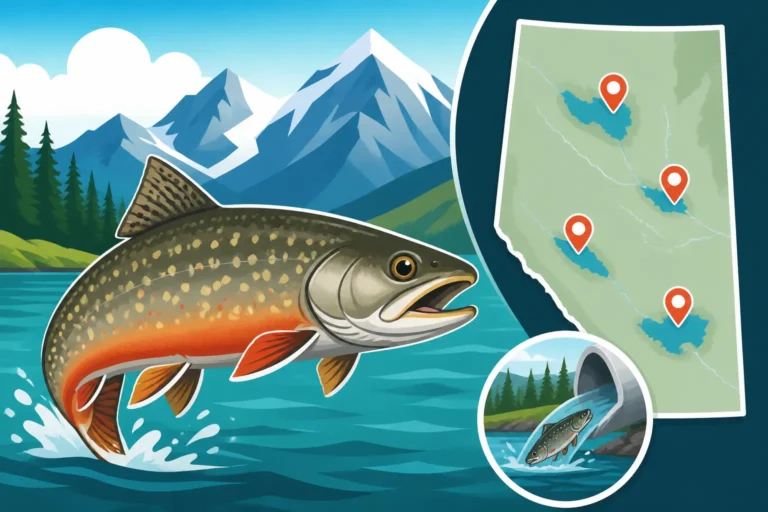
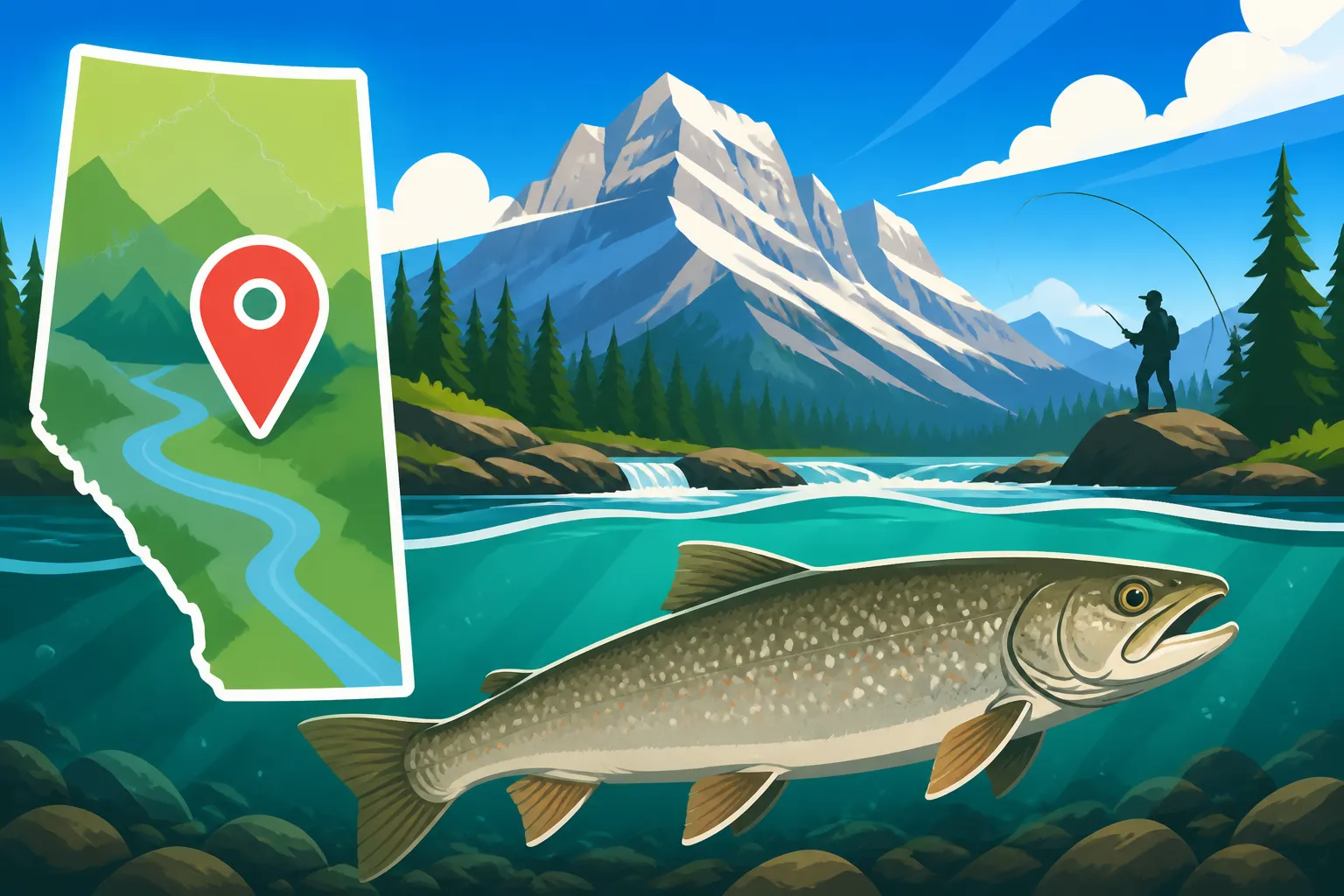
While bull trout are native to several regions of Alberta, their populations are not evenly distributed. They are primarily found in the western and northern parts of the province, in systems that originate in or are heavily influenced by the Rocky Mountains. These are the areas where the combination of cold water, clean gravel, and complex river systems still exists, offering them a fighting chance.
The Rocky Mountain Foothills and Eastern Slopes
This is arguably the heartland of Alberta's bull trout country. The rivers and streams draining the eastern slopes of the Canadian Rockies offer prime habitat. These waters are typically cold, clear, and feature the necessary gravel beds for spawning. Think about the iconic rivers that flow out of these mountains, and you're thinking about potential bull trout haunts. The Crowsnest River, for example, is famous for its trout, and while rainbows and browns might steal the spotlight, bull trout are also present in certain stretches, particularly in its colder headwaters and tributaries. Likewise, the Oldman River system, particularly its upper reaches and associated streams, historically holds bull trout.
Further north, the Ram River and Clearwater River systems are also known for their populations. These areas often require more remote access, sometimes involving hiking or off-roading, but the reward can be worth it. It’s important to remember that these fish are often found in deeper pools, undercut banks, and around large structure (like fallen trees or large rocks) where they can ambush prey and find thermal refuge. Accessing these areas often means investing in good quality Best Waders for Alberta Trout Rivers and perhaps even a sturdy wading staff for safety on slippery rocks. Always check the regulations for specific zones, as some areas may have unique rules, or even be completely closed to fishing to protect sensitive populations.
Northern Alberta Wilderness Areas
As you move north into the province, the vast wilderness of northern Alberta also provides significant bull trout habitat, particularly in the drainages that flow into the Arctic Ocean. Remote lakes and rivers in areas like Willmore Wilderness Park and even further north towards the Athabasca River basin can hold thriving bull trout populations. These areas are often less accessible, requiring float planes, extended canoe trips, or serious backpacking, which naturally reduces angling pressure and helps maintain the integrity of these wild populations.
Rivers that feed into Lake Athabasca, for instance, can be critical migration corridors and spawning grounds for bull trout. The sheer scale of these northern systems means that finding specific spots can be a challenge, and often requires local knowledge or the assistance of experienced outfitters. While the fishing can be incredible, the logistical challenges are significant. For those venturing into these remote areas, robust gear, emergency preparedness, and a strong sense of self-reliance are absolutely crucial. Even if you're just researching from home, a good map and some quality outdoor guides available on Amazon can help you visualize these vast landscapes.
| Region | Example Rivers/Areas | Habitat Characteristics | Access Difficulty | Key Notes |
|---|---|---|---|---|
| Southern Eastern Slopes | Crowsnest River (headwaters), Oldman River (upper) | Cold, clear, gravelly mountain streams, deep pools | Moderate to Difficult | Focus on tributaries and upper sections; often catch & release. |
| Central Eastern Slopes | Ram River, Clearwater River | Remote, pristine mountain drainages, complex systems | Difficult | Requires backcountry travel, check specific regulations carefully. |
| Northern Wilderness | Athabasca River tributaries, remote lakes | Vast, less pressured, often requires air access | Very Difficult | True wilderness experience, high fish density in some areas. |
Respecting the Bull Trout: Conservation and Ethical Angling
Catching a bull trout is an experience to cherish, but it comes with a significant responsibility. These fish are listed as a "Special Concern" species in Alberta, meaning their populations are vulnerable and require careful management. Understanding and adhering to ethical angling practices is not just a recommendation; it's a necessity for the continued survival of this magnificent species.
The "Zero Possession" Rule and Catch & Release
For virtually all bull trout fishing in Alberta, there is a strict "zero possession" rule. This means if you catch a bull trout, it must be immediately released, unharmed, back into the water. This isn't just a suggestion; it's a legal requirement designed to protect their vulnerable populations. Why Bull Trout Have a Zero Possession Limit in Alberta is a fundamental piece of knowledge for any angler venturing into their territory. It also means you should be prepared for proper catch and release techniques before you even cast your first line.
Beyond the regulations, practicing proper catch and release minimizes stress and injury to the fish. This includes using single, barbless hooks, minimizing handling time, keeping the fish in the water as much as possible, and reviving it carefully before release. Even the best lures and flies on Amazon should ideally be converted to single, barbless hooks if you're targeting bull trout. The goal is to ensure that every bull trout you encounter swims away strong and healthy to spawn another day. For those looking for more detail, checking out Bull trout catch and release survival tips is a great start to ensure you're doing everything right.
Identifying Bull Trout vs. Other Species
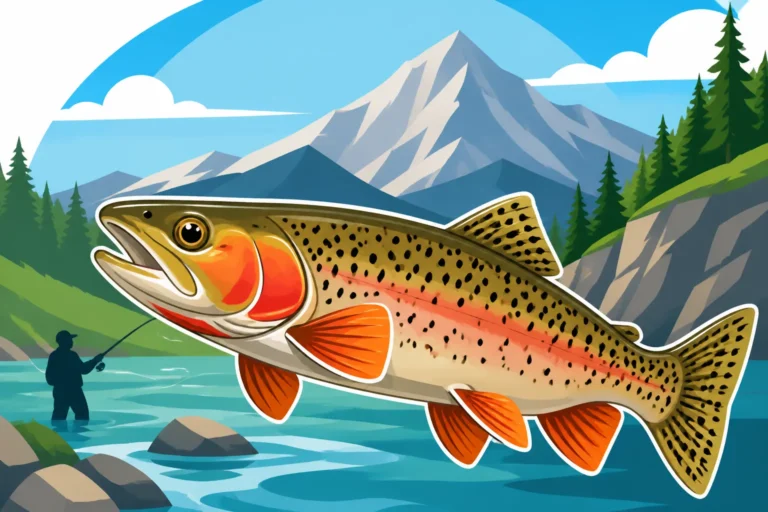
One of the challenges, especially for newer anglers, is correctly identifying a bull trout. They can sometimes be confused with lake trout or brook trout, both of which can share similar habitats. Misidentification can lead to accidental retention, which has serious legal consequences and impacts conservation efforts. Bull trout typically have pale yellow, orange, or reddish spots on a dark green to olive-brown background, no black worm-like markings on their back (like brook trout), and a distinct white leading edge on their pectoral, pelvic, and anal fins. Their heads are also notably larger and broader than other trout species, often described as "bull-headed."
Before you head out, familiarize yourself with the distinguishing characteristics of bull trout and other char species found in Alberta. The official Alberta Guide to Sportfishing Regulations often includes identification guides, and there are many excellent field guides available through retailers like Amazon that can help. When in doubt, it's always best to assume it's a bull trout and release it carefully. Knowing the difference is a vital part of responsible angling for this sensitive species, as discussed in Is Keeping a Bull Trout Ever Legal in Alberta?.
Essential Gear and Tactics for Pursuing Bull Trout
Successfully targeting bull trout requires a combination of appropriate gear, refined techniques, and a deep understanding of their behavior. These are not typically easy fish to catch, and their size can range from modest stream residents to truly trophy-class specimens, demanding gear that can handle the unexpected.
Tackle Considerations for Bull Trout
When it comes to tackle, you want something that offers a good balance of sensitivity for detecting subtle takes and backbone for fighting a powerful fish in strong currents. For river fishing, a medium-heavy spinning rod (6'6" to 7'6") paired with a reliable reel spooled with 10-15 lb braided line and a fluorocarbon leader (8-12 lb) is a versatile setup. This allows for casting heavier lures and provides the stopping power needed for larger fish in fast water. If you prefer fly fishing, a 7 or 8-weight fly rod is generally recommended, especially if you're throwing larger streamers or fighting fish in strong currents. Your fly line should match the rod weight, and you'll want a strong leader and tippet. Remember, many of the rivers also hold other trout, so gear that works for Best Gear for Bow River Fly Fishing might be a good starting point, though you'll want to beef it up slightly for the often larger bull trout.
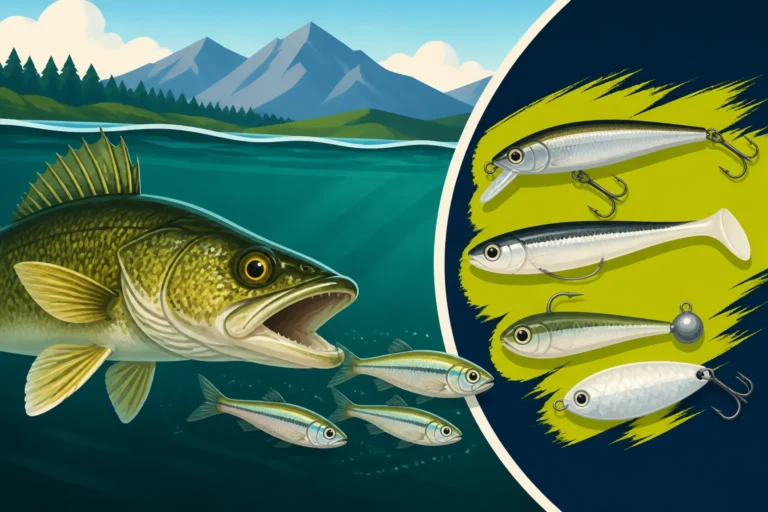
In terms of lures, bull trout are aggressive predators, so anything that imitates baitfish can be effective. Spoons, larger spinners, lipless crankbaits, and soft plastic swimbaits rigged on jig heads are popular choices. Think about natural baitfish colors and sizes that mimic the prey they feed on in their specific habitat. For fly anglers, large streamers that imitate sculpins, minnows, or leeches are often the most productive. These can be fished on a sink-tip or full-sinking fly line to get them down to where the fish are holding. Having a variety of options, easily organized in a good tackle box or fly box (which you can find on Amazon), is key.
Effective Techniques for Bull Trout
Bull trout often hold in deeper, darker water, especially in runs, pools, and around submerged structure. They tend to be ambush predators, so targeting these areas where they can lie in wait for prey is crucial. Casting upstream and allowing your lure or fly to drift naturally downstream into these holding lies, then retrieving with an erratic action, can often trigger a strike. Pay attention to current breaks, seams, and areas where slower water meets faster currents. Bull trout will often sit in the slower water, darting out to snatch prey passing by.
In larger rivers or lakes, trolling can also be an effective technique, especially for larger, migratory bull trout. Using downriggers or weighted lines to get your lures to specific depths where the fish are suspended can be very productive. Always be prepared for a strong fight; bull trout are powerful swimmers. Once hooked, try to land the fish as quickly and carefully as possible to minimize stress, especially given the strict catch and release rules. Don't forget that How to Catch Bull Trout and Release Them Safely provides specific instructions for minimizing harm to these magnificent fish.
This article is for general informational purposes only and does not constitute professional advice. Laws, prices and regulations vary by location and change over time. Consult a qualified professional for guidance on your specific situation.