Where the Alberta walleye record was caught
Every angler in Alberta dreams of that one fish – the monster that truly tests their skill, a leviathan of the deep that might just be a once-in-a-lifetime catch. When it comes to walleye, the sheer size and fighting spirit of a truly massive specimen are legendary, leading many to wonder about the ultimate prize: the provincial record. It's not just about the size; it's the mystery, the lore, and the undeniable draw of knowing such a fish exists in our waters. This guide aims to pull back the curtain on that storied catch, exploring where Alberta's record walleye was landed, what makes certain waters prime for giants, and how you might just chase your own personal best.
The Legend of Alberta's Record Walleye
The provincial record for any fish species is more than just a number on a scale; it's a piece of local angling history, a testament to the incredible fish that our waters can produce, and often, a story of an unexpected encounter. For walleye, a species beloved for its delicious fillets and challenging fight, the record holds a special place in the hearts of Albertan anglers.
The Elusive Record and Its Significance
Imagine casting your line, feeling a powerful tug, and bringing in a fish that makes your jaw drop. That's the dream, isn't it? Breaking a provincial record is exceptionally rare. These records often stand for decades, resisting the efforts of thousands of dedicated anglers who ply the waters year after year. It takes a perfect storm of factors: an ancient, massive fish, an angler with the right technique at the right time, and a healthy dose of pure luck.
The significance isn't just in the bragging rights. A record-setting fish highlights the exceptional health and potential of a particular fishery. It tells us that conditions were just right for a walleye to grow to an incredible, almost unbelievable size, surviving countless seasons and outsmarting countless predators (and anglers!). These fish are the genetic gold standard, vital for the future of the species in that lake or river.
Unpacking the Official Record Details
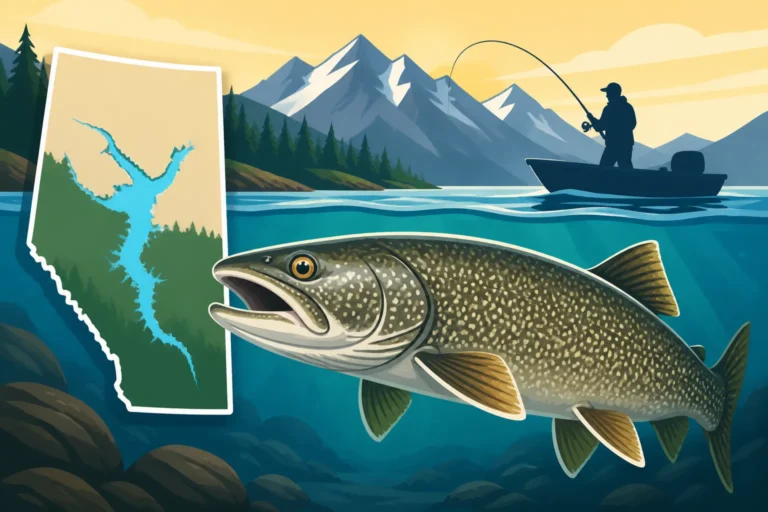
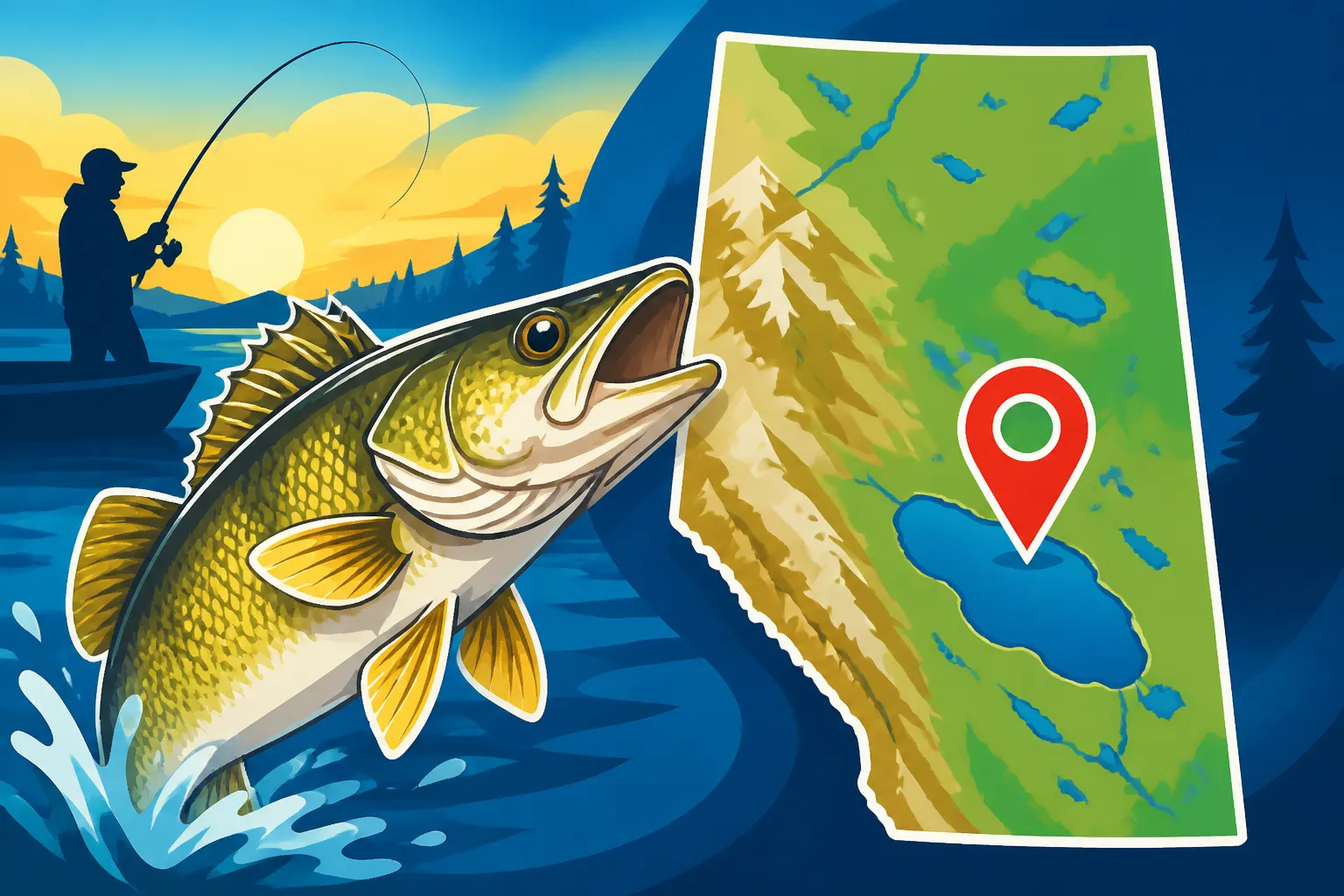
So, where did this legendary walleye come from? The official record for walleye in Alberta was caught in a place that epitomizes the province's vast and wild north: Lesser Slave Lake. This immense body of water, known for its incredible walleye fishery, yielded the record back in 1993 to angler Gregory Caron. While official figures are paramount, what truly captures the imagination is the where – a massive, nutrient-rich lake that provides everything a walleye needs to grow to truly monumental proportions.
Lesser Slave Lake is one of Alberta's largest, stretching for miles and offering a diverse range of habitats. From sprawling shallow bays filled with weeds to deep, rocky structure, it's a walleye paradise. The sheer size of the lake means fish have ample space to roam, find abundant forage, and grow old. It's a complex ecosystem, and for one fortunate angler, it delivered the fish of a lifetime, cementing Lesser Slave Lake's reputation as a top-tier walleye destination. Lesser Slave Lake Walleye Fishing is legendary for a reason.
Understanding the Habitat of Record-Breaking Walleye
Catching a record-breaking fish isn't entirely random. While luck plays a huge role, these giants don't just appear anywhere. They are products of specific environmental conditions that allow them to thrive, grow large, and live for many years. Understanding these conditions is key, whether you're chasing the provincial record or simply your own personal best.
Key Characteristics of Trophy Walleye Waters
Trophy walleye don't grow to gargantuan sizes on hopes and dreams; they need a stable, abundant food supply and diverse habitat. The best walleye waters typically share several characteristics:
- Abundant Forage: This is perhaps the most critical factor. Lakes that produce huge walleye are teeming with baitfish – ciscoes, smelt, perch, and suckers. These small, protein-rich meals allow walleye to pack on weight rapidly throughout their lives. Without a robust forage base, walleye might be numerous, but they'll often be stunted.
- Diverse Structure: Walleye are ambush predators and relate heavily to structure. This includes sunken islands, rock humps, steep breaks, old river channels, and extensive weed lines. These features offer places to hide, ambush prey, and escape from predators or harsh light conditions. The more varied the structure, the more places walleye have to establish territories and find food. Where to Find Walleye in Alberta goes into more detail on this.
- Depth and Oxygen: Walleye are often found in deeper, cooler waters, especially during the warmer months. Lakes with varying depths, including significant deep pockets, allow them to retreat from intense sunlight and find stable, oxygen-rich environments. Shallow, stagnant lakes rarely produce truly giant walleye.
- Water Quality and Nutrients: Healthy, clean water is essential for both the walleye and their prey. Lakes with a good balance of nutrients support a thriving food web, from plankton up to the largest fish. Pollution or drastic environmental changes can severely impact a lake's ability to produce trophy-sized fish.
Why Specific Lakes Produce Giants
While many lakes in Alberta hold walleye, only a select few consistently produce fish that approach or exceed trophy size. Why is this?
Firstly, some lakes simply have the genetics for it. Walleye in certain populations may be predisposed to grow larger. When combined with ideal environmental conditions, this can lead to exceptional growth. Secondly, fishing pressure plays a significant role. Lakes that see heavy fishing pressure, especially where harvest is common, often see the average size of fish decrease. Lakes with protected slot limits or strong catch-and-release ethics tend to allow more fish to reach older, larger sizes.
Finally, age and mortality rates are crucial. A walleye needs many years to reach a truly massive size. Lakes where walleye can live long lives, avoiding both natural predators and angler harvest, are the ones most likely to hold giants. This often means lakes with vast expanses, complex underwater topography, or simply a lower density of anglers. Lesser Slave Lake, for instance, is so large that even with its popularity, it can still harbor these ancient, solitary giants. Alberta Walleye Special Harvest Licence Program aims to help certain populations reach this potential.
The Quest for Your Own Personal Best Walleye
While the provincial record might seem like an unreachable feat, the pursuit of your own personal best walleye is an incredibly rewarding journey. It requires dedication, research, the right gear, and an understanding of walleye behavior. Even if you don't land a record, the thrill of the chase and the learning along the way are priceless.
Researching Potential Record-Setting Spots
You don't need to head to Lesser Slave Lake exclusively, though it's certainly a contender! Alberta has many fantastic walleye fisheries. Your quest begins with solid research. Start by looking at current and historical fishing reports. Local bait shops are goldmines of information; the folks behind the counter often know which lakes are kicking out bigger fish. Online fishing forums and community groups can also offer insights, though always take internet advice with a grain of salt and cross-reference.
Dig into the Alberta Fishing Regulations App and Zone Lookup, Explained. Pay close attention to lakes with special regulations like restrictive slot limits or reduced possession limits. These rules are often in place to protect larger fish and allow them to grow, indicating a potential trophy fishery. You'll want to check the specific zone regulations for Alberta Walleye Limit by Zone before heading out. Don't be afraid to study bathymetric maps (depth charts) available at many outdoor retailers or on apps. These maps will reveal the crucial underwater structure – humps, points, drop-offs, and deep holes – where big walleye love to lurk. You can even find excellent waterproof fishing maps on platforms like Amazon, perfect for those days on the water.
Essential Gear for Targeting Giant Walleye
Catching a truly massive walleye often requires a step up in your gear. While a basic spinning combo will land smaller fish, going after giants means being prepared for a serious battle.
- Rods and Reels: Look for a medium-heavy to heavy power spinning or baitcasting rod, typically 6'6" to 7'6" in length, with a fast action tip. This provides the backbone to handle a large fish while still offering sensitivity for subtle bites. Pair it with a sturdy reel that has a smooth drag system and ample line capacity.
- Line: For bigger walleye, braided line in the 15-20 lb test range is a popular choice for its sensitivity and strength, often paired with a fluorocarbon leader (10-15 lb test) for abrasion resistance and invisibility in clear water. Monofilament can also work, particularly for trolling.
- Lures and Baits: While walleye will eat a variety of offerings, focus on presentations that appeal to larger fish. Jigs tipped with large minnows or soft plastics (like 4-6 inch paddle tails or curly tail grubs), deep-diving crankbaits in natural baitfish patterns, and large spoons are all excellent choices. Live bait, such as large shiners or suckers, can be irresistible to a trophy walleye. Check out Best Tackle for Alberta Walleye for more specifics.
- Electronics: A good fish finder with down imaging and side imaging capabilities is almost essential for locating deep structure and marking individual fish. GPS mapping will help you stay on specific contours and return to productive spots.
- Nets and Tools: A large, rubber-coated landing net is crucial for safely landing and releasing big walleye, minimizing damage to their fins and slime coat. Long-nosed pliers or a jaw spreader can help with hook removal. You can find robust, angler-friendly nets and tools easily online, for example, on Amazon.
Techniques for Catching Trophy Walleye
Beyond the gear, successful trophy walleye fishing often comes down to specific techniques and a good deal of patience.
- Trolling: This is one of the most effective ways to cover large expanses of water and find active fish. Use deep-diving crankbaits or spinner rigs with bottom bouncers, targeting areas with significant depth changes, submerged humps, or the edges of weed beds. Vary your speed and lure depth until you find what triggers bites.
- Jigging Deep Structure: When you locate walleye on your fish finder, vertical jigging can be deadly. Use heavy jigs (3/8 oz to 1 oz, depending on depth and current) tipped with soft plastics or live minnows. Present the jig directly over the fish, imparting short, sharp lifts, and pauses. Pay close attention to your line for subtle bites.
- Night Fishing: Walleye have excellent low-light vision and often feed aggressively after dark, moving shallower to ambush prey. This is a prime time for casting crankbaits, stickbaits, or even slowly retrieving jigs. Night Fishing for Walleye in Alberta offers fantastic opportunities for big fish.
- Patience and Persistence: Trophy walleye are not caught quickly. You might spend hours or even days targeting specific areas for just a few bites, but those bites could be the fish of a lifetime. Trust your electronics, stick to proven patterns, and stay persistent.
| Factor | High Potential for Trophy Walleye | Low Potential for Trophy Walleye |
|---|---|---|
| Forage Base | Abundant, diverse baitfish (ciscoes, smelt, suckers) | Sparse baitfish, primarily small perch or minnows |
| Lake Size | Large, expansive lakes with varied depths | Small, shallow ponds or heavily fished reservoirs |
| Structure Diversity | Extensive rock humps, steep breaks, old river channels, deep weeds | Uniform, flat bottom, limited cover |
| Water Quality | Clean, well-oxygenated, moderate nutrient levels | Stagnant, eutrophic (over-nutriated) or polluted waters |
| Fishing Pressure | Moderate to low, strong catch-and-release ethos, slot limits | High, heavy harvest of all sizes |
| Fish Age/Genetics | Long-lived walleye populations, genetic predisposition for growth | Short-lived walleye, rapid turnover in population |
Preservation and the Future of Alberta's Walleye Fisheries
The pursuit of trophy walleye, and indeed all fishing, comes with a responsibility. To ensure that future generations can experience the thrill of a big walleye, conscious efforts towards conservation are paramount. Alberta's fisheries are a precious resource, and managing them sustainably is a shared duty.
The Importance of Catch and Release
When you do hook into a truly large walleye, especially one that could be a potential record-breaker, the decision to release it is perhaps the most important choice you'll make. Large, mature walleye, particularly females, are the most valuable breeders in the population. They contribute the most eggs and often carry the most desirable genetic traits for growth and survival.
Releasing these giants helps sustain the fishery and allows other anglers the chance to experience a similar thrill. To ensure a successful release:
- Handle with Care: Minimize the time the fish is out of the water. Support its body horizontally, avoiding vertical hangs by the jaw.
- Use the Right Tools: A large, knotless, rubber-coated net is ideal. Use long-nosed pliers or a hook remover to quickly extract hooks.
- Revive If Necessary: If the fish seems sluggish, hold it gently in the water, facing into the current, until it regains strength and swims away on its own power.
- Know the Rules: Always adhere to Alberta Bull Trout Zero Possession Rule where applicable, and understand that some areas are Alberta Catch and Release Only Waters.
Conservation Efforts and Regulations
Alberta's fisheries are actively managed through a combination of regulations and conservation programs. The Alberta Fishing Regulations Explained provides detailed information on size limits, possession limits, and special harvest opportunities, all designed to protect fish populations and promote healthy growth. For walleye, specific slot limits are often in place, meaning anglers can only keep fish within a certain size range, protecting both the small, growing fish and the large, spawning adults.
The Alberta Walleye Special Harvest Licence Program is another innovative approach, allowing limited harvest in specific, healthy walleye populations, while keeping overall numbers in check to prevent over-population and stunting. By understanding and respecting these rules, and by embracing ethical angling practices, we can all contribute to the long-term health and vitality of Alberta's incredible walleye fisheries. Whether you're chasing the next provincial record or simply enjoying a day on the water, responsible angling ensures these opportunities endure.
Disclaimer
This article is for general informational purposes only and does not constitute professional advice. Laws, prices and regulations vary by location and change over time. Consult a qualified professional for guidance on your specific situation.