Best Rain Gear for Alberta Anglers
There's nothing quite like planning a fantastic fishing trip in Alberta, only to have the weather gods decide to unleash a deluge. Many anglers have been caught unprepared, shivering and miserable, their day on the water turning into an exercise in discomfort rather than enjoyment. It’s a classic story, one we've all lived through at some point. This guide is all about equipping you with the knowledge to choose the best rain gear, ensuring you stay dry, comfortable, and ready to battle that trophy fish, no matter what the unpredictable Alberta skies throw at you.
Why Good Rain Gear is Non-Negotiable in Alberta
Let's face it, Alberta weather has a mind of its own. One minute you're basking in glorious sunshine, the next, a dark cloud rolls in, and you're caught in a downpour or even a sudden hailstorm. As anglers, we often find ourselves far from immediate shelter, whether we're on a remote lake or wading a mountain stream. Having reliable rain gear isn't just about comfort; it's about safety and extending your time doing what you love.
The Unpredictable Alberta Weather
Anyone who fishes in Alberta knows that you can experience four seasons in a single day, especially in the foothills and mountains. A beautiful morning can quickly turn into a chilly, wet afternoon. You might start your day fly fishing the Bow River in a t-shirt, only to need a full rain suit by lunchtime as a system moves in. Best Fishing Rivers in Alberta This unpredictability means you can't just "chance it" when it comes to rain gear. A sudden drop in temperature combined with rain can lead to hypothermia, which is a serious concern, not just an inconvenience. Even on the vast prairie lakes, a summer storm can appear out of nowhere, leaving you exposed.
The varied landscapes of Alberta, from the high alpine lakes and rivers to the expansive prairie reservoirs, each present their own weather challenges. Mountain streams can see rapid temperature drops and intense, localized thunderstorms, while larger lakes can whip up significant chop and driving rain that seems to come from every direction. Being wet and cold saps your energy, impacts your concentration, and ultimately diminishes your fishing experience. The last thing you want is to cut a trip short because you're soaked to the bone and shivering uncontrollably.
The Cost of Being Unprepared
Beyond the obvious discomfort, being unprepared for rain can have a ripple effect on your fishing trip and even your health. Imagine finally getting to that honey hole on Lesser Slave Lake, only for a torrential downpour to force you to retreat to shore, losing precious fishing time. You’ve invested time, gas, and perhaps even a boat rental, and now it's all for naught because your flimsy jacket couldn't hold up.
Furthermore, getting thoroughly soaked in cold conditions can lead to feeling miserable for days, potentially leading to colds or other ailments. It can also damage your other gear, from your phone to your tackle, if not properly protected within a truly waterproof outer layer. Best Tackle Box Setup for Alberta Anglers The frustration of ruined electronics or water-logged lunch isn't just annoying; it’s an unnecessary expense that could have been avoided with proper preparation. Investing in quality rain gear is not just buying a jacket; it's investing in the longevity and enjoyment of your angling adventures.
Understanding the Types of Rain Gear
When we talk about "rain gear," it's not a one-size-fits-all concept. There are different styles and materials designed for various levels of protection and mobility. Understanding these differences will help you choose the right ensemble for your specific fishing needs.
Rain Jackets and Parkas
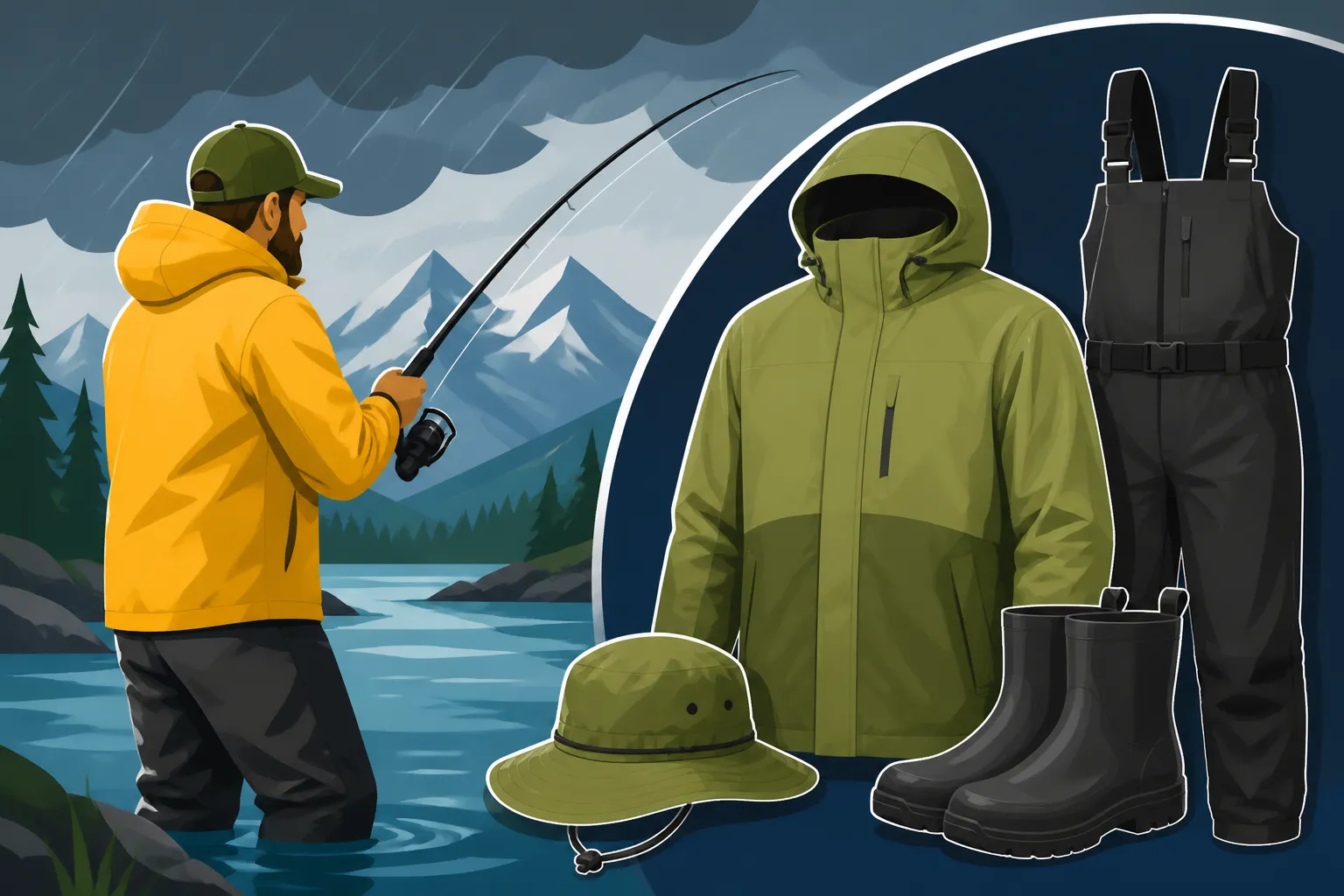
The rain jacket is probably the most common piece of rain gear, and for good reason. It’s versatile, relatively lightweight, and offers good upper body protection. A true fishing rain jacket goes beyond your everyday city slicker. It needs to be fully waterproof, not just water-resistant, and crucially, breathable. Breathability prevents you from sweating inside your jacket, which can leave you just as wet as the rain itself. Look for jackets with good hoods that can be cinched down, waterproof zippers, and adjustable cuffs to keep water from running down your arms.
Parkas, on the other hand, are typically longer and often offer more insulation. They are excellent for colder, wetter conditions, providing extended coverage over your hips and rear, which is particularly beneficial if you're sitting in a boat or on an ice fishing bucket. While a parka might be too warm for summer stream fishing, it could be your best friend during a late fall or early spring fishing trip when temperatures hover just above freezing. Many serious anglers prefer a shell-style jacket that allows for layering underneath, adapting to any temperature.
Rain Pants and Bibs
Your top half might be dry, but if your legs are soaked, you're still going to be uncomfortable. Rain pants are a crucial component of any comprehensive rain gear setup. They should be easy to pull on over your regular fishing pants and offer unrestricted movement. Just like jackets, breathability is key here; otherwise, you'll feel like you're wearing plastic bags on your legs. Look for features like reinforced knees and seats, especially if you spend time kneeling in a boat or sitting on rough surfaces.
Rain bibs offer an even higher level of protection, extending up your torso to provide a barrier against water intrusion, especially when casting, bending over, or sitting in a boat where splashes are common. They also prevent the dreaded gap between your jacket and pants, ensuring no water creeps in at your waistline. Bibs are a favourite among boat anglers or those who fish in consistently foul weather, offering superior warmth and protection. Many anglers find the integrated suspenders of bibs more comfortable than a tight waistband, allowing for greater mobility without constriction.
Full Suits and Overalls
For the angler who truly embraces all weather conditions, or perhaps spends extended periods on the water in unpredictable climates, a full rain suit or set of overalls might be the ultimate solution. These are essentially integrated jacket and pant/bib systems, sometimes even one-piece designs, offering seamless head-to-toe protection. The benefit here is complete coverage, eliminating any potential gaps where water could penetrate.
While a one-piece suit might feel a bit restrictive for active wading, two-piece suits (matching jacket and bibs) are very popular. They are often made from heavy-duty, durable materials, designed to withstand the rigours of hardcore fishing. Companies often sell these as a matching set, ensuring consistent waterproofing and breathability across the entire outfit. This kind of gear is often chosen by those venturing into remote areas or planning multi-day trips where staying dry is absolutely paramount. Think of those long days on Lake Athabasca or a chilly, rainy outing on Cold Lake where the elements can be particularly unforgiving. Lake Athabasca Fishing Guide Lake Trout Fishing in Alberta
Key Features to Look for in Alberta Fishing Rain Gear
Choosing the best rain gear isn't just about grabbing the first waterproof item you see. There are specific features that elevate a piece of clothing from "okay" to "essential" for Alberta anglers. Paying attention to these details can make all the difference between a comfortable day and a miserable one.
Waterproofing and Breathability Ratings
This is arguably the most critical aspect of any rain gear. You'll often see numbers like "10,000mm/10,000g/m2" on technical clothing. The first number (e.g., 10,000mm) refers to the hydrostatic head, which indicates the level of waterproofing. It essentially means the fabric can withstand a 10,000mm column of water before it starts to leak. For serious fishing in Alberta, you want at least 10,000mm, and ideally 15,000mm or higher, especially if you anticipate heavy rain or spray. Anything less might be fine for a light drizzle but will likely fail in a true downpour.
The second number (e.g., 10,000g/m2) refers to breathability, measuring how much water vapour (sweat) can pass through one square meter of fabric in 24 hours. A low breathability rating means you'll sweat profusely inside, making you wet from the inside out, defeating the purpose of being waterproof. For active fishing, a minimum of 7,000g/m2 is good, with 10,000g/m2 or more being excellent. High breathability is especially important if you're hiking to a remote stream or actively casting all day. Fabrics like Gore-Tex or similar proprietary membranes excel in balancing both high waterproofing and breathability.
Seams, Zippers, and Cuffs
A jacket might have a fantastic waterproof fabric, but if its seams aren't sealed, water will inevitably find its way in. Look for "fully taped" or "sealed" seams. This means that a waterproof tape has been applied over all the stitched seams on the inside of the garment, preventing water from seeping through needle holes. This attention to detail is non-negotiable for true waterproof performance.
Zippers are another common point of failure. High-quality rain gear will feature YKK AquaGuard or similar waterproof/water-resistant zippers. These often have a rubberized coating or a storm flap to keep water out. Don't forget the cuffs and hood! Adjustable cuffs with Velcro closures or internal neoprene gaskets are excellent for preventing water from running down your arms when you cast or reach. A well-designed hood should offer full head coverage, move with your head, and have drawstrings to cinch it tightly, keeping rain out of your face without obstructing your vision.
Durability and Material
Fishing environments are tough on gear. You're brushing against trees, sitting on rough boat benches, or scrambling over rocks. Your rain gear needs to stand up to this abuse. Look for materials that are not only waterproof and breathable but also abrasion-resistant. Ripstop nylon or heavy-duty polyester are common choices, often with a durable water repellent (DWR) finish on the outer surface to make water bead up and roll off.
While lighter fabrics might be more comfortable for summer, they might not offer the same longevity. Consider the weight of the fabric, often measured in denier (D). A higher denier count generally indicates a more durable, tear-resistant fabric. For those who frequently fish in brushy areas or need maximum ruggedness, a heavier denier fabric is a wise choice. Brands available at stores like Bass Pro Shops or on Amazon will often specify these details in their product descriptions, so pay close attention.
Fit and Mobility
You can have the most waterproof and durable rain gear in the world, but if it restricts your movement, it's going to hinder your fishing. Rain gear should be cut to allow for a full range of motion – casting, kneeling, reaching, and rowing – without feeling tight or bunched up. Many fishing-specific rain jackets and bibs feature articulated elbows and knees for enhanced mobility.
Consider what you'll be wearing underneath. You want enough room for your base and mid-layers without the rain gear feeling baggy, which can catch on snags or make you feel cumbersome. A good fit allows you to move freely, cast efficiently, and focus on the fish, not on adjusting your uncomfortable clothing. It’s also crucial for safety, ensuring your peripheral vision isn't obstructed by an ill-fitting hood, especially when operating a boat. Alberta Boating Laws for Anglers
Pockets and Storage
While not directly impacting waterproofing, well-designed pockets can significantly improve the functionality of your rain gear. Look for strategically placed, easily accessible pockets that are also waterproof or have protective storm flaps. These are invaluable for keeping essential items like your phone, fishing license (especially if you're using a paper copy – Printing or Carrying a Digital Fishing License in Alberta), keys, or a small tackle box dry and within reach.
Internal pockets are excellent for sensitive electronics, offering an extra layer of protection. Some jackets also feature hand-warmer pockets, which are a godsend on cold, wet days. Ensure that zippers on pockets are also waterproof or well-covered to prevent water intrusion. The ability to carry small, critical items securely and dryly can really enhance your overall fishing experience, saving you from fumbling with a separate dry bag for every little thing.
Layering for Ultimate Comfort and Protection
Even the best rain gear is just one part of the equation for staying comfortable in Alberta's unpredictable weather. The true secret lies in a smart layering system. Think of it like building a house: you need a solid foundation, good insulation, and a strong roof to protect everything inside.
The Base Layer
The base layer is what sits directly against your skin, and its primary job is to manage moisture. Cotton is a big no-no here; it absorbs sweat, stays wet, and quickly makes you cold. Instead, opt for synthetic materials like polyester or natural fibres like merino wool. These materials excel at wicking moisture away from your skin, transferring it to the outer layers where it can evaporate.
On a cool day, a mid-weight merino wool base layer will provide both warmth and excellent moisture management. For warmer but still rainy days, a lighter synthetic base layer will keep you dry without overheating. Having a dry base layer is paramount; even if your outer shell is performing perfectly, a soaked base layer will make you feel clammy and cold, defeating the purpose of your expensive rain gear. It's the first line of defense against both external moisture (rain) and internal moisture (sweat).
The Mid Layer
The mid layer is your insulation. Its job is to trap warm air close to your body, providing warmth. Again, avoid cotton. Fleece, down (if you can keep it dry), or synthetic insulated jackets are ideal. The thickness of your mid layer will depend on the expected temperature. For a chilly spring day, a heavier fleece might be perfect, while a lighter vest might suffice for a cool summer morning.
The beauty of a mid layer is its versatility. You can easily add or remove it throughout the day as temperatures fluctuate. If the rain stops and the sun comes out, you can shed your mid-layer and just fish in your base layer and rain shell, preventing overheating. If the temperature plummets, you can quickly add it back. This adaptability is crucial for Alberta's fickle weather, allowing you to fine-tune your warmth without having to change your entire outfit.
The Outer Shell (Rain Gear)
Finally, we come to your rain gear – your outer shell. This is the "roof" that protects everything underneath from the elements. As discussed, it needs to be fully waterproof and highly breathable. Its primary function is to shed rain, snow, and wind, keeping your inner layers dry and warm. The goal of the layering system is to ensure that even if the outer shell gets soaked on the outside, your base and mid-layers remain dry and continue to perform their moisture-wicking and insulating duties.
When choosing your outer shell, ensure it's sized appropriately to accommodate your base and mid-layers without feeling bulky or restrictive. You need to be able to cast, move, and enjoy your fishing without hindrance. A good shell acts as a barrier, allowing your body to maintain a stable core temperature, regardless of the deluge outside. This complete system – base, mid, and outer shell – is what truly prepares you for any weather Alberta can throw at you, from a sudden mountain squall to a sustained prairie downpour.
Caring for Your Rain Gear to Ensure Longevity
Investing in quality rain gear is a commitment, and like any good commitment, it requires care to last. Proper maintenance not only extends the life of your expensive garments but also ensures they continue to perform at their best, keeping you dry trip after trip.
Proper Cleaning Techniques
It might seem counterintuitive to wash something designed to repel water, but rain gear does get dirty. Dirt, sweat, bug spray, and fish slime can clog the pores of breathable membranes and degrade the DWR (Durable Water Repellent) finish on the outer fabric. When your gear starts to "wet out" (where water soaks into the fabric instead of beading up), it's often a sign it needs cleaning or re-treatment.
Always check the care label first, as specific instructions can vary by manufacturer. Generally, you should wash rain gear in a front-loading washing machine (top-loaders with agitators can be too harsh) using a technical cleaner specifically designed for waterproof-breathable fabrics, like Nikwax Tech Wash or Granger's Performance Wash. Avoid regular detergents, fabric softeners, and bleach, as these can strip the DWR and clog membranes. Wash with warm water on a gentle cycle, and rinse thoroughly. After washing, a tumble dry on low heat can often reactivate the DWR finish; if not, you might need to apply a spray-on or wash-in re-waterproofing treatment.
Storage Tips
How you store your rain gear between fishing adventures is just as important as how you clean it. Never store wet or damp rain gear. Always ensure it's completely dry before folding or hanging it. Storing damp gear can lead to mildew growth, which not only smells terrible but can also compromise the waterproof membrane and the fabric's integrity.
Hang your rain gear in a cool, dry place, away from direct sunlight or extreme temperatures. If you need to fold it, do so loosely to avoid creasing the membrane in the same spots repeatedly, which can lead to wear and tear over time. Avoid stuffing it into a small bag for extended periods. Proper storage allows the fabric and membranes to relax and maintains their structure, ready for your next outing, whether that's targeting walleye in a specific zone or braving the elements for Ice Fishing in Alberta.
Repairing Minor Damage
Accidents happen. A stray hook, a snag on a branch, or a sharp rock can put a small tear in your rain gear. Don't despair, and certainly don't throw it out! Most minor tears and punctures can be easily repaired at home, restoring your gear's waterproof integrity. Small holes can often be patched with a gear repair kit that uses adhesive patches designed for waterproof fabrics. Tenacious Tape is a popular option, offering a strong, flexible, and waterproof seal.
For larger tears, you might need a more substantial fabric patch and a seam sealant, or even a professional repair service. Some manufacturers also offer repair services for their products. Promptly repairing minor damage prevents it from worsening and keeps your gear performing as intended. It's a much more sustainable and cost-effective approach than constantly buying new gear.
Top Recommendations for Alberta Anglers
Choosing rain gear can feel overwhelming with all the options out there. To help simplify your decision, let's look at some general categories that cater to different budgets and performance expectations. Remember, what's "best" for one angler might not be ideal for another, so consider your typical fishing conditions and how often you'll be using the gear.
Budget-Friendly Options
You don't have to break the bank to get decent rain protection, especially if you're an occasional angler or just need a reliable backup. Many brands offer entry-level rain gear that provides good waterproofing for light to moderate rain. These often use proprietary waterproof coatings rather than high-end membranes, which can make them a bit less breathable, but they'll still keep you dry.
Look for jackets and pants around the 5,000mm to 10,000mm waterproof rating with fully taped seams. While breathability might be lower, they are perfectly functional for shorter trips or when intense physical activity isn't involved. Checking sales at large outdoor retailers or online platforms like Amazon can often yield great deals on perfectly capable rain gear. Just be realistic about their performance limits; they might not hold up to an all-day torrential downpour as well as more expensive options.
Mid-Range Performers
This category offers the sweet spot for many dedicated Alberta anglers, balancing performance, durability, and cost. Here you'll find gear with higher waterproofing and breathability ratings (often 15,000mm / 10,000g/m2 or better), using more advanced proprietary membranes that rival some of the top-tier fabrics. These garments are designed for more frequent use and offer a significant upgrade in comfort and longevity over budget options.
Mid-range options typically feature better-quality zippers, more adjustable hoods, and reinforced high-wear areas. They are a solid investment for someone who fishes regularly throughout the season and needs gear that can handle anything from spring showers on the Oldman River to a windy, wet day targeting pike. How to Catch Northern Pike in Alberta You can often find excellent choices from reputable fishing brands, many of which are available at stores like Bass Pro Shops.
Premium Performance Gear
For the hardcore angler who demands the absolute best, or for those who face extreme conditions frequently, premium rain gear is worth the investment. This category features the highest levels of waterproofing and breathability, often utilizing top-tier fabrics like Gore-Tex Pro or similar advanced multi-layer membranes. These garments are engineered for maximum durability, comfort, and performance in the most challenging weather.
Premium gear typically boasts meticulously crafted features: fully waterproof zippers, innovative cuff and hood designs, articulated cuts for unparalleled mobility, and robust abrasion-resistant materials. While the initial cost is higher, the longevity and superior performance in brutal Alberta weather often make them a worthwhile investment for those who spend countless hours on the water. This is the gear you rely on when you're planning a multi-day backcountry trip or pushing the limits during late-season fishing in the mountains.
Rain Gear Comparison Table
To give you a clearer picture, here's a general comparison of typical rain gear features across different price points. Keep in mind that specific brands and models will vary.
| Feature | Budget-Friendly (Under $150 CAD) | Mid-Range ($150-$400 CAD) | Premium ($400+ CAD) |
|---|---|---|---|
| Waterproofing | 5,000-10,000mm | 10,000-20,000mm | 20,000mm+ |
| Breathability | 3,000-7,000g/m² | 7,000-15,000g/m² | 15,000g/m²+ |
| Fabric Type | PU Coated Nylon/Polyester | Proprietary Membrane (2-3 layer) | Gore-Tex, eVent, advanced 3-layer |
| Seam Sealing | Critically Taped / Fully Taped | Fully Taped | Fully Taped & Welded |
| Zippers | Water-resistant with storm flaps | Waterproof (YKK AquaGuard or similar) | Fully Waterproof (YKK AquaGuard etc.) |
| Durability | Good for casual use | Excellent for regular use | Exceptional, highly abrasion-resistant |
| Mobility | Standard fit, some restriction | Articulated fit, good movement | Ergonomic, unrestricted movement |
| Hood/Cuffs | Basic adjustment | Adjustable, often cinchable cuffs | Highly adjustable, gaskets/drawcords |
| Pocket Features | Limited, often not waterproof | Several, some waterproof | Numerous, highly waterproof |
Remember, the goal is to be prepared and comfortable, allowing you to maximize your time on the water, regardless of what the Alberta skies decide to do. With the right rain gear and a smart layering system, you'll be ready for anything, enjoying the stunning fishing opportunities our province has to offer.
Disclaimer
This article is for general informational purposes only and does not constitute professional advice. Laws, prices and regulations vary by location and change over time. Consult a qualified professional for guidance on your specific situation.