Kananaskis Country Fishing Guide
It's incredibly frustrating when you're itching to hit the water, surrounded by the stunning beauty of Alberta's Kananaskis Country, but you're not quite sure where to start, what fish you might find, or even if you're allowed to keep what you catch. Navigating the unique challenges and regulations of mountain fishing can feel overwhelming, but don't worry. This comprehensive guide will walk you through everything you need to know to confidently plan and enjoy a successful and responsible fishing adventure in K-Country.
Understanding Kananaskis Country's Unique Fishing Landscape
Kananaskis Country isn't just a place; it's an experience. Nestled in the front ranges of the Canadian Rockies, it’s a vast playground of rugged peaks, dense forests, and, most importantly for us anglers, an incredible network of pristine lakes and cold-water streams. But what makes fishing here so special, and sometimes, a little tricky, is how diverse and wild this environment truly is.
The Diverse Ecosystems of K-Country
When you think of Kananaskis, images of towering mountains and turquoise lakes probably come to mind. These dramatic landscapes are home to several distinct ecosystems, each offering a unique fishing experience. You've got high-alpine lakes, often requiring a serious hike to reach, where the water is unbelievably clear and often holds specialized trout species. Then there are the larger, more accessible reservoirs, like the Upper and Lower Kananaskis Lakes, which are still incredibly scenic but see more angler traffic and sometimes offer different species.
Beyond the lakes, K-Country boasts a fantastic array of rivers and streams, from roaring glacial meltwaters in spring to placid, meandering stretches later in the season. These rivers, like the Elbow or the Sheep, are classic trout streams, fed by snowmelt and rain, maintaining cold temperatures vital for species like cutthroat and rainbow trout. Understanding these different environments is your first step to success. A small, clear creek might demand a delicate presentation with a tiny dry fly, while a larger reservoir might call for casting spoons or even trolling for bigger, more aggressive fish. The sheer variety means you'll rarely be bored, but it also means you need to be adaptable and prepared for different conditions.
Seasonal Changes and Their Impact on Fishing
Just like the mountains themselves, Kananaskis Country's fishing opportunities are heavily influenced by the seasons. This isn't your typical prairie lake fishing where things are fairly consistent once the ice is off. Here, spring runoff can turn crystal-clear rivers into muddy torrents, completely changing fish behavior and access. Early spring, usually around May, often means high, cold water, which can make fishing challenging but also exciting as fish become more active with increasing temperatures. However, it's crucial to check local conditions, as some areas might be completely unfishable due to high flows or melting ice.
Summer, from late June to early September, is generally prime time. Rivers are often at more manageable levels, hatches are frequent, and fish are actively feeding. The longer daylight hours also give you more time to explore. However, even in summer, a sudden mountain storm can blow in, dropping water temperatures and increasing flows, so always keep an eye on the weather. Fall fishing, particularly in September and October, can be spectacular. The crowds thin out, the scenery is breathtaking with the larch trees turning golden, and trout often go on a feeding frenzy before winter. Ice fishing is also a popular pursuit on many Kananaskis lakes once safe ice forms, offering a completely different kind of challenge and reward. Being aware of these seasonal shifts and how they affect fish behavior and water conditions is key to planning a productive trip. Many anglers also find great resources for local conditions through services like FishingBooker, where guides often post current reports.
Respecting the Wilderness
Fishing in Kananaskis Country isn't just about catching fish; it's about being immersed in and respecting a truly wild place. This is bear country, cougar country, and home to various other wildlife. Always carry bear spray, know how to use it, and make noise while hiking. Pack out everything you pack in – and if you can, a little extra. That means all your trash, broken fishing line, and even fruit peels. The principle of "Leave No Trace" is not just a suggestion here; it's a vital part of preserving these sensitive ecosystems for future generations.
Beyond wildlife and litter, respecting the habitat means being mindful of where you walk, especially in riparian zones. These areas along riverbanks are crucial for insect life, fish spawning, and stabilizing the bank. Try to stick to established trails and avoid trampling vegetation. If you encounter spawning beds, typically characterized by clean, disturbed gravel areas, please avoid wading through them or disturbing the fish. Every small action you take contributes to the health and longevity of these incredible fisheries.
Key Fish Species to Target in Kananaskis Waters
Kananaskis Country is predominantly a cold-water fishery, meaning its waters are ideal for various trout species. However, not all Kananaskis waters are equal, and knowing what you're likely to encounter (or should encounter) in different areas is vital for both success and compliance with regulations.
Native Trout Species and Their Habitats
The stars of K-Country fishing are undoubtedly the native trout. Here, you'll primarily find Cutthroat Trout and Bull Trout.
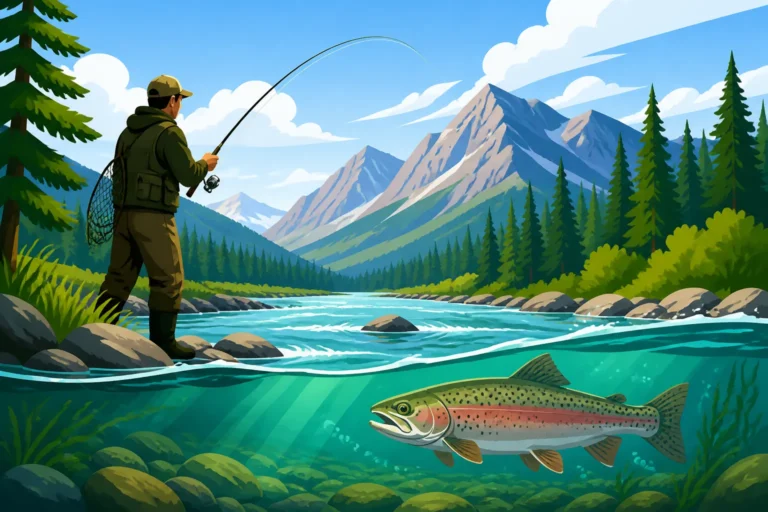
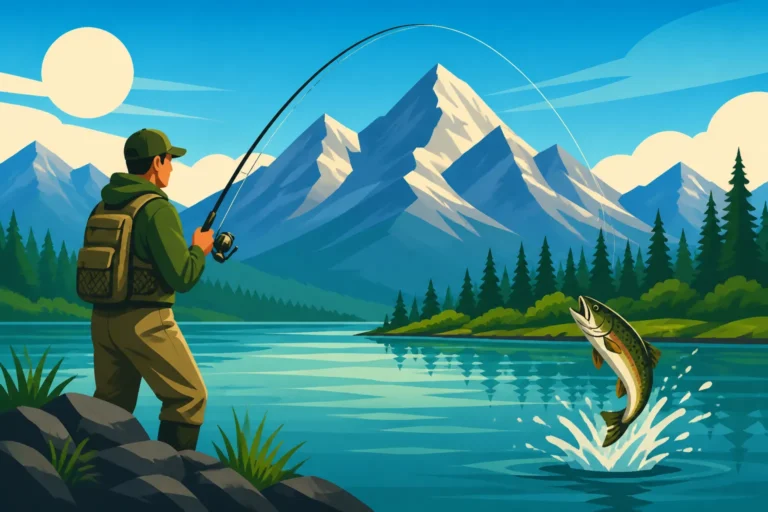
Cutthroat trout are true mountain gems, identifiable by the distinctive red or orange slash marks under their lower jaw. They thrive in the high-elevation, cold, clear streams and lakes. You'll often find them in pristine headwater streams, eager to rise to a well-presented dry fly. Their natural habitat is often smaller streams and feeder creeks, but they can also be found in larger rivers like the upper reaches of the Elbow or Sheep rivers. These fish are typically not large, often ranging from 8 to 14 inches, but their beauty and aggressive takes make them a joy to catch. They are incredibly sensitive to habitat disturbance, so practicing careful catch and release is paramount. If you're looking to target these stunning fish, understanding their preferred habitats in clear, cold streams is key. You can find more specific information on Cutthroat Trout in Alberta's Mountain Streams.
Bull Trout are Alberta's provincial fish, and they are magnificent, predatory fish that hold a special place in the hearts of many K-Country anglers. However, they are also a threatened species in Alberta, which means they have a zero possession limit throughout Kananaskis Country and most of their range. If you catch a bull trout, you must release it immediately and unharmed. These fish prefer very cold, clean water and are often found in larger, deeper pools of rivers and lakes, preying on smaller fish. They can grow quite large, sometimes exceeding 25 inches, and offer an incredible fight. Identifying them is important – they have a more blocky head, pale spots on a dark background, and lack the red lateral band of a rainbow. Due to their protected status, it's crucial to know How to Catch Bull Trout and Release Them Safely to ensure their survival. Catching a bull trout is a privilege and a testament to the health of the ecosystem.
Stocked Species for Family-Friendly Angling
While native trout provide a challenging and rewarding experience, Kananaskis also offers excellent opportunities for less experienced anglers or those looking for a more relaxed outing thanks to stocking programs. Several lakes and ponds in K-Country are regularly stocked with Rainbow Trout and sometimes Brook Trout. These stocked waters are often easily accessible and provide a fantastic option for families or beginners.
Rainbow trout are widely stocked across Alberta, and Kananaskis is no exception. They are robust, aggressive, and can be caught using a variety of methods, from bait fishing with worms or power bait to casting small spinners and flies. Lakes like Barrier Lake or Sibbald Lake (just outside the core Kananaskis area but a popular stocked spot) are great examples. These fish tend to be pan-sized, perfect for a shore lunch if regulations allow. Spring Trout Fishing Techniques for Alberta Streams can also be adapted to stocked lakes with great success, especially when the water is still cool.
Brook trout, recognizable by their distinctive vermiculated patterns on their backs and square tails, are less common in K-Country stocking programs compared to rainbows but can be found in some smaller lakes and ponds where they've been introduced. They are often eager biters and also make excellent table fare. These stocked fisheries provide a wonderful contrast to the wilder, native trout streams, offering a different kind of angling pleasure and a great entry point into the sport for many.
Identifying What You've Caught
Accurate fish identification is not just a point of pride; it's a critical part of ethical and legal angling in Kananaskis Country. With strict regulations, especially for protected species like bull trout, knowing what's on the end of your line is paramount before you decide to keep or release it. Misidentification can lead to fines and harm to vulnerable fish populations.
Before you head out, familiarize yourself with the common species in the area. Pay attention to key features: the presence or absence of a red "slash" on cutthroat, the spots on a bull trout versus a lake trout, and the distinct patterns of a brook trout. If you're unsure, the safest bet is always to release the fish unharmed. It's also a good idea to have a copy of the Alberta Guide to Sportfishing Regulations handy, as it includes detailed identification guides. Many anglers use fish identification apps on their phones, but remember that cell service can be spotty in K-Country. When in doubt, take a quick photo (while keeping the fish wet and handling it minimally) and release it. Every effort to correctly identify and responsibly handle fish contributes to the health of these precious mountain fisheries.
Top Fishing Spots and Access Points in Kananaskis
Kananaskis Country offers a diverse range of fishing locations, from large, easily accessible reservoirs to remote, hike-in alpine lakes and winding trout streams. Knowing where to go and how to get there is key to maximizing your time on the water.
Major Lakes and Reservoirs
For those who prefer lake fishing or want more accessible options, Kananaskis has several fantastic lakes and reservoirs.
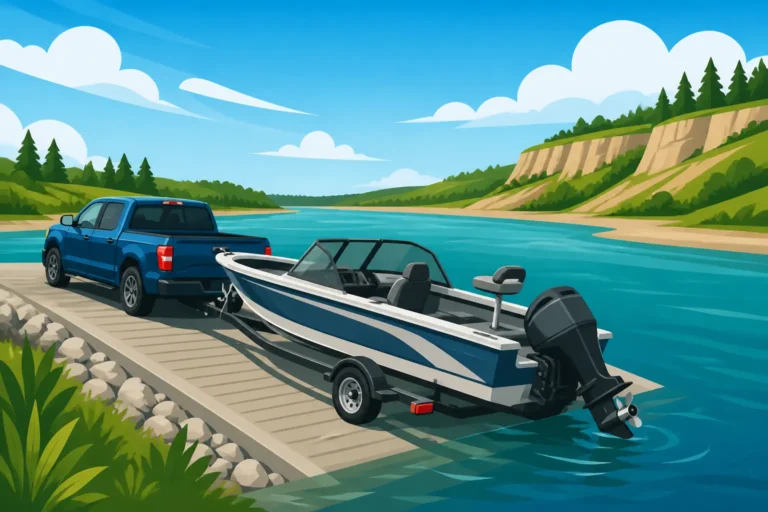
The Upper and Lower Kananaskis Lakes are probably the most well-known. These are large, scenic reservoirs that offer opportunities for Cutthroat Trout, Rainbow Trout, and sometimes Lake Trout. While popular, their size means you can often find solitude, especially if you have a boat. Shore fishing is possible in many areas, but a boat, canoe, or kayak can significantly expand your reach. You'll find public boat launches on both lakes. Anglers here often have success trolling with spoons or flies, or casting from shore with spinners or jigs. Remember that these lakes are part of the broader Kananaskis ecosystem, so check current regulations, as specific rules for bait and tackle might apply. Fishing in these larger bodies of water can be quite different from smaller streams, often requiring more patience and covering more water.
Barrier Lake is another popular spot, located right off Highway 40 near the Kananaskis Village turn-off. This lake is easily accessible, making it a great choice for families. It's regularly stocked with Rainbow Trout and offers good shore fishing access as well as a boat launch for smaller craft (electric motors only, no gas). It's a fantastic place for a relaxed day of fishing, often yielding pan-sized rainbows, perfect for beginners or those just looking to enjoy the scenery. Many people also enjoy kayaking on this lake.
These major lakes provide a great starting point, offering a mix of accessibility, diverse fishing opportunities, and stunning backdrops.
Productive Rivers and Streams
If the rhythmic cast of a fly rod in a mountain stream is more your style, Kananaskis Country has an abundance of options. The region is crisscrossed by numerous rivers and smaller creeks, many of which hold robust populations of trout.
The Elbow River and the Sheep River are two of the most popular and productive rivers within Kananaskis. Both are classic freestone trout streams, originating high in the mountains and flowing through scenic valleys. They are renowned for their Cutthroat Trout and, in some sections, Rainbow Trout. Bull Trout are also present in some areas, but remember the zero possession limit. These rivers typically require careful wading and precise presentations, especially when the water is clear. Fly fishing is a very popular method here, with anglers often targeting rising fish with dry flies or drifting nymphs through deeper runs. Spin fishing with small, single-barbless spinners can also be effective. Access points are scattered along their courses, often found near hiking trails or pull-offs from secondary roads like Highway 66 for the Sheep River. The regulations on these rivers are usually catch-and-release with single barbless hooks and bait bans, emphasizing conservation. Always check the current Alberta Fishing Regulations Explained before heading out, as rules can vary by specific section.
Beyond these major rivers, countless smaller, unnamed creeks flow throughout Kananaskis. These often require more adventurous exploration but can yield incredible experiences with eager cutthroat trout in an untouched setting. Just be sure to always verify access permissions, as some areas may be private or protected.
Lesser-Known Gems and Hike-In Opportunities
For the truly adventurous angler seeking solitude and pristine waters, Kananaskis Country holds many hidden treasures in its high-alpine regions. These are not for the faint of heart, often requiring significant hiking or even backpacking to reach, but the rewards can be unforgettable.
Lakes like Chester Lake, Rawson Lake, or numerous unnamed tarns nestled high in the Rockies are examples of these remote fisheries. They typically hold populations of smaller, incredibly vibrant Cutthroat Trout or sometimes Brook Trout that are often less pressured and eager to take a fly or small lure. The hike itself is part of the experience, offering breathtaking views and a profound sense of wilderness. To fish these spots, you'll need to pack light, be self-sufficient, and be prepared for rapidly changing mountain weather.
Access often involves hiking well-maintained but sometimes strenuous trails, like the one to Chester Lake, which begins off the Smith-Dorrien/Spray Lakes Road. These lakes are typically stocked less frequently, or rely on natural reproduction, making the fish encountered truly wild and hardy. Before embarking on such a trip, consult detailed trail maps, inform someone of your plans, and carry all necessary safety gear. While some guides may specialize in these trips, for truly off-the-beaten-path experiences, you might be planning it yourself, although a check on platforms like FishingBooker might reveal specialized guiding services for remote backcountry fishing. The sense of accomplishment and the untouched beauty of these locations make the effort worthwhile for many anglers.
Essential Gear and Techniques for Kananaskis Fishing
Fishing in Kananaskis Country demands a certain level of preparation and the right gear. The diverse environments, from fast-flowing rivers to deep mountain lakes, mean that a one-size-fits-all approach often falls short.
Rods, Reels, and Line Choices
Your choice of rod and reel will largely depend on the type of water you plan to fish and the species you're targeting.
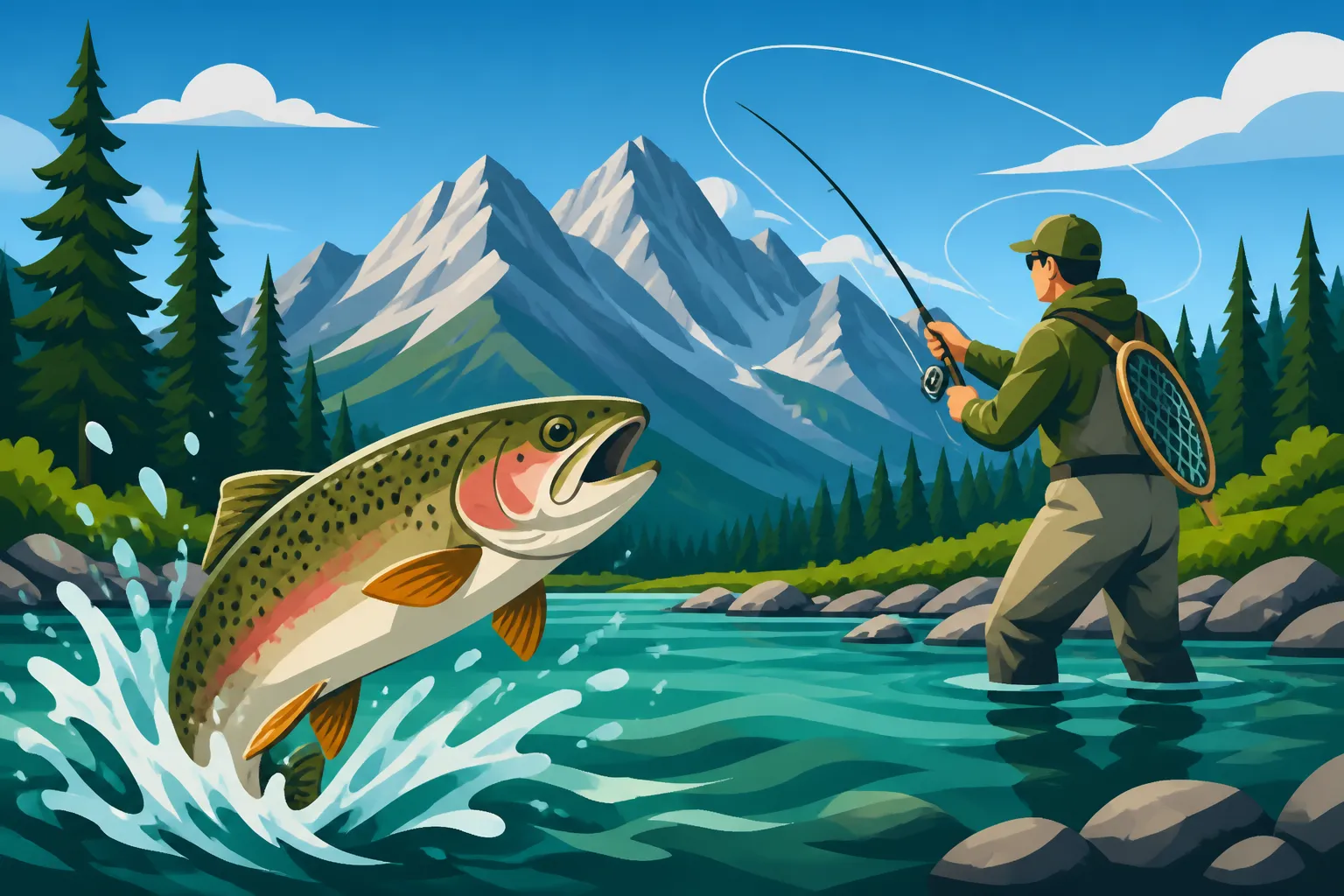
For the quintessential Kananaskis experience of stream fishing for trout, a light to medium-light spinning rod (6-7 feet) paired with a small spinning reel (size 1000-2000) is often ideal. Spool it with 4-6 lb monofilament or fluorocarbon line. This setup offers the sensitivity needed for smaller fish and the accuracy to cast light lures or bait into tight pockets. If you're a fly angler, a 3-5 weight fly rod (7.5-9 feet) is perfect for the majority of K-Country's trout streams. This allows for delicate presentations of dry flies and nymphs to wary trout. You can learn more about suitable setups in Best Rods for Alberta Rivers.
For the larger lakes and reservoirs, especially if you're targeting potentially bigger fish or doing some light trolling, a medium-action spinning rod (6.5-7.5 feet) with a 2500-3000 size reel spooled with 8-10 lb braided line (with a fluorocarbon leader) provides more backbone. This is suitable for casting heavier spoons, crankbaits, or bait rigs from shore or a boat. Braided line offers superior casting distance and sensitivity, which can be an advantage when fishing deeper or larger bodies of water. Always consider the local regulations for line type and leader material; some areas might have specific rules.
Lures, Flies, and Baits for Success
The effectiveness of your lures, flies, or baits hinges on understanding what the fish in Kananaskis are feeding on and what the regulations allow. Many K-Country waters have specific bait bans or single barbless hook requirements to protect sensitive trout populations. Always check the specific regulations for the waterbody you plan to fish.
For spin fishing, small spinners (e.g., Mepps, Panther Martin) in sizes #0 to #2 are incredibly effective for rainbow and cutthroat trout in both streams and lakes. Their flash and vibration mimic small baitfish or insects. Small spoons (e.g., Little Cleo, Five of Diamonds) also work well, especially for casting into deeper lake sections or when targeting more aggressive fish. In stocked lakes, power bait, worms, or corn can be highly effective, especially for rainbow trout, but ensure bait is permitted. Soft plastics rigged on jig heads can also entice strikes.
For fly fishing, your fly box should reflect the diverse insect life of mountain streams. Essential patterns include:
- Dry Flies: Elk Hair Caddis, Adams, Parachute Adams, Stimulator (in various sizes to imitate stoneflies, caddis, and mayflies).
- Nymphs: Prince Nymph, Hare's Ear, Pheasant Tail Nymph, Copper John. These imitate subsurface insects and are often fished under an indicator.
- Streamers: Woolly Bugger (black, olive, brown) to imitate baitfish or leeches, especially for larger trout.
Understanding the current hatches is key, so pay attention to insects flying around or floating on the water. Many local fly shops can provide up-to-date information on what's working best.
Wading Safety and Watercraft Considerations
Navigating Kananaskis Country's waters safely is just as important as having the right tackle. Mountain rivers can be notoriously cold, swift, and rocky, while lakes can experience sudden weather changes.
When wading, quality waders and wading boots are indispensable. Neoprene waders are excellent for cold water, providing insulation, while breathable waders are more comfortable for warmer days. Felt-soled boots offer superior grip on slick, algae-covered rocks, though rubber soles are often preferred for hiking to fishing spots. A sturdy wading staff is not optional; it's a critical safety tool, providing an extra point of contact and stability in strong currents or on uneven riverbeds. Always wade cautiously, testing the depth and footing with your staff before committing. Never wade alone in unfamiliar or fast-moving water. This is an area where investing in good gear, such as those mentioned in Best Waders for Alberta Trout Rivers, really pays off.
For watercraft, if you're venturing onto the larger lakes, a sturdy boat, canoe, or kayak is a great asset. However, be acutely aware of weather forecasts. Kananaskis lakes can get very windy very quickly, creating dangerous whitecaps. Always wear a life jacket, even if you're a strong swimmer. For lakes like Barrier Lake, which only allow electric motors, a canoe or kayak is perfect. If you’re considering a multi-day trip or want specific local insights for a guided experience, look up local outfitters or check FishingBooker for experienced guides in the region who can provide both safety and local knowledge. Always ensure your watercraft meets all Alberta boating regulations, including required safety equipment.
Navigating Regulations and Conservation in Kananaskis
Kananaskis Country is not just a fishing destination; it's a vital part of Alberta's natural heritage, home to sensitive ecosystems and threatened fish species. Because of this, fishing regulations here are often more stringent than in other parts of the province. Understanding and adhering to these rules isn't just about avoiding fines; it's about being a responsible steward of these precious resources.
Understanding Zone-Specific Rules and Limits
Alberta's fishing regulations are broken down by management zones, and Kananaskis Country primarily falls within Zone ES1 (Eastern Slopes 1) and parts of Zone ES2. Within these zones, specific waterbodies often have their own unique regulations, known as "Special Regulations." This means that what might be legal on one lake might be prohibited on a river just a few kilometers away.
It is absolutely crucial to consult the most current Alberta Guide to Sportfishing Regulations before every trip. This guide is updated annually and details everything from season dates and bag limits to bait restrictions and hook types (e.g., single barbless hooks only). For instance, many Kananaskis rivers enforce a "trout zero possession" or "catch and release only" rule for certain species, along with a "bait ban." This protects native populations, particularly Bull Trout, which are highly vulnerable. Similarly, bag and possession limits for species like Rainbow Trout or Cutthroat Trout can vary significantly from one lake or river to another. For a deep dive into how these rules are laid out, you should definitely check out Alberta Fishing Regulations Explained and familiarize yourself with Alberta Zone-Specific Season Dates, Explained. Always double-check the specific waterbody you intend to fish, as regulations for individual lakes and rivers can override general zone rules.
The Importance of Catch and Release
In Kananaskis Country, catch and release fishing isn't just a technique; it's a core principle of conservation, particularly for native and vulnerable species. With many waters designated as "catch and release only" or having zero possession limits for certain fish like Bull Trout, mastering proper handling techniques is essential.
When practicing catch and release, prioritize the fish's well-being.
- Minimize Fight Time: Bring the fish in as quickly as possible to reduce stress and exhaustion.
- Use Barbless Hooks: They allow for quick and easy removal, minimizing injury. You can pinch down the barb on any hook with pliers.
- Keep Fish in Water: Avoid removing the fish from the water entirely, especially for photographs. If you must, do so for only a few seconds.
- Wet Hands: Always wet your hands before touching a fish to protect its delicate slime coat, which is crucial for disease prevention.
- Support Fully: Support the fish horizontally, especially larger ones, to avoid damaging internal organs. Never hold a fish vertically by its jaw or tail.
- Use a Net: A rubberized, knotless landing net can cradle the fish safely and make hook removal easier. Best Landing Net for Trout provides some great options for safely handling these fish.
- Revive Gently: If the fish seems sluggish, hold it gently facing upstream in the current until it can swim away under its own power.
Adhering to these practices ensures that the fish you release have the best possible chance of survival, contributing to healthy and sustainable fisheries for years to come. This careful approach is fundamental to K-Country's fishing culture.
Protecting K-Country's Fragile Fisheries
Beyond specific regulations and catch and release practices, protecting Kananaskis Country's unique and often fragile fisheries requires a broader commitment to environmental stewardship. This means thinking about your impact beyond just the fish you catch.
One significant concern is the prevention of aquatic invasive species (AIS). Diseases and invasive organisms can easily be transferred between waterbodies on boats, waders, and fishing gear. Always Clean, Drain, Dry your boat and gear after every trip, especially when moving between different lakes or river systems. This simple protocol prevents the spread of harmful species like whirling disease or zebra mussels, which could devastate native fish populations.
Furthermore, minimizing your footprint extends to managing waste, staying on designated trails, and being aware of fire bans. The beauty of Kananaskis is its wildness, and keeping it that way depends on everyone who visits. If you're passionate about fishing here, consider getting involved with local conservation groups or supporting initiatives that aim to protect these pristine waters. The Alberta Bag and Possession Limits by Species are designed to help with this protection, so understanding them thoroughly is a must. Every angler has a role to play in ensuring these incredible fishing opportunities remain vibrant for generations.
Planning Your Kananaskis Fishing Adventure
A successful fishing trip to Kananaskis Country involves more than just knowing where to cast your line; it also requires careful planning to make the most of your time in this spectacular, yet sometimes challenging, environment.
When to Visit for Best Results
Choosing the right time to visit Kananaskis Country can dramatically impact your fishing success and overall experience. As we touched on earlier, seasons play a huge role.
- Spring (May – early June): This can be a mixed bag. Early spring sees ice-off on many lakes, offering some of the first open-water opportunities. However, river fishing can be challenging due to heavy snowmelt and high, murky water (runoff). This period might be best for stocked lakes or lower-elevation streams before peak runoff.
- Summer (Mid-June – August): Generally considered prime time. Rivers usually stabilize after runoff, insect hatches are prolific, and fish are actively feeding. Lakes are also very productive. This is when the weather is warmest and most stable, but it's also the busiest time for tourism, so expect more crowds at popular spots. Early mornings and late evenings can be excellent during the heat of summer.
- Fall (September – October): Many seasoned anglers consider fall to be the best time for trophy trout. The crowds thin out, the autumn colours (especially the golden larches) are stunning, and trout often go on a pre-winter feeding binge. Water levels are typically low and clear, making for challenging but rewarding sight fishing. However, weather can be unpredictable, with early snowfalls possible. Always dress in layers and be prepared for sudden temperature drops. You can explore Best Time of Year to Fish in Alberta for more general guidance, but always check specific Kananaskis conditions.
- Winter (November – April): This is ice fishing season on the lakes. With safe ice, Kananaskis lakes offer excellent hardwater opportunities for stocked trout and even some native species, where permitted. The scenery is breathtaking, and the solitude can be profound. Just be absolutely sure of ice safety before venturing out.
Ultimately, the "best" time depends on your target species and preferred fishing style, but aiming for late spring through fall will generally offer the most diverse opportunities.
Accommodation and Amenities
Kananaskis Country offers a range of accommodation options, from rustic campgrounds to luxurious resorts, allowing you to tailor your stay to your comfort level and budget.
For those who love the wilderness experience, there are numerous campgrounds scattered throughout K-Country, including popular spots like Bow Valley Campground, Boulton Creek Campground, or Interlakes Campground near the Upper and Lower Kananaskis Lakes. These often require reservations, especially during peak season, so book well in advance. Backcountry camping is also an option for serious multi-day fishing trips into remote areas, but requires permits and careful planning.
If you prefer more comfort, the Kananaskis Village area offers hotel accommodations like the Pomeroy Kananaskis Mountain Lodge, which provides a base with amenities like restaurants, spas, and easy access to trails and fishing spots. There are also smaller lodges and cabins scattered around the perimeter of Kananaskis Country.
For essential supplies, limited amenities are available in Kananaskis Village (e.g., small store, restaurants), but for a wider selection of groceries, tackle, and other essentials, you'll need to head to nearby towns like Canmore (just west of Kananaskis) or even Calgary. Always fuel up your vehicle before entering K-Country, as gas stations are scarce. Being prepared with food, water, and tackle purchased beforehand will ensure you don't waste precious fishing time driving out of the area for supplies.
Hiring a Guide or Outfitter
While Kananaskis Country is perfectly accessible for independent anglers, hiring a local guide or outfitter can dramatically enhance your fishing experience, especially if you're new to the area or targeting a specific species or technique.
Local guides possess invaluable knowledge of the water, fish behavior, and current conditions that can take years to acquire on your own. They know the subtle nuances of specific runs on the Elbow River, the best fly patterns for a particular hatch on the Sheep River, or the prime depths for lake trout on Upper Kananaskis Lake. A good guide will not only put you on fish but also teach you specific techniques for mountain fishing, help with fish identification, and ensure you adhere to all local regulations. This can be particularly beneficial for navigating the often-complex Alberta Fishing Regulations Explained.
Many outfitters in nearby towns like Canmore offer guided trips into Kananaskis Country, ranging from walk-and-wade fly fishing trips on the rivers to boat trips on the larger lakes. You can often find reputable guides through online platforms like FishingBooker, which connects anglers with local professionals. When choosing a guide, look for those with specific Kananaskis experience and a strong commitment to conservation and catch-and-release ethics. While a guided trip is an investment, the expertise and insights gained can be priceless, providing a memorable and successful fishing adventure in K-Country.
| Species | Primary Habitat | Typical Size | Best Techniques (K-Country) |
|---|---|---|---|
| Cutthroat Trout | High-alpine streams, clear mountain rivers | 8-14 inches | Fly fishing (dry flies, nymphs), small spinners |
| Bull Trout | Deep pools of cold rivers, large cold lakes | 15-25+ inches | Streamers, large spoons (Catch & Release Only) |
| Rainbow Trout | Stocked lakes, some mountain rivers | 10-18 inches (stocked) | Spinners, spoons, worms, PowerBait, flies |
| Brook Trout | Smaller stocked ponds, some high-alpine lakes | 8-12 inches | Small spinners, flies, worms |
| Lake Trout | Deep, cold sections of large lakes (e.g., Upper Kananaskis Lake) | 20-30+ inches | Trolling spoons/crankbaits, deep jigging |
Disclaimer
Please remember that fishing regulations in Alberta can change frequently. Always consult the official Alberta Guide to Sportfishing Regulations before heading out on any fishing trip. This guide is for informational purposes only and does not supersede provincial regulations. Be aware of weather conditions, practice safe outdoor habits, and adhere to all local wildlife advisories in Kananaskis Country.