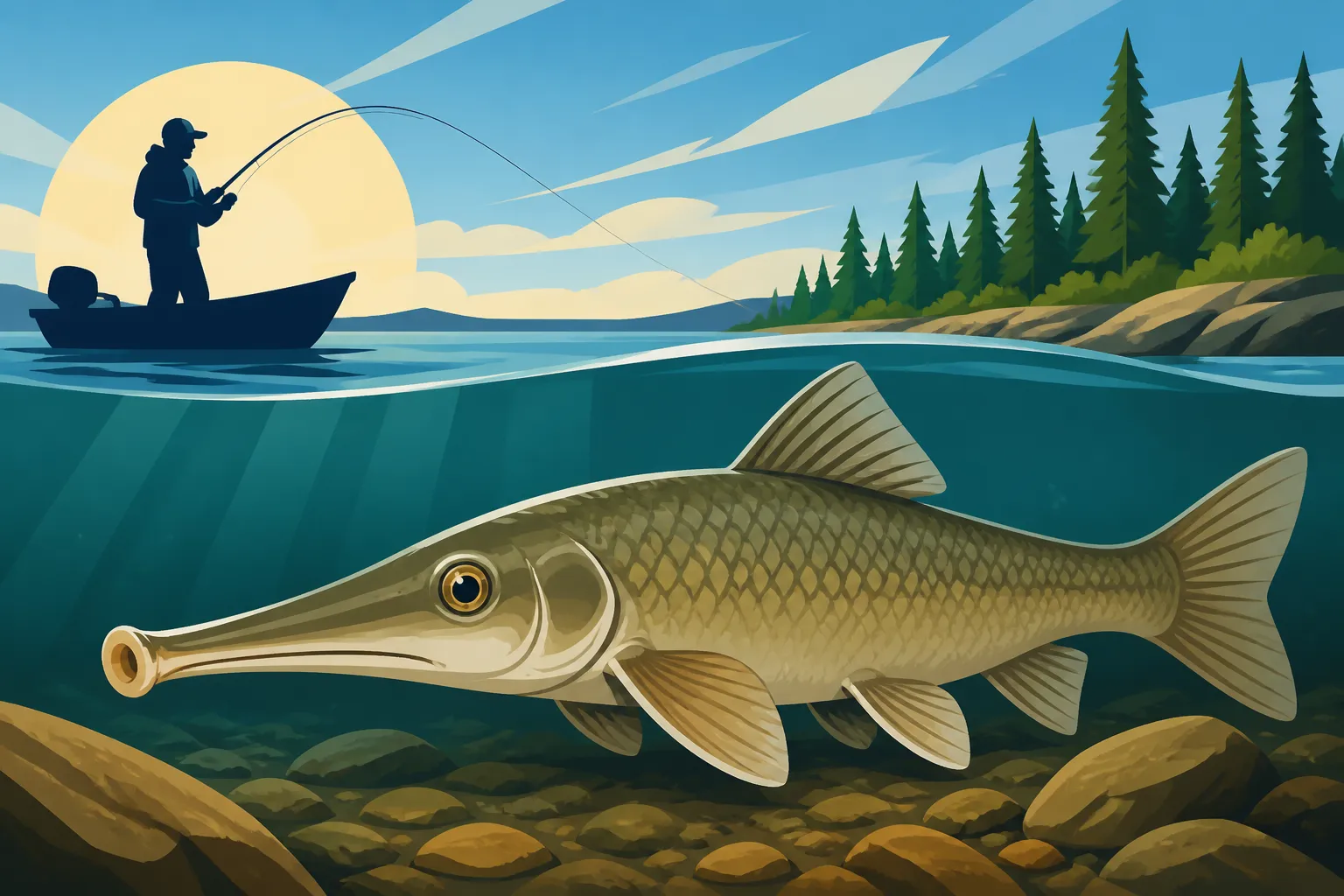
Longnose Sucker in Lake Athabasca
It’s easy to get caught up chasing the glory fish in Alberta's stunning waters – the trophy walleye, the leaping rainbow trout, or the mighty northern pike. But beneath the surface, especially in vast, ancient bodies of water like Lake Athabasca, lives a fish that, while not often celebrated by anglers, plays an absolutely vital role in the ecosystem: the longnose sucker. Often overlooked or even dismissed, understanding this resilient bottom-dweller offers a deeper appreciation for the complex web of life in our lakes and rivers, and this guide aims to pull back the curtain on its fascinating existence.
What Exactly is a Longnose Sucker?
When you’re out on the water, you might spot a longnose sucker and think, "Oh, it's just a sucker." And while that's technically true, these fish are far from "just" anything. They are incredibly specialized, hardy, and essential members of aquatic communities, particularly in the deep, cold waters they call home. They’re not as flashy as a shimmering trout, but they're built for survival and contribute significantly to the health of the very fisheries we love to explore.
Physical Characteristics and Identification
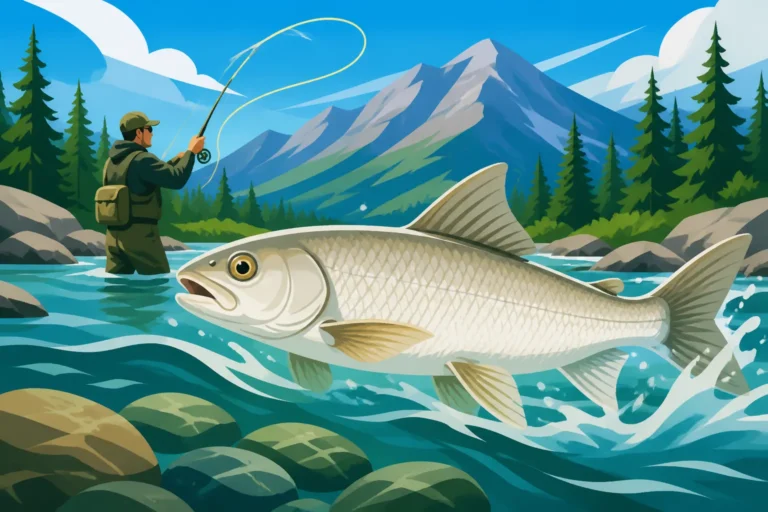
The longnose sucker ( Catostomus catostomus) has a distinctive look that, once you know what to spot, makes it quite identifiable. True to its name, one of its most prominent features is its snout. It’s a bit elongated and points downwards, extending beyond its mouth. This isn't just for looks; it’s a highly adapted tool. Their mouth itself is subterminal, meaning it's located on the underside of their head, designed perfectly for vacuuming up food from the lakebed. Think of it like a built-in, natural bottom-feeder.
Their body is generally slender and cylindrical, tapering towards the tail. They're typically a dark olive or dusky grey on their back, fading to a lighter, often yellowish or white belly. While specific coloration can vary based on their habitat and diet, this general pattern provides effective camouflage against the lake bottom. Their scales are relatively large, and their fins are usually dark. When you're out on the water, comparing them to other bottom dwellers like whitefish, you'll notice the distinct mouth and snout really stand out. You can sometimes find detailed fish identification guides on sites like Amazon if you want a portable reference for species identification.
Habitat Preferences and Behavior in Lake Athabasca
Lake Athabasca is a truly immense and ancient body of water, and it offers a perfect home for the longnose sucker. These fish are masters of the benthic zone – that’s the fancy scientific term for the bottom of the lake. They thrive in cool, clear waters, often preferring areas with gravel, rubble, or sandy substrates where they can easily forage. You won't typically find them darting through dense weed beds like a northern pike; instead, they’ll be systematically working the lakebed, searching for their next meal.
In Lake Athabasca, these suckers are often found in both the shallower, productive bays and the deeper, cooler sections. They're incredibly resilient and can adapt to a range of conditions, which is part of their success story. While often solitary foragers, during certain times of the year, particularly spawning, they can gather in large numbers. Observing them from a boat or through clear ice in winter, you might see them slowly cruising along, their mouths constantly working the substrate, a testament to their continuous search for food. They're like the quiet custodians of the lake bottom, constantly sifting and cleaning.
The Life Cycle of the Longnose Sucker
Every fish species has a fascinating life cycle, and the longnose sucker is no exception. From their annual migrations to their dietary habits, these fish demonstrate incredible adaptations that allow them to thrive in often challenging environments. Understanding their journey helps us appreciate their resilience and their critical role in the broader aquatic food web of places like Lake Athabasca.
Spawning Habits and Timing
One of the most remarkable aspects of the longnose sucker's life cycle is their annual spawning migration. Typically, as the ice recedes and spring waters warm, usually from late April through June, these fish begin to move. They often leave the main body of Lake Athabasca and ascend into tributary rivers and streams, seeking out shallow, gravelly riffles and rapids. These areas provide the oxygenated water and clean substrate necessary for their eggs to develop successfully. It's not uncommon to see large schools of them congregating in these areas during the spawn, creating quite a spectacle.
Unlike some fish that meticulously build nests, longnose suckers are often "broadcast spawners." The females release thousands of adhesive eggs over the gravel, which are then fertilized by the males. The eggs stick to the bottom, developing on their own without parental care. The sheer volume of eggs produced helps ensure the survival of the species, even though many will fall prey to other fish, birds, and insects. This mass spawning event is a critical moment, not just for the suckers but for the entire ecosystem, as it provides a concentrated food source for various predators.
Growth, Diet, and Longevity
Longnose suckers are not known for rapid growth, especially compared to some of the faster-growing game fish. They tend to grow relatively slowly, reaching maturity in several years, but they can live for quite a long time – some individuals have been recorded living well over a decade. This slow and steady growth contributes to their robustness and ability to withstand environmental fluctuations.
Their diet is precisely what you’d expect from a bottom-dwelling fish with a specialized mouth: benthic invertebrates. This includes insect larvae (like chironomids and mayfly nymphs), small crustaceans, and even detritus (decomposing organic matter) and algae. Essentially, they are the clean-up crew of the lakebed, consuming what many other fish ignore. This unique dietary niche means they don't directly compete for food with many popular sport fish, allowing for a healthy co-existence. Their contribution to the lake's overall health by recycling nutrients from the bottom is significant, though often unseen.
The Role of Longnose Suckers in the Lake Athabasca Ecosystem
It might not always be obvious, but every creature in an ecosystem has a job to do. For the longnose sucker in Lake Athabasca, their role is foundational. They are the unsung heroes, silently working to maintain balance and provide sustenance for the more glamorous species that often steal the spotlight. Understanding this role gives us a more holistic view of why conservation efforts extend to all fish, not just the "trophies."
Forage Base for Predator Species
Perhaps the most critical role the longnose sucker plays in Lake Athabasca is serving as a vital forage base for larger, predatory fish. Imagine a pyramid: the suckers are a crucial part of the wide base, providing a consistent and abundant food source that supports the higher tiers of the food chain. Northern Pike Fishing in Alberta and Lake Trout Fishing in Alberta are hugely popular activities in Lake Athabasca, and guess what fuels these powerful predators? Often, it's the humble longnose sucker.
Young suckers, and even mature ones, are a significant part of the diet for these larger fish, especially when they are abundant. During spawning migrations, when suckers gather in large numbers in shallow river stretches, they become easy targets for opportunistic predators. Without this steady supply of nutrient-rich food, the populations of trophy game fish would undoubtedly suffer. Their presence allows these bigger fish to grow large and healthy, providing the fantastic angling experiences many of us cherish. It's a classic example of an interdependent relationship where one species' abundance directly benefits another, proving that even seemingly less desirable fish are invaluable.
Ecosystem Indicators and Water Quality
Beyond being a food source, longnose suckers are also excellent indicators of environmental health. Because they spend their lives in close contact with the lakebed, feeding on organisms that live in the sediment, they are particularly sensitive to changes in water quality and habitat integrity. A healthy, thriving population of longnose suckers in Lake Athabasca generally suggests that the lake itself is in good ecological condition.
Conversely, a decline in sucker populations or signs of disease could signal underlying issues with pollution, habitat degradation, or other environmental stressors. Scientists and fisheries managers often monitor sucker populations as part of broader studies to assess the overall health of an aquatic system. They act like biological sentinels, providing valuable clues about the conditions of the water and sediment. So, while you might not think much of them, their very presence and well-being tell a story about the cleanliness and vitality of Lake Athabasca. This makes their contribution much more profound than just providing a meal for other fish; they are truly a barometer for the lake's health.
Angling for Longnose Sucker (and Why You Might Want To)
Most anglers, when heading out to Lake Athabasca, aren't specifically targeting longnose suckers. And that's okay! But there are some compelling reasons why you might want to spend a little time trying to catch them, or at least appreciate them when you do hook into one. They offer a unique angling experience, especially for those looking for consistent action or just wanting to understand another facet of the local fishery.
Tackle and Techniques
If you decide to try your hand at catching a longnose sucker, you'll be happy to know that specialized, expensive gear isn't required. In fact, simple, light tackle is often the most effective. A basic spinning rod and reel combo, spooled with light monofilament line, is more than sufficient. They're not particularly aggressive fighters like a pike, but they can put up a respectable pull, especially larger individuals. Best Fishing Rods for Alberta Rivers or Best Tackle Box Setup for Alberta Anglers might offer some good general advice if you're looking for basic gear.
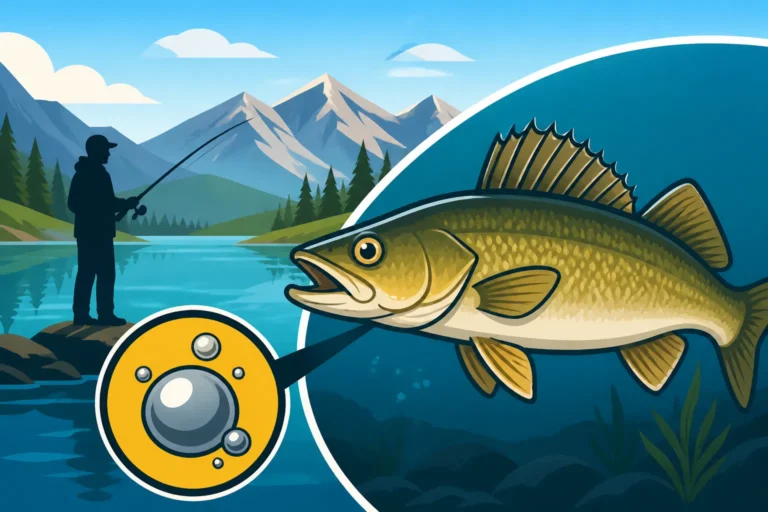
The key to catching suckers is understanding their feeding habits. Since they feed on the bottom, a simple bottom-fishing rig is ideal. This usually involves a small hook (size 6 or 8 works well), a sinker heavy enough to hold your bait on the bottom, and a swivel to prevent line twist. As for bait, they aren't picky. Common earthworms are exceptionally effective, as are corn, small pieces of hot dog, or even dough balls. Casting your bait out into areas with a clean, gravelly bottom and waiting patiently is often all it takes. They tend to mouth the bait subtly before taking it, so a sensitive rod tip can help you detect those gentle bites. It’s a great way to introduce beginners or kids to fishing, as the action can often be quite consistent, and you can pick up basic hooks and sinkers easily on Amazon or at any local tackle shop.
Culinary Considerations and Other Uses
Now, for the big question: are longnose suckers good to eat? This is where opinions often diverge! While they are certainly edible, they are notoriously bony. Their flesh is quite flaky and has a mild, somewhat sweet flavour, but those intramuscular bones can be a real deterrent for many. This is a common challenge with many members of the sucker family.
However, for those willing to put in a little extra effort, there are ways to enjoy them. Smoking suckers is a popular method, as the smoking process can soften the bones or make them less noticeable. Another approach is to grind the meat for patties, fish cakes, or even a fish spread, effectively pulverizing the bones into unnoticeable bits. Some cultures and traditional diets have long included suckers, recognizing their nutritional value. Beyond the dinner table, in some areas (always check local regulations, which you can find by checking the Alberta Fishing Regulations Explained), suckers are used as cut bait for larger predatory fish, though this practice is less common in Lake Athabasca itself due to their primary role as forage for live, active predators. Regardless of whether you plan to eat them, the experience of catching a different kind of fish is always rewarding.
Conservation and Management of Longnose Sucker
In the grand scheme of fisheries management, longnose suckers might not receive the same level of attention as economically important species like walleye or trout. However, their health and stability are crucial for the overall ecological balance of Lake Athabasca. Understanding their current status and how we interact with them responsibly contributes to a thriving aquatic environment for all species.
Current Status and Research in Lake Athabasca
Thankfully, in Lake Athabasca and many other large, healthy Alberta waters, the longnose sucker population is generally considered stable and robust. They are quite prolific and resilient, which contributes to their continued success. Unlike some of Alberta's more sensitive species, like bull trout, which have specific protection measures (Alberta Bull Trout Zero Possession Rule), suckers typically do not face the same conservation pressures. Their ability to adapt to varying conditions and their high reproductive rates mean they can often bounce back from localized disturbances.
Despite their apparent stability, ongoing research is still vital. Fisheries biologists often include suckers in broader studies to understand the dynamics of the entire fish community. This research helps us understand their population trends, their interactions with other fish species (both predator and prey), and how environmental changes might affect them in the long term. For instance, studies might look at how industrial development or changes in water flow in tributary rivers affect their spawning migrations. This continuous monitoring ensures that even the "lesser" known species are accounted for in the grand conservation plan, safeguarding the health of the entire ecosystem of Lake Athabasca.
Responsible Angling and Ecological Impact
When you accidentally catch a longnose sucker while targeting other species, or if you decide to target them intentionally, practicing responsible angling is always important. If you don't intend to keep the fish (and remember those bones!), ensuring a quick and safe release is paramount. Handle the fish gently, minimize its time out of the water, and use de-barbed hooks if possible. This practice helps ensure that the sucker can return to its role in the ecosystem, contributing to the food chain and the overall health of the lake.
Recognizing the ecological importance of every species, including the longnose sucker, is a key tenet of ethical angling. Every fish, from the smallest minnow to the largest lake trout, plays a part. So, the next time you reel in a longnose sucker from Lake Athabasca, take a moment to appreciate this unsung hero of the deep. It's a reminder that the best fishing experiences are not just about what you catch, but also about the incredible, intricate natural world you get to be a part of. You can find more information about how different fish species thrive in their specific habitats by looking into resources you might find on Amazon, or by checking out articles like What fish species thrive in cold tailwaters.
Here's a quick comparison of some characteristics between the Longnose Sucker and the more commonly recognized Lake Whitefish, both bottom dwellers in Lake Athabasca:
| Feature | Longnose Sucker | Lake Whitefish |
|---|---|---|
| Mouth Position | Subterminal (underside), often extends forward | Small, terminal (at the end of the snout) |
| Snout | Elongated, projecting beyond the mouth | Short, blunt, does not project beyond mouth |
| Body Shape | Cylindrical, relatively slender | Deeper-bodied, more compressed laterally |
| Diet | Benthic invertebrates, detritus, algae | Benthic invertebrates, zooplankton, insects |
| Typical Habitat | Cool, clear waters; gravel, rubble, sand bottom | Cool, clear deep waters, also pelagic zones sometimes |
| Angling Value | Primarily forage fish, incidental catch | Highly prized sport and commercial fish |
| Conservation Status | Generally stable, abundant | Generally stable, but subject to management |
Disclaimer
This article is for general informational purposes only and does not constitute professional advice. Laws, prices and regulations vary by location and change over time. Consult a qualified professional for guidance on your specific situation.