When rainbow trout spawn on the Bow River
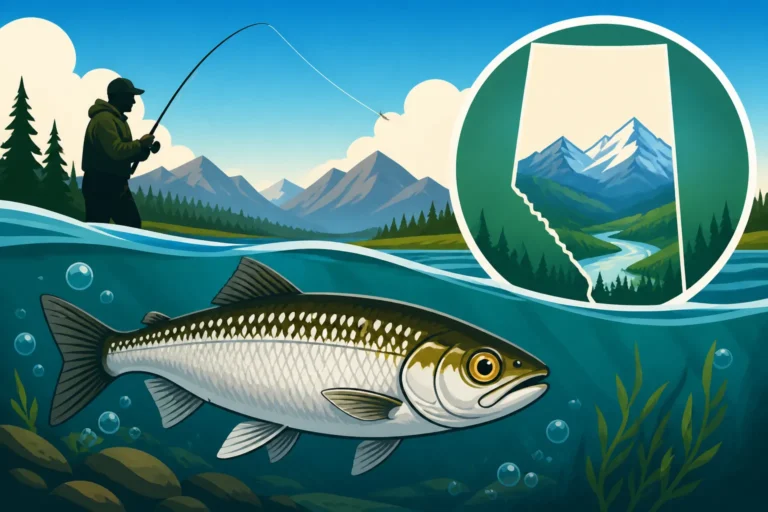
There's a certain magic that happens on Alberta's rivers, especially the iconic Bow, when the time comes for rainbow trout to fulfill their ancient calling: spawning. But understanding when exactly this happens, and what it means for anglers, can be a bit of a puzzle, often shrouded in a mix of excitement and uncertainty about how to best protect these magnificent fish. This guide is here to unravel that mystery, focusing specifically on the Bow River's renowned rainbow trout population, so you can appreciate this vital natural cycle and fish responsibly.
Understanding the Rainbow Trout Spawning Cycle on the Bow River
The spawning cycle of rainbow trout on the Bow River is a fascinating annual event, crucial for the health and continuation of its celebrated fishery. It's not a single, fixed date, but rather a window of time influenced by several environmental factors. As anglers, recognizing and respecting this period is fundamental to sustainable fishing.
The Critical Role of Water Temperature
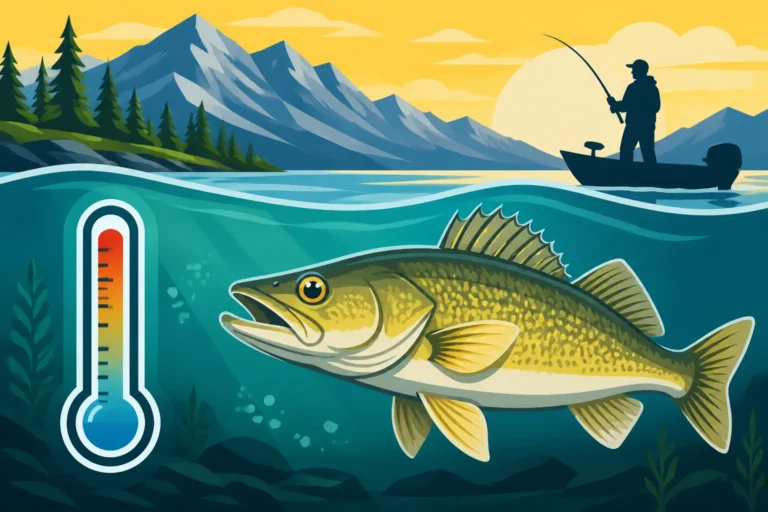
Water temperature is, without a doubt, the primary trigger for rainbow trout spawning. Unlike some species that spawn in the fall, Bow River rainbows are spring spawners. They're essentially waiting for the river to warm up to a specific, comfortable range that signals prime conditions for their eggs to develop and hatch successfully.
Typically, rainbow trout on the Bow begin their spawning activities when water temperatures consistently reach somewhere between 6 to 10 degrees Celsius (43 to 50 degrees Fahrenheit). Think of it like a natural alarm clock for the fish. When the ice melts and the spring runoff begins to subside, allowing the sun to warm the shallower waters, these temperatures start to stabilize, giving the trout the green light. A prolonged cold snap can delay it, just as an early, warm spring might bring it on a little sooner. This reliance on temperature is why you'll find seasoned anglers paying close attention to river conditions and weather forecasts in late winter and early spring.
Timing is Everything: When Spawning Kicks Off
Given the temperature dependency, the exact timing of rainbow trout spawning on the Bow River usually falls within a predictable, yet somewhat flexible, window. Generally speaking, you can expect the peak spawning activity to occur from late March through April, often extending into early May.
The earliest signs might be seen in the lower river sections where the water warms quicker, sometimes even in the latter half of March. However, the true "action" typically heats up in April. By mid-May, most of the active spawning will have subsided, and the fish will be in various stages of recovery. It's important to understand that this isn't a synchronized event where every fish spawns on the same day. Rather, it's a staggered process, with individual fish or small groups moving onto the redds (their gravel nests) over a period of weeks. Factors like the intensity of spring runoff and the snowpack in the mountains that feeds the river can also influence the exact week-to-week timing. For instance, a heavy, cold runoff can push things back, while a mild, consistent spring can keep it on schedule.
Where Rainbow Trout Spawn in the Bow River System
Understanding where these incredible fish choose to lay their eggs is just as important as knowing when they do it. It helps anglers appreciate the specific habitats that are vital for the trout's survival and encourages mindful fishing practices.
Preferred Spawning Grounds: Shallow Riffles and Side Channels
When it comes to real estate, Bow River rainbow trout are quite particular about their spawning sites. They seek out very specific conditions to ensure the best chance for their offspring to survive. Their ideal spawning grounds are typically found in shallow, gravelly riffles and along the edges of side channels where there's a good, consistent flow of well-oxygenated water.
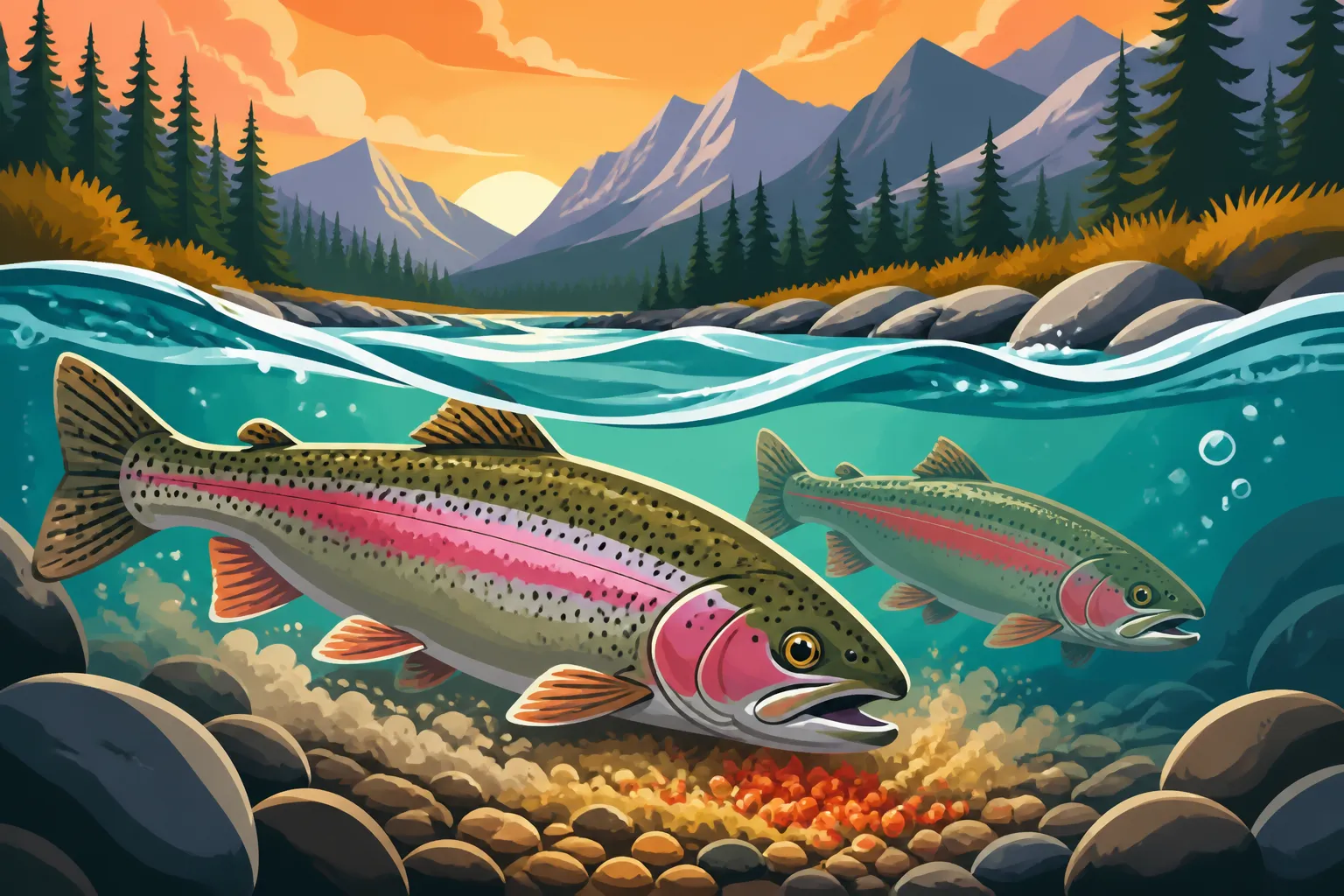
These areas are chosen for a few key reasons. First, the clean gravel offers a perfect substrate for the female trout to dig her redds – shallow, oval-shaped depressions where she deposits her eggs. The size of the gravel is critical; it needs to be small enough for her to move with her tail but large enough to create interstitial spaces for water flow and egg protection. Second, the steady flow of water over these riffles constantly oxygenates the eggs, which is vital for their development. Stagnant water would quickly suffocate them. Finally, the shallower water provides a degree of protection from larger predators, though it also makes the redds more vulnerable to disturbance from wading anglers or prop wash from boats. As an angler, spotting these areas usually means looking for lighter, disturbed patches of gravel in shallower water, often where the current picks up a bit.
The Importance of Redd Protection
Once a female rainbow trout has laid her eggs in a redd and the male has fertilized them, she will cover them with gravel. These nests, or redds, become the future of the fishery. Unfortunately, they are incredibly vulnerable to disturbance. The eggs within the gravel, and later the tiny fry (baby fish) that emerge, are completely defenseless.
Wading directly through these redds, even unknowingly, can crush hundreds or thousands of eggs. Propellers from boats passing too close or anchoring in these areas can also dislodge the gravel, exposing the eggs to predators or washing them away. It's a sobering thought to realize how much impact a single misplaced step or boat pass can have on an entire year class of fish. This is why conservation-minded anglers go to great lengths to identify and avoid redds. Many consider it a point of honour and responsibility to give spawning fish a wide berth. If you're on the river during this time, consider walking the banks more, or if wading, stick to deeper channels away from obvious gravel flats.
Angling Ethics and Regulations During Spawning Season
The beauty of spring fishing on the Bow River is undeniable, but it's also a time when anglers must be particularly mindful of their impact. Ethical practices and understanding the rules are paramount to ensuring the long-term health of this world-class fishery.
Avoiding Spawning Fish and Their Nests
It cannot be stressed enough: avoid targeting or disturbing spawning fish. When rainbow trout are on their redds, their focus is entirely on reproduction. They become territorial and aggressive, often striking at anything that comes too close, not out of hunger, but out of instinct to protect their nest. Catching a spawning fish, even unintentionally, can cause immense stress, potentially leading to them abandoning their redds or being too exhausted to complete the spawning process. Furthermore, handling fish in this critical state can injure them, compromise their slime coat, and make them susceptible to disease or predation.
If you spot a fish on a redd, give it space. Observe from a distance. If you're fishing a section of river and notice active spawning, it's best to move on to another area where fish are not actively reproducing. This might mean exploring new water or focusing on sections of the river that serve as holding or feeding lies, rather than spawning grounds. It's about putting the health of the fishery above your personal catch count for the day. You can often spot redds by looking for distinct, lighter patches of clean gravel on the riverbed, often surrounded by darker, algae-covered rocks. Using a good pair of polarized sunglasses, perhaps even a pair you picked up from Amazon, can really help you see into the water and identify these vital areas from a safe distance.
Reading the Alberta Guide to Sportfishing Regulations
While general ethical guidelines are always important, official regulations are legally binding. Alberta's fisheries are carefully managed, and the annual Alberta Fishing Regulations Explained guide is your absolute best friend. This guide will detail any specific closures, restrictions, or special regulations that might be in place for the Bow River, or particular sections of it, during the rainbow trout spawning period.
It's common for certain river sections or tributaries that are critical spawning areas to have "no fishing" periods or "fly fishing only" rules to minimize disturbance. Always make sure you have the most current version of the regulations, which is typically available online through MyWildAlberta or as a physical copy at licensed vendors. Ignorance of the rules is never an excuse. Before you head out in the spring, take the time to review the sections pertaining to the Bow River, particularly any special management zones. Understanding Alberta Zone-Specific Season Dates, Explained is crucial for all anglers.
Post-Spawn Recovery and Future Generations
After the strenuous act of spawning, rainbow trout enter a critical recovery phase. This period is just as important for the fish's survival and the future of the fishery as the spawning itself.
The "Spawned Out" Fish and Their Vulnerability
Once a female rainbow trout has successfully laid her eggs and a male has fertilized them, they are often referred to as "spawned out" fish. This term refers to their physical condition: they are typically very thin, depleted of energy, and often have a somewhat ragged appearance. Their bodies have poured all their resources into reproduction, leaving them in a weakened state.
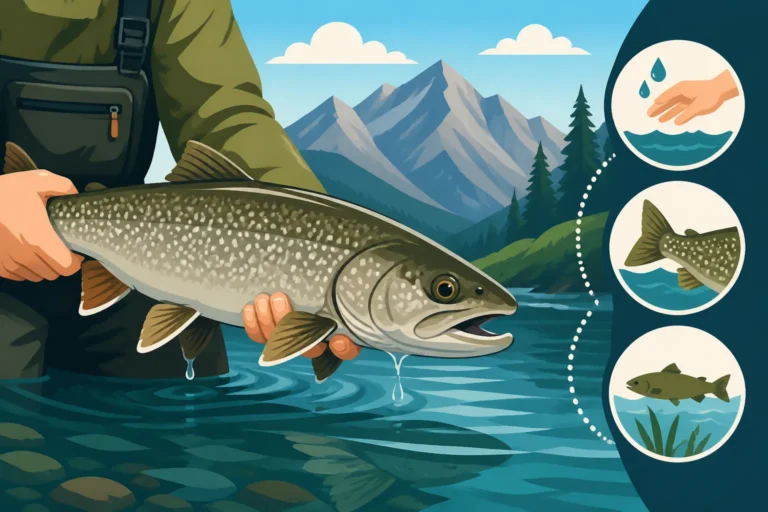
During this post-spawn period, these fish are incredibly vulnerable. They are exhausted, sometimes injured, and less capable of evading predators or fighting disease. While they might still be aggressive and strike at a fly or lure out of instinct or territoriality, catching and fighting them puts immense additional stress on their already fragile systems. If you do hook a "spawned out" fish, it's even more critical to handle it with the utmost care. Minimize fight time, keep the fish in the water as much as possible, use wet hands, and release it gently and quickly. Some anglers even choose to use barbless hooks, which can be easily crimped on most hooks using a pair of pliers, to make releases even smoother. Many experienced anglers keep a pair of long-nose pliers, readily available on Amazon, to facilitate quick, safe hook removal.
Protecting the Next Generation of Bow River Rainbows
The health of the Bow River's rainbow trout population relies not just on successful spawning, but on the survival of the eggs and fry that develop from these redds. Protecting these future generations goes beyond just avoiding redds; it encompasses broader environmental stewardship.
Habitat preservation is key. Clean water, stable riverbanks, and healthy aquatic insect populations all contribute to a robust ecosystem where young trout can thrive. Anglers can play a part by being mindful of litter, avoiding unnecessary disturbance to riverbanks, and supporting conservation efforts. Additionally, continuing to practice sustainable angling throughout the year ensures that a healthy population of mature fish is available to spawn in subsequent years. This includes adhering to Alberta Bag and Possession Limits by Species, practicing responsible catch-and-release, and generally leaving the river better than you found it. The future of the Bow River's incredible rainbow trout fishery rests on all of us understanding and respecting these natural cycles.
Summary of Rainbow Trout Spawning on the Bow River
To give you a quick overview of the key points, here's a summary of what to keep in mind regarding rainbow trout spawning on the Bow River:
| Factor | Description | Key Considerations for Anglers |
|---|---|---|
| Timing | Primarily late March through April, extending into early May. Exact dates vary with water temperature and river conditions. | Be aware of the general timeframe; observe river conditions closely. |
| Trigger | Consistent water temperatures of 6-10°C (43-50°F). | Cold snaps or early thaws can shift the schedule. |
| Location | Shallow, gravelly riffles and side channels with good oxygen flow. Look for lighter, disturbed gravel patches (redds). | Avoid wading or boating through redds. Use polarized sunglasses to spot them. |
| Fish Behavior | Spawning fish are focused on reproduction, territorial, and easily stressed. Post-spawn fish are exhausted and vulnerable. | Do not target or disturb spawning fish. Handle "spawned out" fish with extreme care, using barbless hooks for easier release. |
| Regulations | Consult the current Alberta Guide to Sportfishing Regulations for any specific closures or restrictions on the Bow River or its tributaries during this period. | Always know the rules for the section you are fishing. Alberta Fishing Regulations Explained provides detailed information. |
| Conservation | Protecting redds, maintaining water quality, and practicing responsible angling are crucial for future generations. | Be a steward of the river; respect the spawning process and the vulnerable state of the fish. Support Bull Trout: Alberta's Threatened Native Fish recovery efforts. |
Disclaimer
This article is for general informational purposes only and does not constitute professional advice. Laws, prices and regulations vary by location and change over time. Consult a qualified professional for guidance on your specific situation.