Common Carp in Alberta Waters
Common carp often get a bad rap in Alberta's fishing circles, sometimes seen as nothing more than an invasive nuisance rather than a challenging game fish. Many anglers might overlook them, preferring to chase trout or walleye, but if you've ever hooked into one, you know the fight they put up is something truly special. This comprehensive guide is here to shed some light on common carp in Alberta, covering their biology, habits, where to find them, and how to effectively fish for them, helping you see them in a new light.
Understanding Common Carp: Biology and Characteristics
Common carp (scientific name Cyprinus carpio) are a fascinating fish species with a long history, though not always a popular one in North America. In Alberta, they've established a strong presence in many of our warmer, nutrient-rich waters. While they might not boast the flashy colours of a rainbow trout or the aggressive strikes of a pike, their sheer power and adaptability make them a formidable opponent on the end of a fishing line. Understanding their basic biology is the first step to appreciating this often-misunderstood fish.
Physical Traits and Identification
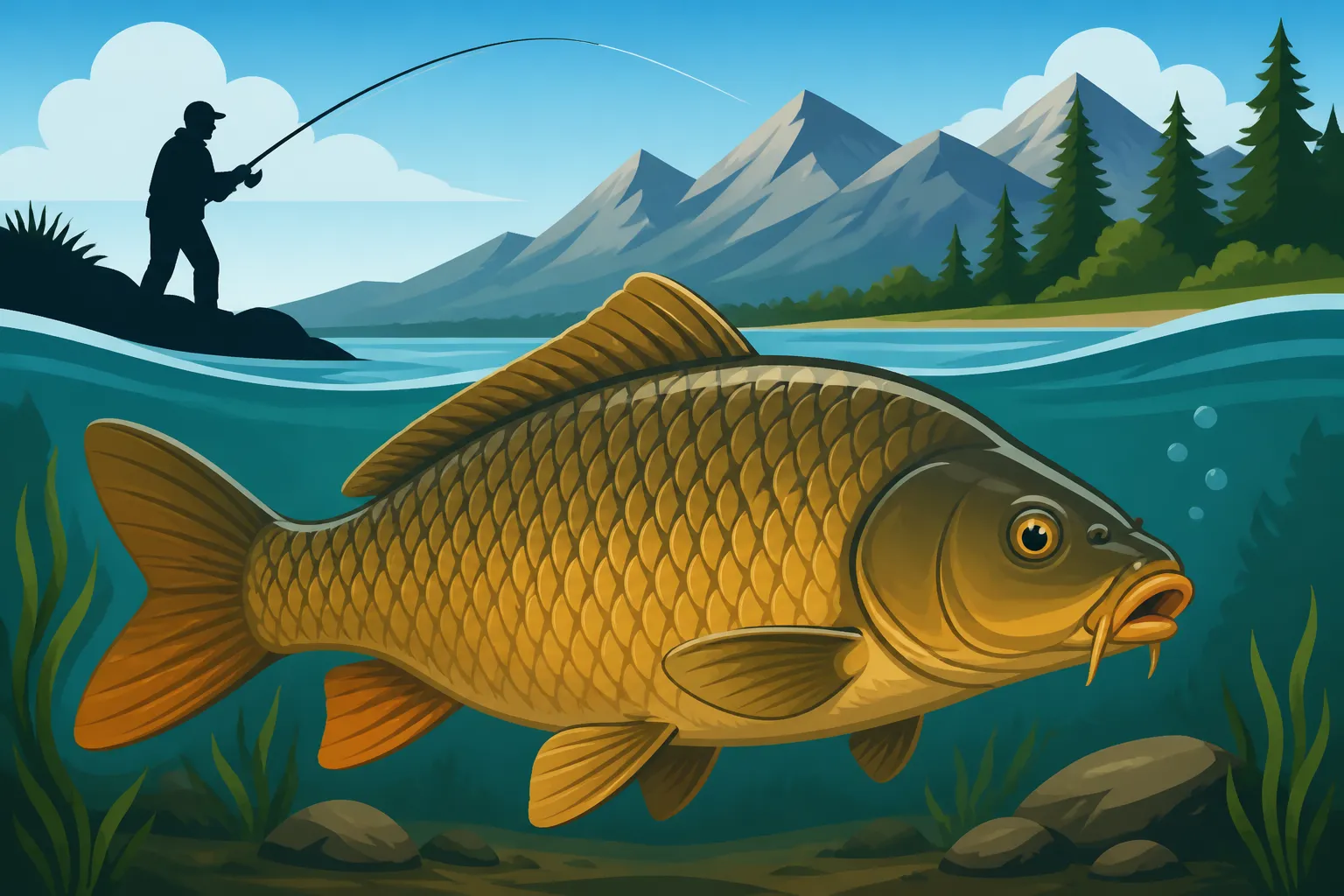
Common carp are easily identifiable once you know what to look for, though they can sometimes be confused with other bottom feeders like suckers. They typically have a deep, robust body that can appear golden-brown to olive on the back, fading to a yellowish-white belly. One of their most distinctive features is the presence of two pairs of barbels (whisker-like sensory organs) around their mouth, which they use to forage for food along the bottom. Their scales are large and prominent, often feeling quite rough to the touch.
Their dorsal fin is long and has a serrated, spiny ray at the front, a characteristic shared by other members of the carp family. While their appearance might not scream "trophy fish" to everyone, a large carp, especially a mirror carp variety with fewer, larger scales, can be quite stunning. The average size of carp in Alberta can vary dramatically depending on the body of water and food availability, but many reach lengths of 2-3 feet and weights into the double digits. Occasionally, much larger specimens are caught, offering a truly memorable fight.
Life Cycle and Growth in Alberta Waters
The life cycle of common carp in Alberta waters is quite robust, contributing to their widespread success. Spawning typically occurs in late spring or early summer when water temperatures reach suitable levels, often in shallow, heavily vegetated areas. Unlike some other fish species that require specific substrates or flowing water, carp are broadcast spawners, scattering their adhesive eggs over aquatic vegetation. This adaptability means they can reproduce successfully in a wide range of habitats.
Once hatched, the young carp grow relatively quickly, feeding on plankton and small invertebrates. Their growth rate is heavily influenced by factors like water temperature, food availability, and population density. In nutrient-rich environments, they can grow quite large within a few years. This rapid growth and high reproductive potential are key reasons why carp populations can become so dominant in certain systems, sometimes outcompeting native species for resources. It’s important for anglers to be aware of Alberta fishing regulations explained for all species, as understanding the life cycle of fish like carp helps grasp their impact.
Dietary Habits and Preferred Environments
Common carp are omnivorous bottom feeders, which is a major factor in their success. Their diet is incredibly varied, consisting of aquatic insects, larvae, crustaceans, worms, small mollusks, and even plant matter like algae and detritus. They use their protrusible, toothless mouths to suck up mud and gravel, filtering out edible items, a behaviour that can sometimes stir up sediments and affect water clarity.
They thrive in warm, shallow, and often turbid waters with soft bottoms and abundant aquatic vegetation. This makes many of Alberta's prairie lakes, reservoirs, and slower-moving river sections ideal habitats. You won't typically find them in the cold, fast-flowing mountain streams that are home to our native trout species. Their tolerance for lower oxygen levels and higher water temperatures than many other game fish allows them to flourish in conditions that might be less hospitable to other species, showcasing their incredible resilience.
Where to Find Common Carp in Alberta
One of the great things about common carp for the recreational angler is that they are often accessible, found in many locations closer to urban centres than some of Alberta's more remote fishing opportunities. You don't always need a fancy boat or specialized equipment to target them; sometimes, a quiet afternoon on a riverbank is all it takes. Knowing their preferred haunts is key to success.
Prairie Lakes and Reservoirs
Alberta's vast stretches of prairie are dotted with numerous lakes and reservoirs that provide perfect habitat for common carp. These bodies of water often have warmer temperatures, shallower depths, and fertile bottoms, creating an abundant food supply for carp. Lakes like those in the south-central regions, where the water warms up nicely in summer, are prime carp territory. These lakes can hold truly massive carp, offering incredible battles.
When targeting carp in these lakes, look for areas with extensive weed beds, muddy or silty bottoms, and shallower flats that warm up quickly. Bays and inlets that are sheltered from strong winds often hold large schools of feeding carp. Areas where agricultural runoff might occur, increasing nutrient levels, can also be productive. Carp are quite sensitive to changes in water temperature and pressure, so understanding their movements in these larger bodies of water can make a huge difference. Anglers seeking similar accessible experiences might also be interested in Best shore fishing spots in Alberta.
Slower Moving Rivers and Backwaters
Rivers that meander through Alberta's plains, especially those with slower currents and numerous backwaters, are also fantastic places to find common carp. The Bow River below Calgary, for instance, holds significant carp populations, particularly in its slower sections and oxbows. The Red Deer River and the North Saskatchewan River also have stretches that are highly productive. These river systems provide a continuous flow of nutrients and often have soft, silty areas where carp can forage without expending too much energy fighting a strong current.
Look for eddies, undercut banks, brush piles, and areas where the current slows down considerably. Confluence points where smaller creeks enter a larger river can also be hotspots, as they often deposit food and create subtle current breaks. Backwater ponds and sloughs that are connected to larger river systems during high water periods can also be phenomenal, though these often require a bit more exploration to find. These river systems also offer great opportunities for other species, so make sure to check Alberta fishing license age requirements and other regulations before heading out.
Seasonal Movements and Habitat Preferences
Common carp, like many fish, exhibit seasonal movements based on water temperature, food availability, and spawning cycles. In the spring, as waters begin to warm, carp will move into shallower areas, especially those with dark bottoms that absorb the sun's heat. This is often the time when they become most visible, sometimes even thrashing in the shallows during spawning.
During the hot summer months, they might move to slightly deeper areas during the day to find cooler water, returning to the shallows to feed during dawn, dusk, or even throughout the night. As fall approaches and water temperatures drop, carp will start to gather in deeper holes and channels, preparing for winter. During winter, they become much less active, often congregating in deep, sheltered areas, though ice fishing for them is possible, albeit more challenging, but some anglers find this a unique pursuit. This contrasts with species like walleye, which also have distinct seasonal movements, often detailed in resources like Where to Find Walleye in Alberta.
Fishing for Common Carp: Techniques and Tackle
Fishing for common carp is an incredibly rewarding experience, mainly due to their powerful runs and dogged fights. It's not uncommon for a decent-sized carp to peel line off your reel with an authority that rivals much larger, more lauded game fish. Because they are often overlooked, targeting carp can also offer a great opportunity for solitude on the water. However, it does require a bit of a different approach compared to traditional trout or pike fishing.
Essential Gear for Carp Angling
When it comes to tackle for carp, don't skimp on quality, especially your rod and reel. A medium-heavy to heavy spinning or baitcasting rod, typically 7-10 feet in length, with a good backbone is ideal for handling their power. Pair this with a robust reel spooled with 10-20 lb monofilament or braided line. The longer rod helps with casting distance and absorbing those powerful lunges. You'll find a wide array of suitable rods and reels on Amazon, often with reviews from other carp anglers.
Many dedicated carp anglers opt for bite alarms and rod pods, especially when fishing multiple rods from shore. Bite alarms are electronic devices that signal when a fish takes your bait, allowing you to relax a bit while waiting. A rod pod keeps your rods secure and pointed in the right direction. Don't forget a sturdy landing net, preferably one with a fine mesh to protect the fish if you plan on releasing it. A good unhooking mat is also highly recommended for responsible catch and release, particularly for larger fish. For those looking into Best Fishing Rods for Alberta Rivers, many of the heavier options would cross over well for carp.
Popular Baits and Rigging Strategies
Carp are opportunistic feeders, but they do have their preferences. When it comes to bait, the classics often work best. Corn, especially sweet corn, is a universal carp attractor. Boiled potatoes, bread dough (often flavoured with extracts like vanilla or strawberry), and various boilies (hardened, flavoured dough balls) are also extremely effective. For a more natural approach, worms or leeches can also tempt a bite. Some anglers even use dog food pellets, softened and molded around a hook, or specialized carp baits available at many tackle shops and online, including on Amazon.
Rigging for carp often involves a "hair rig," where the bait is tied to a small strand of line (the "hair") extending from the hook bend, leaving the hook itself exposed. This allows the carp to suck the bait into its mouth without feeling the hook, which then sets in their lip when they try to spit it out. A simple ledger rig with a weight on the bottom and a short leader to your bait is also effective. You'll want to use strong, sharp hooks, typically size 6 to 2/0, depending on your bait. For a comparison, consider how different the rigs are from those used when learning How to fish a crawler harness for walleye.
Here's a quick look at some popular carp baits and their characteristics:
| Bait Type | Description | Pros | Cons |
|---|---|---|---|
| Sweet Corn | Canned or frozen corn, often dyed for visibility. | Inexpensive, readily available, highly attractive. | Can be picked off by smaller fish; less durable. |
| Bread Dough | Simple mix of bread and water, sometimes with flavourings. | Very accessible, customizable, good scent trail. | Can be messy, washes off easily, attracts nuisance species. |
| Boilies | Hardened, flavoured bait balls in various sizes. | Durable, selective for larger carp, wide range of flavours. | Can be expensive, may not be available everywhere, not instant. |
| Worms/Leeches | Natural live bait. | Excellent natural appeal, effective when carp are finicky. | Can be expensive, less selective, may attract other species. |
| Dog Food Pellets | Soaked and molded pellets. | Inexpensive, readily available, carp love them. | Can be messy, needs preparation, less durable. |
Stealth and Presentation Tips
Carp are surprisingly wary, especially in clear water or areas with heavy fishing pressure. Your approach can make or break your day. Move slowly and quietly along the bank, avoiding sudden movements or loud noises. Carp have excellent senses, including a lateral line that detects vibrations, so stomping around will send them scattering.
Casting presentation is also crucial. Try to cast gently and accurately to your chosen spot, avoiding a big splash that could spook fish. Once your bait is out, be patient. Carp fishing is often a waiting game. Set your rod in a holder, engage your bite alarm, and wait for that telltale scream of the drag. Chumming a small area with a handful of corn or softened pellets before you cast can draw fish in and get them feeding confidently, but always check local regulations on baiting. For similar attention to detail with presentation, even for different species, anglers often study Best techniques for panfish in Alberta.
Carp as a Food Fish and Management in Alberta
The perception of common carp as a food fish varies widely across cultures. In many parts of the world, carp are a highly prized culinary item, while in North America, they often face a stigma. Understanding their culinary potential and how they are managed in Alberta can help demystify this species further.
Culinary Aspects and Preparation
So, the big question: Is Walleye Good to Eat? and more to the point, are carp good to eat from Alberta waters? The answer is a resounding "yes," for many people, though it comes with some caveats. Carp from clean, cold water generally have a better flavour profile than those from warm, muddy environments. They do have a stronger, somewhat "earthy" flavour compared to, say, a delicate trout, but this can be managed with proper preparation.
The key to preparing carp is often in the cleaning and cooking. They are a bony fish, which can be off-putting for some, but filleting them carefully and scoring the fillets can help to minimize this issue. Many recipes involve smoking, baking, or frying carp, often with strong seasonings to complement their flavour. Some cultures even prepare carp roe. While they might not be on every Albertan's dinner plate, don't dismiss the culinary potential of a well-prepared carp. Always be mindful of Mercury advisory fish species in Alberta waters and check current consumption guidelines for specific bodies of water.
Current Management and Conservation Status
In Alberta, common carp are generally classified as a non-native, introduced species, and as such, there are typically no possession limits or specific seasons for them. This means anglers can usually keep all the carp they catch, though ethical harvesting practices are still encouraged. This contrasts sharply with native species like bull trout, which have Alberta Bull Trout Zero Possession Rule due to their threatened status.
Because they are prolific and can thrive in diverse conditions, the focus of management for carp is often on controlling their populations where they might negatively impact native fish or aquatic habitats. While they are a sport fish for a dedicated community of anglers, they aren't actively stocked or managed for conservation in the same way as native species like trout or walleye. This makes them a unique category in Alberta's diverse fisheries, offering a catch-and-keep opportunity that is less regulated than for many other species.
Addressing Misconceptions and Their Role in the Ecosystem
Carp often bear the brunt of some common misconceptions, largely due to their introduced status and perceived impact on native species. However, it's important to look beyond these surface-level assumptions to understand their actual ecological role and their value as a sport fish.
The "Rough Fish" Stigma and Ecological Impact
For a long time, and even today, common carp are often labelled as "rough fish" or "trash fish." This stigma stems partly from their bottom-feeding habits, which can stir up sediment and potentially impact water clarity and aquatic vegetation. In some ecosystems, particularly those with fragile native species or where carp populations are exceptionally dense, they can indeed have a detrimental impact on water quality and habitat. However, the extent of this impact is often debated and varies greatly depending on the specific body of water and its existing ecological balance.
It's also worth noting that many environmental changes attributed solely to carp might be exacerbated by other factors like agricultural runoff, nutrient loading, and habitat alteration. Blaming a single species for complex ecological issues often oversimplifies the situation. While carp can be a factor, they are rarely the sole cause of habitat degradation. Understanding these nuances is crucial to developing balanced perspectives on their presence in our waters.
Carp as a Sport Fish
Despite the "rough fish" label, the carp has a passionate following among sport anglers, both in Alberta and globally. European anglers, in particular, hold carp in high esteem, often treating them with the same reverence as North American anglers treat trophy bass or salmon. The sheer fighting power of a large carp is undeniable. When hooked, they perform long, powerful runs, often heading for cover, and refuse to give up, making them a true test of an angler's skill and tackle.
For many, carp fishing is about the challenge, the strategy, and the connection to nature. It's also an accessible sport, often available in waters close to home where other prime game fish might be scarce. The peaceful act of sitting by the water, waiting for a bite, and then engaging in an intense battle with a powerful fish offers a unique and satisfying experience. The pursuit of a truly giant carp, which can exceed the Alberta record walleye weight in some instances, is a goal for many dedicated anglers. So, if you're looking for a new fishing adventure that promises a strong fight, consider giving common carp a try – you might just find a new favourite quarry.
Disclaimer
This article is for general informational purposes only and does not constitute professional advice. Laws, prices and regulations vary by location and change over time. Consult a qualified professional for guidance on your specific situation.