Mercury advisory fish species in Alberta waters
It can be really frustrating when you're out on the water, you've landed a beautiful catch, and then a little voice in the back of your head pipes up with concerns about what's actually safe to eat. We all want to enjoy the fruits of our labour, but the topic of mercury in fish can feel like a confusing minefield. This guide is here to cut through the confusion and help you understand mercury advisories in Alberta waters so you can confidently decide what to keep for the dinner table.
Understanding Mercury in Fish and Why It Matters for Anglers
Let's face it, the idea of mercury in our fish can be a bit unsettling. As anglers, we spend countless hours chasing that perfect bite, dreaming of fresh fillets, and the last thing we want is to accidentally expose ourselves or our families to something harmful. It’s important to understand what mercury is, how it gets into the fish we catch, and why it becomes a concern, especially in certain species and locations.
What is Mercury and How Does it Get into Fish?
Mercury is a naturally occurring element, but human activities like industrial emissions, mining, and burning fossil fuels have significantly increased its presence in our environment. When mercury enters aquatic systems, typically through rainfall or runoff, it undergoes a transformation. Microorganisms in the water convert inorganic mercury into a highly toxic form called methylmercury. This is the real troublemaker.
Once methylmercury is formed, it easily enters the food web. Tiny organisms absorb it, then small fish eat those organisms, and larger fish eat the smaller fish. This process is called biomagnification, and it means that as you go up the food chain, the concentration of methylmercury in an animal's tissues increases. So, a walleye eating smaller minnows will accumulate more mercury than the minnows themselves. This isn't just an Alberta issue; it's a worldwide phenomenon, and it's why understanding the specific context of our local waters is so important.
Why Are Some Fish Species More Affected?
You might wonder why some fish get flagged more often than others when it comes to mercury. It really boils down to two main factors: diet and lifespan. Fish that are higher up the food chain, meaning they eat other fish, tend to accumulate more methylmercury. Think of predatory species like pike and walleye – they're constantly consuming smaller fish, effectively concentrating the mercury from those meals into their own bodies.
Secondly, older, larger fish have had more time to accumulate mercury. Just like us, as they age, anything they absorb stays with them. A trophy-sized Northern Pike Fishing in Alberta or a mature Lake Trout Fishing in Alberta has simply had more years of feeding and growing, leading to higher mercury levels than a younger, smaller individual of the same species. This is why advisories often include recommendations based on the size of the fish and not just the species itself. It's a cumulative effect, and it's why provincial health authorities issue specific guidelines rather than a blanket "don't eat any fish" statement.
Identifying Fish Species Under Mercury Advisories in Alberta
Navigating fish consumption advisories can feel a bit like deciphering a secret code if you don't know where to look or what to look for. The good news is that Alberta Environment and Protected Areas (AEPA) and Alberta Health are transparent about these guidelines, specifically listing lakes and rivers where elevated mercury levels in certain fish species warrant caution. It's not about scaring anyone away from fishing, but rather empowering us to make informed choices for our health.
Key Species to Be Aware Of
In Alberta, the species most frequently found to have mercury advisories are typically those apex predators that live longer and consume many smaller fish. These often include:
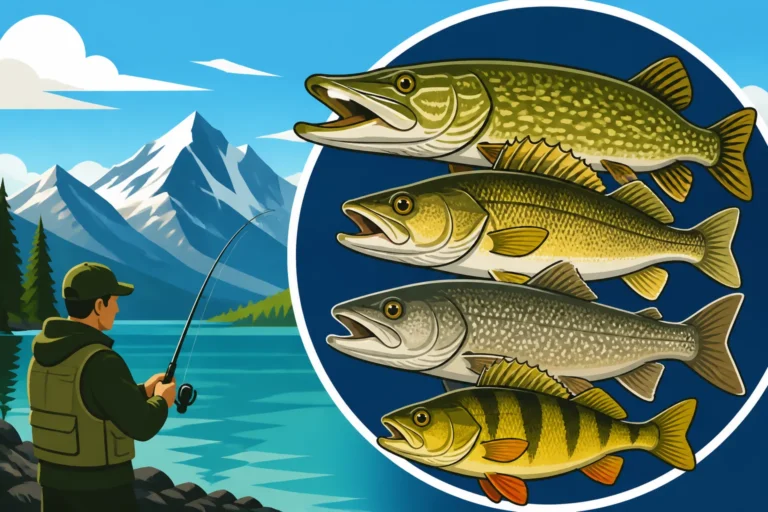
- Walleye: A highly sought-after sport fish, Walleye Fishing in Alberta is popular across the province. Due to their predatory nature and common sizes, walleye frequently appear on advisory lists for certain lakes.
- Northern Pike: Known for their aggressive feeding habits and impressive size, Northern Pike Fishing in Alberta are another common species for mercury advisories, particularly the larger individuals.
- Lake Trout: These long-lived, deep-water predators are a prime target in many of Alberta's cold, clear lakes. Given their longevity and position at the top of the aquatic food chain, Lake Trout Fishing in Alberta can accumulate significant mercury over their lifespan.
- Burbot: Often found in the same waters as walleye and pike, Burbot Fishing in Alberta are also predatory bottom dwellers that can accumulate mercury.
It's crucial to remember that advisories are often lake-specific and size-specific. A walleye from one lake might have a different advisory than a walleye of the same size from another. Always check the specific body of water you're fishing.
How Advisories are Determined and Communicated
Alberta's fish consumption advisories are not just pulled out of thin air. They are the result of rigorous scientific monitoring programs. Government biologists collect fish samples from various lakes and rivers across the province. These samples are then tested in laboratories for mercury content. The results are compared against health guidelines to determine safe consumption limits for different demographics, like children, pregnant women, and the general adult population.
These advisories are usually communicated through the annual Reading the Alberta Guide to Sportfishing Regulations, which every angler should have a copy of (or access to digitally). This guide will typically have a dedicated section listing waters and species with consumption advisories. Additionally, the Alberta Environment and Protected Areas website and the Alberta Health Services website are excellent resources. You can also sometimes find signs posted at popular boat launches or access points for affected lakes, but it's always best to check the official guide or app, like the Alberta fishing regulations app and zone lookup, explained, before you head out. These advisories are in place to protect you and your family, so taking a few minutes to review them is always time well spent.
Practical Advice for Consuming Fish from Alberta Waters
So, you've gone fishing, had a fantastic day, and now you have some beautiful fish. The good news is that you can almost certainly still enjoy your catch! Understanding the mercury advisories isn't about avoiding fish entirely; it's about making smart choices about which fish, how much, and how often you consume them. It's about moderation and informed decision-making, allowing you to savour your fresh catch without undue worry.
Safe Consumption Guidelines
The core of safe fish consumption from advisory waters lies in following the guidelines, which typically provide weekly or monthly serving recommendations based on fish species, size, and the consumer's demographic. For instance, a general adult might be advised to eat a certain amount of larger pike per month, while children or pregnant women might have stricter limits or be advised to avoid certain species altogether. These guidelines are carefully calculated by health experts to ensure that mercury intake stays below levels considered harmful.
It’s often recommended to diversify your diet, too. If you're a big fan of Is Walleye Good to Eat? and typically catch a lot of it, perhaps alternate with fish from waters without advisories, or smaller fish species that accumulate less mercury. The key is balance. Always check the most current information, as advisories can change based on ongoing monitoring and new scientific understanding. Think of it as another part of responsible angling, much like understanding Alberta Bag and Possession Limits by Species.
Here's a simplified example of how consumption advisories might be structured, though you must refer to the official Alberta guide for actual, current numbers:
| Fish Species (Hypothetical) | Size Category (Hypothetical) | General Adult Recommendation (Hypothetical) | Children/Pregnant Women Recommendation (Hypothetical) |
|---|---|---|---|
| Walleye | Small (<40 cm) | Up to 4 meals/week | Up to 2 meals/week |
| Walleye | Medium (40-60 cm) | Up to 2 meals/week | Up to 1 meal/week |
| Walleye | Large (>60 cm) | Up to 1 meal/month | Avoid or consult physician |
| Northern Pike | Small (<60 cm) | Up to 3 meals/week | Up to 1 meal/week |
| Northern Pike | Large (>75 cm) | Up to 1 meal/month | Avoid or consult physician |
| Lake Trout | Small (<50 cm) | Up to 2 meals/week | Up to 1 meal/week |
| Lake Trout | Large (>70 cm) | Up to 1 meal/month | Avoid or consult physician |
Remember, this table is purely illustrative. Always consult the official Alberta Guide to Sportfishing Regulations for accurate and up-to-date consumption advisories.
Tips for Reducing Mercury Exposure
Beyond following consumption limits, there are a few practical steps you can take to further reduce potential mercury exposure, especially if you enjoy eating your catch regularly.
First, practice selective harvesting. As we discussed, mercury accumulates over a fish's lifetime. This means that generally, smaller, younger fish of a given species will have lower mercury levels than larger, older ones. So, if you're keeping fish for the table, consider releasing those trophy-sized monsters and focusing on harvesting smaller individuals within legal limits. This also helps support healthy fish populations for the future!
Second, consider the cooking method. While mercury is bound within the fish's muscle tissue and cannot be "cooked out," trimming visible fat from your fish might offer a very slight reduction, as some environmental contaminants can be stored there. However, for mercury, this effect is minimal compared to the benefits of selecting smaller fish. For instance, if you're buying a fillet knife, ensure it's sharp and allows for clean trimming. You can find a wide selection of quality fillet knives on Amazon.
Third, diversify your fishing locations and species. If you frequently fish a lake known for specific mercury advisories, try exploring other waters or targeting different species. Alberta has an incredible diversity of fish, from various trout species in mountain streams to perch and whitefish in many lakes. Alberta Sportfishing Regulations Explained details the wide array of fishing opportunities available across the province, giving you plenty of options. This also introduces you to new fishing experiences, which is never a bad thing!
Finding Up-to-Date Information and Resources
Staying informed is your best defence against mercury concerns. Just like you wouldn't head out without checking the weather, it's a good practice to check for fishing advisories before you go. Relying on word-of-mouth or outdated information can lead to unnecessary worry or, worse, unintended health risks. The authorities in Alberta work hard to keep this information current, and accessing it is usually straightforward.
Official Sources for Alberta Fish Consumption Advisories
The most reliable place to get current fish consumption advisories is directly from the provincial government. Their environmental and health departments collaborate to provide accurate, scientifically backed information.
- The Alberta Guide to Sportfishing Regulations: This annual publication is your bible for all things fishing in Alberta. It contains not only regulations on seasons, limits, and zones but also a crucial section on fish consumption advisories. You can usually pick up a physical copy wherever fishing licenses are sold, or access it digitally online. I can't stress enough how important it is to Reading the Alberta Guide to Sportfishing Regulations thoroughly each year.
- Alberta Environment and Protected Areas (AEPA) Website: This is the primary source for environmental monitoring data, including fish tissue testing results. Their website will often have detailed reports and interactive maps outlining advisories.
- Alberta Health Services (AHS) Website: AHS works with AEPA to translate the scientific data into public health recommendations. Their website will often present the consumption advisories in a consumer-friendly format, explaining the health implications and providing clear guidance.
- MyWildAlberta Portal and App: This online portal is a fantastic resource for everything from purchasing licenses to looking up regulations. Many users find the associated app incredibly convenient for on-the-go access to zone-specific regulations and advisories. Alberta WIN Card, Explained is just one of the many pieces of information you can manage through this portal. For detailed information on specific lakes, searching within the app for "fish consumption advisory" for your target lake is a good idea. You might even want to keep a small notepad and pen or a digital note-taking app on your phone (protected in a waterproof case, of course, available on Amazon) to jot down specific limits for the species you plan to target.
Responsible Angling and Conservation
Beyond personal health, understanding mercury advisories ties into the broader picture of responsible angling and conservation. When we choose to release larger, older fish – especially those from waters with advisories – we contribute to a healthier ecosystem. These larger fish are often the prime breeders, contributing to the next generation. Practicing catch-and-release with care, particularly for vulnerable species like Bull Trout: Alberta's Threatened Native Fish, is a vital part of protecting our fisheries.
Furthermore, being informed about advisories can encourage us to support initiatives that reduce mercury emissions and improve water quality. It reminds us that our fishing experiences are intertwined with the health of the environment. If you're passionate about Is Northern Pike Good to Eat? or Is Lake Trout Good to Eat?, then you're also passionate about ensuring those species are healthy and safe to consume for generations to come. Using appropriate fishing gear, such as a quality landing net that minimizes harm to released fish, is another aspect of this. You can find excellent options for such gear on Amazon to ensure a gentle release. By staying engaged and making responsible choices, we can ensure that Alberta's incredible fishing opportunities remain vibrant and safe for everyone.
Disclaimer
This article is for general informational purposes only and does not constitute professional advice. Laws, prices and regulations vary by location and change over time. Consult a qualified professional for guidance on your specific situation.