Is Walleye Good to Eat?
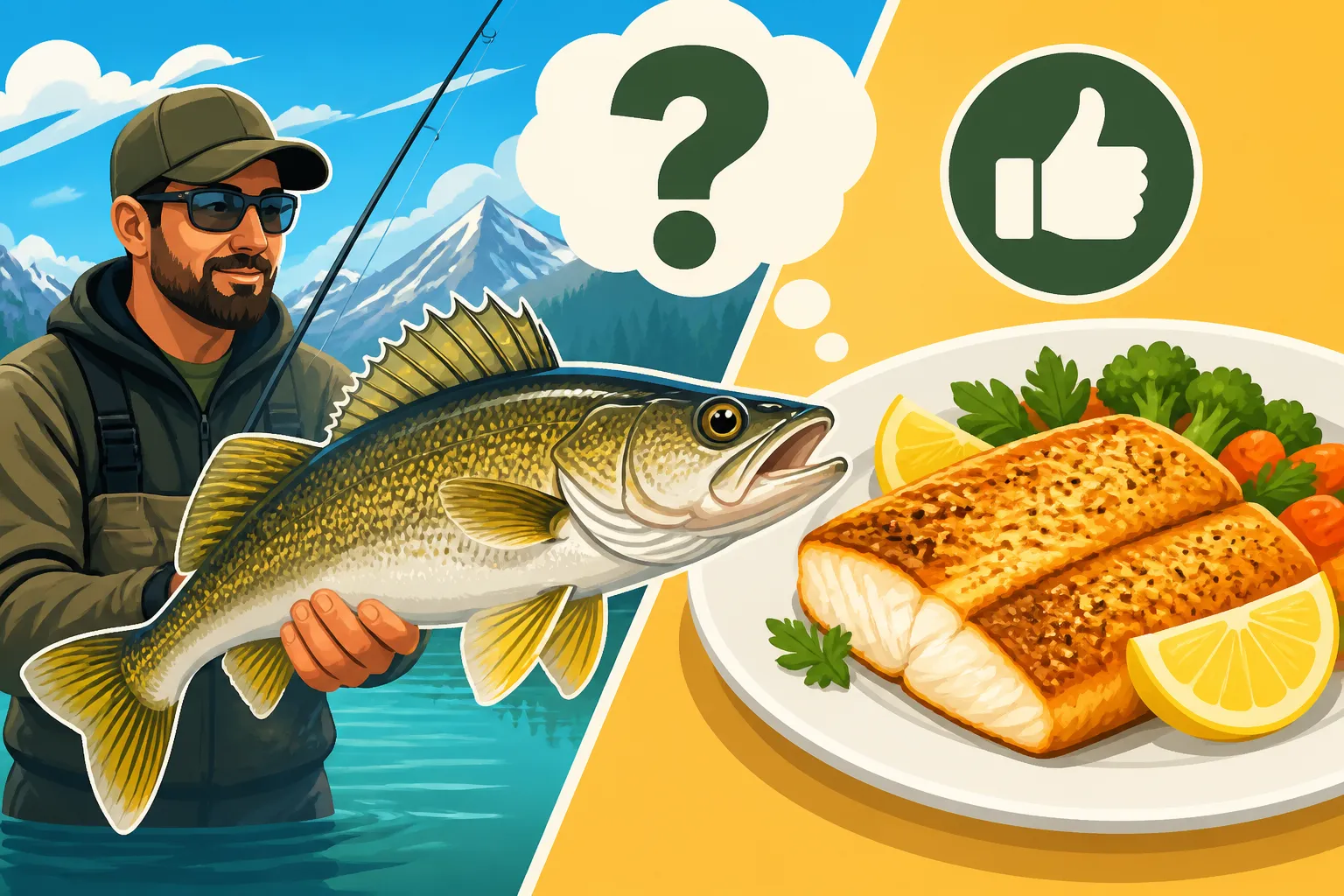
You’ve just pulled a shimmering walleye from an Alberta lake, its golden scales catching the sun, and a familiar thought bubbles up: "Is this going to be good for dinner?" For many anglers, the walleye isn't just a fun catch; it's a culinary prize. Absolutely, walleye is widely considered one of the best-eating freshwater fish available, and here in Alberta, we're particularly blessed with fantastic walleye populations that make for truly delicious meals. Let's dive into why this fish consistently tops the charts for flavor and what you need to know to bring its best to your table.
The Unmistakable Appeal of Alberta Walleye on Your Plate
When you talk to experienced anglers or culinary enthusiasts about freshwater fish, walleye almost always comes up in the top tier for taste. It’s not just a passing compliment; there’s a genuine consensus on its delicate flavor and appealing texture. This fish offers a dining experience that sets it apart from many other species, making every catch feel like a jackpot.
A Taste Profile That Wins Every Time
The primary reason walleye is so highly sought after is its incredibly mild, sweet, and non-fishy flavor. Unlike some other freshwater fish that can carry an "earthy" or "muddy" taste, walleye typically boasts a clean, almost delicate profile. This characteristic makes it incredibly versatile in the kitchen, as it won't overpower subtle seasonings or light sauces. Many describe its flavor as being akin to a very mild cod or haddock, but with a unique freshness that only wild-caught fish can offer.
What contributes to this fantastic flavor? Well, walleye are often found in cooler, cleaner waters, which generally leads to better-tasting fish. Their diet of smaller baitfish and invertebrates also plays a role. If you’ve ever wondered What walleye eat in Alberta lakes, you’ll know they’re usually feeding on things like minnows, insect larvae, and crayfish, all of which contribute to their clean, palatable flesh. Alberta's diverse aquatic environments, from large lakes like Lesser Slave to various rivers, provide ample, healthy habitats for these fish, directly impacting the quality of your meal.
The Perfect Flaky Texture
Beyond the flavor, the texture of walleye is another huge draw. When cooked properly, walleye fillets are firm yet wonderfully flaky, separating easily into tender, moist pieces. It's not mushy, nor is it tough or chewy. This perfect consistency makes it enjoyable whether you're pan-frying, baking, or grilling. You won't find a lot of small, annoying bones in the fillets either, which is a major bonus for diners, especially families with children who might be put off by boney fish. The flesh is lean and white, cooking up beautifully opaque, a testament to its quality.
This ideal texture also means it holds up well to various cooking methods. Whether you're aiming for a crispy, golden-brown crust or a succulent, steamed presentation, walleye delivers. It’s rare to find a fish that satisfies both the palate and the practicalities of cooking quite as well as walleye does. When you think about Walleye Fishing in Alberta, catching one means you're bringing home a truly premium ingredient.
From Water to Frying Pan: Mastering Walleye Preparation
Even the best-tasting fish can be ruined by poor preparation. To truly unlock the delicious potential of your Alberta walleye, a little care and attention in cleaning and filleting go a long way. This isn’t just about making it look nice; it's about preserving that mild flavor and ensuring a pleasant eating experience.
The Art of Filleting for Optimal Flavor
Filleting a walleye is a skill that improves with practice, but even beginners can achieve great results with a sharp knife and a bit of patience. The goal is to remove the skin and any dark, red meat along the lateral line, as this can sometimes impart a stronger, more "fishy" flavor. Start by laying the fish flat on a clean surface. Make a cut behind the pectoral fin down to the backbone, then turn your knife and run it along the backbone towards the tail, separating the fillet. Repeat on the other side.
Once you have your fillets, lay them skin-side down. Carefully slide your knife between the skin and the flesh, angling it slightly down towards the skin. Use a sawing motion to separate the skin from the meat. For removing that lateral line dark meat, simply trim it away with a sharp fillet knife. A good, flexible fillet knife, like those you can find on Amazon, will make this process significantly easier and safer. Don't forget to rinse your fillets in cold water and pat them dry thoroughly before cooking – excess moisture can prevent a good sear or crisp. Knowing How to Catch Walleye in Alberta is one thing, but knowing how to prepare it is the next crucial step to a delicious meal.
Essential Tools for a Clean Catch
Having the right tools at hand not only makes the job easier but also more hygienic and efficient. Beyond a sharp fillet knife, a sturdy cutting board is crucial, ideally one that won't slip on your counter. Some anglers prefer to use specialized fish cleaning stations, especially for larger catches or multiple fish. A pair of fish-scaling gloves can also be helpful, though many prefer to skin walleye directly, bypassing the need for scaling.
It’s also wise to have plenty of cold water and a clean rag or paper towels nearby. And, of course, a cooler with ice is essential to keep your catch cold from the moment it leaves the water until it's ready for cleaning. The sooner you get your walleye on ice, the better its flavor and texture will be. This attention to detail from the moment you land the fish helps maintain the pristine quality that makes walleye so desirable.
Whip Up a Feast: Delicious Ways to Cook Your Alberta Walleye
Once your walleye fillets are pristine and ready, the culinary possibilities are endless! Its mild flavor and flaky texture make it incredibly versatile, but sometimes, the simplest methods are truly the best, allowing the fish’s natural deliciousness to shine through. You don't need fancy ingredients or complex techniques to create a memorable meal.
Classic Pan-Fried Perfection
Perhaps the most beloved way to prepare walleye is pan-frying. It’s quick, easy, and produces that irresistible crispy exterior with a tender, moist interior. Here’s a simple method:
- Pat Dry: Ensure your fillets are thoroughly patted dry. This is key for crispiness!
- Season: Lightly dredge the fillets in seasoned flour (salt, pepper, garlic powder, paprika are great staples) or a breading mixture of your choice. Some folks love a cornmeal crust for an extra crunch. You can find excellent seasoning blends on Amazon to experiment with.
- Heat: Heat a cast iron skillet or heavy-bottomed pan over medium-high heat with a generous amount of butter, oil, or a mix of both. You want enough fat to just cover the bottom of the pan.
- Cook: Once the fat is shimmering, carefully place the fillets in the pan. Cook for about 3-5 minutes per side, depending on thickness, until golden brown and flaky. Avoid overcrowding the pan; cook in batches if necessary.
Serve immediately with a squeeze of fresh lemon, a side of wild rice, or some seasonal vegetables. This method truly highlights the walleye's delicate flavor.
Beyond the Pan: Grilling and Baking
While pan-frying is king, grilling and baking are also fantastic options, especially for a healthier meal or when cooking for a crowd.
- Grilling: Brush your fillets lightly with olive oil, season with salt, pepper, and your favorite herbs (dill and parsley are lovely with walleye). Place them on a preheated grill over medium-high heat. Cook for about 4-6 minutes per side, or until they flake easily. Using a fish basket or grilling mat can prevent sticking and make flipping easier.
- Baking: Preheat your oven to around 400°F (200°C). Place fillets on a lightly greased baking sheet. Drizzle with a little olive oil or melted butter, season, and perhaps top with a slice of lemon or a sprinkle of breadcrumbs. Bake for 10-15 minutes, again, until the fish flakes easily with a fork.
No matter your cooking method, the key is not to overcook! Walleye cooks quickly, and overcooked fish can become dry and tough, losing its prized tenderness. You can often tell it’s done when the flesh turns opaque and just begins to flake.
| Cooking Method | Preparation | Cooking Time (Approx.) | Texture Result | Flavor Profile |
|---|---|---|---|---|
| Pan-Frying | Seasoned flour/breading, butter/oil | 3-5 mins per side | Crispy exterior, moist interior | Richer, enhanced by browning |
| Baking | Olive oil/butter, seasonings | 10-15 mins | Tender, delicate, evenly cooked | Mild, allows fish flavor to shine |
| Grilling | Olive oil, seasonings, direct heat | 4-6 mins per side | Slightly smoky, firm exterior | Fresh, often with char notes |
Remember, your best results come from fresh fish. After you’ve enjoyed a successful trip to one of Alberta's Best Walleye Lakes in Alberta, getting your catch home and prepared quickly is paramount for flavor.
Important Considerations for Eating Walleye from Alberta Waters
While walleye is undoubtedly a delicious and healthy choice, it’s always important to be a responsible angler and consumer. There are a few considerations to keep in mind, especially regarding regulations and potential environmental factors, to ensure your meal is both enjoyable and safe.
Understanding Walleye Limits and Regulations
First and foremost, always adhere to Alberta's fishing regulations. These rules are in place to protect fish populations and ensure sustainable fishing for future generations. This includes understanding Alberta Walleye Limit by Zone, as possession limits can vary significantly depending on the water body and the specific fishing zone you're in. Catching and keeping more than your legal limit not only has severe penalties but also harms the resource we all love.
Additionally, some areas might have specific slot limits or size restrictions. For instance, in lakes with a Walleye Special Harvest Licence Recovery Program, specific rules apply to which walleye you can keep, if any, and a special license may be required. Always consult the current Alberta Guide to Sportfishing Regulations before heading out. This guide provides comprehensive information on all species, seasons, and limits.
Mercury and Consumption Advisories
Like many fish at the top of the food chain, walleye can accumulate mercury over time. While walleye is generally considered a lower-risk species compared to very long-lived, larger predatory fish, it’s still wise to be informed. Alberta Environment and Protected Areas provides guidance on Mercury advisory fish species in Alberta waters and Which Alberta waters have fish consumption advisories. These advisories typically recommend limits on how much fish from certain water bodies you should consume, especially for vulnerable populations like pregnant women, nursing mothers, and young children.
These advisories are usually based on the size and age of the fish, with larger, older fish tending to have higher mercury levels. For most healthy adults, consuming walleye in moderation from regulated waters is perfectly fine. However, it's always best to check the latest provincial guidelines, especially if you fish a particular lake frequently or consume a lot of fish. Being aware allows you to make informed choices and enjoy your walleye with peace of mind.
Disclaimer
This article is for general informational purposes only and does not constitute professional advice. Laws, prices and regulations vary by location and change over time. Consult a qualified professional for guidance on your specific situation.