What burbot look like and where they live
Have you ever been out on an Alberta lake, perhaps ice fishing in the dead of winter, and reeled in something… unexpected? A long, mottled fish with a single whisker-like barbel under its chin, looking a bit like an eel and a cod had a baby? If so, you've likely met the burbot, often affectionately, or sometimes confusingly, called a "maria" or "freshwater cod." This guide is all about getting to know this intriguing, and often underestimated, fish – what they look like, where they prefer to live in our vast province, and why they're such a unique part of Alberta's aquatic ecosystem.
What Exactly is a Burbot, Anyway?
The burbot ( Lota lota ) is truly a fish of its own kind, the only freshwater member of the cod family, and they certainly stand out from the typical trout or pike you might be used to catching in Alberta. Their appearance often sparks curiosity, sometimes even a little apprehension, in anglers who aren't familiar with them. But once you know what to look for, they become instantly recognizable and even charming in their own peculiar way.
Distinguishing Features and "Eel-like" Appearance
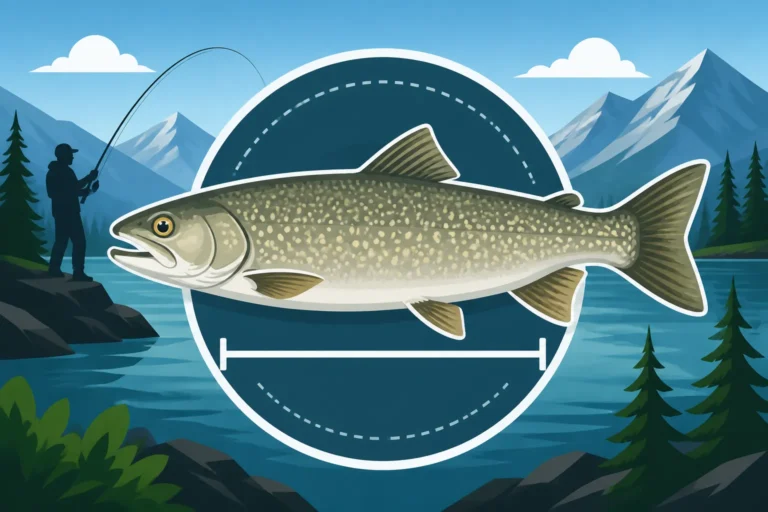
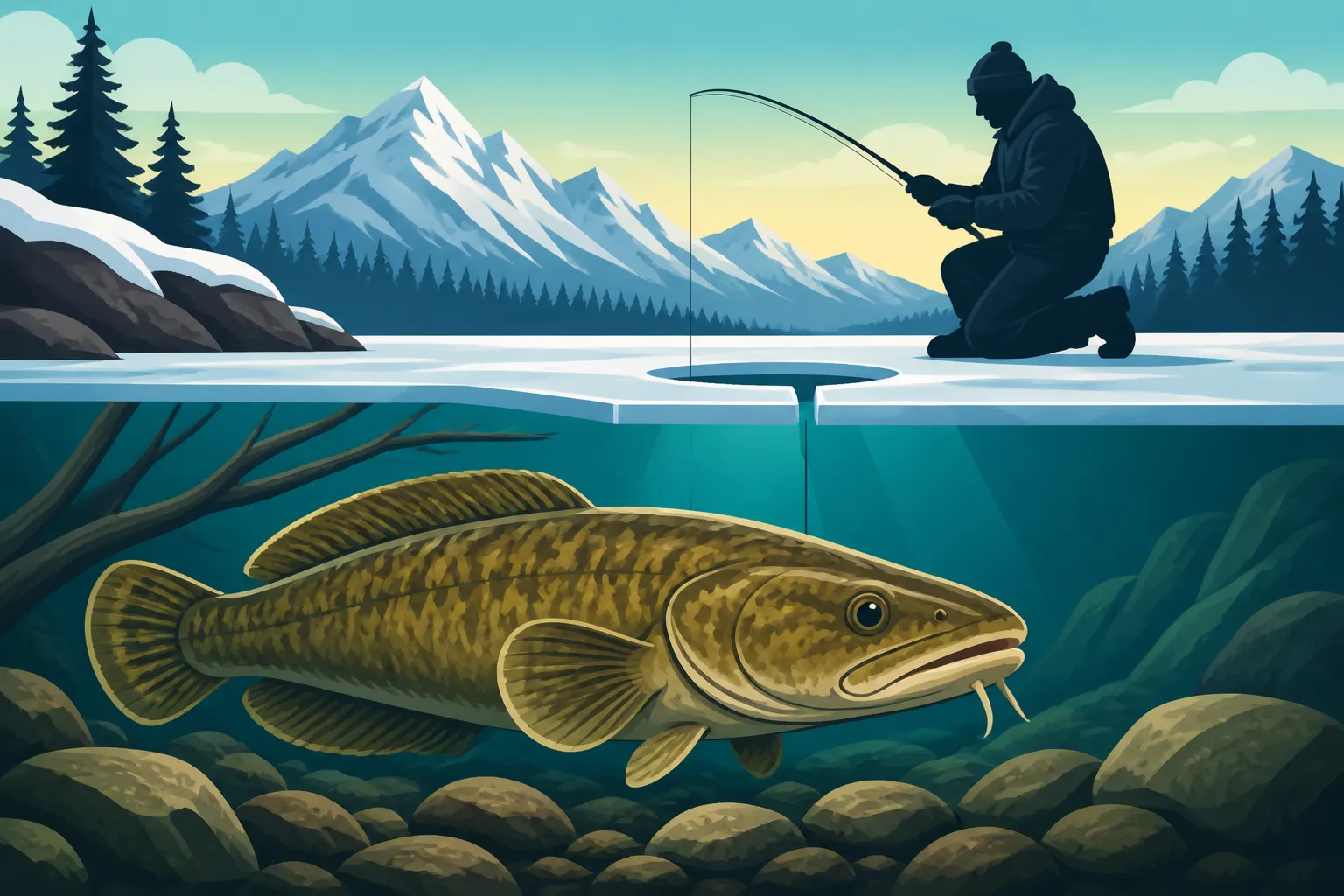
Let's talk about that unique look. The first thing you'll probably notice about a burbot is its distinctly elongated, eel-like body. It's not quite as slender as a true eel, but it's certainly not a chunky walleye or a sleek trout. Their skin is smooth and often quite slimy, with a mottled or marbled pattern of greens, browns, and yellows over a lighter base, which provides excellent camouflage against rocky or muddy lake bottoms. This patterning can vary quite a bit depending on the specific water body they inhabit.
But the real signature feature, the one that makes them unmistakably burbot, is that single, prominent barbel protruding from the tip of their lower jaw. Think of it like a catfish's whisker, but just one, perfectly centered. This barbel, along with smaller nasal barbels, acts like a sensory antenna, helping them feel their way along the bottom and locate prey in the dark or murky depths where they spend most of their time. They also have two distinct dorsal fins – the first one short, and the second one much longer, extending nearly to the tail, which further adds to their unique profile. If you see this combination of features, you've got a burbot!
Size, Weight, and Growth in Alberta
Burbot in Alberta can vary significantly in size, largely depending on the water body's productivity and their access to food. While they might not reach the colossal lengths of some saltwater cod species, they can still grow into quite substantial fish here. A common burbot you might encounter while Burbot Fishing in Alberta could range from a couple of pounds to perhaps eight or ten pounds, often measuring anywhere from 15 to 25 inches.
However, given the right conditions – abundant forage and a good, cold environment – burbot can grow much larger. Trophy burbot in Alberta can easily push past the 15-pound mark, with some exceptional catches nearing or even exceeding 20 pounds. These bigger specimens are truly impressive, with broad heads and thick, powerful bodies. They are slow-growing fish, meaning those large individuals have been around for quite a while, mastering the art of survival in Alberta's deeper waters. If you're wondering about the biggest burbot ever caught, check out Alberta record burbot weight for more fascinating details on these giants.
Why They're Often Misunderstood and Under-Appreciated!
It's a crying shame, but burbot often get a bad rap. Because of their unique, somewhat serpentine appearance, and their preference for dark, cold environments, they're not always seen as the most glamorous fish. Some anglers might even dismiss them as "trash fish" or mistake them for something less desirable. This is a huge disservice to a truly remarkable species!
Part of the misunderstanding stems from their nocturnal nature. Unlike many popular sport fish that are active during the day, burbot are primarily active from dusk till dawn, which means many anglers simply don't encounter them as often. When they are caught, it's frequently by ice anglers or those targeting other species like walleye or pike in deeper water. This stealthy, bottom-dwelling lifestyle makes them a bit of an enigma. However, once you learn to appreciate their unique fight and incredible table fare (more on that later!), you'll realize they're far from trash. They're a prized catch for those in the know, offering a fantastic fishing experience, especially during the colder months.
Where Do Burbot Call Home in Alberta?
Burbot are incredibly adaptable, but they definitely have a preferred type of real estate. They thrive in colder water environments, which makes Alberta, with its numerous deep lakes and cold rivers, an ideal habitat for them. Understanding their habitat preferences is key to successfully targeting these unique freshwater cod.
Preferred Habitats: Cold, Deep, and Structured Waters
If you want to find burbot, think cold and deep. These fish are creatures of the profundal zone, meaning they typically hang out in the deeper parts of lakes and larger rivers. They prefer water temperatures that are consistently cool, often seeking out depths where the water remains stratified and chilly, even during the peak of summer. This is why they become particularly active and accessible during the winter months, when the entire water column cools down.
Beyond just depth and temperature, burbot are big fans of structure. They aren't usually found suspended in open water; rather, they cling to the bottom, using various features as ambush points or hiding spots. This could mean rocky ledges, submerged log piles, sharp drop-offs, sunken islands, or even areas with softer, muddy bottoms where they can burrow slightly. Essentially, if there's an interesting contour or something to break up the monotonous bottom, a burbot is likely nearby, patiently waiting for a meal to swim by.
Key Alberta Lakes and Rivers for Burbot
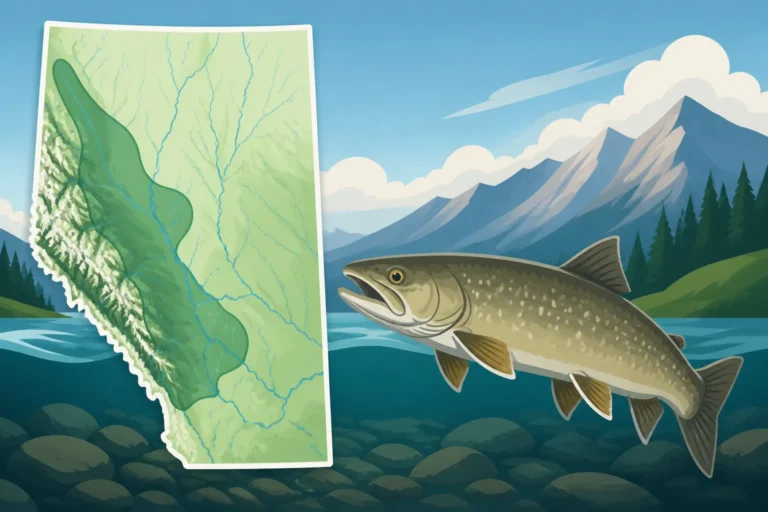
Thankfully, Alberta boasts a good number of water bodies where burbot thrive, giving anglers plenty of opportunities. When you're looking for Burbot in Alberta Lakes, you'll often find them in our larger, deeper, and cooler bodies of water. Some of the top spots include the massive Lake Athabasca, where they are a common catch, especially in its deeper basins. Cold Lake is another fantastic burbot fishery, known for its deep, clear waters and robust fish populations. Anglers often find success targeting burbot when fishing for Lake Trout Fishing in Alberta on Cold Lake, especially in areas with Best deep water structure spots on Cold Lake.
Beyond these giants, you'll also find healthy burbot populations in Lesser Slave Lake, which offers fantastic fishing during the ice season. Other notable lakes include Lac La Biche, Sylvan Lake, and often the larger provincial park lakes that have sufficient depth and a good forage base. In terms of rivers, the larger, deeper systems like the Athabasca River, Peace River, and even certain sections of the North Saskatchewan River can hold burbot, particularly in their deeper pools and slower-moving sections. Wherever there's consistent cold water and plenty of structure, burbot are likely present. You can find more specific locations in our guide on the Best Lakes for Burbot in Alberta.
The Importance of Bottom Structure
We can't stress this enough: structure is paramount for burbot. These fish are not actively chasing prey across vast open spaces. Instead, they are ambush predators and opportunistic scavengers that use the contours of the lakebed to their advantage. Imagine a burbot hunkering down beside a massive boulder, hidden in the shadows of a deep ledge, or nestled amongst a submerged timber pile. These are prime locations for them.
Anglers targeting burbot need to pay close attention to their electronics. A good fish finder is invaluable for identifying these crucial bottom features. Look for sudden changes in depth, hard-to-soft bottom transitions, old river channels, humps, or any kind of underwater debris. A general flat, featureless bottom, while it might hold some wandering fish, isn't usually the hot spot. Burbot use these structures for cover, for resting, and as a natural pathway for smaller fish, which in turn becomes their dinner table. Getting your bait right down on or very near these structural elements is almost always the key to success.
Burbot Behavior and Why It Matters to Anglers
Understanding burbot behavior is like having a secret weapon in your tackle box. Because they're a bit different from your average game fish, knowing their patterns, especially their nocturnal and spawning habits, can significantly increase your chances of hooking into one of these delicious creatures.
Nocturnal Hunters and Bottom Dwellers
As mentioned, burbot are largely nocturnal. This means their most active feeding periods typically occur from late evening through the overnight hours and into the early morning. If you've been fishing all day without a bite and suddenly things pick up right as the sun sets, it might just be the burbot waking up! This preference for darkness helps them avoid predators and capitalize on the activity of their prey, many of which also become more active under the cover of night.
Their bottom-dwelling nature also influences how you should fish for them. These fish aren't usually found cruising near the surface. They are tightly glued to the lakebed, often belly-down, patiently waiting. This means your baits need to be presented directly on or very close to the bottom. Whether you're using a jig, a dead stick, or a tip-up, ensure your offering is within inches of that crucial lakebed, where burbot are doing their thing. They rely heavily on their sense of smell and their barbel to find food, so an active presentation right in their strike zone is far more effective than something suspended higher in the water column.
Spawning Habits and Best Fishing Times
One of the most unique aspects of burbot behavior is their spawning cycle. Unlike most freshwater fish that spawn in spring or early summer, burbot are winter spawners! This makes them a prime target for ice anglers, as they become very active and concentrated during this period. Spawning typically occurs from late December through February, depending on water temperature and location. They don't build nests; instead, they gather in large groups in shallow to moderately deep water, often over gravel or sandy bottoms, where they release their eggs and milt.
This spawning activity is a huge draw for anglers. During the pre-spawn aggregation and the spawn itself, burbot are highly concentrated and often feeding aggressively to build up energy. This makes the ice fishing season, particularly mid-winter, one of the Best Time of Year to Fish in Alberta for burbot. If you're out on the ice, you might even find multiple fish caught in close proximity, indicating a spawning congregation. Knowing these patterns allows you to focus your efforts when burbot are most abundant and actively biting. Our guide on How to Catch Burbot Through the Ice dives even deeper into this exciting winter fishery.
What They Eat and How to Imitate It
Burbot are opportunistic predators and scavengers with a varied diet, which is good news for anglers because it means a range of baits and lures can be effective. They primarily feed on other fish, especially smaller, slower-moving species that inhabit the same deep, structured environments. Common prey items include various minnows, cisco (lake herring), smelt, perch (especially young ones), and even the young of other game fish. They also aren't shy about eating crustaceans like crayfish, insects, and even dead bait if it's available.
Given their diet, mimicking these prey items is crucial. For live bait, a juicy minnow, fished dead or alive on the bottom, is incredibly effective. Cut bait, like pieces of cisco or a smelt, also works wonders due to the strong scent trail it emits, attracting burbot from a distance. When it comes to artificial lures, jigs are king for burbot. Heavy-duty jigs tipped with bait (like a minnow head or a piece of squid) are fantastic. Luminous or glow-in-the-dark jigs are particularly deadly, as they stand out in the low-light conditions burbot prefer. Many anglers have great success with a variety of spoons and jigging raps, especially when actively jigged near the bottom. You can find excellent options for these baits and lures on platforms like Amazon, ensuring you have a well-stocked tackle box.
Burbot: An Underrated Alberta Game Fish
It's time to champion the burbot! Despite their somewhat unconventional looks and nocturnal habits, burbot are a fantastic sport fish and, perhaps more importantly, an absolutely delicious one. If you've never tried burbot, you're missing out on a true culinary delight from Alberta's waters.
Culinary Delights: "Poor Man's Lobster"
If you've heard anything about burbot on the dinner plate, it's likely the term "poor man's lobster." And let me tell you, it's not an exaggeration! The flesh of a burbot is firm, white, flaky, and has a mild, sweet flavor that is remarkably similar to lobster or crab meat. Many people, when served burbot without knowing what it is, are convinced they're eating a high-end shellfish. This is especially true when it's prepared simply, perhaps poached or steamed, and served with a bit of melted butter.
The unique texture and taste make burbot a highly sought-after fish by those in the know. They are excellent in chowders, fried, baked, or even used in fish tacos. The key is to keep the meat cold after catching and clean them promptly. Once you've had a meal of fresh Alberta burbot, you'll wonder why more people aren't raving about them. It’s a truly rewarding experience after a successful outing, especially during the cold winter months when they're at their prime.
Conservation and Sustainable Practices
While burbot populations are generally healthy in Alberta's extensive cold-water systems, practicing responsible angling is always important. Familiarize yourself with the current Alberta Bag and Possession Limits by Species for burbot in the specific zone you're fishing. These regulations are in place to ensure the sustainability of the fishery for future generations.
Catch-and-release is a great option, especially for larger, older fish that are important for breeding. However, if you plan to keep burbot for their delicious meat, ensure you handle them carefully and dispatch them quickly and humanely. Proper handling techniques also ensure the quality of the meat. By following regulations and employing ethical fishing practices, we can all contribute to keeping burbot populations thriving in Alberta.
Gear Essentials for Burbot Fishing
Getting set up for burbot fishing doesn't require an arsenal of highly specialized gear, but a few key items will certainly boost your success. Since they're often caught through the ice, a solid ice fishing setup is essential. A medium-heavy ice rod with a sensitive tip is ideal for detecting those subtle bottom bites. Pair this with a reliable spinning reel spooled with a strong braided line, perhaps 10-20 lb test, and a fluorocarbon leader.
You'll definitely need an ice auger for getting through Alberta's thick winter ice – whether it's a hand auger, a propane auger like those from Propane Ice Auger Co., or a powerful electric model. A comfortable ice hut or shelter is also a blessing on those frigid days, providing warmth and shelter from the wind. For detecting bites when you're not actively holding your rod, tip-ups or dead sticks are incredibly effective. A selection of glow-in-the-dark jigs, jigging spoons, and a good supply of bait (like minnows or cut bait) will round out your tackle. Many of these essential items, from ice fishing reels to specialized glow jigs, can be easily found and purchased through online retailers like Amazon. Having the right tools, like a good pair of insulated gloves, can make all the difference for a comfortable and successful burbot outing. If you need more specific gear recommendations, check out Best Ice Fishing Gear for Alberta and Best jig for winter burbot through the ice.
| Feature | Burbot | Common Misconception (e.g., Catfish) |
|---|---|---|
| Family | Cod (Gadidae) | Catfish (Ictaluridae) or Eel (Anguillidae) |
| Body Shape | Elongated, cylindrical, tapering to tail, smooth and often slimy skin | Varies (e.g., stout for channel cat, snake-like for eel), often rougher |
| Barbel(s) | Single, prominent barbel on chin; smaller nasal barbels | Multiple barbels around mouth (catfish); no chin barbel (eel) |
| Dorsal Fins | Two distinct dorsal fins (first short, second long); anal fin also long | Usually one prominent dorsal fin (catfish); long, continuous dorsal fin (eel) |
| Coloration | Mottled green, brown, yellow over lighter base, provides camouflage | Varies by species (e.g., grey-blue for channel cat, dark for eel) |
| Habitat | Cold, deep, structured lakes and rivers | Warmer, often shallower waters (catfish); varied (eel) |
| Activity | Primarily nocturnal | Often active day and night (catfish); nocturnal (eel) |
This article is for general informational purposes only and does not constitute professional advice. Laws, prices and regulations vary by location and change over time. Consult a qualified professional for guidance on your specific situation.