How to tell a brown trout from a rainbow trout
It’s a common scenario out on Alberta’s beautiful waters: you hook into a magnificent trout, and as you bring it closer to your net, a flicker of doubt crosses your mind. Is it a rainbow? Or is it a brown? For many anglers, especially those new to the incredible diversity of our province’s fisheries, telling the difference between a brown trout and a rainbow trout can be genuinely tricky. This guide is here to cut through that confusion, helping you confidently identify your catch and understand the unique characteristics of these two incredible sportfish.
The Basics: What Makes a Trout a Trout?
Before we dive into the specific differences, let's acknowledge why this can be so confusing in the first place. Both brown and rainbow trout are incredibly popular game fish, and they often share similar habitats, especially in our cold, clear rivers and lakes. They're both streamlined, powerful, and thrilling to catch, which makes them highly sought after by anglers across Alberta. But beyond those general similarities, there are distinct features that, once you know what to look for, make identification much simpler.
Why the Confusion?
The biggest reason for confusion often comes down to individual fish variation and environmental factors. A brown trout caught in a dark, tannin-stained lake might look a little different from one caught in a bright, clear mountain stream. The same goes for rainbows. Plus, their coloration can change depending on their diet, spawning readiness, and even their mood. When you're standing river-side, heart pounding from the fight, it's easy for these subtle variations to blur together. Add in the fact that many anglers learn "a trout is a trout" until they start paying closer attention to regulations or specific fishing strategies, and the mix-up is perfectly understandable. We've all been there, wondering if we've correctly identified our catch.
General Trout Characteristics
Despite their differences, all trout share some fundamental characteristics that place them in the salmonid family. They generally have sleek, elongated bodies built for navigating currents and pursuing prey. Their fins are typically soft-rayed, and they possess an adipose fin—that small, fleshy fin located on their back between the dorsal fin and the tail fin—which is a tell-tale sign of a true trout or salmon. Trout are also cold-water fish, preferring well-oxygenated environments, which is why they thrive in so many of Alberta's pristine rivers and lakes. Understanding these shared traits provides a baseline before we start scrutinizing the unique markings of browns and rainbows. This family resemblance is part of what makes them such a captivating group of fish to pursue, but it also necessitates a closer look when you need to distinguish between species. For a broader overview of the various species, check out Trout Species Identification Guide for Alberta.
Identifying the Brown Trout: The Resilient River Dweller
Ah, the brown trout! These magnificent fish, originally from Europe, have made themselves very much at home in Alberta, especially in our larger rivers. They are often revered for their cunning and powerful fights, making them a true prize for any angler. When you're trying to figure out if that fish at the end of your line is a brown, there are several key features that will give it away.
Key Physical Characteristics of Brown Trout
Brown trout have a distinctive look that, once you're familiar with it, is hard to mistake. Their appearance often reflects their environment, blending in with rocky riverbeds and submerged logs, making them masters of camouflage.
Body Shape and Coloration
Brown trout typically have a more robust, somewhat chunkier body compared to the more streamlined rainbow. Their base coloration is usually a golden-brown or olive-brown, often with a creamy or yellowish belly that can sometimes be quite pale. This earthy tone helps them blend in with the bottom substrate of rivers and lakes. You'll rarely see the bright, iridescent sheen that often characterizes rainbow trout; instead, think subtle, earthy elegance. They are often described as looking "wild" and rugged, a reflection of their tenacious nature.
Spots
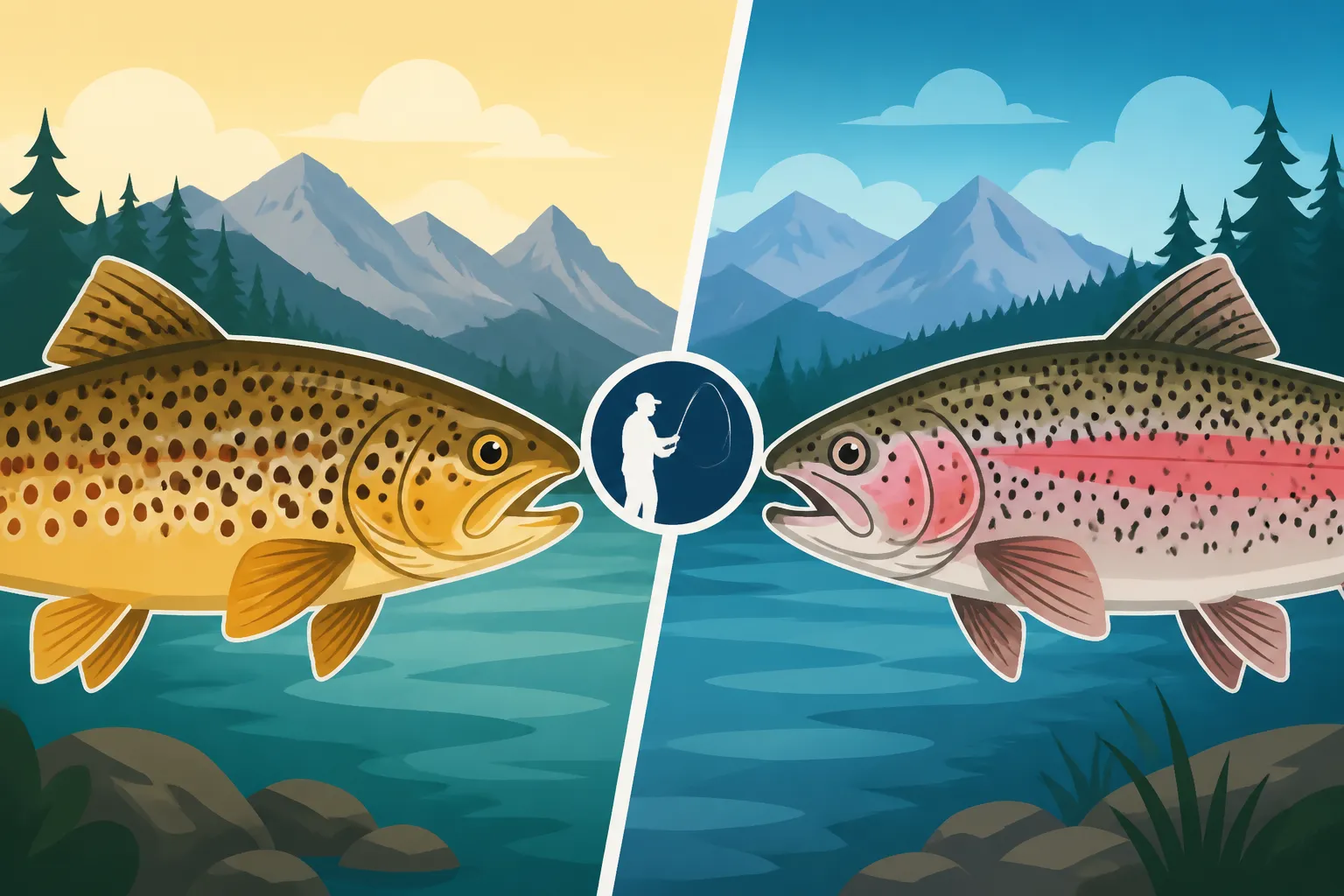
This is often the most reliable identifier. Brown trout are characterized by relatively sparse, large, dark spots on their flanks, often surrounded by a light "halo" or ring. These spots are usually concentrated on the upper half of their body and diminish towards the belly. What truly sets them apart are the distinctive red or orange spots that are scattered along their sides, especially prominent on larger fish. These red spots are a dead giveaway! You'll also notice some dark spots on their operculum (gill plate), but generally, their fins, particularly the tail, are less heavily spotted than a rainbow's.
Tail
The tail of a brown trout is typically square or only very slightly forked. Unlike the rainbow, it usually has very few, if any, spots. This lack of spotting on the tail is a significant clue. When you hold a brown trout, you'll see a relatively plain tail that contrasts with the more ornate spotting you'd find on a rainbow's caudal fin. The sturdiness of their tail also speaks to their power in current.
Mouth and Jaw
Brown trout are notorious predators, and their mouth reflects this. They have a relatively large mouth, with the upper jaw often extending noticeably beyond the eye. This larger gape allows them to consume larger prey, from baitfish to small rodents, which contributes to their impressive size. Their teeth can also be quite prominent. If you're looking for gear to land these formidable fish, you might find a good selection of specialized nets and pliers on Amazon.
Typical Habitat and Behavior in Alberta
Knowing where brown trout like to hang out and how they behave can also give you a clue to their identity, even before you see them up close.
Preferred Waters
In Alberta, brown trout thrive in many of our colder, well-oxygenated rivers and streams. The Bow River is a prime example, renowned for its large, wild brown trout population. They prefer areas with good cover—think undercut banks, large rocks, submerged logs, and deep pools where they can ambush prey and seek refuge from strong currents or bright sunlight. You'll often find them lurking in the shadows, waiting for an unsuspecting meal to drift by. They are less common in many of the smaller, stocked ponds where rainbows often dominate. For more on where to find these beauties, check out Brown Trout Fishing in Alberta.
Diet and Aggression
Brown trout are opportunistic and aggressive feeders. While they will certainly eat insects, both aquatic and terrestrial, their diet shifts to include more baitfish, crayfish, and even small amphibians or rodents as they grow larger. This predatory nature is part of what makes them such an exciting catch. They are known to be particularly active during low light conditions, like dawn and dusk, or even at night, when they're more confident in hunting. Their powerful build and aggressive strikes make them fantastic sport for anglers.
Temperament
If there's one word to describe a brown trout, it's "wily." They are often considered more challenging to catch than rainbow trout because they are more cautious and easily spooked. They possess an uncanny ability to find sanctuary and avoid detection. This intelligence and wariness mean that successful brown trout anglers often need to employ stealth, precision, and a deep understanding of their quarry's habits. They're not going to jump on every lure; they require a bit more finesse and patience.
Identifying the Rainbow Trout: The Flashy Fighter
The rainbow trout, often considered the quintessential sport fish, is beloved by anglers for its beautiful coloration and acrobatic fights. Whether you're fishing a stocked pond or a wild river, rainbows are a common and welcome sight. But just like brown trout, they have their own unique set of characteristics that help distinguish them.
Key Physical Characteristics of Rainbow Trout
Rainbow trout, named for their striking iridescent hues, are a sight to behold. Their appearance is generally brighter and more overtly colourful than that of a brown trout.
Body Shape and Coloration
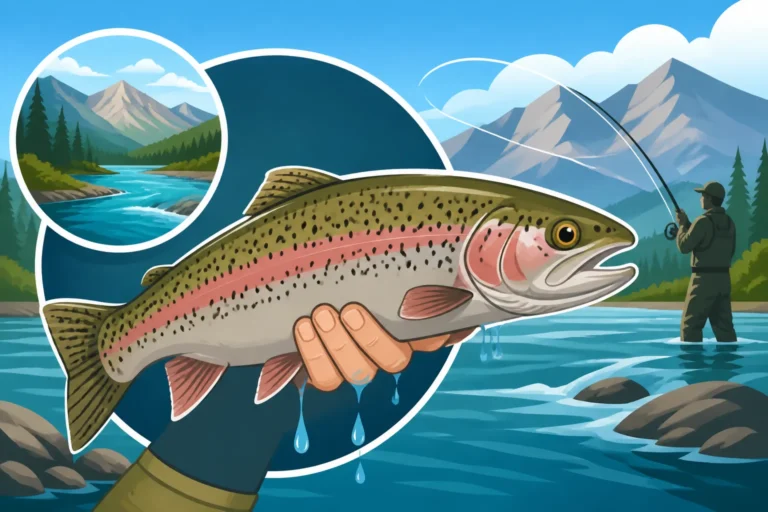
Rainbow trout tend to have a more streamlined, torpedo-shaped body, built for speed and agility. Their base color can vary quite a bit, from a bright, silvery sheen in lake-dwelling or hatchery-raised fish, to a darker olive-green or even bluish-grey on their backs in wild river populations. Their belly is typically white or silvery. The most iconic feature, and the one that gives them their name, is the distinct pink or reddish stripe that runs horizontally along their lateral line, from their gill plate to their tail. This stripe can be incredibly vibrant in some individuals, especially spawning males, but can also be quite subtle.
Spots
Unlike the sparse, large, and haloed spots of the brown trout, rainbow trout are typically covered in a profusion of small, dark spots. These spots are usually present on their head, back, sides, and, crucially, extend onto all of their fins, including the dorsal, adipose, and especially the tail fin. The sheer density and uniform size of these spots are a key indicator. There are no red or orange spots on a rainbow trout; all spots are typically dark. If you're struggling to see these details, a good pair of polarized sunglasses, available on Amazon, can make a huge difference in clear water.
Tail
The tail of a rainbow trout is moderately forked, and as mentioned, it's almost always heavily spotted. This heavy spotting on the tail fin is a very reliable way to differentiate it from a brown trout's mostly unspotted, square tail. When a rainbow leaps and flashes its tail, you'll often see that intricate pattern of dark spots clearly.
Mouth and Jaw
Rainbow trout generally have a smaller mouth compared to brown trout. Their upper jaw usually does not extend past the eye, or at most, only slightly. This smaller mouth is indicative of their primary diet, which often consists more heavily of insects and smaller aquatic invertebrates, though larger rainbows will certainly take baitfish.
Typical Habitat and Behavior in Alberta
Rainbow trout are incredibly adaptable, making them successful in a wide range of aquatic environments across Alberta.
Preferred Waters
Rainbow trout are found in many of Alberta's diverse waters, from cold mountain streams and rivers to countless stocked lakes and ponds. The Bow River is famously home to thriving populations of wild rainbow trout, alongside browns. They prefer clean, cool, well-oxygenated water, but they can tolerate a slightly wider range of temperatures than some other trout species, which contributes to their widespread success in stocked fisheries. They might be found in faster runs, riffles, and pools, often more openly cruising for food than the stealthier brown trout. For tips on landing these beauties in a renowned spot, check out Rainbow Trout Fishing on the Bow River.
Diet and Fight
Rainbow trout are primarily insectivores, feasting on aquatic insects like mayflies, caddisflies, and stoneflies, as well as terrestrial insects that fall into the water. However, like all opportunistic predators, they will also consume crustaceans, small baitfish, and fish eggs. They are celebrated for their vigorous, acrobatic fight when hooked. Rainbows are known for their spectacular leaps and powerful runs, often making multiple jumps during a single battle. This makes them an incredibly exciting target for fly anglers and spin fishermen alike.
Distinguishing Wild vs. Stocked
In Alberta, you'll encounter both wild and stocked rainbow trout. Stocked rainbows, particularly those from provincial hatcheries, might appear a bit more uniform in size and coloration, often with a paler stripe. They might also have slightly eroded fins from their time in hatchery tanks. Wild rainbows, especially those in larger rivers like the Bow, tend to be more vibrant, with deeper colors and pristine fins, reflecting their natural environment and tougher lives. These subtle differences, while not changing the species identification, can sometimes indicate where the fish originated.
Side-by-Side Comparison: Spotting the Differences When it Counts
When you've got a fish in the net, every second counts for a quick identification and a safe release. Having a mental checklist of the key differences between brown and rainbow trout will make you a confident angler. This isn't just about curiosity; it's about adhering to Alberta Bag and Possession Limits by Species and fishing responsibly.
Critical Features to Compare at a Glance
Let's put it all together to create a quick reference guide for when you're on the water.
Coloration
- Brown Trout: Think earthy tones. Golden-brown, olive-brown, often with a yellowish or creamy belly. The overall impression is more subdued, like a river rock.
- Rainbow Trout: Brighter, more iridescent. Silvery to olive-green back, white belly. The defining feature is often the vibrant, horizontal pink or red stripe along the lateral line.
Spot Patterns
- Brown Trout: Fewer, larger, very distinct dark spots, often with light halos. Critically, look for scattered red or orange spots on their sides. Spots are usually concentrated on the upper body and head, with a mostly unspotted tail.
- Rainbow Trout: Many small, dark spots covering the entire body, head, and all fins, including the dorsal and especially the tail. No red or orange spots.
The Stripe
- Brown Trout: No distinct lateral stripe. Any coloration changes are more graduated.
- Rainbow Trout: The iconic pink or red stripe is almost always present, though its intensity can vary. This is often the easiest and quickest way to distinguish them.
Tail Morphology
- Brown Trout: Square or very slightly forked. Crucially, it will have few to no spots.
- Rainbow Trout: Moderately forked. Heavily spotted, with the small dark spots extending well onto the fin rays.
Here’s a quick table to help you compare them visually:
| Feature | Brown Trout | Rainbow Trout |
|---|---|---|
| Primary Color | Golden-brown, olive-brown, yellowish belly | Silvery to olive-green, white belly |
| Lateral Stripe | Absent | Distinct pink or red horizontal stripe (variable) |
| Body Spots | Large, sparse, dark spots (often with halos), | Numerous, small, dark spots |
| distinct red/orange spots on sides | (no red/orange spots) | |
| Tail Spots | Few to no spots | Heavily spotted |
| Tail Shape | Square or slightly forked | Moderately forked |
| Mouth Size | Large; upper jaw often extends past eye | Smaller; upper jaw usually doesn't extend past eye |
Why Accurate Identification Matters
Beyond satisfying your angling curiosity, knowing your trout species is essential for several practical reasons, especially here in Alberta where regulations can be quite specific.
Regulations
Alberta has detailed fishing regulations, and these often differ by species, water body, and zone. For instance, specific lakes might have different daily limits for rainbow trout versus brown trout. Some special regulation waters might even be designated Alberta catch and release only trout streams for one species but allow harvest of another. Being able to correctly identify your catch ensures you are always compliant with the law and avoids potential fines for misidentification. This is why it’s so important to study the Reading the Alberta Guide to Sportfishing Regulations before you head out.
Conservation
Accurate identification also plays a vital role in conservation efforts. For instance, while rainbow trout are widely stocked, brown trout populations, especially in some rivers, are often wild and naturally reproducing. Certain native species might have even stricter protection. By knowing what you've caught, you contribute to better data collection for fisheries management and ensure you're protecting vulnerable populations by adhering to their specific rules. If you're using a net, make sure it's a Best Landing Net for Trout designed for safe catch and release.
Fishing Strategy
Finally, understanding which species you're targeting can greatly influence your fishing strategy. Brown trout, with their larger mouths and predatory nature, often respond well to streamer patterns or larger minnow imitations, while rainbows might be more inclined towards nymphing or dry fly presentations, particularly on a river like the Bow. Knowing which fish you're seeing can help you quickly adjust your flies or lures, retrieve speed, and even the type of rod and line you're using. For example, a Best Fishing Rods for Alberta Rivers for browns might be slightly different than one optimized for rainbows. Your ability to distinguish between them can dramatically improve your success on the water.
This article is for general informational purposes only and does not constitute professional advice. Laws, prices and regulations vary by location and change over time. Consult a qualified professional for guidance on your specific situation.