Are There Protected or Endangered Fish Species in Alberta?
It’s a tough pill to swallow when you realize that some of the fish species we cherish in Alberta’s pristine waters are facing serious threats, even to the point of being endangered. As anglers, we have a deep connection to these natural resources, and the thought of losing them is truly disheartening. This guide is here to shed light on which fish species in Alberta are protected or endangered, why they're in trouble, and what each of us can do to help ensure they thrive for generations to come.
Why Protecting Fish Species Matters in Alberta
When we talk about protected or endangered fish, it’s not just about a single species. It's about the entire delicate balance of our aquatic world. Alberta's rivers and lakes are complex ecosystems, and every native fish plays a vital role. Understanding this interconnectedness helps us appreciate why conservation is so crucial.
The Delicate Balance of Aquatic Ecosystems
Think of an aquatic ecosystem like a finely tuned machine. Each species, from the tiniest invertebrate to the largest predatory fish, has a job. Trout might feed on insects, while pike prey on smaller fish, keeping populations in check. When one piece of this machine is removed or significantly weakened, the whole system can start to falter. This can lead to unforeseen consequences, like algal blooms due to an imbalance in the food chain, or the spread of disease as weakened populations become more susceptible.
Beyond their ecological role, many native fish species are indicators of overall environmental health. If they're struggling, it's often a sign that something deeper is amiss in the water quality, habitat, or food supply. By protecting these vulnerable species, we're essentially protecting the health of the entire river or lake system, which in turn benefits all the other creatures, and even us.
Human Impact on Fish Populations
Sadly, human activities are often at the root of species decline. Habitat loss is a massive one – think about riverbanks being developed, wetlands drained, or natural stream flows altered for irrigation or power generation. These changes remove critical spawning grounds, feeding areas, and shelter that fish need to survive. Pollution from agricultural runoff, industrial discharge, or even improper waste disposal can directly harm fish or their food sources.
Overfishing, even by well-meaning anglers, can also take a toll, especially on slow-growing or vulnerable populations. This is why regulations are so critical, and why understanding things like Alberta Bag and Possession Limits by Species is more important than ever. And let’s not forget invasive species, which can outcompete native fish for food and habitat, introduce diseases, or even prey on their young. It's a complex web of challenges, but recognizing our impact is the first step towards solutions.
Key Protected and Endangered Fish Species in Alberta
Alberta is home to some incredible fish, but a few stand out as being particularly vulnerable, requiring special attention and protection. Understanding their plight is crucial for any angler who spends time on our waters.
Bull Trout: Alberta's Icon in Peril
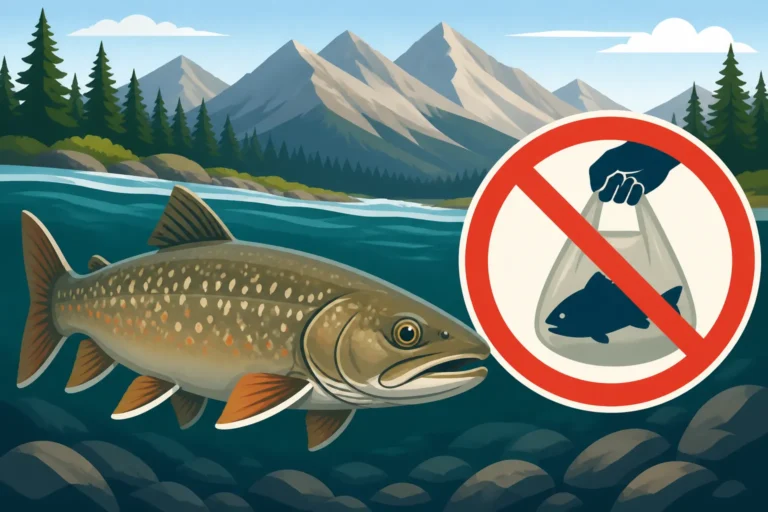
Ah, the Bull Trout. Many seasoned anglers consider them the quintessential Alberta sportfish – powerful, beautiful, and native to our clear, cold mountain streams. But these magnificent fish are in serious trouble. They are currently listed as a "Threatened" species in Alberta, which means their populations have declined significantly and face a high risk of extinction if conservation efforts aren't maintained.
Their decline is largely due to habitat degradation (they need very specific, clean, cold water environments to thrive) and historical overfishing. They're also susceptible to competition and hybridization with non-native brook trout, which unfortunately were stocked heavily in the past. This is why you'll find strict rules in place, including the famous Alberta Bull Trout Zero Possession Rule. Catching one of these beauties is an honour, but releasing it unharmed is an absolute must, no exceptions.
Westslope Cutthroat Trout: A Mountain Gem Under Pressure
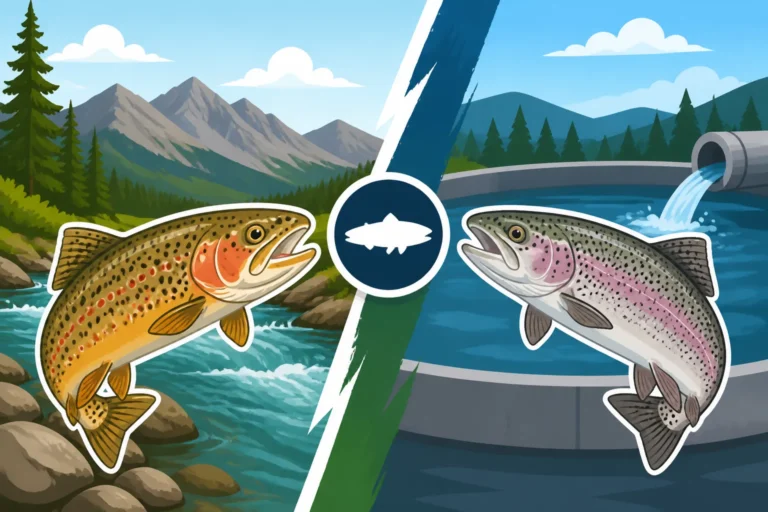
Another iconic native trout species facing immense pressure is the Westslope Cutthroat Trout. These vibrant, red-slashed trout are truly a sight to behold in the headwaters of our western rivers. They are currently listed as "Threatened" under federal legislation in Canada, reflecting their precarious status. Their unique habitat – high-elevation, cold, pristine streams – makes them particularly vulnerable to climate change, habitat fragmentation, and again, hybridization with non-native rainbow trout.
Protecting these fish often involves efforts to restore their native habitat, remove barriers to migration, and manage watersheds to ensure water quality. Anglers who venture into Westslope Cutthroat territory need to be extra vigilant about adhering to specific regulations, which often include catch and release only, and sometimes even restrictions on gear like Alberta Barbless Hook Requirement Waters. Every effort to protect these unique fish helps preserve the biodiversity of our mountain streams.
Other Species of Concern
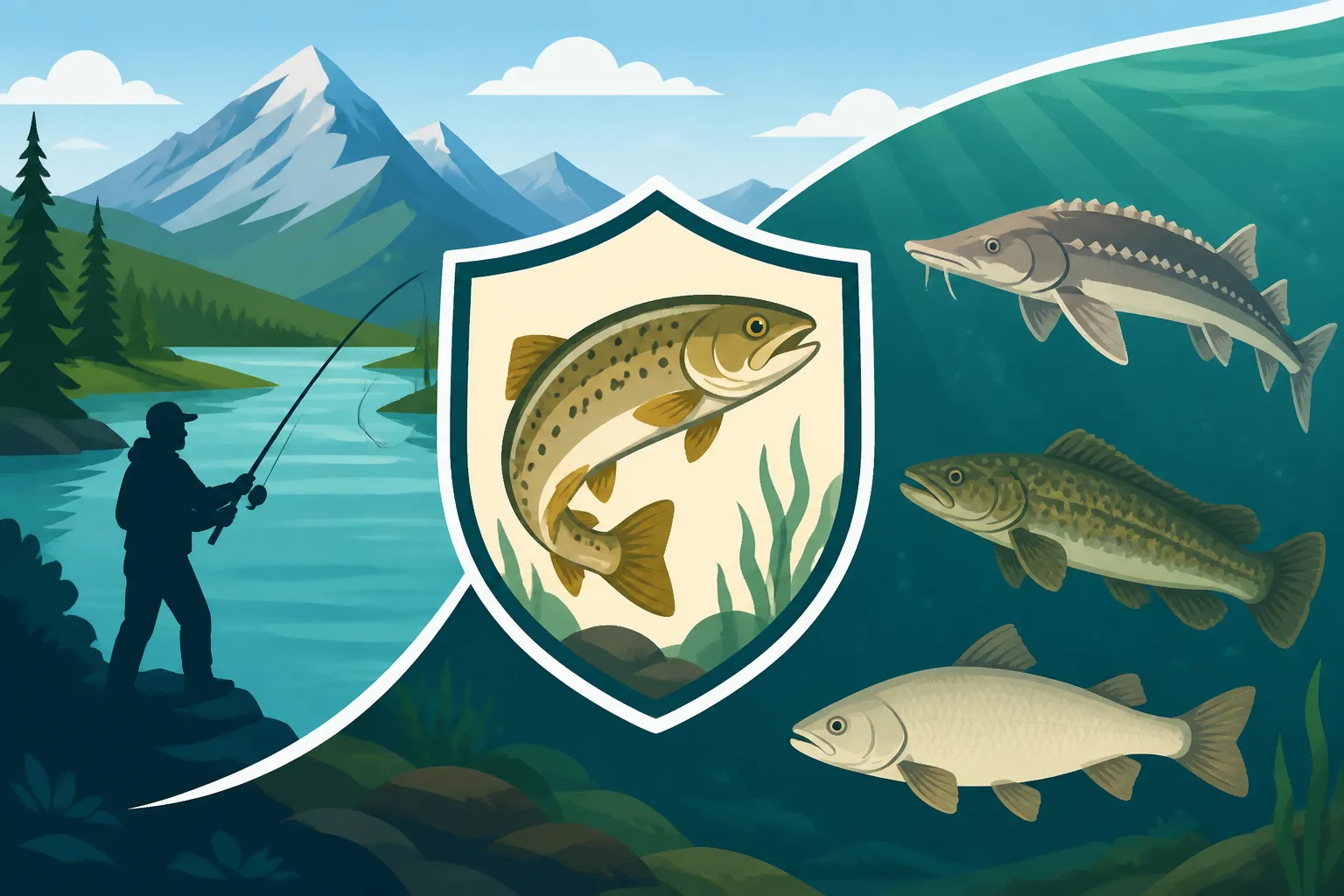
While Bull Trout and Westslope Cutthroat Trout are often front and center in conservation discussions, other species or specific populations can also be a concern. For instance, certain isolated populations of Arctic Grayling in northern Alberta rivers face localized threats, often due to industrial development affecting their habitat. Lake Sturgeon, an ancient and incredibly long-lived fish, are also considered sensitive or vulnerable in some Alberta waters, often facing threats from habitat alteration and slow reproductive rates.
It's really important to consult the most current Alberta Guide to Sportfishing Regulations (which you can often find discussed in articles like Reading the Alberta Guide to Sportfishing Regulations) every single time you head out. These regulations are updated to reflect the most current scientific assessments of fish populations and are designed to protect these sensitive species. Even what seems like a common species in one area might be protected in another, so local knowledge and up-to-date information are key.
Regulations and Conservation Efforts You Need to Know
Ignorance of the law is never an excuse, especially when it comes to protecting our vulnerable fish populations. As anglers, we have a responsibility to know and follow the rules, and also to understand the spirit behind them. It's about being good stewards of the resource.
Understanding the "Zero Possession" Rule
When you see "zero possession" for a species like Bull Trout or Westslope Cutthroat Trout, it means exactly that: you cannot keep even one fish. If you catch one, it must be immediately released, unharmed. It’s not just a suggestion; it’s a strict regulation. The intent is to give these struggling populations every chance to reproduce and rebuild.
This rule means that if you accidentally catch a protected fish, you cannot put it in your cooler, take it home, or even hold it out of the water longer than absolutely necessary for a quick photo (and even then, quickly and carefully!). The consequences for violating this rule can be severe, ranging from hefty fines to the loss of your fishing license, as explored in Fishing Without a License in Alberta: Penalties. It’s a serious matter, and for good reason.
Catch and Release Best Practices
Because you're inevitably going to encounter protected species while fishing in Alberta's diverse waters, knowing how to properly handle and release them is critical. The goal is to minimize stress and injury, giving the fish the best chance of survival. Here are some key practices:
- Barbless Hooks: Many special regulation waters specifically require barbless hooks. Even where not required, using them voluntarily makes hook removal much easier and less damaging. You can find many options on Amazon if you're looking to stock up.
- Minimize Handling: Try to keep the fish in the water as much as possible. If you must handle it, do so with wet hands to protect its delicate slime coat, which is its first line of defense against disease.
- Quick Release: Have your pliers or de-hooking tool ready. Unhook the fish quickly and gently. If the hook is deeply swallowed, cut the line as close to the hook as possible rather than trying to rip it out.
- Revive the Fish: If the fish seems sluggish or stressed, hold it gently upright in the water, facing into a mild current, until it can swim away under its own power. Don't pump it back and forth; this can actually force water over its gills incorrectly.
For more detailed guidance, especially when targeting Bull Trout, be sure to check out resources like Bull trout catch and release survival tips. Your careful handling can literally be the difference between life and death for these vulnerable fish.
How Anglers Can Help
Beyond following regulations and practicing proper catch and release, anglers have a powerful role to play in conservation. One of the simplest ways is by supporting organizations dedicated to fish habitat restoration and research in Alberta. Many groups rely on volunteers and donations to carry out critical work.
Another way is to report any suspected poaching or environmental violations you witness. The provincial Report-A-Poacher line is there for a reason, and your tip can help deter illegal activities that harm fish populations. Finally, simply educating yourself and others about these issues, and sharing your knowledge of Alberta Fishing Regulations Explained and proper handling, makes a huge difference. Every informed angler contributes to a stronger conservation ethic.
What to Do If You Catch a Protected Species
It happens. You're out fishing, enjoying a beautiful day on the water, and suddenly you've hooked something amazing, only to realize it's a protected species. Don't panic! The key is to act quickly and responsibly.
Proper Handling for Release
First, try to assess the situation while the fish is still in the water, if possible. If it's a small fish, you might be able to simply grab the hook with your pliers and release it without ever taking it out. For larger fish, like a Bull Trout, you might need to bring it alongside your boat or to a shallow edge.
- Wet Your Hands: Always, always wet your hands before touching the fish. This protects its vital slime layer.
- Support the Fish: If you lift it, support its entire body horizontally. Never hold a large fish vertically by its jaw or tail only, as this can severely damage its internal organs and spine.
- Remove Hook Gently: Use long-nosed pliers or a de-hooking tool to gently back out the hook. If the hook is stuck or swallowed, cut the line as close to the hook as possible. Don't pull or twist excessively.
- Revive if Necessary: If the fish is lethargic, hold it gently facing upstream in the current or move it slowly back and forth if in still water, allowing water to flow over its gills. Release it only when it shows strong signs of being able to swim away on its own.
Remember, the goal is minimal contact and maximum survival. Having the right tools, like a good pair of fishing pliers (which you can easily find on Amazon), makes this process much smoother.
Reporting Your Catch and Observations
While you don't need to report every single incidental catch of a protected species, your observations can be incredibly valuable to fisheries biologists. If you notice something unusual – like an injured protected fish, a large number of dead fish, or signs of habitat degradation – it’s a good idea to report it to Alberta Environment and Protected Areas. They can use this information to track populations and respond to potential threats.
You can often find contact information for local fisheries offices or the Report-A-Poacher hotline in the annual regulations guide. Becoming a citizen scientist, even in a small way, contributes to the larger body of knowledge about our aquatic ecosystems.
Here's a quick overview of some of Alberta's sensitive fish species:
| Species | Status in Alberta | Primary Threats | Angler Responsibility |
|---|---|---|---|
| Bull Trout | Threatened | Habitat loss, hybridization, overfishing | Zero possession, catch & release, wet hands, barbless hooks |
| Westslope Cutthroat | Threatened | Habitat loss, hybridization, climate change | Zero possession, catch & release, wet hands, barbless hooks |
| Arctic Grayling | Sensitive (some areas) | Habitat disturbance, competition, climate change | Check zone-specific regulations, careful handling |
| Lake Sturgeon | Sensitive | Habitat alteration, slow reproduction | Check zone-specific regulations, careful handling |
Disclaimer
This article is for general informational purposes only and does not constitute professional advice. Laws, prices and regulations vary by location and change over time. Consult a qualified professional for guidance on your specific situation.